Premium Wholesale Pea Protein: Sustainable, Versatile Plant-Based Protein Solution

Get a Free Quote

Our representative will contact you soon.
Email
Name
Company Name
products
Mobile
Message
0/1000

wholesale pea protein

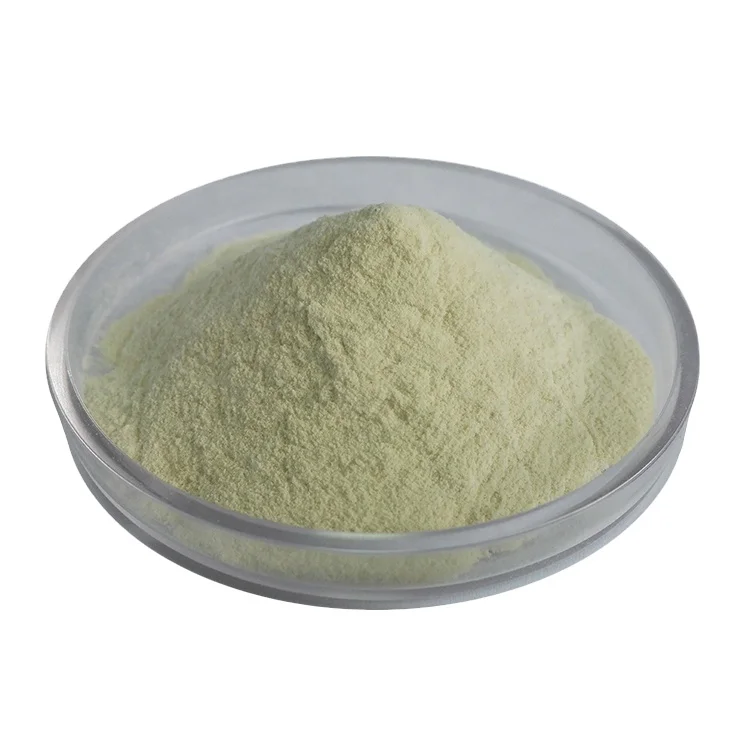
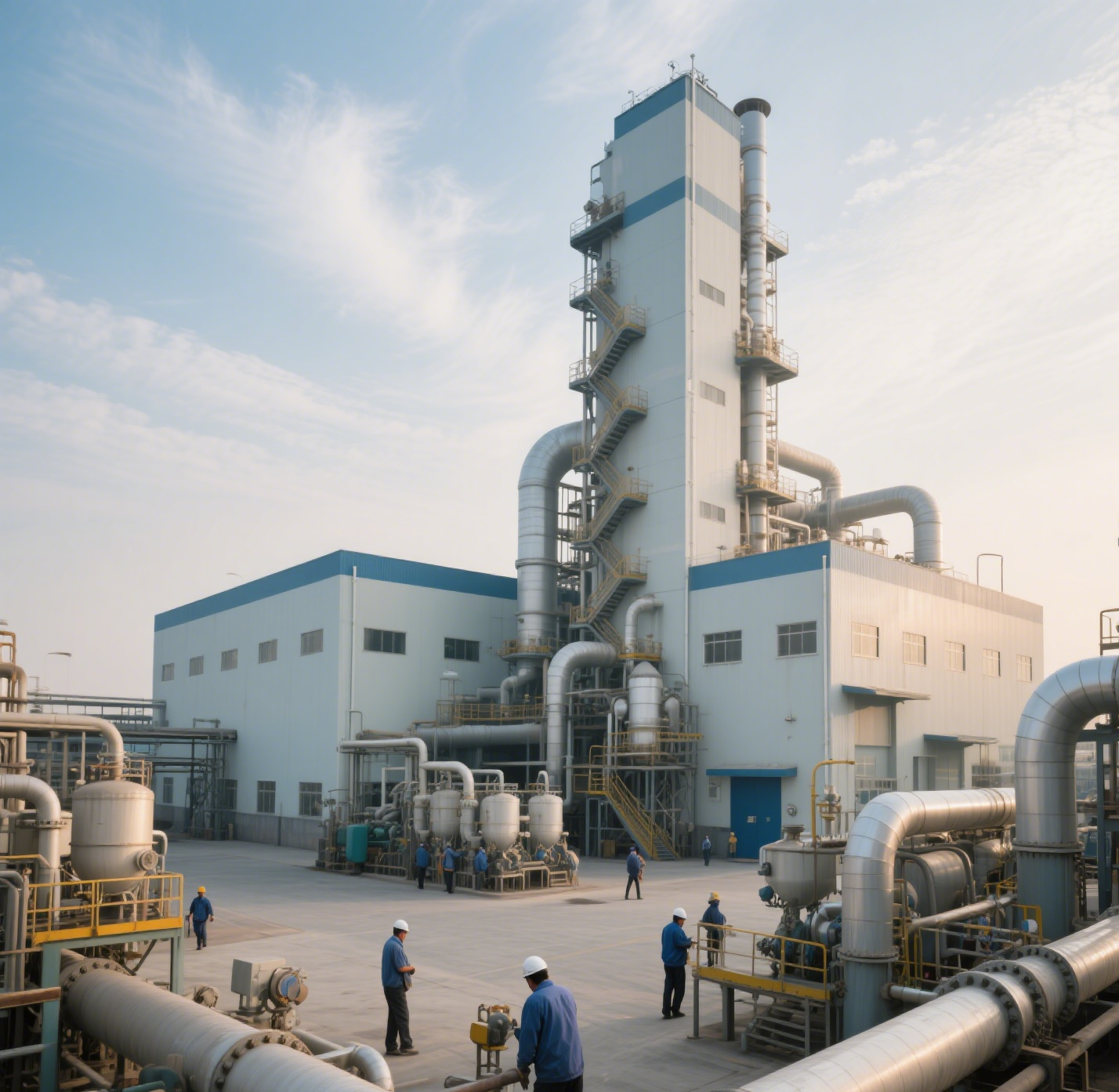
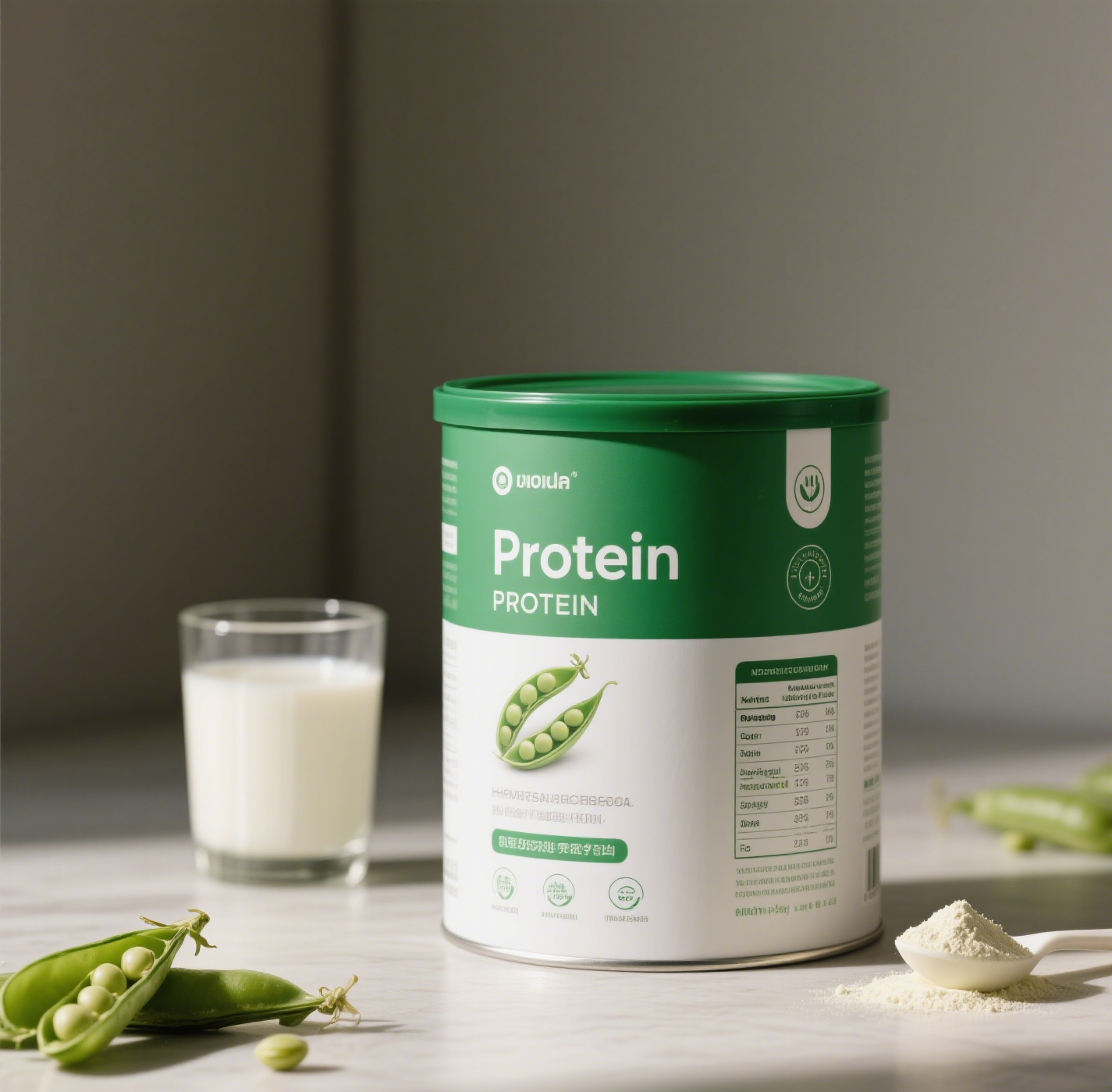
Wholesale pea protein represents a revolutionary plant-based protein source derived from yellow peas through an advanced extraction process. This sustainable protein solution offers exceptional nutritional value with a complete amino acid profile, making it an ideal choice for various food and beverage applications. The manufacturing process involves careful selection of premium yellow peas, followed by cleaning, milling, and protein separation using cutting-edge technology. The resulting protein powder boasts protein content ranging from 80% to 85%, with excellent solubility and neutral taste characteristics. Its versatile nature allows for seamless integration into multiple food formulations, including protein bars, meat alternatives, dairy-free products, and sports nutrition supplements. The protein's functional properties include superior water-binding capacity, emulsification capabilities, and stable gel formation, contributing to improved texture and mouthfeel in final products. Furthermore, wholesale pea protein meets the growing consumer demand for clean-label, allergen-free, and environmentally conscious protein options, making it an attractive ingredient for manufacturers seeking to expand their plant-based product portfolio.

New Products

Wholesale pea protein offers numerous compelling advantages that make it an exceptional choice for food manufacturers and product developers. First, its hypoallergenic nature sets it apart from common allergens like soy and dairy, making it suitable for a broader consumer base. The protein's excellent digestibility and bioavailability ensure optimal nutrient absorption, while its complete amino acid profile supports muscle maintenance and recovery. From a manufacturing perspective, pea protein's stability across various pH levels and temperature ranges provides flexibility in processing conditions. The ingredient's clean taste profile minimizes the need for masking agents, resulting in more natural-tasting end products. Sustainability is another key advantage, as pea cultivation requires fewer resources compared to animal protein production and contributes to soil health through nitrogen fixation. The protein's versatility in applications allows manufacturers to develop diverse product lines while maintaining consistent quality. Cost-effectiveness is achieved through efficient processing methods and stable supply chains. Additionally, pea protein's natural origin and minimal processing align with clean-label trends, appealing to health-conscious consumers. The protein's excellent functional properties, including water-holding capacity and emulsification abilities, contribute to improved texture and stability in finished products. Its non-GMO status and gluten-free certification further enhance its market appeal, while its long shelf life reduces waste and logistics costs.

Practical Tips

Soy Protein vs Whey Protein: Which One Suits Your Fitness Goals?

18

Jul

Soy Protein vs Whey Protein: Which One Suits Your Fitness Goals?

Choosing the Right Protein for Your Fitness and Health Journey When it comes to improving fitness outcomes and overall well-being, protein plays a pivotal role. From supporting muscle repair to enhancing metabolic health, selecting the appropriate t...
View More
What Are the Benefits of Tetrasodium Pyrophosphate in Food Additives?

18

Jul

What Are the Benefits of Tetrasodium Pyrophosphate in Food Additives?

Exploring the Functional Value of Tetrasodium Pyrophosphate in Food Processing Tetrasodium pyrophosphate plays a critical role in the food industry as a versatile and highly functional additive. This compound serves multiple purposes in food process...
View More
What’s the Difference Between Natural and Added Fructose?

21

Aug

What’s the Difference Between Natural and Added Fructose?

The Importance Of Understanding Sugar Sources In modern nutrition, sugars are widely discussed because of their direct connection to human health. Among the many types, fructose has received particular attention. It naturally occurs in fruits, honey,...
View More
Why Is Maltodextrin Commonly Used as a Food Thickener?

21

Aug

Why Is Maltodextrin Commonly Used as a Food Thickener?

The Role Of Maltodextrin In Modern Food Processing In today’s food industry, maltodextrin has become one of the most widely used ingredients for thickening, stabilizing, and improving the texture of foods. It is produced from starch through par...
View More

Get a Free Quote

Our representative will contact you soon.
Email
Name
Company Name
products
Mobile
Message
0/1000

wholesale pea protein

Superior Nutritional Profile

Superior Nutritional Profile

Wholesale pea protein distinguishes itself through its exceptional nutritional composition, featuring a protein content of 80-85% and a comprehensive amino acid profile. This plant-based protein source delivers all nine essential amino acids, with notable levels of branched-chain amino acids (BCAAs) crucial for muscle development and recovery. The protein's high digestibility score, comparable to whey protein, ensures optimal nutrient absorption and utilization by the body. Its naturally occurring iron content provides additional nutritional benefits, particularly valuable for plant-based diets. The protein's low fat and carbohydrate content make it ideal for calorie-conscious formulations, while its fiber content supports digestive health.
Versatile Application Potential

Versatile Application Potential

The remarkable versatility of wholesale pea protein enables its incorporation into an extensive range of food and beverage applications. Its neutral taste profile and excellent solubility make it perfect for beverage formulations, including protein shakes, smoothies, and plant-based milk alternatives. In meat alternatives, the protein's gel-forming properties contribute to authentic texture development and improved binding. Its emulsification capabilities enhance stability in dairy alternatives and desserts, while its water-binding properties improve moisture retention in baked goods and protein bars. The protein's heat stability allows for various processing methods, from cold-press to high-temperature treatments, maintaining its functional properties throughout.
Sustainable and Clean Label Solution

Sustainable and Clean Label Solution

As a sustainable protein solution, wholesale pea protein exemplifies environmental responsibility in food production. The cultivation of yellow peas requires significantly less water compared to animal protein sources and contributes to soil health through natural nitrogen fixation. The protein's extraction process employs water-based methods, minimizing chemical usage and environmental impact. Its clean label status, free from artificial additives and common allergens, meets growing consumer demands for transparent, natural ingredients. The protein's non-GMO certification and minimal processing approach align with current clean label trends, while its local sourcing potential reduces transportation-related environmental impact.

Get a Free Quote

Our representative will contact you soon.
Email
Name
Company Name
Mobile
Message
0/1000