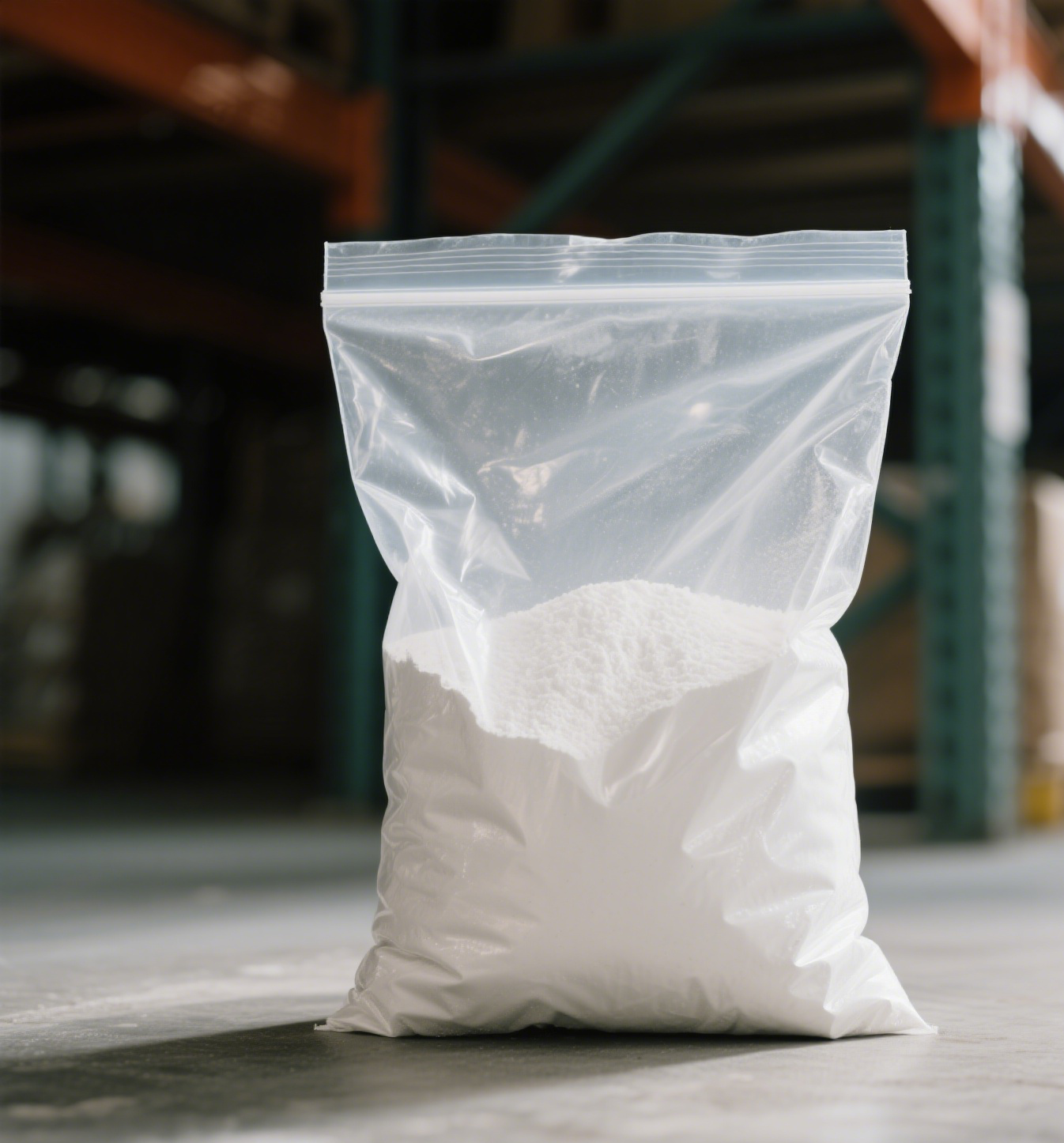
Sodium Tripolyphosphate: Versatile Industrial Solution for Water Treatment, Food Processing, and Cleaning Applications

Get a Free Quote

Our representative will contact you soon.
Email
Name
Company Name
products
Mobile
Message
0/1000

use of sodium tripolyphosphate

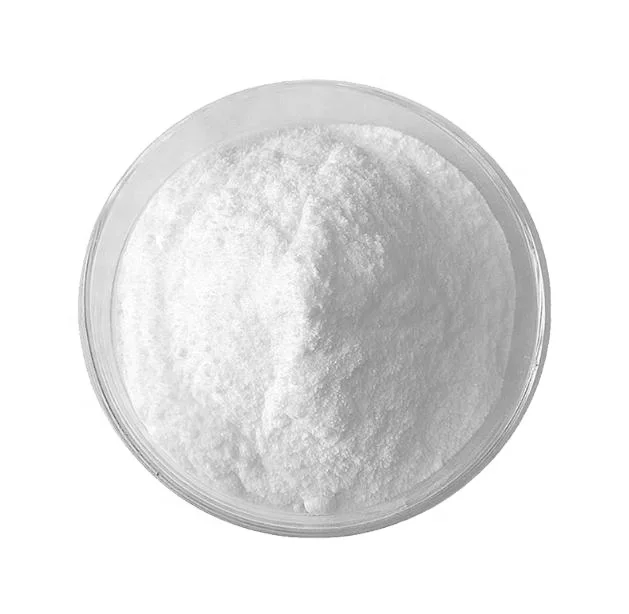
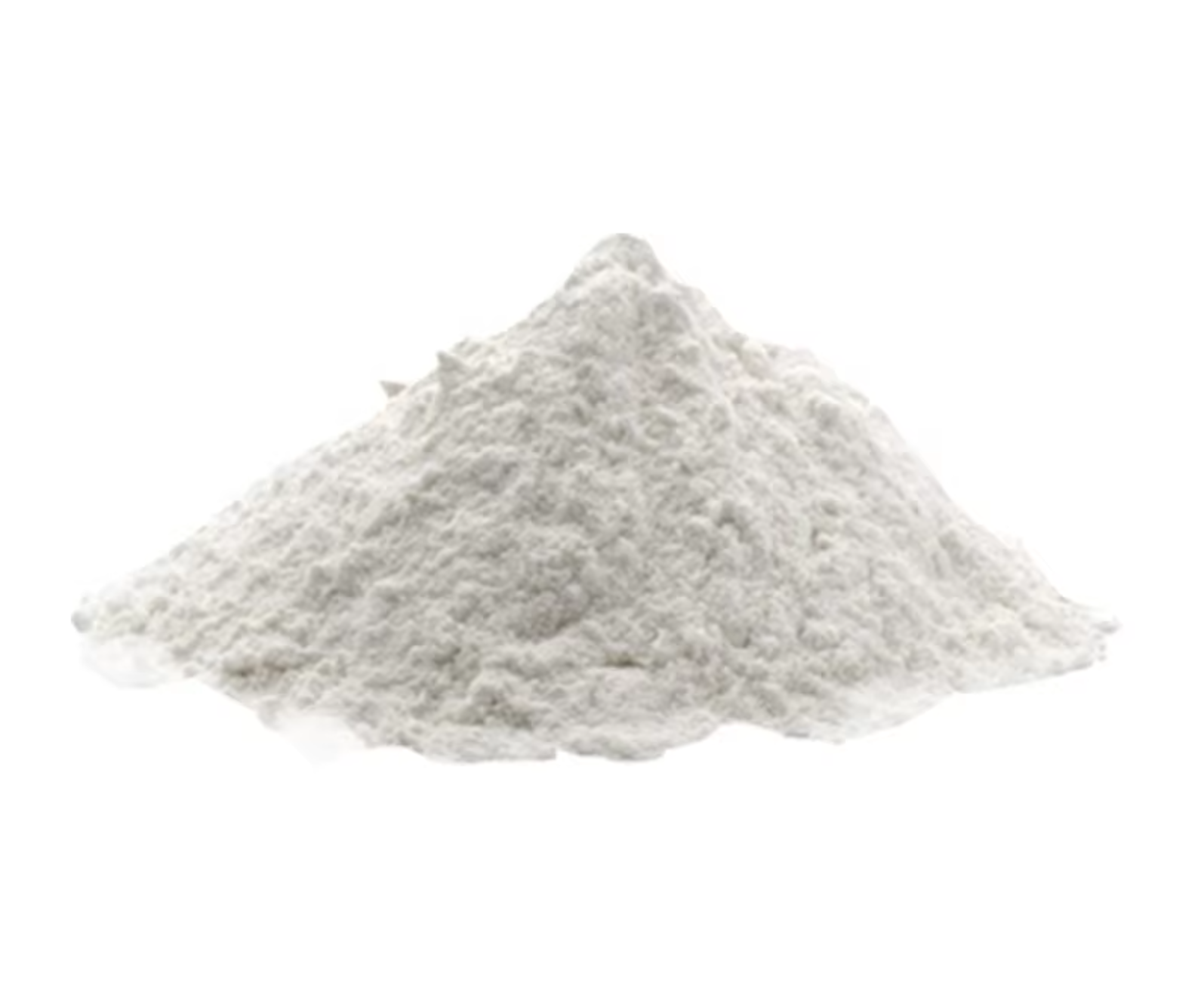
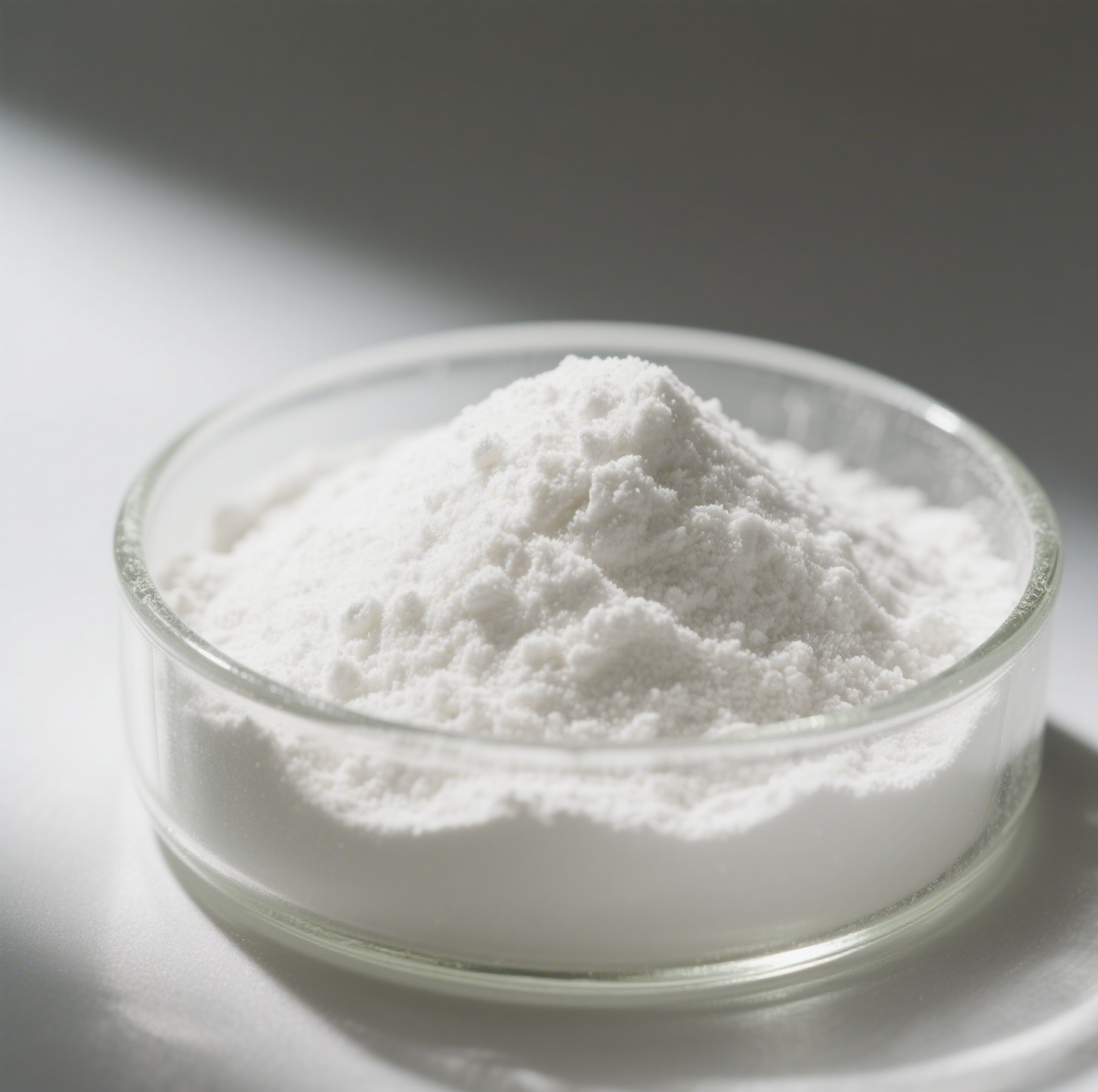
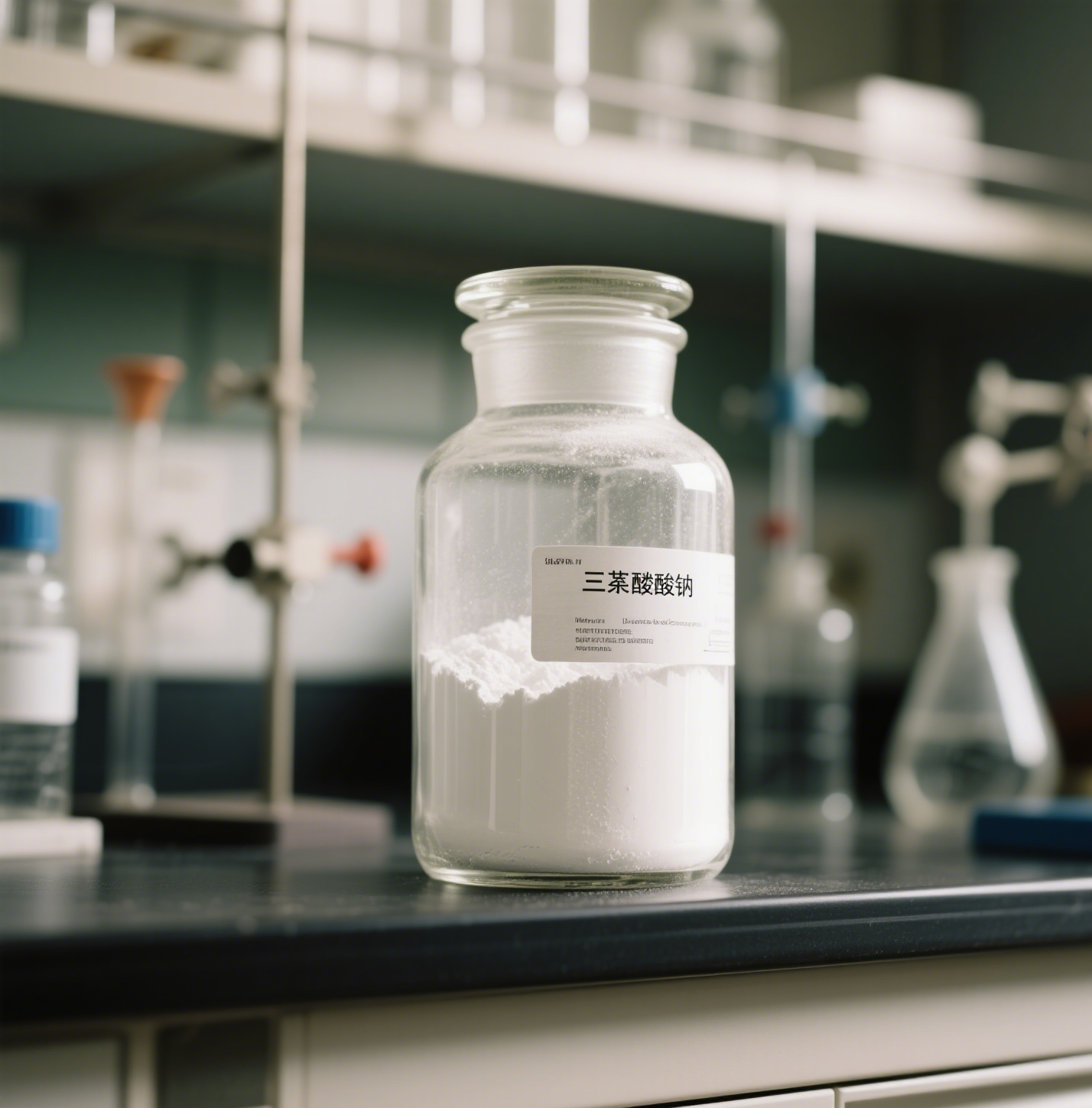
Sodium tripolyphosphate (STPP) is a versatile inorganic compound that plays a crucial role in various industrial applications. This white, crystalline powder serves as a vital component in cleaning products, food processing, and water treatment systems. In cleaning applications, STPP acts as a water softener and emulsifier, effectively removing dirt and grease while preventing their redeposition on surfaces. In the food industry, it functions as a preservative and quality enhancer, maintaining the moisture content and texture of processed foods, particularly in seafood and meat products. The compound's ability to sequester metal ions makes it invaluable in water treatment processes, where it helps prevent scale formation and corrosion in industrial equipment. Its molecular structure allows it to bind with metal ions, creating stable complexes that improve the efficiency of cleaning processes and enhance product stability. Additionally, STPP serves as a dispersing agent in ceramics manufacturing and plays a role in the production of various industrial chemicals. The compound's effectiveness in multiple pH ranges and its stability under different processing conditions make it a preferred choice across diverse industrial sectors.

New Products

The use of sodium tripolyphosphate offers numerous significant advantages across various applications. In cleaning products, it significantly enhances detergent performance by softening water and preventing mineral deposits, resulting in more effective cleaning outcomes. The compound's exceptional ability to remove calcium and magnesium ions from hard water helps prevent scale formation, extending the lifespan of equipment and improving operational efficiency. In food processing, STPP helps maintain product quality by retaining moisture, preventing oxidation, and preserving the natural texture of processed foods. This leads to improved shelf life and better consumer satisfaction. The compound's versatility as a dispersing agent makes it valuable in ceramic production, ensuring uniform particle distribution and enhanced product quality. In water treatment applications, STPP's superior sequestering properties help protect industrial systems from scale buildup and corrosion, reducing maintenance costs and improving system reliability. Its high solubility and stability across various pH levels make it easy to incorporate into different formulations. The cost-effectiveness of STPP compared to alternative solutions provides businesses with economic benefits while maintaining high performance standards. Additionally, its ability to work synergistically with other ingredients enhances the overall effectiveness of various formulations, making it an indispensable component in multiple industrial processes.

Tips And Tricks

Soy Protein vs Whey Protein: Which One Suits Your Fitness Goals?

18

Jul

Soy Protein vs Whey Protein: Which One Suits Your Fitness Goals?

Choosing the Right Protein for Your Fitness and Health Journey When it comes to improving fitness outcomes and overall well-being, protein plays a pivotal role. From supporting muscle repair to enhancing metabolic health, selecting the appropriate t...
View More
What Are the Benefits of Tetrasodium Pyrophosphate in Food Additives?

18

Jul

What Are the Benefits of Tetrasodium Pyrophosphate in Food Additives?

Exploring the Functional Value of Tetrasodium Pyrophosphate in Food Processing Tetrasodium pyrophosphate plays a critical role in the food industry as a versatile and highly functional additive. This compound serves multiple purposes in food process...
View More
Why Is Maltodextrin Commonly Used as a Food Thickener?

21

Aug

Why Is Maltodextrin Commonly Used as a Food Thickener?

The Role Of Maltodextrin In Modern Food Processing In today’s food industry, maltodextrin has become one of the most widely used ingredients for thickening, stabilizing, and improving the texture of foods. It is produced from starch through par...
View More
What Makes Maltodextrin Ideal for Instant Food Applications?

21

Aug

What Makes Maltodextrin Ideal for Instant Food Applications?

The Role of Modern Ingredients in Instant Foods In today’s fast-paced lifestyle, instant food has become a vital part of many people’s daily routines. The demand for convenience, taste, and nutrition has driven the food industry to innova...
View More

Get a Free Quote

Our representative will contact you soon.
Email
Name
Company Name
products
Mobile
Message
0/1000

use of sodium tripolyphosphate

Superior Water Treatment Capabilities

Superior Water Treatment Capabilities

Sodium tripolyphosphate excels in water treatment applications through its exceptional ability to sequester metal ions. This property makes it invaluable in preventing scale formation and corrosion in industrial water systems. When added to water treatment processes, STPP effectively binds with calcium, magnesium, and other metal ions that typically cause hard water problems. This binding action prevents the formation of insoluble mineral deposits that can damage equipment and reduce operational efficiency. The compound's high solubility ensures rapid dispersion throughout the system, providing immediate protection against scale formation. Its stability across various temperature ranges and pH levels makes it reliable for long-term use in different industrial environments. The economic benefits of using STPP in water treatment are substantial, as it reduces maintenance requirements, extends equipment life, and improves overall system performance.
Enhanced Food Processing Applications

Enhanced Food Processing Applications

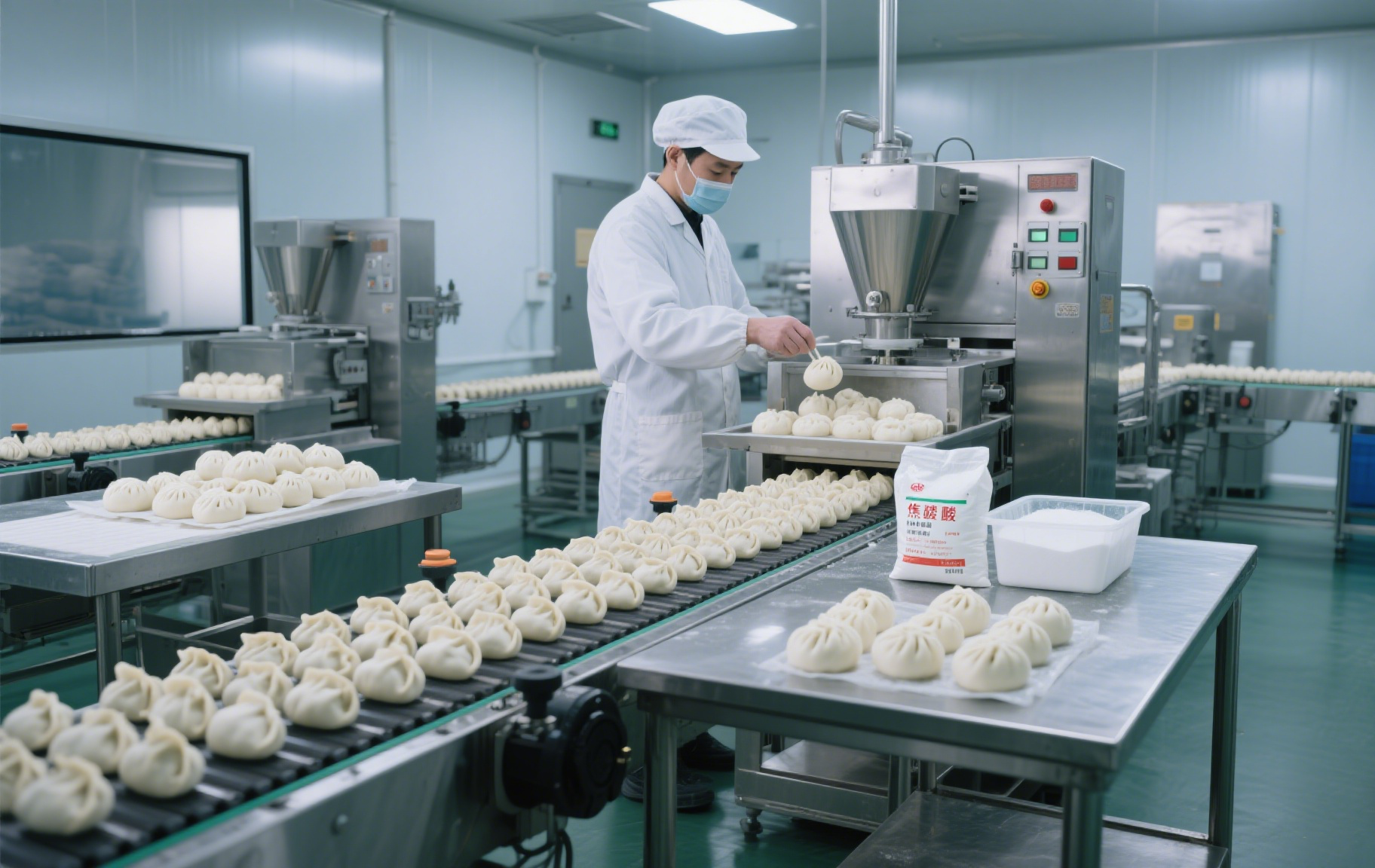
In food processing, sodium tripolyphosphate demonstrates remarkable capabilities in improving product quality and stability. Its primary function as a food additive involves moisture retention and texture enhancement, particularly in meat and seafood products. STPP helps maintain the natural juiciness of processed foods by binding water molecules, preventing moisture loss during storage and processing. This moisture retention capability also contributes to improved product yield and better texture characteristics. The compound's ability to prevent oxidation helps maintain product color and extends shelf life, reducing food waste and improving commercial viability. Additionally, STPP's pH-buffering properties help stabilize food products, ensuring consistent quality throughout their shelf life. Its safe usage in food applications, as recognized by regulatory authorities, makes it a trusted choice for food manufacturers seeking to improve their products' quality and stability.
Efficient Cleaning Solution Enhancement

Efficient Cleaning Solution Enhancement

Sodium tripolyphosphate significantly improves the performance of cleaning products through multiple mechanisms. As a key ingredient in detergent formulations, it acts as both a water softener and an emulsifier, enhancing the overall cleaning efficiency. The compound's ability to break down and remove tough stains is particularly valuable in industrial and commercial cleaning applications. STPP prevents the redeposition of removed dirt particles back onto cleaned surfaces, ensuring a more thorough and lasting clean. Its effectiveness in both hot and cold water applications makes it versatile for various cleaning needs. The compound's compatibility with different surfactants and cleaning agents allows for the development of highly effective cleaning formulations. In industrial settings, STPP-enhanced cleaners provide superior results while reducing the need for harsh chemicals, making them both effective and environmentally considerate. The cost-effectiveness of STPP-based cleaning solutions, combined with their reliable performance, makes them a preferred choice for professional cleaning applications.

Get a Free Quote

Our representative will contact you soon.
Email
Name
Company Name
Mobile
Message
0/1000