sodium triphosphate in food
Sodium triphosphate in food is a versatile food additive that serves multiple essential functions in the food industry. This phosphate compound, commonly known as STPP, acts as a powerful preservative, emulsifier, and moisture retention agent across numerous food applications. Sodium triphosphate in food maintains product quality, extends shelf life, and improves texture consistency in processed foods.
The primary technological features of sodium triphosphate in food include its ability to bind water molecules, preventing moisture loss during storage and cooking. This characteristic makes sodium triphosphate in food particularly valuable in meat products, seafood, and poultry applications. Additionally, sodium triphosphate in food enhances the binding properties of food components, creating improved texture and mouthfeel in finished products.
Sodium triphosphate in food functions as a pH buffer, stabilizing acidity levels throughout food processing. This buffering capacity prevents unwanted chemical reactions and maintains product consistency. The compound also inhibits oxidation, protecting fats and oils from rancidity, which significantly extends product shelf life.
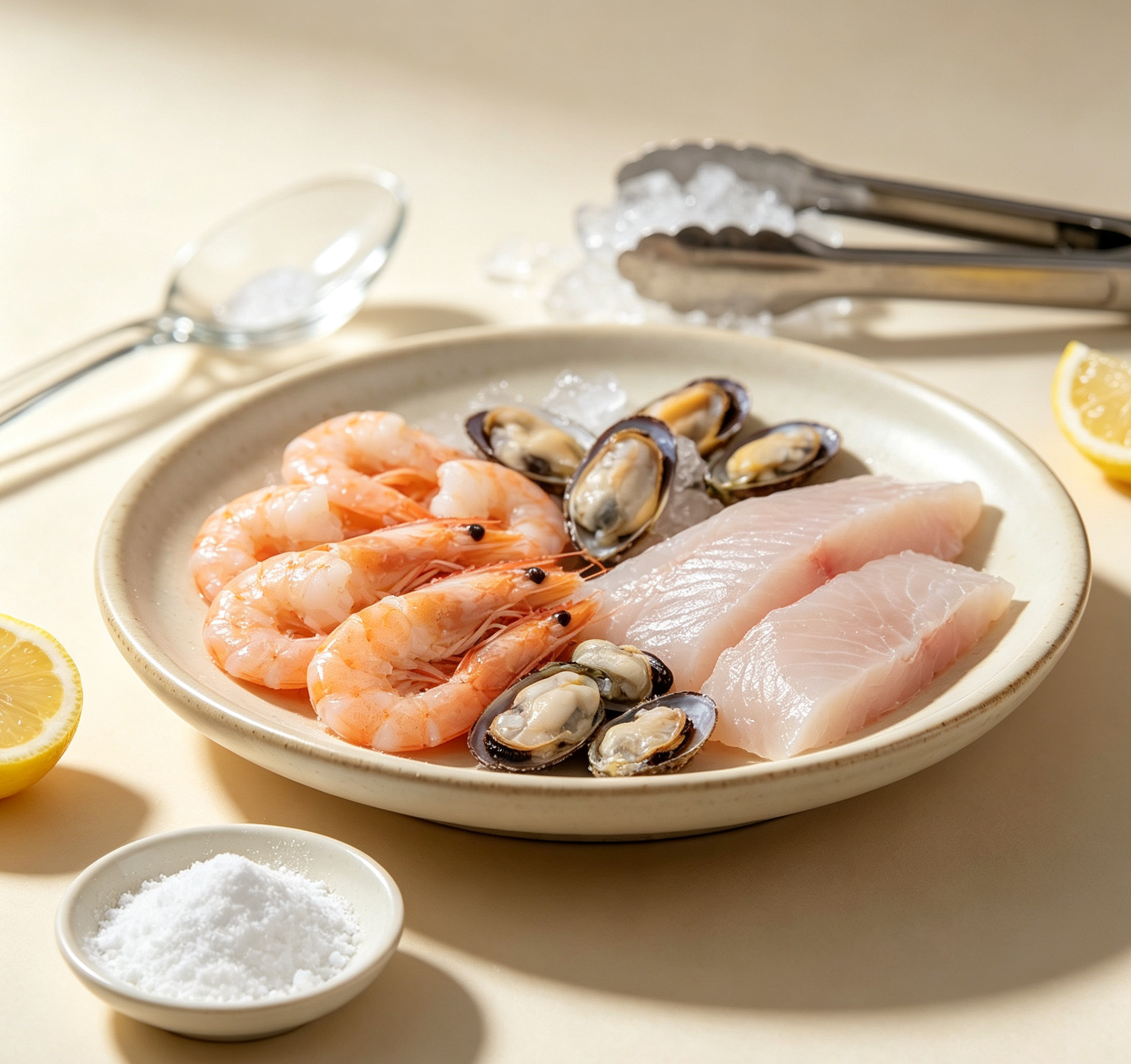
Applications of sodium triphosphate in food span across multiple sectors, including processed meats, canned seafood, poultry products, dairy formulations, and baked goods. In meat processing, sodium triphosphate in food improves water retention, resulting in juicier, more tender final products. Within the seafood industry, it prevents texture degradation and maintains appealing appearance throughout distribution channels.
The regulatory status of sodium triphosphate in food remains approved in most developed countries when used within established safety guidelines. Its effectiveness at low concentrations makes sodium triphosphate in food economically efficient for manufacturers seeking reliable quality control solutions.
 EN
EN