 EN
EN

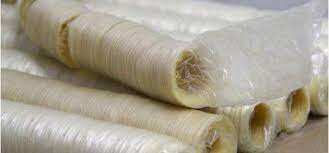
Manufacturing industries across diverse sectors rely heavily on protective casings to ensure product integrity, operational efficiency, and end-user safety. The selection of appropriate casing materials represents a critical decision point that directly impacts production costs, quality control standards, and long-term business sustainability. When manufacturers evaluate potential casing solutions, they must navigate complex considerations involving material properties, manufacturing compatibility, regulatory compliance, and cost-effectiveness.
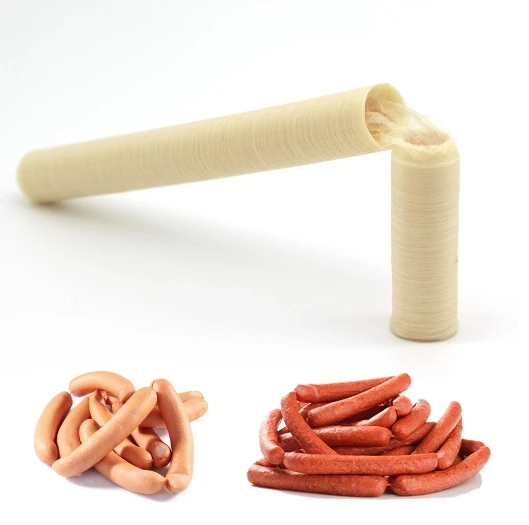
The contemporary manufacturing landscape demands sophisticated approaches to casing selection, where traditional material choices must compete with innovative alternatives offering enhanced performance characteristics. Modern manufacturers face increasing pressure to balance functional requirements with environmental considerations, regulatory mandates, and evolving consumer expectations. Understanding the fundamental criteria for high-quality casing selection enables manufacturers to make informed decisions that align with both immediate operational needs and strategic business objectives.
Material Properties and Performance Characteristics
Mechanical Strength and Durability Assessment
The mechanical properties of casing materials form the foundation of selection criteria, determining how effectively the casing will protect contents during manufacturing, transportation, and end-use applications. Tensile strength represents a primary consideration, as the casing must withstand internal pressures, external forces, and mechanical stresses encountered throughout the product lifecycle. Manufacturers must evaluate the casing material's ability to maintain structural integrity under varying load conditions, temperature fluctuations, and environmental exposures specific to their operational requirements.
Elasticity and flexibility characteristics directly influence the casing's ability to accommodate product expansion, contraction, and shape variations without compromising protective functions. High-quality casing materials demonstrate consistent mechanical behavior across temperature ranges, maintaining flexibility in cold conditions while resisting deformation under elevated temperatures. The puncture resistance and tear strength of casing materials become particularly critical in applications involving sharp edges, abrasive surfaces, or handling equipment that may compromise casing integrity.
Long-term durability assessment requires consideration of fatigue resistance, where repeated stress cycles may gradually weaken the casing material over time. Manufacturers should evaluate how environmental factors such as UV exposure, chemical contact, and humidity variations affect the mechanical properties of potential casing solutions. The relationship between casing thickness and mechanical performance must be optimized to achieve adequate protection without excessive material costs or processing complications.
Barrier Properties and Protective Functions
Barrier properties determine the casing's effectiveness in protecting contents from environmental contamination, moisture ingress, oxygen exposure, and other potentially harmful substances. Water vapor transmission rates become crucial considerations for products sensitive to moisture, requiring casing materials with controlled permeability characteristics. Manufacturers must evaluate whether the casing provides adequate moisture protection while allowing necessary gas exchange for products requiring controlled atmospheric conditions.
Chemical resistance properties ensure the casing maintains protective functions when exposed to cleaning agents, processing chemicals, or environmental contaminants encountered during normal operations. The compatibility between casing materials and product contents prevents unwanted chemical interactions that could compromise product quality or safety. Manufacturers should consider potential migration of substances between the casing and contents, particularly in food-grade applications where regulatory standards strictly control allowable material compositions.
Optical properties such as clarity, color stability, and light transmission characteristics may influence product presentation and preservation requirements. Some applications benefit from transparent casing materials that allow visual inspection of contents, while others require opaque or colored casings to protect light-sensitive products. The thermal properties of casing materials affect their performance during processing steps involving heating, cooling, or temperature cycling, requiring careful evaluation of thermal expansion coefficients and heat transfer characteristics.
Manufacturing Process Compatibility
Processing Equipment Integration
The compatibility between casing materials and existing manufacturing equipment represents a fundamental consideration affecting production efficiency and operational costs. Different casing types require specific handling, forming, and sealing equipment, making it essential to evaluate whether current machinery can accommodate proposed casing solutions without significant modifications. The feeding mechanisms, tensioning systems, and cutting devices must work effectively with the selected casing material to maintain consistent production speeds and quality standards.
Sealing characteristics determine how effectively the casing can be closed, crimped, or bonded to create secure product containment. The compatibility between casing materials and sealing methods such as heat sealing, ultrasonic welding, or adhesive bonding affects the integrity and appearance of finished products. Manufacturers must consider the temperature ranges, pressure requirements, and timing parameters necessary for effective casing sealing while ensuring the process doesn't compromise the casing's protective properties.
The dimensional stability of casing materials during processing affects product consistency and equipment performance. Casings that experience excessive shrinkage, expansion, or distortion during manufacturing can cause feeding problems, quality variations, and increased waste rates. The handling characteristics of casing materials, including their tendency to stick, tear, or generate static electricity, influence the reliability and speed of automated production systems.
Quality Control and Consistency Requirements
Consistent casing quality ensures predictable manufacturing outcomes and reduces the likelihood of production interruptions caused by material defects or performance variations. Manufacturers should establish specifications for dimensional tolerances, mechanical properties, and appearance characteristics that casing suppliers must maintain across production batches. The variability in casing thickness, width, and length can significantly impact processing efficiency and final product quality, requiring careful supplier qualification and ongoing quality monitoring.
Defect detection capabilities become important considerations when evaluating casing materials, as some defects may not become apparent until processing begins. The ability to identify and reject defective casing sections before they cause production problems helps maintain overall manufacturing efficiency. Visual inspection requirements, including the detectability of holes, thin spots, or contamination, influence the selection of casing materials and the implementation of quality control procedures.
Batch-to-batch consistency in casing properties ensures that manufacturing parameters remain stable over time, reducing the need for frequent equipment adjustments or process modifications. The traceability of casing materials through supply chain documentation supports quality investigations and regulatory compliance requirements. Manufacturers benefit from casing suppliers who maintain comprehensive quality records and provide detailed material certifications for each production lot.
Regulatory Compliance and Safety Standards
Industry-Specific Regulatory Requirements
Regulatory compliance represents a non-negotiable aspect of casing selection, particularly in industries such as food processing, pharmaceuticals, and medical devices where material safety directly affects consumer health. Food-grade casing materials must meet strict regulations governing material composition, migration limits, and manufacturing processes to ensure they don't introduce harmful substances into food products. The approval status of casing materials by regulatory agencies such as the FDA, USDA, or European food safety authorities determines their acceptability for specific applications.
Documentation requirements associated with regulatory compliance include material safety data sheets, certificates of analysis, and compliance declarations that casing suppliers must provide. The ability to maintain detailed records of casing material sources, processing conditions, and quality test results supports regulatory audits and product recall procedures when necessary. Manufacturers must verify that their casing suppliers maintain appropriate quality management systems and regulatory certifications relevant to their industry sector.
International trade considerations require casing materials to meet the regulatory standards of destination markets when products are exported. Different countries may have varying requirements for material composition, labeling, and testing procedures that affect casing selection decisions. The harmonization of regulatory standards across markets influences the complexity of compliance management and may favor casing materials with broad international acceptance.
Safety and Environmental Considerations
Worker safety considerations during casing handling and processing include the evaluation of potential hazards such as chemical exposure, physical injury risks, and ergonomic concerns. Casing materials that generate dust, emit volatile compounds, or require special handling precautions may necessitate additional safety equipment and training programs. The compatibility of casing materials with existing workplace safety protocols helps minimize implementation challenges and associated costs.
Environmental impact assessment becomes increasingly important as manufacturers face pressure to reduce their ecological footprint and meet sustainability targets. The biodegradability, recyclability, and renewable content of casing materials influence their environmental acceptability and alignment with corporate sustainability commitments. Life cycle analysis of casing materials helps manufacturers understand the total environmental impact from production through disposal, enabling more informed selection decisions.
Waste management considerations include the disposal methods available for used casing materials and any special handling requirements for contaminated or damaged casings. The volume of waste generated by different casing options affects disposal costs and environmental impact, making waste minimization an important selection criterion. Manufacturers benefit from casing materials that can be recycled or composted through existing waste management infrastructure.
Economic Factors and Cost Analysis
Total Cost of Ownership Evaluation
The total cost of ownership for casing materials extends beyond the initial purchase price to include processing costs, quality-related expenses, and end-of-life disposal costs. Material efficiency considerations include the yield rates achievable with different casing types, waste generation during processing, and the impact of casing properties on production speeds. Higher-quality casing materials may command premium prices but deliver cost savings through reduced waste, improved processing efficiency, and enhanced product quality.
Processing cost variations result from differences in equipment requirements, energy consumption, and labor needs associated with different casing materials. Some casing types may require specialized handling equipment, additional processing steps, or longer processing times that increase manufacturing costs. The compatibility between casing materials and existing production infrastructure affects the capital investment required for implementation and the timeline for achieving full operational efficiency.
Quality-related costs include the expenses associated with product recalls, customer complaints, and rework due to casing-related defects. High-quality casing materials typically demonstrate lower defect rates and more consistent performance, reducing quality-related costs over time. The impact of casing selection on product shelf life, appearance, and customer satisfaction affects long-term profitability and market competitiveness.
Supply Chain and Availability Considerations
Supply chain reliability ensures consistent casing availability and helps prevent production disruptions caused by material shortages or delivery delays. The geographic distribution of casing suppliers affects transportation costs, delivery times, and supply chain risk management strategies. Manufacturers benefit from evaluating multiple supplier options and establishing backup supply sources for critical casing materials.
Inventory management considerations include the storage requirements, shelf life limitations, and handling procedures associated with different casing materials. Some casing types may require controlled storage conditions, special handling equipment, or limited storage times that affect inventory costs and complexity. The packaging and shipping characteristics of casing materials influence transportation costs and storage space requirements.
Market price volatility for casing materials affects long-term cost planning and budgeting processes. The relationship between raw material costs and casing prices helps manufacturers anticipate cost fluctuations and develop appropriate procurement strategies. Long-term supply agreements may provide price stability but require careful evaluation of volume commitments and market risk factors.
FAQ
What are the most critical material properties to evaluate when selecting manufacturing casings?
The most critical material properties include mechanical strength characteristics such as tensile strength, puncture resistance, and flexibility, which determine the casing's ability to protect contents during processing and use. Barrier properties including moisture transmission rates, chemical resistance, and gas permeability are equally important for maintaining product quality and safety. Additionally, dimensional stability, thermal properties, and consistency across production batches significantly impact manufacturing efficiency and final product quality.
How do regulatory requirements influence casing material selection in different industries?
Regulatory requirements vary significantly across industries, with food processing and pharmaceutical applications requiring strict compliance with material composition, migration limits, and manufacturing standards set by agencies like the FDA and USDA. Medical device applications may require biocompatibility testing and specific sterilization compatibility, while industrial applications focus more on environmental regulations and worker safety standards. Manufacturers must verify that chosen casing materials meet all applicable regulatory requirements for their specific industry and target markets.
What cost factors should manufacturers consider beyond the initial purchase price of casings?
Total cost of ownership includes processing efficiency impacts, such as production speeds, waste rates, and equipment compatibility costs. Quality-related expenses encompass potential product recalls, customer complaints, and rework due to casing defects. Additional factors include storage and handling costs, inventory management expenses, supply chain logistics costs, and end-of-life disposal or recycling fees. Higher-quality casings may have premium purchase prices but often deliver overall cost savings through improved performance and reduced operational issues.
How can manufacturers ensure consistent quality when sourcing casings from suppliers?
Manufacturers should establish detailed specifications covering dimensional tolerances, mechanical properties, and appearance standards that suppliers must consistently meet. Implementing incoming inspection procedures, requiring supplier quality certifications, and maintaining batch-to-batch traceability documentation helps ensure consistent quality. Regular supplier audits, performance monitoring, and maintaining qualified backup suppliers provide additional assurance of quality consistency. Collaborative relationships with suppliers that include quality improvement initiatives and technical support also contribute to long-term quality stability.
Table of Contents
- Material Properties and Performance Characteristics
- Manufacturing Process Compatibility
- Regulatory Compliance and Safety Standards
- Economic Factors and Cost Analysis
-
FAQ
- What are the most critical material properties to evaluate when selecting manufacturing casings?
- How do regulatory requirements influence casing material selection in different industries?
- What cost factors should manufacturers consider beyond the initial purchase price of casings?
- How can manufacturers ensure consistent quality when sourcing casings from suppliers?