 EN
EN

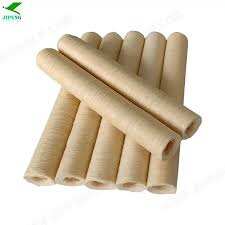
Large-scale meat processing operations face constant pressure to optimize production efficiency while maintaining product quality and safety standards. One critical component that significantly impacts operational performance is the casing system used in sausage and processed meat manufacturing. Understanding how modern casing technology can enhance efficiency requires examining the integration of advanced materials, automated handling systems, and quality control processes that directly affect throughput and product consistency.
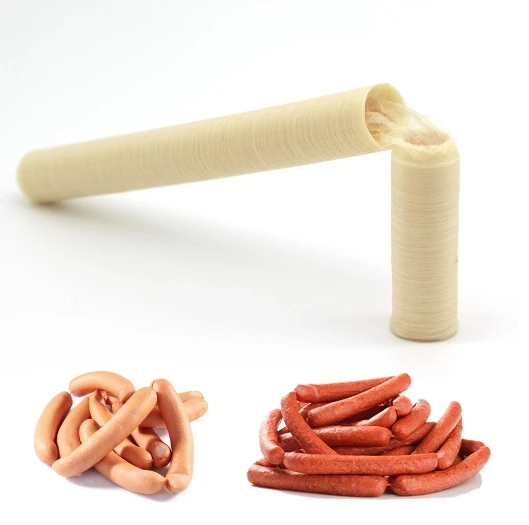
The selection and implementation of appropriate casing solutions in industrial meat processing environments directly correlates with measurable improvements in production speed, waste reduction, and labor efficiency. Modern processing facilities that leverage optimized casing systems typically achieve 15-25% higher throughput rates compared to operations using traditional approaches, while simultaneously reducing product defects and material waste.
Streamlined Production Flow Through Advanced Casing Technology
Automated Casing Loading Systems
Modern large-scale facilities implement automated casing loading mechanisms that eliminate manual handling bottlenecks commonly associated with traditional sausage production. These systems utilize pneumatic or hydraulic loading devices that can process multiple casing types simultaneously, reducing changeover times between product runs. The integration of automated loading reduces labor requirements by approximately 30% while ensuring consistent casing placement and tension control.
Automated systems also incorporate real-time monitoring capabilities that detect casing defects or irregularities during the loading process. This immediate quality control prevents defective products from progressing through the production line, eliminating costly downstream corrections and reducing overall waste rates. Advanced loading systems can handle various casing diameters and materials without requiring extensive manual reconfiguration.
High-Speed Filling Integration
The compatibility between casing materials and high-speed filling equipment directly impacts production efficiency in large-scale operations. Modern synthetic and collagen casing formulations are engineered to withstand the mechanical stresses associated with rapid filling speeds, often exceeding 1,000 units per minute in optimized systems. This enhanced durability prevents casing failures that would otherwise halt production lines and require costly cleanup procedures.
Specialized casing designs incorporate features such as controlled permeability and enhanced elasticity that facilitate faster filling rates while maintaining product integrity. These characteristics enable processors to operate filling equipment at maximum capacity without compromising product quality or experiencing frequent production interruptions due to casing-related failures.
Reduced Changeover Requirements
Versatile casing systems designed for multiple product applications significantly reduce the time required for production line changeovers between different meat products. Universal casing solutions can accommodate various product formulations, seasonings, and particle sizes without requiring extensive equipment modifications or cleaning procedures. This flexibility allows processors to respond quickly to market demands and production scheduling changes.
The implementation of standardized casing specifications across product lines eliminates the need for specialized handling equipment for each product variant. This standardization reduces inventory complexity, simplifies operator training requirements, and minimizes the risk of production errors caused by incorrect casing selection or installation procedures.
Quality Control and Consistency Improvements
Uniform Product Sizing
Precision-manufactured casing systems ensure consistent product dimensions throughout large production runs, eliminating size variations that can affect packaging efficiency and consumer acceptance. Modern casing technology incorporates controlled expansion characteristics that maintain uniform diameter even under varying filling pressures and temperatures. This consistency reduces packaging waste and improves automated packaging line efficiency.
Consistent casing performance also enables processors to optimize filling parameters for maximum throughput without compromising product appearance or structural integrity. The predictable behavior of advanced casing materials allows for precise calibration of filling equipment, resulting in reduced overfill waste and improved portion control accuracy.
Enhanced Barrier Properties
Modern casing formulations provide superior barrier properties that extend product shelf life and reduce spoilage rates during processing and storage. These enhanced barrier characteristics protect products from moisture loss, oxidation, and contamination, reducing the need for additional protective packaging or special storage conditions. The improved barrier performance directly translates to reduced product loss and enhanced operational efficiency.
Advanced casing barrier properties also enable processors to implement extended production schedules without compromising product quality. Products can remain in process for longer periods without degradation, allowing for more flexible scheduling and reduced rush production scenarios that often compromise efficiency and quality standards.
Improved Processing Yields
Optimized casing technology contributes to improved processing yields by minimizing product loss during manufacturing, handling, and packaging operations. Modern casing materials exhibit superior puncture resistance and flexibility, reducing breakage rates that lead to product waste and production line disruptions. These improvements typically result in 2-5% yield increases in large-scale operations.
The enhanced durability of modern casing solutions also reduces the frequency of product rework or rejection due to casing-related defects. This reliability ensures that production capacity is utilized effectively for creating sellable products rather than managing quality issues and waste disposal procedures.
Cost Efficiency and Resource Optimization
Labor Cost Reduction
The implementation of advanced casing systems significantly reduces labor requirements across multiple production areas, from initial casing preparation through final product handling. Automated casing preparation systems eliminate manual soaking, sorting, and loading operations that traditionally require skilled labor. These systems operate continuously with minimal supervision, allowing labor resources to be redirected to higher-value activities.
Reduced casing-related production issues also minimize the need for specialized troubleshooting personnel and quality control inspectors. The reliability of modern casing technology enables leaner staffing models while maintaining production quality and safety standards. This labor efficiency improvement typically results in 10-20% reduction in direct labor costs per unit produced.
Energy and Utility Savings
Modern casing systems contribute to energy efficiency improvements through reduced processing times and optimized equipment utilization. Faster production cycles enabled by efficient casing performance reduce overall energy consumption per unit produced. Additionally, improved casing barrier properties can eliminate the need for additional refrigeration or climate control during extended processing periods.
The compatibility of advanced casing materials with energy-efficient processing equipment enables facilities to implement sustainable production practices without compromising throughput or quality. These systems often require lower operating temperatures and pressures, further contributing to utility cost reductions and environmental sustainability goals.
Inventory Management Efficiency
Standardized casing systems simplify inventory management by reducing the variety of specialized materials required for different product lines. Universal casing solutions can serve multiple applications, reducing inventory carrying costs and minimizing the risk of material obsolescence. This simplification also reduces procurement complexity and enables better supplier relationship management.
The extended shelf life and improved storage characteristics of modern casing materials enable bulk purchasing strategies that reduce per-unit material costs. Facilities can maintain larger inventories without concern for material degradation, enabling better negotiation with suppliers and reduced administrative overhead associated with frequent ordering cycles.
Equipment Integration and Operational Synergies
Packaging Line Compatibility
Modern casing technology is designed to integrate seamlessly with automated packaging systems, reducing transition times between production and packaging operations. The consistent dimensions and surface characteristics of advanced casing materials enable reliable performance in high-speed packaging equipment, reducing jam rates and maintenance requirements. This compatibility eliminates production bottlenecks that often occur at the interface between processing and packaging operations.
The predictable performance characteristics of engineered casing materials also enable more precise packaging equipment calibration, resulting in improved package quality and reduced material waste. Packaging systems can operate at optimal speeds without frequent adjustments or quality checks, maximizing overall line efficiency and throughput capacity.
Quality Assurance System Integration
Advanced casing systems incorporate features that facilitate automated quality inspection and sorting processes, reducing manual inspection requirements and improving defect detection accuracy. Machine-readable markers or consistent visual characteristics enable automated systems to identify and remove defective products before they reach packaging operations. This integration reduces labor requirements while improving overall product quality consistency.
The compatibility of modern casing materials with non-destructive testing methods enables continuous quality monitoring without interrupting production flow. X-ray inspection, metal detection, and other automated quality control systems can operate effectively with advanced casing materials, ensuring comprehensive quality assurance without compromising production efficiency.
Maintenance and Cleaning Optimization
The chemical compatibility and cleanability characteristics of modern casing materials contribute to more efficient cleaning and sanitization procedures between production runs. Advanced materials resist adhesion of processing residues and cleaning chemicals, reducing cleaning time and chemical consumption. This efficiency improvement enables shorter changeover periods and increased production uptime.
The durability and chemical resistance of engineered casing systems also reduce equipment wear and corrosion, extending maintenance intervals and reducing replacement part requirements. Processing equipment operates more reliably when used with compatible casing materials, resulting in lower maintenance costs and improved production schedule predictability.
FAQ
What types of casing materials provide the best efficiency improvements for large-scale operations?
Collagen and synthetic casing materials typically provide the most significant efficiency improvements in large-scale meat processing operations. These materials offer consistent dimensions, predictable performance characteristics, and compatibility with automated processing equipment. Collagen casing systems, in particular, provide excellent barrier properties and mechanical strength while maintaining cost-effectiveness for high-volume production environments.
How do modern casing systems reduce production downtime in meat processing facilities?
Modern casing systems reduce production downtime through improved reliability, automated loading capabilities, and reduced changeover requirements. Advanced materials exhibit lower failure rates during processing, while automated handling systems eliminate manual loading bottlenecks. Standardized casing specifications across multiple product lines also reduce the time required for equipment changeovers between different products, maximizing productive operating time.
What measurable efficiency gains can facilities expect when implementing optimized casing systems?
Facilities implementing optimized casing systems typically achieve 15-25% throughput improvements, 2-5% yield increases, and 10-20% labor cost reductions per unit produced. These improvements result from faster processing speeds, reduced waste rates, automated handling capabilities, and decreased maintenance requirements. The specific gains depend on existing equipment, production volumes, and the degree of system optimization implemented.
How do casing improvements affect overall equipment utilization in processing plants?
Improved casing technology enhances equipment utilization by enabling higher operating speeds, reducing unplanned downtime, and minimizing changeover periods between production runs. Reliable casing performance allows processing equipment to operate at design capacity without frequent interruptions for quality issues or mechanical problems. This improved utilization typically results in 10-15% increases in effective production capacity without requiring additional capital equipment investments.
Table of Contents
- Streamlined Production Flow Through Advanced Casing Technology
- Quality Control and Consistency Improvements
- Cost Efficiency and Resource Optimization
- Equipment Integration and Operational Synergies
-
FAQ
- What types of casing materials provide the best efficiency improvements for large-scale operations?
- How do modern casing systems reduce production downtime in meat processing facilities?
- What measurable efficiency gains can facilities expect when implementing optimized casing systems?
- How do casing improvements affect overall equipment utilization in processing plants?