 EN
EN

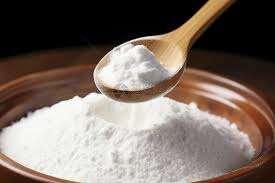
The effectiveness of food preservation strategies directly impacts product shelf life and consumer safety, making the selection of appropriate preservation compounds a critical decision for manufacturers across diverse industries. Understanding how blending phosphates series function as multifunctional preservation agents reveals their essential role in maintaining product stability through complex chemical mechanisms that extend far beyond simple pH adjustment.
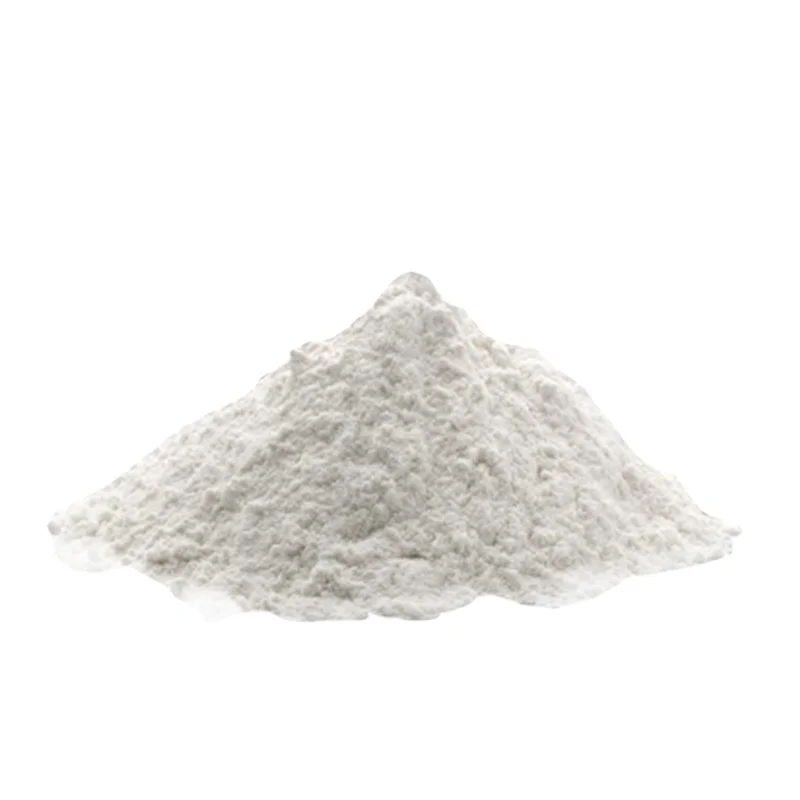
Modern food science demonstrates that blending phosphates series achieve superior preservation results through synergistic interactions between different phosphate compounds, creating protective barriers against microbial growth, oxidation, and protein degradation. These complex formulations leverage the unique properties of various phosphate types to address multiple stability challenges simultaneously, offering manufacturers a comprehensive approach to extending product shelf life while maintaining quality characteristics that consumers expect.
Chemical Mechanisms Behind Phosphate-Based Preservation
Metal Ion Chelation and Antioxidant Protection
The primary mechanism through which blending phosphates series contribute to shelf life extension involves metal ion chelation, particularly the binding of catalytic metals such as iron, copper, and manganese that accelerate oxidative reactions. These trace metals naturally present in food systems act as powerful catalysts for lipid oxidation and protein degradation, leading to rancidity, off-flavors, and nutritional losses that significantly reduce product quality and consumer acceptance.
Blending phosphates series demonstrate exceptional chelating capacity due to their multiple phosphate groups, which form stable complexes with metal ions through coordinate bonding. This chelation process effectively removes catalytic metals from the reaction environment, preventing them from participating in oxidative chain reactions that would otherwise compromise product stability. The synergistic effect of different phosphate compounds in blended formulations creates a more comprehensive chelation profile than single phosphate applications.
Research indicates that properly formulated blending phosphates series can reduce lipid oxidation rates by up to 85% compared to untreated controls, demonstrating their significant impact on preventing quality deterioration. The chelation mechanism also protects essential nutrients, particularly vitamins A, C, and E, from oxidative destruction, helping maintain nutritional value throughout the product's shelf life.
pH Buffering and Microbial Growth Inhibition
Beyond metal chelation, blending phosphates series contribute to shelf life through sophisticated pH buffering systems that maintain optimal acidity levels for product stability while creating unfavorable conditions for pathogenic and spoilage microorganisms. The buffering capacity of these compounds helps resist pH changes that naturally occur during storage, preventing the acidic or alkaline shifts that can accelerate chemical degradation reactions.
The antimicrobial effectiveness of blending phosphates series stems from their ability to disrupt bacterial cell membrane integrity and interfere with essential enzymatic processes required for microbial growth and reproduction. Different phosphate compounds within the blend target various aspects of microbial metabolism, creating multiple barriers to bacterial proliferation that enhance overall preservation effectiveness.
Laboratory studies demonstrate that blending phosphates series can extend microbial shelf life by 40-60% in typical applications, with effectiveness varying based on product composition, pH conditions, and storage temperature. This antimicrobial action occurs without the harsh effects associated with traditional chemical preservatives, making phosphate blends suitable for clean-label formulations.
Protein Structure Stabilization and Quality Maintenance
Protein Functionality Preservation
The contribution of blending phosphates series to shelf life extends beyond antimicrobial and antioxidant effects to include critical protein stabilization mechanisms that maintain functional properties throughout storage periods. Proteins in food systems are susceptible to denaturation, aggregation, and cross-linking reactions that alter texture, water-holding capacity, and overall product quality, making protein protection essential for long-term stability.
Blending phosphates series interact with protein structures through ionic bonding and electrostatic interactions that help maintain native protein conformations and prevent unwanted structural changes. These interactions create protective environments around protein molecules, reducing their susceptibility to heat-induced denaturation, pH-related unfolding, and oxidative damage that commonly occur during storage.
The protein stabilization effects of blending phosphates series are particularly evident in meat and seafood applications, where these compounds help maintain moisture retention, prevent texture degradation, and preserve the natural color characteristics that consumers associate with freshness. This protein protection directly translates to extended shelf life and improved product quality throughout the distribution chain.
Water Activity Control and Moisture Management
Effective moisture management represents another critical mechanism through which blending phosphates series contribute to product stability and shelf life extension. These compounds influence water activity levels and moisture distribution within food matrices, creating conditions that inhibit microbial growth while maintaining desired texture characteristics throughout storage periods.
The hygroscopic properties of blending phosphates series allow them to bind water molecules through hydrogen bonding and ionic interactions, effectively reducing the availability of free water that microorganisms require for growth and metabolism. This water binding effect creates a dual benefit of microbial inhibition and texture preservation, particularly important in processed meat products and prepared foods.
Research demonstrates that proper application of blending phosphates series can reduce water activity by 0.02-0.05 units, a seemingly small change that produces significant effects on microbial stability and chemical reaction rates. This moisture control mechanism works synergistically with other preservation effects to create comprehensive protection against multiple deterioration pathways.
Synergistic Effects in Multi-Component Systems
Enhanced Preservation Through Compound Interactions
The superiority of blending phosphates series over single-compound approaches lies in the synergistic interactions between different phosphate types within the formulation, creating preservation effects that exceed the sum of individual components. These synergistic relationships occur through complementary mechanisms that address various aspects of product deterioration simultaneously, providing more comprehensive protection than traditional preservation methods.
Different phosphate compounds within blending phosphates series exhibit varying affinities for specific metal ions, pH ranges, and protein structures, allowing formulators to create customized preservation profiles for specific applications. Short-chain phosphates provide immediate chelation effects, while longer-chain compounds offer sustained protection and enhanced protein interactions, creating a temporal preservation profile that maintains effectiveness throughout storage.
The interaction between various phosphate compounds also influences their distribution within product matrices, ensuring uniform preservation effects throughout the entire food system rather than localized protection. This comprehensive distribution helps prevent the development of spoilage zones that can compromise overall product integrity and shelf life.
Temperature Stability and Storage Resilience
Blending phosphates series demonstrate exceptional stability across temperature fluctuations commonly encountered during distribution and storage, maintaining their preservation effectiveness even under challenging conditions that would compromise other preservation systems. This temperature resilience directly contributes to extended shelf life by ensuring consistent protection regardless of storage environment variations.
The thermal stability of blending phosphates series stems from their robust chemical structures that resist decomposition at typical food storage temperatures while maintaining their functional properties. Unlike organic preservatives that may degrade or volatilize under temperature stress, phosphate compounds retain their chelating, buffering, and antimicrobial capabilities throughout extended storage periods.
Field studies indicate that products preserved with blending phosphates series maintain quality characteristics and safety parameters even after exposure to temperature abuse scenarios, such as temporary refrigeration failures or extended transport times. This resilience provides manufacturers and retailers with confidence in product stability throughout the entire supply chain.
Application-Specific Benefits and Industry Impact
Processed Meat and Seafood Applications
In processed meat and seafood applications, blending phosphates series deliver particularly significant contributions to shelf life through their combined effects on protein functionality, moisture retention, and microbial control. These applications represent some of the most challenging preservation scenarios due to high protein content, neutral pH conditions, and susceptibility to both oxidative and microbial spoilage.
The protein-stabilizing effects of blending phosphates series help maintain the natural texture and juiciness that consumers expect from high-quality meat products, while simultaneously preventing the protein degradation that leads to off-flavors and quality deterioration. This dual benefit allows manufacturers to extend shelf life without compromising the sensory characteristics that drive consumer satisfaction and repeat purchases.
Studies in commercial meat processing facilities demonstrate that proper application of blending phosphates series can extend refrigerated shelf life by 7-14 days compared to untreated controls, providing significant value throughout the distribution chain. This extension allows for expanded market reach, reduced waste, and improved inventory management for retailers and foodservice operators.
Dairy and Beverage Preservation
The application of blending phosphates series in dairy and beverage products focuses primarily on preventing protein precipitation, maintaining emulsion stability, and controlling pH changes that can affect both safety and quality parameters. These applications require careful formulation to achieve preservation benefits without affecting taste, appearance, or nutritional characteristics.
In dairy systems, blending phosphates series help stabilize casein proteins against heat-induced aggregation and prevent the formation of sediments that compromise product appearance and consumer acceptance. The chelation of calcium and magnesium ions also prevents interactions that can destabilize emulsions and affect texture characteristics throughout shelf life.
Beverage applications benefit from the antioxidant protection provided by blending phosphates series, particularly in preventing vitamin degradation and maintaining color stability in fortified products. The pH buffering capacity helps maintain optimal acidity levels that preserve flavor profiles while creating unfavorable conditions for spoilage organisms that could compromise safety or quality.
FAQ
How do blending phosphates series differ from single phosphate preservatives in terms of shelf life benefits?
Blending phosphates series provide superior shelf life benefits compared to single phosphate preservatives through synergistic interactions between different phosphate compounds that create comprehensive protection against multiple deterioration pathways. While single phosphates may excel in specific applications, blended formulations offer broader spectrum preservation effects, enhanced stability under varying conditions, and more consistent performance across different product matrices and storage environments.
What factors determine the optimal concentration of blending phosphates series for maximum shelf life extension?
The optimal concentration of blending phosphates series depends on product composition, pH conditions, expected storage temperature, target shelf life, and regulatory limitations in specific markets. Generally, concentrations range from 0.1% to 0.5% by weight, with higher concentrations providing enhanced preservation effects but potentially affecting taste or regulatory compliance. Product testing and shelf life studies are essential for determining the most effective concentration for specific applications.
Can blending phosphates series be combined with other preservation methods for enhanced shelf life results?
Yes, blending phosphates series work synergistically with other preservation methods including modified atmosphere packaging, natural antioxidants, organic acids, and traditional preservatives to create comprehensive preservation systems. These combinations often allow for reduced concentrations of individual preservation components while achieving superior overall shelf life results. However, compatibility testing is essential to ensure that combined preservation methods do not interact negatively or affect product quality characteristics.
How do storage conditions affect the preservation effectiveness of blending phosphates series?
Storage conditions significantly influence the preservation effectiveness of blending phosphates series, with temperature, humidity, and packaging atmosphere all playing critical roles in determining shelf life outcomes. Refrigerated storage temperatures enhance the antimicrobial effects while reducing chemical reaction rates, while proper packaging prevents moisture loss and oxidative exposure that could compromise preservation effectiveness. Controlled atmosphere storage can further extend the benefits provided by blending phosphates series through reduced oxygen exposure and optimized gas compositions.
Table of Contents
- Chemical Mechanisms Behind Phosphate-Based Preservation
- Protein Structure Stabilization and Quality Maintenance
- Synergistic Effects in Multi-Component Systems
- Application-Specific Benefits and Industry Impact
-
FAQ
- How do blending phosphates series differ from single phosphate preservatives in terms of shelf life benefits?
- What factors determine the optimal concentration of blending phosphates series for maximum shelf life extension?
- Can blending phosphates series be combined with other preservation methods for enhanced shelf life results?
- How do storage conditions affect the preservation effectiveness of blending phosphates series?