 EN
EN

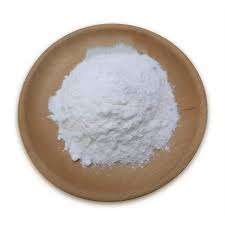
Modern food production faces an ongoing challenge of extending shelf life while meeting consumer demands for natural ingredients and clean-label products. As manufacturers seek alternatives to synthetic preservatives, nisin has emerged as a powerful solution that bridges the gap between food safety requirements and natural preservation methods. This bacteriocin offers unique antimicrobial properties that make it particularly valuable in today's competitive food landscape where both safety and naturalness are paramount.
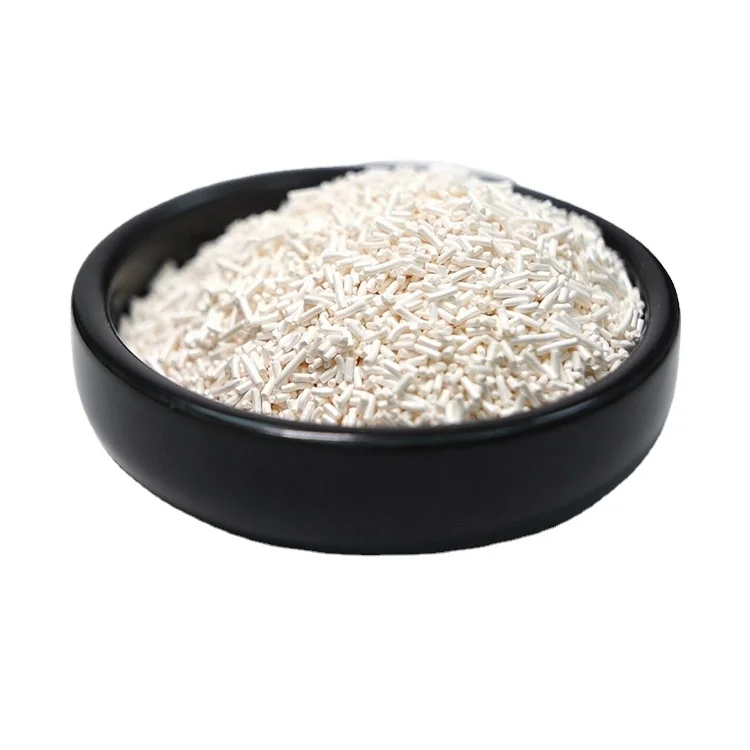
Understanding how nisin functions as a natural preservative requires examining its biological origins, mechanism of action, and specific applications across various food categories. This naturally occurring antimicrobial compound demonstrates remarkable effectiveness against gram-positive bacteria while maintaining its status as a clean-label ingredient, making it an essential component in modern food preservation strategies that prioritize both efficacy and consumer acceptance.
The Natural Origin and Structure of Nisin
Bacteriocin Production and Natural Occurrence
Nisin represents a unique class of natural preservatives known as bacteriocins, which are antimicrobial peptides produced by certain bacteria as part of their natural defense mechanisms. Specifically, nisin is produced by Lactococcus lactis, a lactic acid bacterium commonly found in dairy environments and fermented foods. This natural production process distinguishes nisin from synthetic preservatives, as it emerges from a biological fermentation process rather than chemical synthesis.
The production of nisin occurs when Lactococcus lactis strains synthesize this peptide during their normal metabolic processes. Food manufacturers harvest nisin through controlled fermentation, where these beneficial bacteria are cultivated under specific conditions to maximize bacteriocin production. This natural origin allows nisin to qualify for clean-label formulations and meets the growing consumer preference for naturally-derived food ingredients.
The molecular structure of nisin consists of 34 amino acids arranged in a specific configuration that includes several unusual amino acids not commonly found in proteins. These unique structural elements, including lanthionine and methyllanthionine residues, contribute significantly to nisin's antimicrobial activity and stability under various food processing conditions.
Regulatory Status and Safety Profile
Food safety authorities worldwide have extensively evaluated nisin and granted it approved status for food preservation applications. The FDA recognizes nisin as Generally Recognized as Safe (GRAS), while the European Food Safety Authority has established specific usage guidelines for various food categories. This regulatory approval reflects comprehensive safety assessments that demonstrate nisin's long history of safe consumption through naturally fermented foods.
The safety profile of nisin extends beyond regulatory approval to include its behavior in the human digestive system. When consumed, nisin is rapidly degraded by digestive enzymes, particularly pancreatic enzymes, which break down the peptide into harmless amino acids. This natural degradation process eliminates concerns about accumulation or adverse effects associated with some synthetic preservatives.
International food standards organizations, including Codex Alimentarius, have established maximum usage levels for nisin in different food categories, ensuring both effectiveness and safety. These guidelines help food manufacturers implement nisin appropriately while maintaining compliance with global food safety standards.
Antimicrobial Mechanism and Target Specificity
Membrane Disruption and Bacterial Inhibition
The antimicrobial action of nisin operates through a sophisticated mechanism that primarily targets the cell membranes of susceptible bacteria. Nisin binds to lipid II, a crucial precursor molecule in bacterial cell wall synthesis, effectively disrupting the construction of peptidoglycan layers that provide structural integrity to bacterial cells. This binding action prevents normal cell wall formation and compromises the protective barrier that bacteria require for survival.
Beyond cell wall interference, nisin creates pores in bacterial membranes, leading to rapid cell death through the loss of essential cellular contents. These membrane pores allow critical ions and small molecules to leak from bacterial cells, disrupting the osmotic balance and energy production systems necessary for bacterial viability. This dual mechanism makes nisin particularly effective against target microorganisms while reducing the likelihood of resistance development.
The specificity of nisin action primarily targets gram-positive bacteria, including many dangerous foodborne pathogens such as Listeria monocytogenes, Staphylococcus aureus, and Clostridium botulinum. This selective activity proves advantageous in food applications where beneficial microorganisms, particularly gram-negative bacteria used in fermentation processes, remain largely unaffected by nisin treatment.
Synergistic Effects and Enhanced Preservation
Modern food preservation strategies often combine nisin with other natural preservation methods to achieve enhanced antimicrobial effects through synergistic interactions. When paired with organic acids, essential oils, or other bacteriocins, nisin demonstrates improved effectiveness against a broader spectrum of microorganisms while allowing for reduced individual preservative concentrations.
Temperature and pH conditions significantly influence nisin activity, with optimal performance occurring in slightly acidic environments commonly found in many processed foods. This pH dependency allows food technologists to design preservation systems that maximize nisin effectiveness while maintaining desired product characteristics. Heat treatment can also enhance nisin penetration into bacterial cells, making thermal processing and nisin application complementary preservation techniques.
The combination of nisin with hurdle technology approaches creates multiple barriers to microbial growth, significantly improving food safety margins while maintaining natural preservation principles. These synergistic strategies enable manufacturers to achieve preservation goals that might otherwise require synthetic preservatives or more aggressive processing conditions.
Applications Across Food Categories
Dairy Products and Fermented Foods
Dairy products represent one of the most established application areas for nisin in food preservation, building on its natural occurrence in traditional cheese-making environments. In processed cheese products, nisin effectively controls spoilage bacteria while allowing beneficial lactic acid bacteria to continue their desired fermentation activities. This selective action helps maintain product quality while extending shelf life in refrigerated distribution systems.
Yogurt and other cultured dairy products benefit from nisin addition through enhanced protection against post-fermentation contamination that could compromise product safety or sensory qualities. The antimicrobial activity of nisin helps maintain the delicate balance of beneficial microorganisms while preventing the growth of pathogenic or spoilage species that might enter during processing or packaging operations.
Fermented beverages, including certain alcoholic and non-alcoholic options, utilize nisin to control unwanted bacterial growth during or after fermentation processes. This application proves particularly valuable in products where traditional thermal pasteurization might damage desired flavors or nutritional components, allowing manufacturers to achieve microbial safety through natural preservation methods.
Meat and Poultry Products
The meat processing industry has increasingly adopted nisin for controlling dangerous pathogens, particularly Listeria monocytogenes, which poses significant risks in ready-to-eat meat products. Nisin application in deli meats, sausages, and other processed meat products provides an additional safety barrier that complements existing preservation methods while meeting clean-label requirements demanded by health-conscious consumers.
Poultry products benefit from nisin treatment through reduced microbial loads and extended shelf life, particularly important given the perishable nature of these protein sources. The natural preservation approach aligns with consumer preferences for minimally processed foods while maintaining the safety standards required for modern food distribution systems.
Cured and smoked meat products incorporate nisin as part of comprehensive preservation systems that may include traditional curing salts, natural smoke components, and controlled moisture levels. This integration allows manufacturers to optimize preservation effectiveness while potentially reducing reliance on synthetic additives in traditional preservation formulations.
Processing Considerations and Implementation
Formulation Strategies and Dosage Optimization
Successful implementation of nisin in food production requires careful consideration of formulation parameters that influence its stability and effectiveness. The concentration of nisin must be optimized based on target microorganisms, food matrix characteristics, and intended shelf life requirements. Food technologists typically conduct challenge studies to determine minimum effective concentrations while ensuring regulatory compliance and cost efficiency.
Solubility considerations play a crucial role in nisin formulation, as this antimicrobial peptide demonstrates better activity in aqueous systems compared to high-fat or oil-based products. Manufacturers often employ specialized delivery systems or formulation techniques to enhance nisin distribution and activity in challenging food matrices, ensuring uniform protection throughout the product.
Timing of nisin addition during processing affects its ultimate effectiveness, with some applications benefiting from early addition during mixing stages while others achieve better results through surface application or packaging-integrated delivery systems. Understanding these processing variables allows manufacturers to maximize preservation benefits while maintaining production efficiency and product quality standards.
Quality Control and Monitoring Systems
Effective quality control systems for nisin-preserved foods require analytical methods that can accurately measure antimicrobial activity throughout product shelf life. These monitoring protocols help ensure that preservation systems maintain effectiveness under normal storage and distribution conditions while verifying compliance with established safety margins.
Stability testing protocols evaluate how nisin activity changes under various environmental conditions, including temperature fluctuations, pH variations, and interaction with other food ingredients. This information guides formulation decisions and helps establish appropriate expiration dates that reflect actual preservation performance rather than conservative estimates.
Sensory evaluation programs assess how nisin incorporation affects product taste, texture, and appearance characteristics. While nisin generally demonstrates minimal impact on sensory properties at effective preservation levels, systematic evaluation ensures that preservation benefits do not compromise consumer acceptance or product marketability.
Future Developments and Innovation Opportunities
Enhanced Delivery Systems and Targeted Applications
Emerging technologies in food packaging and controlled release systems offer new opportunities for optimizing nisin effectiveness in food preservation applications. Antimicrobial packaging films incorporating nisin provide sustained release of preservative activity directly at food surfaces where microbial contamination typically initiates, potentially improving preservation efficiency while reducing total preservative usage.
Encapsulation technologies protect nisin from degradation during processing while enabling controlled release under specific trigger conditions such as temperature changes or pH shifts. These advanced delivery systems expand the potential applications for nisin in foods that previously presented formulation challenges, opening new market opportunities for natural preservation solutions.
Nanotechnology applications explore how engineered delivery vehicles might enhance nisin penetration into complex food matrices or provide protection against harsh processing conditions. While still in development stages, these innovations could significantly expand the utility of nisin in challenging preservation applications while maintaining its natural ingredient status.
Regulatory Evolution and Market Expansion
Ongoing regulatory developments continue to expand approved applications for nisin in food preservation, reflecting growing scientific understanding of its safety and effectiveness. New usage categories under consideration by food safety authorities could open additional market opportunities while supporting the broader trend toward natural preservation solutions in food manufacturing.
International harmonization efforts aim to standardize nisin regulations across different markets, facilitating global trade in nisin-preserved foods while ensuring consistent safety standards. These regulatory improvements support food manufacturers developing products for international distribution while maintaining natural preservation approaches.
Consumer education initiatives help build awareness of nisin as a natural preservative option, supporting market acceptance of products featuring this antimicrobial peptide. As consumer understanding of food preservation science improves, demand for naturally-preserved products utilizing ingredients like nisin continues to grow across diverse food categories.
FAQ
What makes nisin different from synthetic food preservatives?
Nisin differs from synthetic preservatives primarily through its natural biological origin as a bacteriocin produced by beneficial bacteria during fermentation processes. Unlike chemically synthesized preservatives, nisin is completely biodegradable and breaks down into harmless amino acids when consumed, making it suitable for clean-label formulations that meet consumer preferences for natural ingredients.
Can nisin be used in organic food products?
The acceptability of nisin in organic food products depends on specific organic certification standards, which vary by certifying organization and geographic region. While nisin is naturally derived, some organic standards may have restrictions on bacteriocins produced through commercial fermentation processes. Food manufacturers should consult with their organic certifiers to determine compliance requirements for specific applications.
How does nisin interact with other food preservation methods?
Nisin works synergistically with many traditional food preservation methods, including refrigeration, controlled atmosphere packaging, and acidification. These combinations often allow for reduced preservative concentrations while achieving enhanced antimicrobial effects. However, nisin may be less effective in high-pH environments or when combined with certain chelating agents that interfere with its mechanism of action.
What are the limitations of using nisin as a food preservative?
The primary limitation of nisin is its narrow antimicrobial spectrum, being most effective against gram-positive bacteria while showing limited activity against gram-negative bacteria, yeasts, and molds. Additionally, nisin effectiveness can be reduced in high-fat foods, alkaline conditions, or when certain food ingredients interfere with its antimicrobial mechanism, requiring careful formulation consideration for optimal preservation results.