 EN
EN

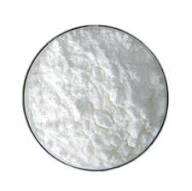
Nisin stands as one of the most effective natural antimicrobial agents available for food preservation, offering unique advantages that have revolutionized how food manufacturers approach safety and shelf life extension. This naturally occurring bacteriocin possesses remarkable properties that enable it to combat harmful bacteria while maintaining the nutritional integrity and sensory qualities of food products. Understanding the specific advantages of nisin reveals why this peptide has become indispensable in modern food preservation strategies across diverse applications from dairy products to processed meats.
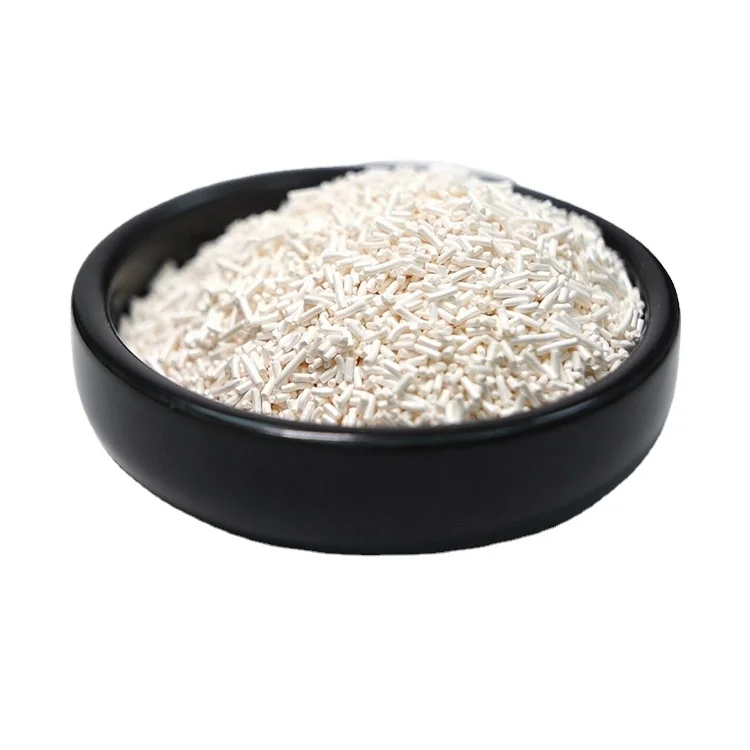
The effectiveness of nisin for food safety stems from its unique mechanism of action and natural origin, which provides multiple layers of protection against pathogenic bacteria. Unlike synthetic preservatives, nisin offers targeted antimicrobial activity that specifically inhibits gram-positive bacteria responsible for food spoilage and foodborne illnesses. This selectivity, combined with its proven safety profile and consumer acceptance, positions nisin as a superior choice for manufacturers seeking to enhance product safety while meeting clean label demands.
Natural Antimicrobial Mechanism and Broad Spectrum Activity
Peptide Structure and Target Specificity
Nisin demonstrates exceptional effectiveness through its unique polypeptide structure, which enables precise targeting of bacterial cell walls. This bacteriocin consists of 34 amino acids arranged in a specific configuration that allows it to bind to lipid II, a crucial component in bacterial cell wall synthesis. The binding mechanism creates pores in the bacterial membrane, leading to rapid cell death in susceptible organisms. This targeted approach ensures that nisin effectively eliminates harmful bacteria while preserving beneficial microorganisms that contribute to food quality.
The specificity of nisin action provides significant advantages in food applications where maintaining certain bacterial populations is desirable. Unlike broad-spectrum antibiotics or harsh chemical preservatives, nisin selectively targets pathogenic and spoilage bacteria without disrupting the entire microbial ecosystem. This selectivity proves particularly valuable in fermented foods, where beneficial bacteria contribute to flavor development and nutritional enhancement.
Resistance to Heat and pH Variations
Nisin exhibits remarkable stability under various processing conditions, making it suitable for diverse food manufacturing environments. The peptide maintains its antimicrobial activity across a wide pH range, with optimal effectiveness in acidic conditions commonly found in many food products. This pH stability allows nisin to function effectively in products ranging from acidic fruit juices to neutral pH dairy products, providing consistent protection throughout different food categories.
Heat stability represents another crucial advantage that enables nisin to withstand common food processing procedures without losing effectiveness. The bacteriocin remains active through pasteurization temperatures and maintains significant activity even after exposure to higher heat treatments. This thermal stability ensures that nisin protection continues throughout the entire manufacturing process, from initial formulation through final packaging, providing continuous antimicrobial coverage that extends shelf life significantly.
Safety Profile and Regulatory Acceptance
GRAS Status and International Approval
Nisin holds Generally Recognized as Safe (GRAS) status from the FDA and enjoys approval from regulatory agencies worldwide, reflecting its exceptional safety profile for human consumption. Extensive toxicological studies have demonstrated that nisin poses no adverse health effects when consumed at approved levels, making it one of the safest preservatives available to food manufacturers. This regulatory acceptance facilitates global product distribution and eliminates many of the safety concerns associated with synthetic preservatives.
The natural origin of nisin contributes significantly to its regulatory acceptance and consumer appeal. Produced through fermentation by Lactococcus lactis bacteria, nisin represents a biotechnological approach to food preservation that aligns with clean label trends. This natural production method eliminates concerns about synthetic chemical residues while providing effective antimicrobial protection that meets stringent food safety standards.
Digestibility and Metabolic Processing
Human digestive enzymes readily break down nisin into constituent amino acids, ensuring complete metabolism and elimination from the body. This rapid degradation means that nisin does not accumulate in tissues or interfere with normal physiological processes, distinguishing it from synthetic preservatives that may persist in the body. The digestibility of nisin provides additional safety assurance for long-term consumption, making it suitable for daily-use food products.
Clinical studies have confirmed that nisin consumption does not disrupt the normal gut microbiome or interfere with digestive function. The bacteriocin's selectivity for gram-positive bacteria means it does not significantly impact beneficial gut bacteria, preserving the microbial balance essential for digestive health. This selective action provides preservation benefits without compromising consumer health, supporting the use of nisin in products intended for regular consumption.
Shelf Life Extension Capabilities
Spoilage Bacteria Inhibition
Nisin effectively controls key spoilage bacteria that limit food shelf life, including Bacillus and Clostridium species that form heat-resistant spores. These spore-forming bacteria represent particular challenges in food preservation because they survive standard thermal processing and can germinate during storage, causing product deterioration. Nisin addresses this challenge by inhibiting spore outgrowth, preventing the development of spoilage conditions that reduce product quality and safety.
The antimicrobial activity of nisin extends beyond vegetative bacteria to include spore inhibition, providing comprehensive protection against the most persistent forms of bacterial contamination. This dual action against both active bacteria and dormant spores ensures extended shelf life even under challenging storage conditions. Products treated with nisin maintain quality characteristics longer than those preserved with conventional methods, reducing waste and improving economic efficiency for manufacturers and retailers.
Synergistic Preservation Effects
Nisin demonstrates enhanced effectiveness when combined with other preservation methods, creating synergistic effects that amplify shelf life extension. The combination of nisin with mild heat treatment, controlled atmosphere packaging, or other natural preservatives produces preservation effects greater than the sum of individual components. This synergy allows manufacturers to reduce preservative concentrations while maintaining or improving preservation effectiveness.
Temperature control amplifies nisin effectiveness, with refrigeration temperatures enhancing the bacteriocin's antimicrobial activity and extending its protective duration. This temperature synergy enables manufacturers to achieve extended shelf life with lower nisin concentrations, reducing costs while maintaining product safety. The combination approach supports clean label initiatives by minimizing total preservative use while maximizing protection against spoilage and pathogenic bacteria.
Application Versatility and Processing Compatibility
Multi-Product Category Application
Nisin exhibits remarkable versatility across diverse food categories, from dairy products and processed meats to beverages and baked goods. This broad applicability stems from the bacteriocin's stability under various processing conditions and its compatibility with different food matrices. Manufacturers can standardize on nisin across multiple product lines, simplifying procurement and quality control while ensuring consistent preservation performance.
The effectiveness of nisin remains consistent across different product formulations, pH levels, and processing requirements, making it adaptable to existing manufacturing protocols. This compatibility reduces the need for process modifications or equipment changes, facilitating smooth integration into current production systems. The versatility of nisin supports product line expansion and new product development without requiring extensive preservation system redesign.
Manufacturing Process Integration
Nisin integrates seamlessly into standard food manufacturing processes without requiring specialized handling or storage conditions. The bacteriocin remains stable in solution, maintains activity during mixing and processing, and distributes evenly throughout product matrices. This processing compatibility eliminates bottlenecks and simplifies production scheduling while ensuring uniform preservation throughout the final product.
Quality control procedures for nisin-preserved products align with standard testing protocols, requiring no specialized analytical equipment or training. The established nature of nisin testing methods enables manufacturers to implement robust quality assurance programs that verify preservation effectiveness while maintaining production efficiency. This integration capability supports seamless adoption of nisin preservation systems without disrupting established quality control frameworks.
Economic and Sustainability Benefits
Cost-Effective Preservation Solution
Nisin provides exceptional preservation effectiveness at relatively low use concentrations, making it cost-competitive with synthetic preservatives while offering superior performance characteristics. The high potency of nisin means that small quantities deliver significant antimicrobial effects, reducing ingredient costs and minimizing impact on product formulations. This efficiency translates to favorable economics for manufacturers while providing enhanced protection for consumers.
Extended shelf life achieved through nisin preservation reduces waste throughout the supply chain, creating additional economic value beyond direct ingredient costs. Products with longer shelf life experience reduced spoilage losses, improved inventory management, and enhanced distribution flexibility. These secondary benefits often exceed the direct costs of nisin, providing compelling economic justification for adoption across diverse food categories.
Environmental Impact Considerations
The production of nisin through fermentation represents an environmentally sustainable approach to preservation that minimizes ecological impact compared to synthetic chemical manufacturing. Fermentation-based production utilizes renewable biological resources and generates minimal waste products, supporting environmental stewardship goals while providing effective preservation capabilities. This sustainability profile aligns with corporate responsibility initiatives and consumer preferences for environmentally conscious products.
Reduced food waste resulting from extended shelf life contributes to overall sustainability by decreasing the environmental burden associated with food production, transportation, and disposal. Products preserved with nisin maintain quality longer, reducing the frequency of disposal due to spoilage and supporting more efficient resource utilization throughout the food system. This waste reduction represents a significant environmental benefit that extends beyond the immediate preservation application.
FAQ
How does nisin differ from other natural preservatives in terms of effectiveness?
Nisin distinguishes itself from other natural preservatives through its specific mechanism of action against gram-positive bacteria and its exceptional heat stability. Unlike organic acids or essential oils that may affect food taste or require high concentrations, nisin provides targeted antimicrobial activity at low use levels without altering sensory characteristics. The bacteriocin's ability to inhibit spore formation and germination sets it apart from preservatives that only affect vegetative bacteria, providing superior long-term protection against spoilage.
What concentration levels of nisin are typically required for effective food preservation?
Effective nisin concentrations typically range from 2.5 to 25 ppm (parts per million) depending on the specific food application and target bacteria. Dairy products often require concentrations in the lower range, while processed meats may need higher levels to achieve optimal preservation. The exact concentration needed depends on factors including product pH, storage temperature, target shelf life, and the presence of other preservation methods that may work synergistically with nisin.
Can nisin be used in organic food products and maintain organic certification?
Yes, nisin is approved for use in organic food products under most organic certification standards, including USDA Organic regulations. The natural fermentation-based production process and the bacteriocin's status as a naturally occurring substance make it compatible with organic certification requirements. However, manufacturers should verify specific organic standards and certification requirements with their certifying bodies, as regulations may vary by region and specific organic certification programs.
Does nisin effectiveness vary with different storage conditions and temperatures?
Nisin effectiveness is enhanced under refrigerated conditions and may decrease at elevated storage temperatures over extended periods. The bacteriocin maintains good activity at typical ambient storage temperatures but shows optimal performance and stability when products are kept refrigerated. pH levels also influence nisin activity, with acidic conditions generally supporting better antimicrobial effectiveness. Manufacturers should consider these factors when determining appropriate nisin concentrations for specific storage and distribution conditions.
Table of Contents
- Natural Antimicrobial Mechanism and Broad Spectrum Activity
- Safety Profile and Regulatory Acceptance
- Shelf Life Extension Capabilities
- Application Versatility and Processing Compatibility
- Economic and Sustainability Benefits
-
FAQ
- How does nisin differ from other natural preservatives in terms of effectiveness?
- What concentration levels of nisin are typically required for effective food preservation?
- Can nisin be used in organic food products and maintain organic certification?
- Does nisin effectiveness vary with different storage conditions and temperatures?