 EN
EN

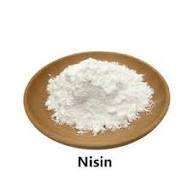
The food industry is experiencing an unprecedented shift toward clean label products, driven by increasingly health-conscious consumers who scrutinize ingredient lists and demand transparency in food manufacturing. As food manufacturers navigate this challenging landscape, they must balance consumer expectations for natural, recognizable ingredients with the fundamental need to ensure food safety and extend shelf life. This transformation has created a unique opportunity for natural preservatives like nisin to play a pivotal role in meeting clean label requirements while maintaining product integrity and safety standards.
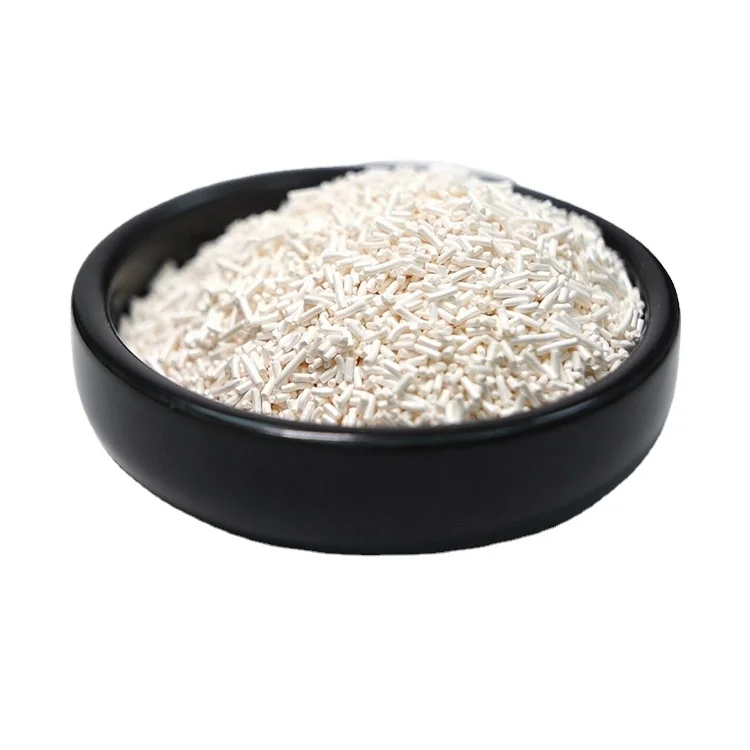
Among the various natural preservation solutions available to food manufacturers, nisin stands out as a bacteriocin that perfectly aligns with clean label initiatives while delivering proven antimicrobial efficacy. This naturally produced peptide offers food companies a scientifically validated pathway to reformulate products without compromising on safety or shelf life, addressing the core challenge of modern food production where consumer preferences and regulatory requirements must be satisfied simultaneously.
Understanding Clean Label Movement and Natural Preservation Needs
Defining Clean Label Criteria in Modern Food Manufacturing
Clean label products are characterized by ingredient lists that consumers can easily recognize and pronounce, with minimal processing and artificial additives. This movement represents more than a marketing trend; it reflects a fundamental shift in consumer behavior where transparency and naturalness have become primary purchasing drivers. Food manufacturers must now navigate strict criteria that include using ingredients with familiar names, avoiding synthetic chemicals, and maintaining clear, simple formulations that align with consumer expectations of wholesome food products.
The clean label movement extends beyond ingredient selection to encompass production methods, sourcing practices, and overall product philosophy. Manufacturers implementing clean label strategies must consider how each ingredient contributes to the product's story and consumer perception. Nisin fits seamlessly into this framework as a naturally occurring antimicrobial peptide that consumers can understand as a product of fermentation rather than synthetic chemistry, making it an ideal choice for brands committed to clean label formulations.
Challenges of Replacing Synthetic Preservatives
Traditional synthetic preservatives have provided food manufacturers with reliable, cost-effective preservation solutions for decades, but their replacement presents significant technical challenges. Synthetic preservatives often offer broad-spectrum antimicrobial activity, predictable performance characteristics, and established regulatory pathways that natural alternatives must match or exceed. The transition to clean label preservation requires careful evaluation of antimicrobial efficacy, stability under various processing conditions, and compatibility with existing formulations while maintaining the same level of food safety assurance.
Food manufacturers face the complex task of reformulating products to achieve equivalent preservation performance using natural alternatives like nisin while managing potential impacts on taste, texture, appearance, and cost structure. This transition often requires extensive research and development efforts, including shelf life studies, sensory evaluations, and regulatory compliance verification to ensure that clean label reformulations meet both consumer expectations and food safety standards without compromising product quality or marketability.
Nisin's Natural Origin and Regulatory Status
Bacteriocin Production Through Natural Fermentation
Nisin is produced naturally by Lactococcus lactis, a lactic acid bacteria commonly found in dairy environments and used in traditional food fermentation processes for centuries. This bacteriocin represents a sophisticated natural defense mechanism that bacteria have evolved to compete with other microorganisms in their environment. The production process involves controlled fermentation where Lactococcus lactis cultures produce nisin as a secondary metabolite, creating a natural antimicrobial compound that can be harvested and purified for commercial food applications.
The fermentation-based production of nisin aligns perfectly with clean label principles because it leverages traditional biotechnology processes that consumers associate with natural food production. Unlike synthetic preservatives manufactured through chemical synthesis, nisin production occurs through biological processes similar to those used in yogurt, cheese, and other fermented foods that consumers readily accept as natural and wholesome. This production method creates a compelling narrative for food brands seeking to communicate naturalness and traditional food science approaches to their customers.
Global Regulatory Acceptance and Safety Profile
Nisin enjoys widespread regulatory approval across major food markets, including recognition as Generally Recognized as Safe (GRAS) by the FDA, approval as a food additive by the European Food Safety Authority, and acceptance in numerous other international markets. This extensive regulatory validation reflects decades of safety research and real-world application data demonstrating nisin's safety profile when used according to established guidelines. The regulatory status of nisin provides food manufacturers with confidence in its safety and legal compliance across diverse markets.
The safety profile of nisin is enhanced by its natural degradation in the human digestive system, where it is broken down by proteolytic enzymes into harmless amino acids that are naturally processed by the body. This digestibility characteristic distinguishes nisin from synthetic preservatives that may accumulate or require specific metabolic pathways for elimination. The combination of regulatory acceptance and favorable safety characteristics makes nisin an attractive option for food manufacturers committed to clean label formulations while maintaining rigorous food safety standards.
Antimicrobial Efficacy and Food Safety Applications
Mechanism of Action Against Foodborne Pathogens
Nisin demonstrates potent antimicrobial activity against gram-positive bacteria through a unique mechanism that involves binding to lipid II, a crucial component in bacterial cell wall synthesis. This binding disrupts cell wall formation and creates pores in the bacterial membrane, leading to cell death through osmotic lysis. The specificity of nisin's action against gram-positive bacteria makes it particularly effective against dangerous foodborne pathogens such as Listeria monocytogenes, Staphylococcus aureus, and Clostridium botulinum, which pose significant risks in various food products.
The antimicrobial mechanism of nisin operates independently of traditional antibiotic resistance pathways, providing food manufacturers with a preservation tool that remains effective even against antibiotic-resistant bacterial strains. This characteristic is particularly valuable in the current global context where antibiotic resistance represents a growing public health concern. Nisin's natural mode of action offers food manufacturers a scientifically robust preservation solution that supports both food safety objectives and clean label marketing strategies while addressing contemporary concerns about antimicrobial resistance.
Synergistic Effects with Other Natural Preservatives
Nisin exhibits enhanced antimicrobial activity when combined with other natural preservation systems, creating opportunities for food manufacturers to develop comprehensive clean label preservation strategies. Combinations of nisin with organic acids, essential oils, natural antioxidants, and other bacteriocins can produce synergistic effects that extend antimicrobial spectrum and improve overall preservation efficacy. These natural preservation systems allow manufacturers to achieve preservation performance equivalent to synthetic preservatives while maintaining clean label compliance.
The synergistic potential of nisin enables food manufacturers to customize preservation systems based on specific product requirements, target microorganisms, and processing conditions. For example, combining nisin with lysozyme can extend antimicrobial activity to include some gram-negative bacteria, while pairing nisin with natural organic acids can enhance preservation in low-acid food products. This flexibility in application design supports clean label reformulation efforts by providing multiple pathways to achieve desired preservation outcomes using exclusively natural ingredients.
Implementation Strategies for Clean Label Formulations
Dosage Optimization and Formulation Considerations
Successful implementation of nisin in clean label formulations requires careful optimization of dosage levels to achieve desired antimicrobial efficacy while minimizing potential impacts on product sensory characteristics. Nisin concentrations typically range from 2.5 to 25 parts per million depending on the specific application, target microorganisms, and product matrix characteristics. Food manufacturers must conduct comprehensive formulation studies to determine optimal nisin levels that provide adequate preservation without affecting taste, appearance, or texture properties that consumers expect.
Formulation considerations for nisin include pH compatibility, heat stability during processing, and potential interactions with other ingredients that might affect antimicrobial activity. Nisin demonstrates optimal stability and activity in slightly acidic conditions, making it particularly suitable for products with pH levels below 7.0. Understanding these formulation parameters enables food manufacturers to maximize nisin effectiveness while ensuring compatibility with existing production processes and ingredient systems used in clean label product development.
Processing Integration and Stability Factors
Integration of nisin into food processing operations requires consideration of thermal processing conditions, mixing procedures, and storage requirements that maintain antimicrobial potency throughout the product lifecycle. Nisin demonstrates good thermal stability under typical food processing conditions, but extreme heat treatments may reduce activity levels, necessitating adjustment of application rates or timing of addition during manufacturing. Proper integration strategies ensure that nisin maintains effectiveness from production through final consumption while supporting clean label objectives.
Processing considerations also include the timing of nisin addition, mixing requirements to ensure uniform distribution, and compatibility with packaging materials that maintain product integrity. Food manufacturers implementing nisin in clean label formulations must validate processing procedures to confirm that antimicrobial activity is preserved throughout manufacturing, storage, and distribution. This validation process supports both food safety assurance and clean label marketing claims by demonstrating that natural preservation systems perform effectively under real-world production conditions.
Market Applications and Industry Success Stories
Dairy and Cheese Products
The dairy industry represents one of the most successful application areas for nisin in clean label formulations, particularly in cheese products where natural preservation aligns with traditional production methods and consumer expectations. Nisin effectively controls Listeria monocytogenes and other gram-positive pathogens in soft cheeses, processed cheese products, and dairy-based spreads while maintaining the clean label positioning that premium dairy brands require. The natural origin of nisin resonates strongly with consumers who associate dairy products with traditional, wholesome food production methods.
Dairy manufacturers have successfully implemented nisin in various product categories, from artisanal cheese varieties to mass-market processed dairy products, demonstrating the versatility and commercial viability of this natural preservative. The success of nisin in dairy applications has created a model for other food categories seeking to transition from synthetic preservatives to clean label alternatives. These successful implementations provide valuable case studies for food manufacturers evaluating nisin for their own clean label reformulation projects.
Processed Meat and Ready-to-Eat Products
Processed meat products present significant preservation challenges due to their protein-rich composition and susceptibility to dangerous pathogens, making nisin an valuable tool for manufacturers transitioning to clean label formulations. Nisin provides effective control against Listeria monocytogenes in ready-to-eat meat products, deli meats, and cured sausages while supporting natural and organic positioning strategies. The antimicrobial efficacy of nisin in meat products enables manufacturers to extend shelf life and enhance food safety without relying on synthetic preservatives that conflict with clean label objectives.
The application of nisin in processed meat products often involves combination with other natural preservation systems to achieve comprehensive antimicrobial protection against both gram-positive and gram-negative pathogens. Successful implementations in the meat industry demonstrate that natural preservation systems can meet the stringent safety requirements of high-risk food categories while delivering the clean label benefits that increasingly drive consumer purchasing decisions in the premium meat product segment.
FAQ
Is nisin suitable for organic food products?
Nisin can be used in organic food products depending on specific organic certification standards and regional regulations. In many jurisdictions, nisin is approved for use in organic foods because it is naturally produced through fermentation processes. However, manufacturers should verify compliance with relevant organic certification bodies and local organic standards before implementing nisin in organic formulations, as requirements may vary between different certification programs and geographic markets.
How does nisin compare to synthetic preservatives in terms of cost?
Nisin typically costs more than traditional synthetic preservatives on a per-unit basis, but the total cost impact depends on required usage levels, product positioning, and market premium for clean label products. Many food manufacturers find that the price premium consumers pay for clean label products justifies the higher ingredient costs, while the marketing benefits and brand differentiation opportunities often provide positive return on investment that offsets the increased raw material expenses associated with natural preservation systems.
Can nisin affect the taste or texture of food products?
When used at appropriate concentrations, nisin typically has minimal impact on taste, texture, or appearance of food products. However, at higher concentrations, nisin may contribute slight bitter notes or affect mouthfeel in sensitive applications. Proper formulation development and sensory testing ensure that nisin levels provide adequate preservation while maintaining acceptable product characteristics. Most successful commercial applications demonstrate that nisin can be effectively used without noticeable sensory impact when properly formulated.
What shelf life extension can be expected with nisin?
Shelf life extension with nisin varies significantly based on product type, storage conditions, target microorganisms, and overall formulation design. Typical improvements range from 25% to 100% shelf life extension compared to unpreserved products, though results depend on specific application parameters. Food manufacturers should conduct product-specific shelf life studies to determine expected performance, as nisin effectiveness is influenced by factors such as pH, water activity, processing conditions, and the presence of other preservation systems in the final formulation.