 EN
EN

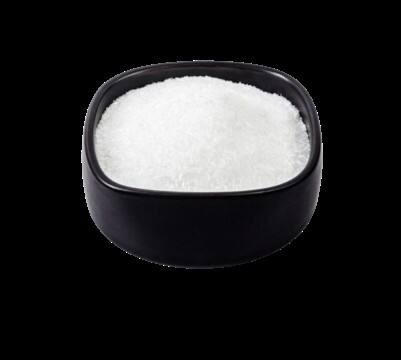
Monosodium glutamate has become an indispensable tool for food manufacturers seeking to optimize flavor development while maintaining production efficiency and cost-effectiveness. This crystalline sodium salt of glutamic acid functions as a flavor enhancer by activating umami taste receptors, allowing food processors to achieve complex flavor profiles with reduced ingredient quantities and shorter development cycles. The strategic application of monosodium glutamate in industrial food production enables manufacturers to create consistent, appealing products that meet consumer expectations while streamlining operational processes.
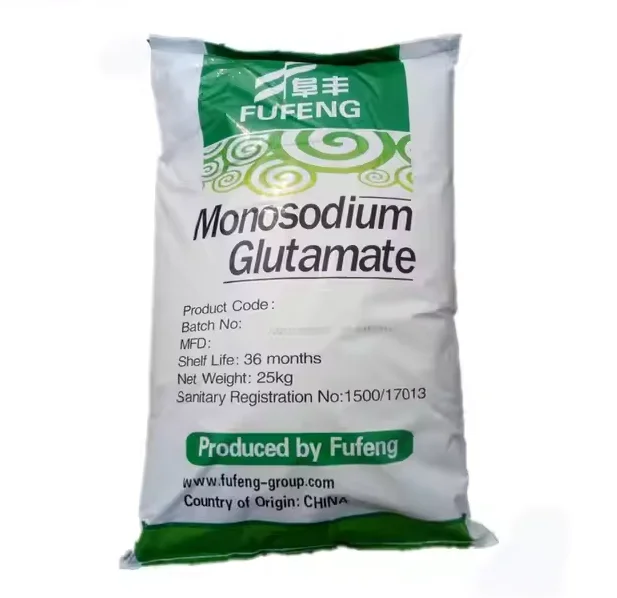
Understanding how monosodium glutamate supports efficient flavor development requires examining its molecular interaction with taste receptors and its practical applications across various food processing scenarios. Food technologists leverage the unique properties of monosodium glutamate to enhance existing flavors, reduce sodium content, mask undesirable tastes, and accelerate flavor maturation processes. This systematic approach to flavor enhancement has transformed modern food manufacturing, enabling producers to deliver high-quality products with improved sensory characteristics while optimizing production timelines and ingredient costs.
The Scientific Foundation of Monosodium Glutamate in Flavor Enhancement
Umami Receptor Activation and Flavor Amplification
Monosodium glutamate supports efficient flavor development by directly stimulating umami taste receptors on the human tongue, creating a savory taste sensation that amplifies and complements other flavors present in food products. This biochemical interaction occurs when glutamate ions bind to specific taste receptor proteins, triggering neural pathways that enhance overall flavor perception. Food processors utilize this mechanism to reduce the quantities of traditional flavoring agents while maintaining or improving sensory impact, resulting in more cost-effective formulations.
The flavor amplification properties of monosodium glutamate extend beyond simple taste enhancement to include synergistic effects with naturally occurring flavor compounds. When incorporated into food systems, monosodium glutamate interacts with amino acids, nucleotides, and organic acids present in ingredients, creating complex flavor networks that develop more rapidly than conventional flavoring methods. This synergistic action allows food manufacturers to achieve desired flavor profiles with shorter processing times and reduced ingredient complexity.
Research demonstrates that monosodium glutamate enhances the perception of saltiness, sweetness, and other basic tastes, enabling food processors to create balanced flavor profiles with greater precision. This cross-modal enhancement effect supports efficient flavor development by reducing the need for extensive flavor trials and adjustments during product development phases. Manufacturers can predict and control flavor outcomes more accurately when incorporating monosodium glutamate into their formulations.
Chemical Stability and Processing Compatibility
The chemical stability of monosodium glutamate under various processing conditions makes it an efficient tool for flavor development across diverse manufacturing environments. Unlike many organic flavor compounds that degrade under heat, pressure, or acidic conditions, monosodium glutamate maintains its functional properties throughout typical food processing operations including cooking, sterilization, and extended storage periods. This stability ensures consistent flavor performance from production through consumer consumption.
Food processors benefit from the compatibility of monosodium glutamate with both wet and dry processing systems, allowing for flexible incorporation methods that suit specific production requirements. The compound dissolves readily in aqueous solutions while remaining stable in dry blends, enabling manufacturers to integrate it into various processing stages without compromising product quality or flavor integrity. This versatility supports efficient flavor development by providing multiple application options that align with existing production workflows.
The pH tolerance of monosodium glutamate allows its effective use in both acidic and alkaline food systems, supporting flavor development across a broad range of product categories. From acidic sauces and dressings to alkaline processed meats and baked goods, manufacturers can rely on consistent flavor enhancement performance regardless of the final product's pH profile. This broad compatibility reduces the need for specialized flavoring approaches for different product types.
Practical Applications in Industrial Food Manufacturing
Protein Processing and Meat Applications
In protein processing operations, monosodium glutamate supports efficient flavor development by enhancing the natural savory characteristics of meat products while reducing processing time and ingredient costs. Meat processors incorporate monosodium glutamate into marinades, brines, and seasoning blends to accelerate flavor penetration and improve overall taste profile consistency. This application proves particularly valuable in processed meat production where uniform flavor distribution and rapid processing are essential for operational efficiency.
The interaction between monosodium glutamate and protein structures in meat products facilitates enhanced flavor binding and retention during cooking processes. Food manufacturers observe improved flavor stability and reduced flavor loss during thermal processing when monosodium glutamate is properly integrated into protein-based formulations. This characteristic supports efficient flavor development by ensuring that invested flavoring costs translate directly into consumer-perceptible taste improvements.
Poultry, beef, and seafood processors utilize monosodium glutamate to standardize flavor profiles across different raw material batches, compensating for natural variations in meat flavor intensity. This standardization capability supports efficient production planning and quality control by reducing the need for batch-specific flavor adjustments and extensive sensory testing. Manufacturers can maintain consistent product quality while optimizing ingredient usage and processing schedules.
Sauce and Condiment Production
Sauce manufacturers leverage monosodium glutamate to support efficient flavor development by reducing the concentration of expensive flavor extracts and seasonings while maintaining target taste profiles. The umami enhancement provided by monosodium glutamate allows formulators to achieve complex flavor depth with simplified ingredient lists, reducing procurement costs and inventory management complexity. This approach proves especially beneficial in large-scale production where ingredient cost optimization directly impacts profitability.
In fermented sauce applications, monosodium glutamate supports accelerated flavor maturation by enhancing the perception of naturally developed umami compounds from the fermentation process. Manufacturers can reduce fermentation times while maintaining desired flavor characteristics, improving production throughput and reducing working capital requirements. This efficiency gain enables faster product turnover and improved response to market demand fluctuations.
The water solubility and stability of monosodium glutamate make it ideal for liquid seasoning applications where consistent distribution and long-term flavor stability are critical. Condiment manufacturers can incorporate monosodium glutamate into various sauce bases without concerns about precipitation, separation, or flavor degradation during extended storage periods. This reliability supports efficient inventory management and reduces product loss due to quality issues.
Optimization Strategies for Maximum Efficiency
Dosage Control and Synergistic Combinations
Effective utilization of monosodium glutamate for efficient flavor development requires precise dosage control based on specific product characteristics and target flavor profiles. Food technologists typically achieve optimal results with monosodium glutamate concentrations ranging from 0.2% to 0.8% by weight, depending on the base ingredient composition and desired flavor intensity. This precise dosing supports cost efficiency by maximizing flavor impact per unit of ingredient while avoiding potential off-flavors associated with excessive usage.
The synergistic combination of monosodium glutamate with nucleotide flavor enhancers such as disodium inosinate and disodium guanylate creates multiplicative flavor effects that support highly efficient flavor development. These combinations allow manufacturers to achieve superior flavor profiles with total enhancer concentrations lower than would be required for individual compounds, supporting both cost optimization and clean label objectives. The synergistic approach enables more sophisticated flavor development with simplified ingredient management.
Timing considerations for monosodium glutamate addition during processing significantly impact flavor development efficiency. Early incorporation during mixing or preparation phases allows for maximum distribution and interaction with other ingredients, while late addition can provide targeted flavor enhancement without interference from processing conditions. Understanding these timing dynamics enables manufacturers to optimize their specific production processes for maximum flavor development efficiency.
Quality Control and Consistency Management
Implementing systematic quality control measures for monosodium glutamate applications supports consistent flavor development across production runs and manufacturing facilities. Regular sensory evaluation protocols combined with analytical testing ensure that monosodium glutamate contributes predictably to flavor development objectives. This systematic approach reduces variability and supports efficient production planning by providing reliable flavor outcome predictions.
Standardized incorporation procedures for monosodium glutamate help manufacturing teams achieve consistent flavor development results regardless of operator experience or processing conditions. Documented mixing sequences, dissolution protocols, and verification procedures ensure that the flavor enhancement benefits of monosodium glutamate are realized consistently across different production batches. This standardization supports operational efficiency and reduces the risk of flavor-related quality issues.
Monitoring systems that track monosodium glutamate usage rates and correlate them with sensory outcomes enable continuous optimization of flavor development processes. Manufacturers can identify trends, optimize formulations, and prevent inefficiencies by maintaining detailed records of ingredient performance. This data-driven approach to monosodium glutamate utilization supports long-term efficiency improvements and cost optimization.
Economic and Operational Benefits
Cost Reduction Through Ingredient Optimization
The strategic use of monosodium glutamate enables significant cost reductions in flavor development by replacing or reducing more expensive flavoring ingredients while maintaining consumer acceptance. Food manufacturers can achieve desired taste profiles with lower concentrations of costly natural extracts, spice blends, and specialty flavorings by leveraging the flavor amplification properties of monosodium glutamate. This substitution approach directly improves profit margins while maintaining product quality standards.
Procurement efficiency improvements result from the standardized nature and reliable supply of monosodium glutamate compared to variable-quality natural flavoring ingredients. Manufacturers benefit from consistent pricing, quality specifications, and availability that support better production planning and inventory management. This supply chain stability reduces procurement costs and minimizes production disruptions related to ingredient availability issues.
The shelf stability and concentrated nature of monosodium glutamate reduce storage and handling costs compared to liquid flavor extracts and perishable flavoring ingredients. Manufacturers require less warehouse space, reduced refrigeration capacity, and simplified inventory rotation procedures when utilizing monosodium glutamate as a primary flavor enhancement tool. These operational efficiencies contribute to overall cost reduction and improved facility utilization.
Production Efficiency Improvements
Processing time reductions achieved through monosodium glutamate applications directly improve production efficiency by enabling faster flavor development and reduced processing cycles. Manufacturers can achieve target flavor profiles with shorter mixing times, reduced marination periods, and accelerated aging processes when monosodium glutamate is properly incorporated into their formulations. These time savings translate directly into increased production capacity and improved asset utilization.
The predictable performance characteristics of monosodium glutamate reduce the need for extensive product development trials and flavor adjustment procedures, supporting faster product launch timelines and reduced development costs. Food technologists can rely on established monosodium glutamate performance data to predict flavor outcomes and optimize formulations more efficiently than with traditional trial-and-error approaches to flavor development.
Quality assurance efficiency improvements result from the consistent performance and stability of monosodium glutamate in flavor applications. Manufacturers experience fewer batch rejections, reduced rework requirements, and lower quality control testing costs when utilizing monosodium glutamate as a reliable flavor enhancement tool. This quality consistency supports more efficient production planning and reduces waste-related costs.
FAQ
What is the optimal concentration of monosodium glutamate for flavor development in processed foods?
The optimal concentration of monosodium glutamate typically ranges from 0.2% to 0.8% by weight, depending on the specific food product and desired flavor intensity. Lower concentrations around 0.2-0.4% work effectively for products with existing savory flavor components, while concentrations up to 0.8% may be appropriate for bland base ingredients requiring significant flavor enhancement. Food manufacturers should conduct sensory trials to determine the exact concentration that provides maximum flavor impact without introducing off-tastes or excessive saltiness.
How does monosodium glutamate compare to other flavor enhancers in terms of processing efficiency?
Monosodium glutamate offers superior processing efficiency compared to many alternative flavor enhancers due to its exceptional heat stability, pH tolerance, and water solubility. Unlike heat-sensitive natural extracts or volatile flavor compounds that may degrade during processing, monosodium glutamate maintains its effectiveness throughout typical food manufacturing operations including pasteurization, sterilization, and extended storage. This stability reduces the need for protected addition methods or post-processing flavor supplementation that other enhancers may require.
Can monosodium glutamate help reduce sodium content while maintaining flavor quality?
Yes, monosodium glutamate can effectively support sodium reduction strategies by enhancing saltiness perception and overall flavor satisfaction at lower sodium chloride levels. The umami taste provided by monosodium glutamate creates a sense of fullness and satisfaction that helps compensate for reduced salt content, allowing manufacturers to achieve consumer-acceptable flavor profiles with up to 30% less sodium chloride. This approach supports both regulatory compliance with sodium reduction guidelines and consumer health objectives while maintaining product palatability.
What storage and handling considerations are important for maintaining monosodium glutamate effectiveness?
Monosodium glutamate should be stored in dry, cool conditions away from direct moisture exposure to maintain its free-flowing properties and prevent caking. The ingredient is hygroscopic and will absorb moisture from humid environments, potentially leading to clumping that complicates accurate dosing and uniform distribution. Sealed containers, controlled humidity storage areas, and first-in-first-out inventory rotation ensure optimal performance. Unlike many organic flavor compounds, monosodium glutamate does not require refrigeration or special atmospheric protection, simplifying storage requirements compared to more sensitive flavoring ingredients.
Table of Contents
- The Scientific Foundation of Monosodium Glutamate in Flavor Enhancement
- Practical Applications in Industrial Food Manufacturing
- Optimization Strategies for Maximum Efficiency
- Economic and Operational Benefits
-
FAQ
- What is the optimal concentration of monosodium glutamate for flavor development in processed foods?
- How does monosodium glutamate compare to other flavor enhancers in terms of processing efficiency?
- Can monosodium glutamate help reduce sodium content while maintaining flavor quality?
- What storage and handling considerations are important for maintaining monosodium glutamate effectiveness?