 EN
EN

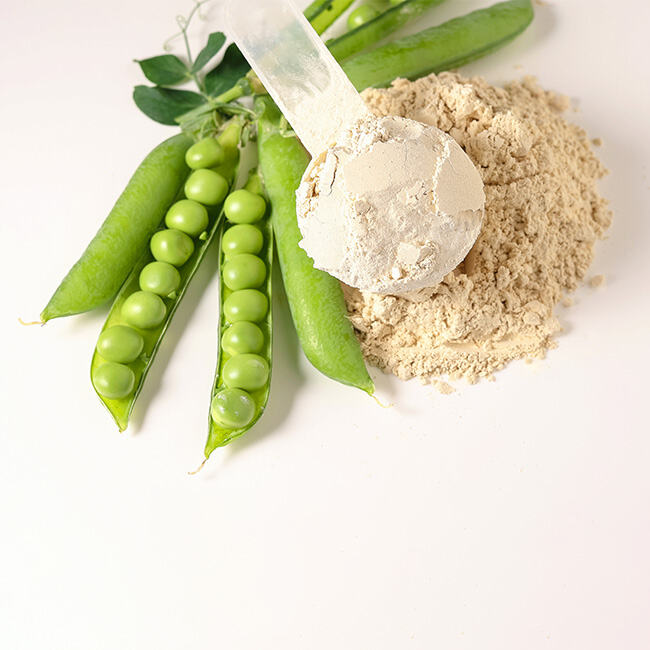
Pea protein has become increasingly popular in food manufacturing due to its excellent nutritional profile and plant-based nature, but many food developers struggle with its inherent texture and taste challenges. The key to successfully incorporating pea protein into food products lies in understanding its unique properties and applying specific processing techniques that can mask its earthy flavor while enhancing its functional characteristics. Through careful selection of processing methods, ingredient combinations, and formulation adjustments, manufacturers can create products that deliver the protein benefits of pea protein without compromising on sensory appeal.
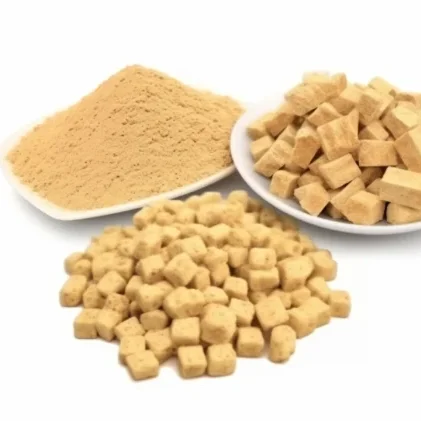
The process of improving pea protein texture and taste requires a systematic approach that addresses both the physical and chemical factors affecting product quality. Food scientists have developed numerous strategies that work synergistically to transform raw pea protein into ingredients that consumers find appealing and satisfying. These methods range from simple flavor masking techniques to complex processing modifications that alter the protein structure itself, creating opportunities for manufacturers to develop innovative products that meet both nutritional and sensory expectations.
Understanding Pea Protein Challenges
Texture-Related Issues in Pea Protein Applications
The primary texture challenges associated with pea protein stem from its molecular structure and processing characteristics. Pea protein tends to create a grainy, chalky mouthfeel when hydrated, which can negatively impact consumer acceptance in various food applications. This texture issue becomes particularly pronounced in liquid applications such as protein beverages, where the protein particles can create an unpleasant sandy sensation that persists throughout consumption.
Processing parameters during pea protein extraction and isolation significantly influence the final texture properties. Higher heat treatments during processing can denature the protein structure, leading to increased aggregation and reduced solubility, which directly contributes to texture problems. Understanding these fundamental relationships allows food developers to select appropriate pea protein grades and processing conditions that minimize texture-related challenges.
The particle size distribution of pea protein powders also plays a crucial role in texture perception. Larger particles tend to create more noticeable grittiness, while ultra-fine particles can improve mouthfeel but may present processing challenges such as increased dustiness and potential clumping during storage. Manufacturers must balance these factors when selecting pea protein ingredients for specific applications.
Flavor Profile Considerations
Pea protein naturally exhibits an earthy, beany flavor that can be quite pronounced depending on the extraction method and processing conditions used during manufacturing. This inherent flavor profile presents significant challenges when developing products intended for mainstream consumer markets, where neutral or pleasant flavors are typically expected. The intensity of the beany flavor can vary considerably between different pea protein suppliers and processing methods.
The flavor compounds responsible for the characteristic pea protein taste include various aldehydes, alcohols, and sulfur-containing compounds that develop during processing. These compounds can interact with other ingredients in food formulations, potentially creating off-flavors or intensifying the undesirable taste characteristics. Understanding the chemistry behind these flavor interactions is essential for developing effective masking strategies.
Environmental factors during pea cultivation, such as soil conditions, weather patterns, and harvesting timing, can also influence the final flavor profile of pea protein ingredients. This variability means that manufacturers may need to adjust their flavor masking strategies based on seasonal variations in raw material characteristics, making consistent product quality a ongoing challenge.
Processing Techniques for Texture Enhancement
Mechanical Processing Methods
High-shear mixing represents one of the most effective mechanical processing techniques for improving pea protein texture. This method involves subjecting pea protein dispersions to intense mechanical forces that break down protein aggregates and create more uniform particle distributions. The high-shear environment helps to fully hydrate the protein particles while reducing their effective size, resulting in smoother textures that are more acceptable to consumers.
Ultrasonic treatment has emerged as another powerful tool for enhancing pea protein texture properties. Ultrasonic waves create cavitation bubbles that collapse violently, generating localized high-pressure and high-temperature conditions that can modify protein structure. This treatment can improve protein solubility, reduce particle size, and enhance the overall mouthfeel of pea protein-containing products without requiring chemical additives.
Microfluidization offers precise control over particle size reduction and protein structure modification. This technique forces pea protein dispersions through microchannels under extremely high pressure, creating shear forces that can effectively reduce particle size while potentially exposing buried functional groups that improve texture properties. The controlled nature of microfluidization allows for consistent results and scalable processing from laboratory to commercial production.
Thermal Processing Strategies
Controlled thermal treatment can significantly improve pea protein functionality when applied under specific conditions. Moderate heating at temperatures between 70-85°C can promote protein unfolding and subsequent aggregation in ways that enhance texture properties. This thermal treatment must be carefully controlled to avoid excessive denaturation that could worsen texture problems while achieving the desired improvements in mouthfeel and functionality.
Steam injection processing provides rapid, uniform heating that can modify pea protein structure without the prolonged exposure to high temperatures that might damage nutritional quality. This technique allows for precise temperature control and short residence times, making it possible to achieve beneficial structural changes while preserving the protein's nutritional value and minimizing the development of off-flavors.
Extrusion processing represents a versatile thermal treatment method that combines heat, moisture, and mechanical shear to transform pea protein into texturized products with improved sensory properties. The controlled environment within extruders allows for precise manipulation of protein structure, creating products with meat-like textures that can effectively mask the inherent characteristics of raw pea protein while providing excellent nutritional benefits.
Flavor Modification and Masking Strategies
Natural Flavor Enhancement Approaches
Enzymatic treatment offers a sophisticated approach to reducing the beany flavor associated with pea protein while potentially enhancing desirable taste characteristics. Specific enzymes can break down the compounds responsible for off-flavors, while simultaneously releasing peptides that may contribute positive taste attributes. Protease enzymes, when applied under controlled conditions, can selectively target flavor-active compounds without significantly compromising the protein's nutritional value.
Fermentation processes using carefully selected microorganisms can dramatically transform the flavor profile of pea protein ingredients. Lactic acid bacteria and other food-grade microorganisms can metabolize flavor compounds that contribute to the beany taste while producing organic acids and other compounds that create more pleasant flavor profiles. This biological approach to flavor modification often results in more natural-tasting products compared to chemical masking agents.
Sprouting and germination processes can be applied to peas before protein extraction to naturally reduce anti-nutritional factors and modify flavor compounds. These biological processes activate enzymes within the pea that break down components responsible for off-flavors while potentially increasing the bioavailability of nutrients. The resulting pea protein exhibits improved taste characteristics that require less intensive flavor masking in final products.
Ingredient Synergy and Masking Systems
Strategic use of complementary proteins can effectively mask pea protein's distinctive flavor while enhancing overall product functionality. Combining pea protein with rice protein, for example, can create synergistic effects that improve both nutritional completeness and taste acceptability. The different flavor profiles of various plant proteins can balance each other, resulting in more neutral-tasting products that appeal to broader consumer bases.
Natural flavor compounds derived from vanilla, cocoa, or fruit sources can effectively mask the earthy notes of pea protein when used in appropriate concentrations. These natural masking agents work by overwhelming the taste receptors with more pleasant flavors while potentially binding to specific flavor compounds in pea protein that contribute to off-tastes. The key is selecting masking flavors that complement the intended product application without creating artificial-tasting results.
Fat-based delivery systems can encapsulate pea protein particles while providing rich mouthfeel that masks texture issues. Lecithin, coconut oil, and other natural fats can coat pea protein particles, reducing their direct contact with taste receptors while creating creamy textures that consumers find more appealing. These systems work particularly well in applications such as protein bars and nutritional beverages where some fat content is acceptable or desired.
Formulation Optimization Techniques
Hydration and Processing Parameters
Proper hydration protocols are essential for achieving optimal pea protein performance in food applications. The sequence of ingredient addition, mixing speeds, and hydration time all significantly impact the final texture and flavor characteristics of products containing pea protein. Allowing adequate time for complete protein hydration, typically 15-30 minutes depending on the application, ensures that protein particles reach their optimal size and functionality before further processing steps.
pH adjustment during processing can dramatically influence both texture and flavor outcomes when working with pea protein. Operating near the protein's isoelectric point can promote controlled aggregation that improves texture properties, while alkaline conditions may help reduce certain off-flavor compounds. However, pH modifications must be carefully balanced to avoid negatively impacting nutritional quality or creating new sensory issues.
Temperature control throughout processing is critical for maintaining consistent pea protein performance. Gradual temperature increases allow for controlled protein unfolding and improved functionality, while rapid temperature changes can cause unwanted aggregation or textural problems. Maintaining processing temperatures within optimal ranges ensures that pea protein delivers its intended benefits without creating sensory challenges.
Ingredient Interaction Management
Understanding how pea protein interacts with other common food ingredients enables formulators to optimize recipes for both performance and sensory appeal. Minerals such as calcium and magnesium can cause unwanted precipitation or texture changes when combined with pea protein under certain conditions. Managing these interactions through sequencing, pH control, or chelating agents helps maintain product quality and consistency.
Starch and fiber ingredients can work synergistically with pea protein to improve overall texture while potentially masking some flavor issues. These carbohydrate ingredients can help create smooth, creamy textures that complement pea protein's nutritional benefits while providing bulk and mouthfeel that makes products more satisfying to consumers. The key is selecting compatible ingredients that enhance rather than compete with pea protein functionality.
Emulsifier selection plays a crucial role in products containing both pea protein and fats or oils. The right emulsifier system can help create stable, smooth textures while potentially improving the distribution of flavor-masking ingredients throughout the product matrix. This approach ensures consistent sensory properties while maximizing the effectiveness of flavor modification strategies.
Application-Specific Solutions
Beverage Applications
Protein beverages represent one of the most challenging applications for pea protein due to the direct exposure to taste receptors and the difficulty of masking texture issues in liquid systems. Successful beverage formulations typically employ multiple strategies simultaneously, including high-shear mixing to reduce particle size, pH adjustment to optimize protein behavior, and sophisticated flavor systems that complement rather than simply mask the pea protein characteristics.
Stabilizer systems become particularly important in beverage applications where pea protein must remain in suspension without creating sedimentation or separation issues. Combinations of gums, proteins, and emulsifiers can create networks that support pea protein particles while contributing to smooth, appealing textures. These stabilizer systems must be carefully balanced to avoid creating artificial mouthfeel or interfering with flavor delivery.
Cold processing techniques often work better for pea protein beverages compared to traditional hot processing methods. Cold processing helps preserve sensitive flavor compounds while avoiding heat-induced texture problems that can occur with pea protein. This approach requires careful attention to mixing protocols and ingredient compatibility but often results in superior sensory properties in the final beverage products.
Solid Food Applications
In baked goods and extruded products, pea protein can be successfully incorporated through techniques that take advantage of the processing conditions to improve its sensory properties. The heat and moisture present during baking or extrusion can help modify pea protein structure in beneficial ways, while other ingredients such as sugars and fats can mask flavor issues. The key is optimizing processing parameters to achieve these benefits without compromising nutritional quality.
Meat analog applications often provide ideal opportunities for pea protein utilization because the expected textures and flavors in these products can complement pea protein's natural characteristics. Processing techniques such as texturization and flavor binding can transform pea protein into ingredients that closely mimic traditional meat products while providing superior nutritional and environmental benefits. These applications often require less intensive flavor masking because consumers expect plant-like characteristics.
Dairy alternative products can effectively incorporate pea protein when processing parameters are optimized for the specific application requirements. The creamy textures expected in these products can help mask pea protein's inherent texture issues, while strategic use of fat systems and natural flavors can address taste concerns. Success in these applications often depends on achieving the right balance between nutritional functionality and sensory appeal.
FAQ
What is the most effective way to reduce the beany flavor of pea protein?
The most effective approach combines enzymatic treatment with natural flavor masking using complementary ingredients like vanilla or cocoa. Enzymatic processing breaks down the specific compounds responsible for the beany taste, while natural flavors provide pleasant notes that appeal to consumers. Additionally, fermentation processes using food-grade bacteria can naturally transform the flavor profile, creating more acceptable taste characteristics without compromising nutritional quality.
How can I prevent the chalky texture when using pea protein in beverages?
Preventing chalky texture requires a combination of high-shear mixing, proper hydration time, and potentially ultrasonic treatment to reduce particle size. Allow at least 15-20 minutes for complete protein hydration before final processing, and consider using microfluidization for commercial applications. pH adjustment to slightly alkaline conditions can also improve solubility and reduce grittiness, while appropriate stabilizer systems help maintain smooth texture throughout shelf life.
Does processing temperature affect pea protein taste and texture?
Yes, processing temperature significantly impacts both taste and texture outcomes with pea protein. Moderate heating between 70-85°C can improve functionality and reduce some off-flavors, but excessive heat can worsen texture problems and create new off-tastes. Cold processing often preserves better sensory properties, while controlled thermal treatment through methods like steam injection can provide benefits without the drawbacks of prolonged heat exposure. The key is matching processing temperature to the specific application requirements.
Can pea protein be combined with other proteins to improve sensory properties?
Absolutely, combining pea protein with complementary proteins like rice protein or hemp protein can significantly improve both taste and texture while enhancing nutritional completeness. Different plant proteins have varying flavor profiles that can balance each other, creating more neutral-tasting products. This approach also allows formulators to optimize functional properties such as solubility and gel strength while reducing the concentration of any single protein that might contribute to sensory issues.