 EN
EN

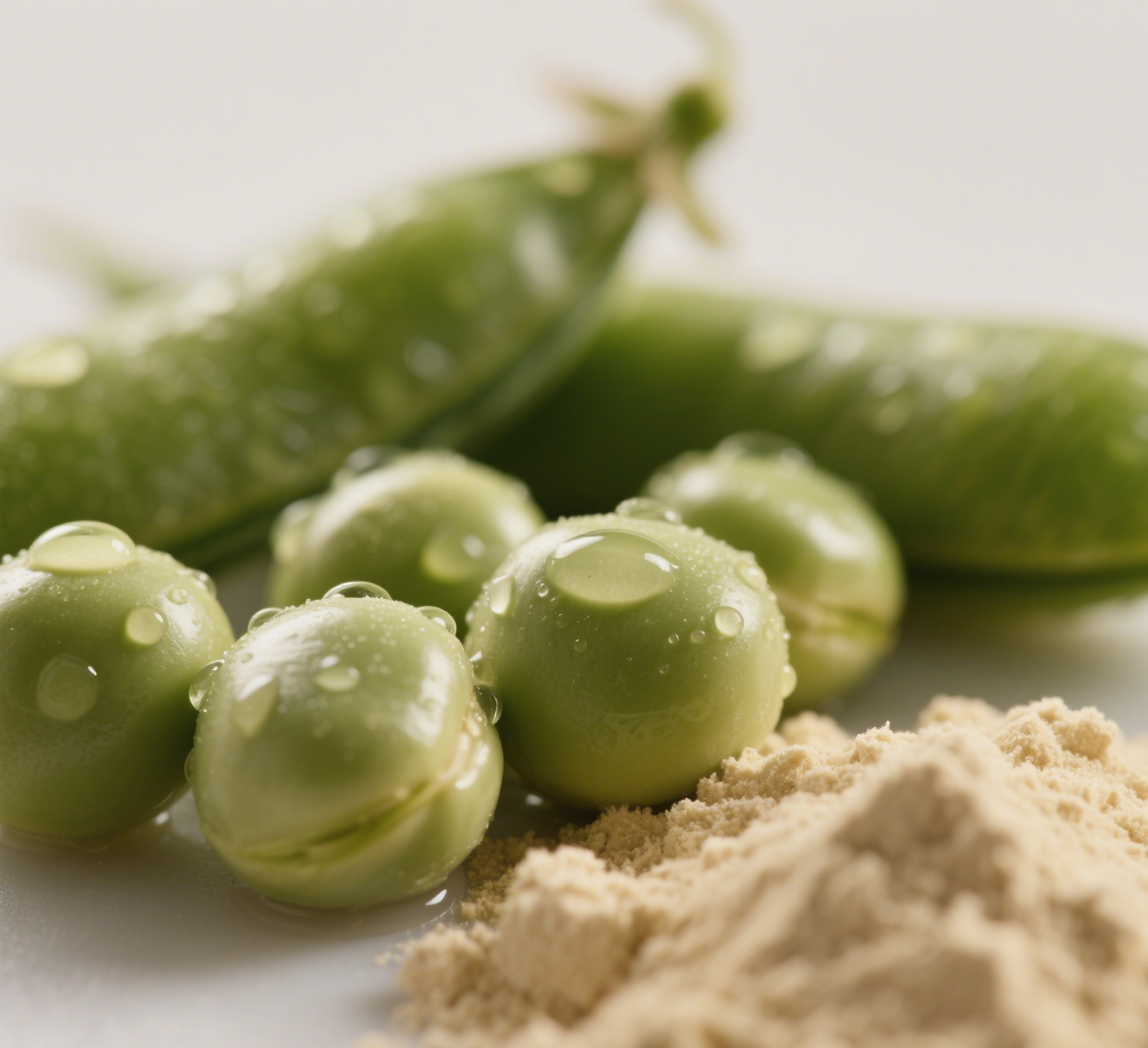
Pea protein has emerged as one of the most versatile and widely adopted plant-based proteins in modern nutrition, finding applications across diverse food sectors and dietary approaches. Understanding where pea protein is most commonly used reveals the significant shift toward sustainable, allergen-friendly protein sources that meet the evolving demands of health-conscious consumers, athletes, and individuals with specific dietary restrictions.
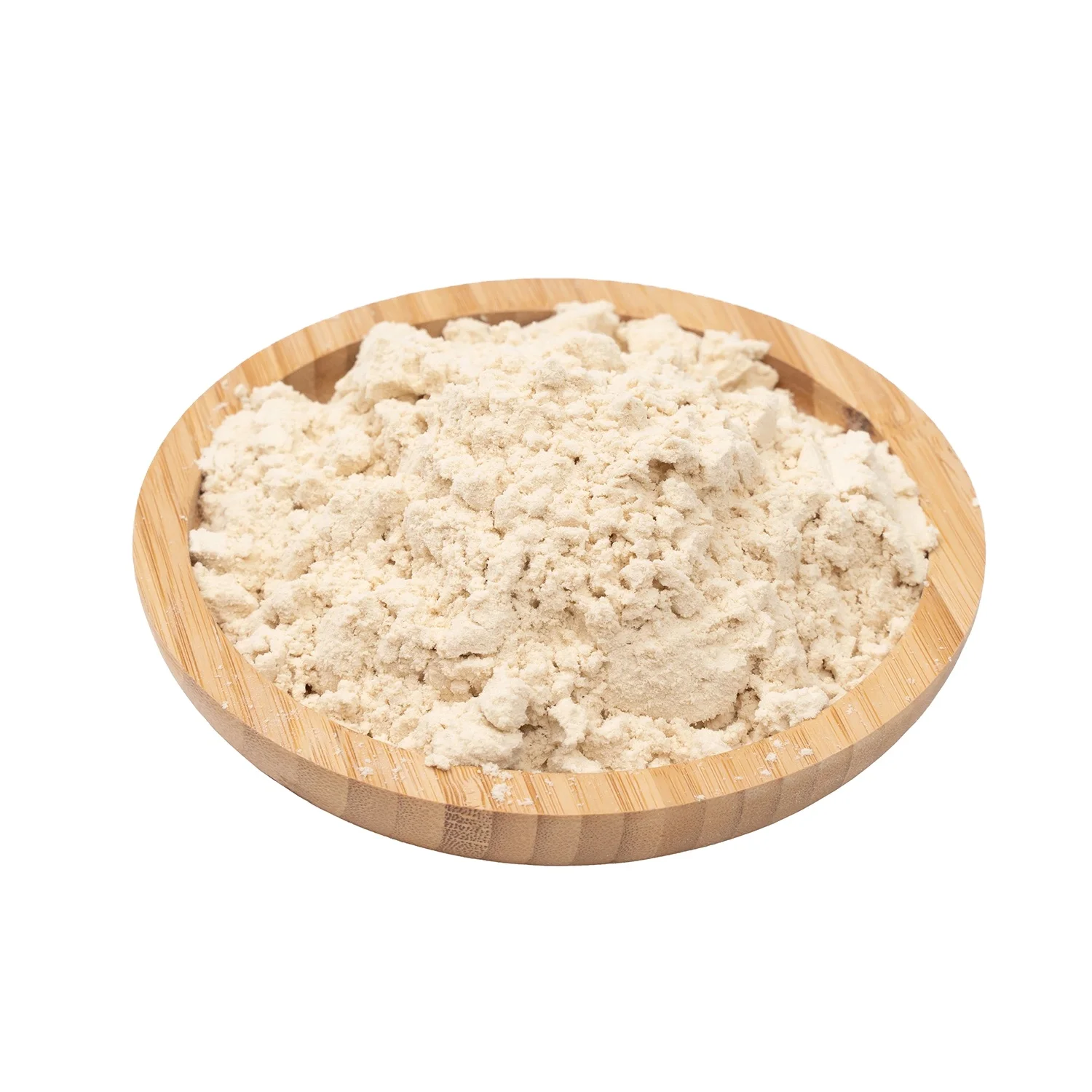
The widespread adoption of pea protein across multiple nutrition segments stems from its exceptional amino acid profile, digestibility, and compatibility with various manufacturing processes. From sports nutrition supplements to everyday food products, pea protein has established itself as a cornerstone ingredient that bridges the gap between nutritional functionality and consumer preferences for clean-label, plant-based alternatives.
Sports Nutrition and Athletic Performance Applications
Protein Powder Supplements and Fitness Products
The sports nutrition industry represents one of the largest and most established markets for pea protein utilization. Fitness enthusiasts and athletes increasingly choose pea protein powder as their primary post-workout supplement due to its rapid absorption rate and comprehensive amino acid composition. Unlike some plant proteins that may lack certain essential amino acids, pea protein provides a relatively complete protein profile that supports muscle recovery and growth.
Manufacturers formulate pea protein into standalone protein powders, pre-workout blends, and recovery formulations that cater to different training phases and performance goals. The neutral flavor profile of processed pea protein allows for easy integration with various flavoring systems, making it suitable for chocolate, vanilla, berry, and other popular supplement flavors without creating off-tastes or gritty textures.
Professional athletes and recreational fitness participants appreciate that pea protein delivers approximately 20-25 grams of protein per 30-gram serving, making it competitive with traditional whey protein while offering advantages for those avoiding dairy products. The digestibility factor of pea protein often exceeds 95%, ensuring efficient nutrient utilization during critical recovery periods.
Ready-to-Drink Protein Beverages
The ready-to-drink protein beverage market has embraced pea protein as a key ingredient for shelf-stable, convenient nutrition products. These beverages target busy professionals, students, and active individuals who need quick protein solutions without preparation time. Pea protein's stability during heat processing and extended storage makes it ideal for commercial beverage production.
Beverage manufacturers often combine pea protein with other plant proteins like rice or hemp protein to create complete amino acid profiles while maintaining smooth textures and appealing flavors. The solubility characteristics of properly processed pea protein prevent separation and settling issues that can plague other plant protein beverages.
Plant-Based Food Manufacturing and Alternative Proteins
Meat Analog and Plant-Based Meat Products
The rapidly expanding plant-based meat sector relies heavily on pea protein as a primary functional ingredient that provides both nutritional value and textural properties essential for meat simulation. Food technologists utilize pea protein isolates and concentrates to create convincing meat analogs that satisfy consumer expectations for taste, texture, and protein content.
In plant-based burger patties, sausages, and ground meat alternatives, pea protein contributes to the binding properties that hold products together during cooking while providing the substantial protein content that consumers expect from meat substitutes. The protein typically comprises 15-25% of the total formulation in these products, working synergistically with other plant proteins and functional ingredients.
Manufacturing processes for meat analogs often involve extrusion technology where pea protein undergoes controlled heating and mechanical processing to develop fibrous, meat-like textures. The pea protein content directly influences the final product's nutritional profile, contributing to products that often contain 14-20 grams of protein per serving.
Dairy Alternative Products
Dairy alternative manufacturers increasingly incorporate pea protein into plant-based milk, yogurt, cheese, and ice cream products to enhance nutritional value and improve functional properties. Traditional plant milks often contain minimal protein, but pea protein fortification can boost protein content to levels comparable with dairy milk, typically achieving 8-10 grams of protein per cup.
The neutral flavor and creamy mouthfeel that pea protein can provide makes it particularly suitable for yogurt alternatives where both protein content and texture are critical for consumer acceptance. Manufacturers often combine pea protein with stabilizers and emulsifiers to create smooth, appealing textures that rival conventional dairy products.
Mainstream Food Industry Integration
Baked Goods and Snack Food Enhancement
The mainstream food industry has discovered significant opportunities for incorporating pea protein into everyday products like breads, muffins, crackers, and protein bars. This application allows food manufacturers to create protein-enriched versions of familiar products without dramatically altering taste profiles or manufacturing processes.
Baking applications typically utilize pea protein at 5-15% replacement levels for traditional flour, contributing both protein enhancement and functional properties like improved moisture retention and shelf stability. The protein content helps create more satisfying products that support consumer goals for increased protein intake throughout the day.
Snack manufacturers particularly value pea protein for its ability to boost the nutritional profile of chips, crackers, and extruded snacks while maintaining the crispy textures and savory flavors that consumers expect. The protein addition often allows products to carry health claims and appeal to health-conscious snacking segments.
Breakfast and Convenience Foods
Breakfast food manufacturers increasingly incorporate pea protein into cereals, breakfast bars, and instant meal products to meet consumer demand for protein-rich morning nutrition. These applications capitalize on pea protein's stability during processing and storage, ensuring consistent nutritional delivery throughout product shelf life.
Instant oatmeal, breakfast smoothie mixes, and protein-enriched pancake mixes represent growing segments where pea protein provides convenient nutrition without requiring separate supplement purchases. The protein typically contributes 8-15 grams per serving in these applications, helping consumers meet daily protein goals through regular meal consumption.
Specialized Dietary and Medical Nutrition
Allergen-Free and Specialized Dietary Products
Medical nutrition and specialized dietary applications represent crucial markets where pea protein serves populations with specific nutritional needs or restrictions. Individuals with multiple food allergies often rely on pea protein as one of the few safe, high-quality protein sources that doesn't trigger adverse reactions.
Pediatric nutrition products increasingly utilize pea protein for children with milk protein allergies or other dietary restrictions that limit conventional protein sources. The hypoallergenic nature of pea protein makes it suitable for sensitive populations while providing essential amino acids necessary for growth and development.
Elder care nutrition products often incorporate pea protein to address age-related protein needs while accommodating digestive sensitivities common in older adults. The easy digestibility and complete amino acid profile support muscle mass maintenance and overall nutritional status in aging populations.
Clinical and Therapeutic Nutrition Applications
Healthcare nutrition applications utilize pea protein in specialized formulations designed for patients with specific medical conditions or recovery needs. Wound healing supplements, post-surgical nutrition products, and therapeutic meal replacements often feature pea protein as a primary protein source due to its excellent digestibility and amino acid composition.
Renal nutrition products may incorporate pea protein in controlled amounts to provide essential amino acids while managing phosphorus and potassium content for patients with kidney disease. The protein's profile allows for precise nutritional control in medical nutrition therapy applications.
FAQ
What makes pea protein suitable for so many different food applications?
Pea protein's versatility stems from its neutral flavor, excellent solubility, heat stability, and complete amino acid profile. These properties allow food manufacturers to incorporate it into diverse products without significantly altering taste, texture, or processing requirements while providing substantial nutritional benefits.
How does pea protein content compare across different product categories?
Protein content varies significantly by application, with sports supplements typically containing 20-25 grams per serving, meat alternatives providing 14-20 grams per serving, and fortified beverages offering 8-12 grams per serving. The specific protein level depends on the product's intended use and target consumer needs.
Is pea protein equally effective in all these applications for meeting dietary protein needs?
Yes, pea protein maintains its high biological value and amino acid profile across different applications, though the total protein quantity per serving varies. Whether consumed through supplements, food products, or beverages, pea protein contributes effectively to daily protein requirements and supports muscle protein synthesis.
What trends are driving expanded use of pea protein in modern nutrition?
Key trends include growing plant-based diet adoption, increased allergen awareness, sustainability concerns about animal agriculture, clean-label preferences, and rising protein consciousness among consumers. These factors collectively drive food manufacturers to seek versatile, sustainable protein ingredients like pea protein for product innovation.
Table of Contents
- Sports Nutrition and Athletic Performance Applications
- Plant-Based Food Manufacturing and Alternative Proteins
- Mainstream Food Industry Integration
- Specialized Dietary and Medical Nutrition
-
FAQ
- What makes pea protein suitable for so many different food applications?
- How does pea protein content compare across different product categories?
- Is pea protein equally effective in all these applications for meeting dietary protein needs?
- What trends are driving expanded use of pea protein in modern nutrition?