 EN
EN

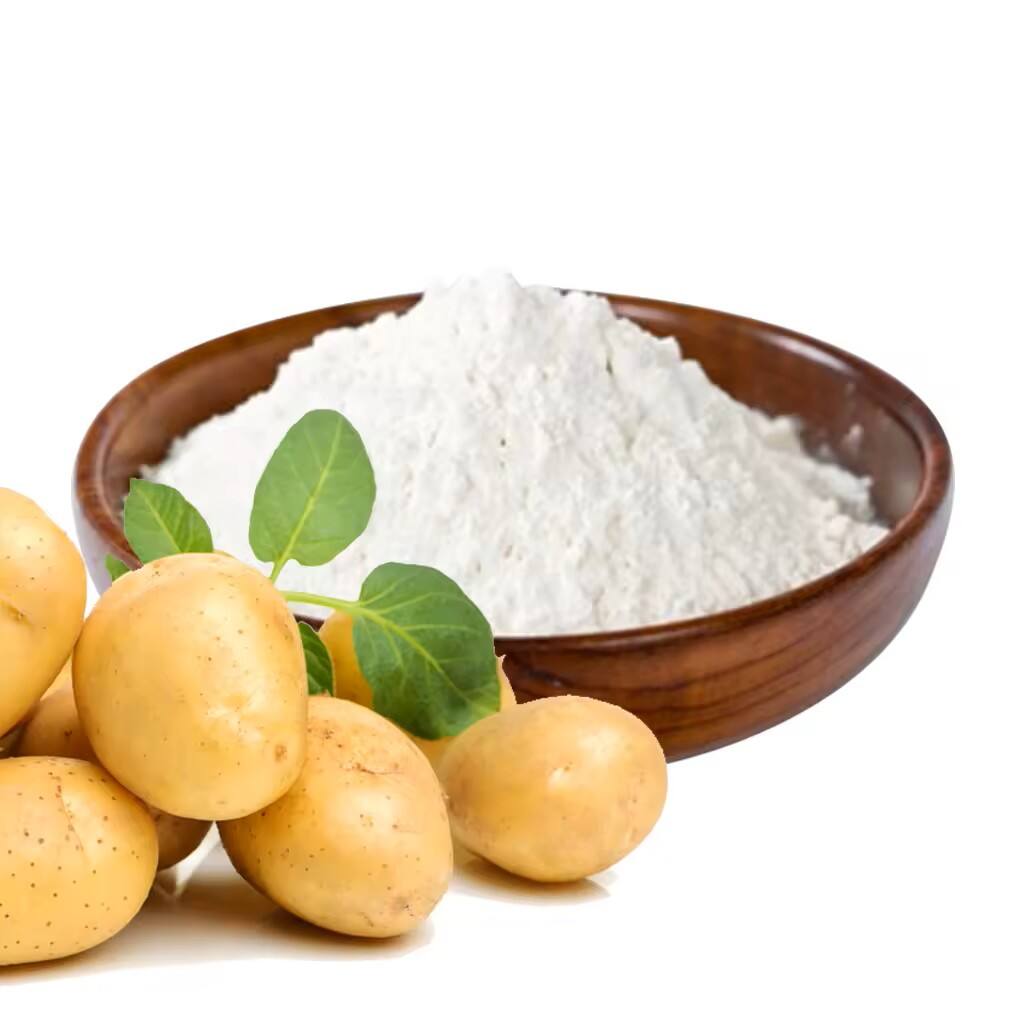
Industrial manufacturers across diverse sectors are experiencing a significant shift toward natural, sustainable raw materials, and potato starch has emerged as a preferred choice for numerous applications. This renewable biopolymer offers manufacturers a compelling combination of functional performance, environmental benefits, and economic advantages that traditional synthetic alternatives often cannot match. The growing adoption of potato starch reflects broader industry trends toward sustainability, regulatory compliance, and consumer demand for eco-friendly products.
The transition to potato starch represents more than just material substitution; it signals a fundamental transformation in how manufacturers approach product development and supply chain management. From adhesives and coatings to biodegradable packaging and textile processing, potato starch delivers versatile functionality while supporting corporate sustainability initiatives. Understanding the specific drivers behind this industrial adoption reveals why potato starch has become an indispensable component in modern manufacturing strategies.
Environmental Sustainability Drives Industrial Adoption
Carbon Footprint Reduction Benefits
Industrial manufacturers prioritize potato starch because it significantly reduces their carbon footprint compared to petroleum-based alternatives. The production of potato starch generates substantially lower greenhouse gas emissions, as potatoes naturally sequester carbon during growth and require fewer energy-intensive processing steps. Manufacturing facilities using potato starch in their formulations report carbon footprint reductions of 20-40% in specific product lines, supporting their environmental compliance goals and sustainability reporting requirements.
The renewable nature of potato starch aligns with circular economy principles that many industrial companies have adopted. Unlike synthetic polymers derived from fossil fuels, potato starch comes from agricultural sources that regenerate annually, creating a sustainable supply cycle. This renewable characteristic helps manufacturers meet increasingly stringent environmental regulations and satisfy stakeholder expectations for responsible sourcing practices.
Biodegradability and Waste Management
Potato starch offers superior biodegradability characteristics that address growing waste management challenges in industrial applications. Products incorporating potato starch break down naturally in composting environments within weeks rather than decades, reducing long-term environmental impact. This biodegradability advantage is particularly valuable for manufacturers producing packaging materials, agricultural films, and single-use industrial products where end-of-life disposal is a critical concern.
The compostable nature of potato starch-based products enables manufacturers to market their goods as environmentally responsible alternatives. Industrial companies using potato starch can obtain certifications for biodegradable and compostable products, opening access to markets that prioritize environmental sustainability. This certification capability provides competitive advantages in sectors where environmental credentials influence purchasing decisions.
Superior Functional Properties for Industrial Applications
Adhesive and Binding Performance
Industrial manufacturers increasingly choose potato starch for its exceptional adhesive properties in various applications. The molecular structure of potato starch provides strong binding capabilities when activated with water or heat, making it ideal for paper manufacturing, corrugated packaging, and wood processing applications. The adhesive strength of potato starch-based formulations often matches or exceeds synthetic alternatives while offering better workability during processing.
The thermoplastic properties of potato starch enable manufacturers to modify its characteristics through blending and chemical modification. Industrial processors can adjust viscosity, gel strength, and setting time by controlling processing parameters and additive selection. This flexibility allows manufacturers to customize potato starch formulations for specific application requirements without compromising performance standards.
Film-Forming and Barrier Properties
Potato starch demonstrates excellent film-forming capabilities that benefit manufacturers in packaging and coating applications. The natural polymer creates continuous, flexible films with good barrier properties against oxygen and moisture when properly processed. Industrial manufacturers utilize these characteristics to develop biodegradable packaging films, protective coatings, and encapsulation materials that maintain product integrity while supporting sustainability objectives.
The barrier properties of potato starch can be enhanced through cross-linking and blending with other natural polymers, providing manufacturers with versatile formulation options. These modified potato starch films offer controlled permeability characteristics suitable for food packaging, pharmaceutical applications, and agricultural products. The ability to fine-tune barrier properties makes potato starch attractive for manufacturers serving multiple market segments with varying performance requirements.
Economic Advantages and Supply Chain Benefits
Cost-Effectiveness and Price Stability
Industrial manufacturers find potato starch economically attractive due to its competitive pricing relative to synthetic alternatives and greater price stability. The agricultural commodity nature of potato starch provides more predictable pricing patterns compared to petroleum-derived materials, which experience significant volatility based on oil market fluctuations. This price stability enables better long-term planning and cost management for manufacturing operations using potato starch as a key raw material.
The processing efficiency gains achieved with potato starch often offset any premium costs compared to conventional materials. Potato starch typically requires lower processing temperatures and shorter cycle times, reducing energy consumption and increasing throughput. These operational efficiencies translate into lower total manufacturing costs, making potato starch an economically viable choice for cost-conscious industrial manufacturers.
Supply Chain Resilience and Availability
The agricultural basis of potato starch production provides manufacturers with supply chain diversification benefits compared to petroleum-dependent materials. Potato cultivation occurs across multiple geographic regions, reducing supply risk from localized disruptions that can affect synthetic material availability. Industrial manufacturers value this supply security, particularly given recent global supply chain challenges that have highlighted the importance of diversified sourcing strategies.
The established agricultural infrastructure for potato production ensures consistent potato starch availability for industrial applications. Processing facilities located near agricultural regions provide manufacturers with shorter transportation distances and fresher raw materials. This geographic distribution of supply sources enables industrial manufacturers to optimize their logistics costs while maintaining reliable material access.
Regulatory Compliance and Market Access
Food Safety and Health Regulations
Potato starch meets stringent food safety regulations that enable manufacturers to serve food contact applications and regulated industries. The Generally Recognized as Safe (GRAS) status of potato starch simplifies regulatory approval processes for food packaging and processing applications. Industrial manufacturers benefit from this regulatory acceptance, which reduces compliance costs and accelerates product development timelines compared to synthetic alternatives requiring extensive safety testing.
The natural origin of potato starch aligns with consumer health concerns and clean label trends affecting industrial product specifications. Manufacturers using potato starch can market their products as natural and free from synthetic chemicals, addressing growing consumer preferences for minimally processed materials. This natural positioning provides competitive advantages in markets where health and wellness considerations influence purchasing decisions.
International Trade and Export Opportunities
The widespread acceptance of potato starch in international markets facilitates global trade opportunities for manufacturers. Unlike some synthetic materials that face regional restrictions or import limitations, potato starch generally encounters fewer trade barriers due to its agricultural commodity classification. Industrial manufacturers using potato starch can more easily access international markets without extensive regulatory documentation or approval processes.
The standardized specifications and quality parameters for potato starch enable consistent product performance across different geographic markets. International standards for potato starch characteristics ensure that manufacturers can maintain quality consistency when sourcing from different suppliers or regions. This standardization reduces supply chain complexity and quality control challenges for global manufacturing operations.
Industry-Specific Applications and Performance Benefits
Packaging and Converting Industries
The packaging industry represents a major growth area for potato starch adoption due to increasing demand for sustainable packaging solutions. Manufacturers in this sector utilize potato starch for producing biodegradable films, water-soluble packaging, and compostable food containers. The excellent printability and heat-sealability of potato starch films enable packaging manufacturers to maintain processing efficiency while meeting sustainability requirements.
Corrugated packaging manufacturers increasingly incorporate potato starch-based adhesives to replace synthetic bonding agents. The strong adhesive properties and fast setting characteristics of potato starch improve production efficiency while reducing environmental impact. These adhesives provide adequate bond strength for shipping and handling requirements while supporting the recyclability of corrugated packaging materials.
Textile and Paper Manufacturing
Textile manufacturers utilize potato starch for sizing applications where it provides excellent fabric handle and improved processing characteristics. The film-forming properties of potato starch create protective coatings on textile fibers that enhance strength and reduce breakage during weaving and finishing operations. The biodegradable nature of potato starch sizing eliminates environmental concerns associated with synthetic sizing agents that persist in wastewater treatment systems.
Paper manufacturers adopt potato starch for surface treatment and coating applications that improve print quality and paper strength. The binding properties of potato starch enhance paper formation and reduce dusting during converting operations. The renewable nature of potato starch supports paper industry sustainability initiatives while maintaining the performance standards required for high-quality printing and converting applications.
FAQ
What makes potato starch more environmentally friendly than synthetic alternatives?
Potato starch offers superior environmental benefits because it comes from renewable agricultural sources rather than petroleum-based materials. It biodegrades naturally in composting environments within weeks, reduces carbon footprint during production, and supports circular economy principles through renewable sourcing cycles. These characteristics help manufacturers meet sustainability goals and environmental regulations more effectively than synthetic alternatives.
How does potato starch perform compared to synthetic materials in industrial applications?
Potato starch delivers comparable or superior performance to synthetic materials in many industrial applications, particularly in adhesive, film-forming, and binding functions. It offers excellent processability, strong adhesive properties, and good barrier characteristics while providing additional benefits like biodegradability and renewable sourcing. The performance can be further enhanced through modification and blending with other natural polymers to meet specific application requirements.
Is potato starch cost-competitive with conventional industrial materials?
Potato starch demonstrates strong cost competitiveness through multiple factors including stable agricultural pricing, processing efficiency gains, and reduced regulatory compliance costs. While initial material costs may vary, the total cost of ownership often favors potato starch due to lower energy requirements, faster processing times, and elimination of environmental compliance expenses. The price stability of agricultural commodities also provides better long-term cost predictability compared to petroleum-derived alternatives.
What quality standards ensure consistent potato starch performance in manufacturing?
Potato starch quality is maintained through established international standards covering moisture content, viscosity, gel strength, and purity parameters. Industrial grade potato starch typically meets specific particle size distributions, pH ranges, and chemical composition requirements that ensure consistent performance across applications. Regular testing and certification processes verify that potato starch meets these standards, providing manufacturers with reliable material properties for their production processes.
Table of Contents
- Environmental Sustainability Drives Industrial Adoption
- Superior Functional Properties for Industrial Applications
- Economic Advantages and Supply Chain Benefits
- Regulatory Compliance and Market Access
- Industry-Specific Applications and Performance Benefits
-
FAQ
- What makes potato starch more environmentally friendly than synthetic alternatives?
- How does potato starch perform compared to synthetic materials in industrial applications?
- Is potato starch cost-competitive with conventional industrial materials?
- What quality standards ensure consistent potato starch performance in manufacturing?