Nisin in Food: Natural Antimicrobial Preservation

Get a Free Quote

Our representative will contact you soon.
Email
Name
Company Name
products
Mobile
Message
0/1000

nisin in food

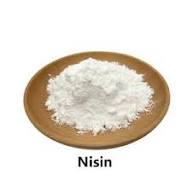
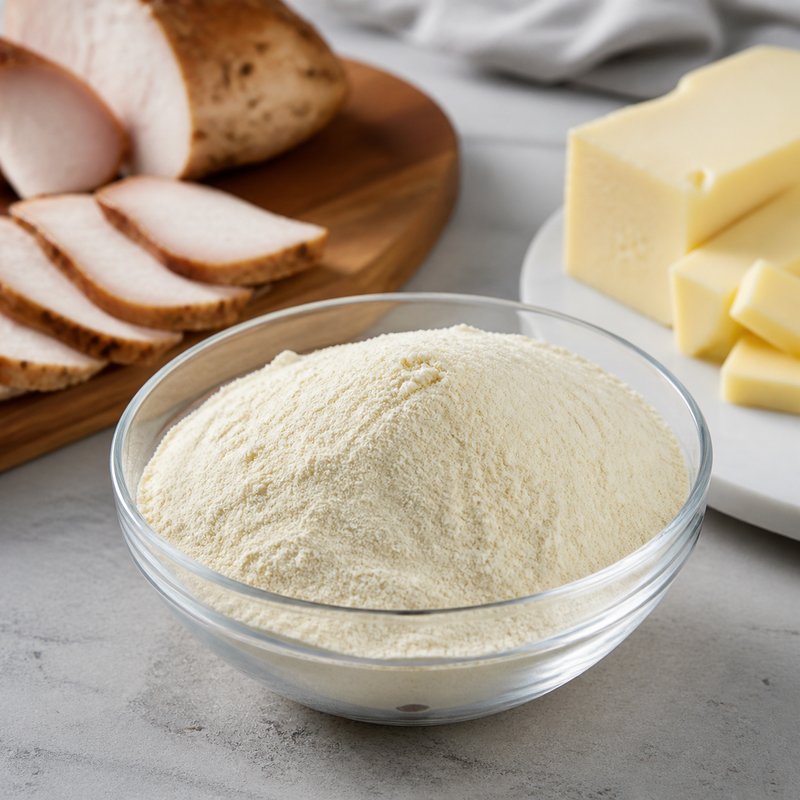
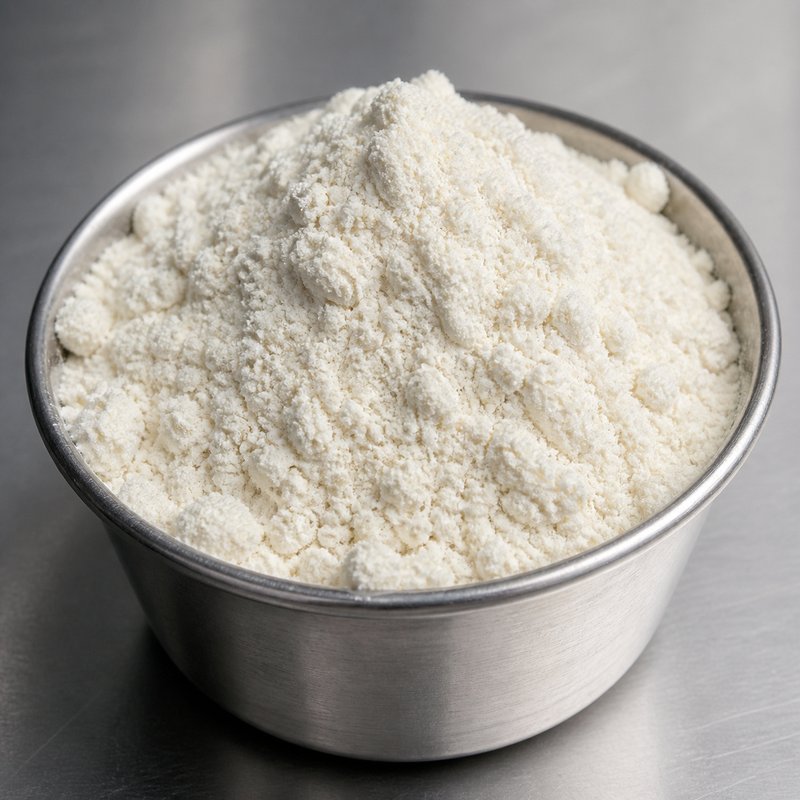
Nisin in food represents a natural antimicrobial preservative that plays a crucial role in modern food safety and shelf-life extension. This bacteriocin, produced by Lactococcus lactis bacteria, offers a scientifically proven solution for food preservation without synthetic additives. Nisin in food functions by inhibiting the growth of harmful bacteria, particularly Listeria monocytogenes and Clostridium botulinum, which are major food safety concerns. The technological features of nisin in food include its heat stability, allowing it to withstand food processing temperatures, and its compatibility with various food matrices including dairy, meat, and beverages. Nisin in food operates through a mechanism that disrupts bacterial cell membranes, preventing pathogenic microorganisms from surviving and multiplying. The primary applications of nisin in food span across multiple sectors: cheese production, processed meats, canned vegetables, and ready-to-eat meals. Food manufacturers implement nisin in food to reduce the need for thermal processing and chemical preservatives, addressing consumer demands for cleaner labels. This naturally derived preservative has received regulatory approval in over 50 countries, including the European Union and United States, establishing its safety profile. Nisin in food enables producers to extend product shelf life while maintaining nutritional quality and authentic taste. The versatility of nisin in food makes it an ideal choice for contemporary food production, supporting both food safety objectives and consumer wellness preferences.

New Product Releases

Nisin in food delivers significant practical benefits that directly improve food production efficiency and product quality. First, manufacturers using nisin in food reduce dependency on heat treatments and chemical preservatives, maintaining superior nutritional profiles and authentic flavors in finished products. This preservation approach addresses growing consumer demand for natural ingredients while ensuring robust food safety standards. Operational efficiency improves substantially when incorporating nisin in food into production protocols. Food manufacturers experience extended shelf-life periods without compromising product integrity, reducing waste and spoilage losses across distribution chains. Nisin in food functions effectively at lower concentrations than synthetic alternatives, making it economically advantageous for large-scale operations. The application suitability of nisin in food extends across diverse product categories, from fermented dairy to processed proteins, enabling versatile manufacturing solutions. Quality assurance teams benefit from nisin in food's consistent antimicrobial performance, which can be precisely controlled and monitored throughout production cycles. Regulatory compliance becomes streamlined when using nisin in food, as it maintains approved status across major markets globally. Consumer perception improves significantly when nisin in food appears on product labels, as it conveys natural preservation methods rather than artificial additives. Cost-effectiveness emerges as a key advantage, since nisin in food requires minimal processing adjustments while delivering maximum antimicrobial protection. Decision-useful product context shows that nisin in food enables manufacturers to differentiate products in competitive markets by offering clean-label credentials. The adoption of nisin in food supports sustainable manufacturing practices by reducing energy consumption during production and extending product viability throughout supply chains, creating measurable environmental benefits.

Practical Tips

How Nisin Supports Clean Label Trends in the Food Industry

28

Apr

How Nisin Supports Clean Label Trends in the Food Industry

The food industry is experiencing an unprecedented shift toward clean label products, driven by increasingly health-conscious consumers who scrutinize ingredient lists and demand transparency in food manufacturing. As food manufacturers navigate this...
View More
Why is soy protein a staple in sports and energy foods?

27

Apr

Why is soy protein a staple in sports and energy foods?

Sports and energy food manufacturers consistently turn to soy protein as their primary protein source, and this choice reflects decades of scientific validation and practical performance benefits. The widespread adoption of soy protein across the ath...
View More
How Do Businesses Source High-Quality Potato Starch Efficiently?

27

Apr

How Do Businesses Source High-Quality Potato Starch Efficiently?

Sourcing high-quality potato starch efficiently represents a critical procurement challenge for businesses across food manufacturing, pharmaceuticals, textiles, and industrial applications. The process requires strategic supplier evaluation, quality ...
View More
What Should Manufacturers Consider When Choosing High-Quality Casings?

27

Apr

What Should Manufacturers Consider When Choosing High-Quality Casings?

Manufacturing industries across diverse sectors rely heavily on protective casings to ensure product integrity, operational efficiency, and end-user safety. The selection of appropriate casing materials represents a critical decision point that direc...
View More

Get a Free Quote

Our representative will contact you soon.
Email
Name
Company Name
products
Mobile
Message
0/1000

nisin in food

Natural Preservation Power

Natural Preservation Power

Nisin in food represents nature's answer to food preservation challenges, derived from beneficial bacteria without synthetic chemistry. This naturally occurring antimicrobial actively combats dangerous pathogens while maintaining complete food safety compliance. The preservation mechanism of nisin in food operates at the cellular level, disrupting bacterial membranes and preventing proliferation of harmful microorganisms. Manufacturers implementing nisin in food achieve superior results compared to traditional thermal or chemical methods. The natural origin of nisin in food appeals directly to health-conscious consumers seeking authentic ingredient transparency. Products preserved with nisin in food demonstrate clean-label advantages that resonate with modern purchasing decisions. Food producers recognize that nisin in food provides reliable protection without compromising nutritional integrity or sensory characteristics.
Extended Shelf Life Performance

Extended Shelf Life Performance

Implementing nisin in food substantially extends product longevity throughout supply chains and retail environments. This antimicrobial preservative maintains its efficacy across temperature variations and storage conditions, ensuring consistent protection. Manufacturers utilizing nisin in food report significant reductions in spoilage-related losses and waste management expenses. The performance metrics of nisin in food demonstrate reliable bacterial inhibition across multiple food categories and processing scenarios. Extended shelf life achieved through nisin in food enables broader distribution networks and improved product availability in markets. Food businesses experience remarkable cost savings when reducing replacement stock and disposal expenses associated with spoiled inventory. Nisin in food maintains stable functionality even under challenging pH environments and varying moisture conditions. This reliable performance of nisin in food translates directly into improved profitability and operational efficiency for food manufacturers and retailers alike.
Regulatory Compliance and Global Market Access

Regulatory Compliance and Global Market Access

Nisin in food maintains approved regulatory status across major international markets, facilitating seamless product distribution and expansion opportunities. Food manufacturers benefit from established safety records and comprehensive toxicological studies supporting nisin in food's approval in over fifty countries. The regulatory pathway for nisin in food remains straightforward, with documented compliance requirements streamlining certification processes. Organizations choosing nisin in food gain immediate access to global markets where synthetic preservative restrictions apply increasingly. Food companies leverage the accepted status of nisin in food to simplify export documentation and regulatory submissions. Consumer markets increasingly favor products incorporating nisin in food due to its verified safety profile and scientific legitimacy. The availability of nisin in food across regulatory jurisdictions eliminates market fragmentation concerns for international food producers. Businesses implementing nisin in food enjoy competitive advantages in regions implementing strict natural ingredient mandates and clean-label requirements.

Get a Free Quote

Our representative will contact you soon.
Email
Name
Company Name
products
Mobile
Message
0/1000