 EN
EN


Sourcing high-quality potato starch efficiently represents a critical procurement challenge for businesses across food manufacturing, pharmaceuticals, textiles, and industrial applications. The process requires strategic supplier evaluation, quality verification protocols, and supply chain optimization to ensure consistent product specifications while maintaining cost-effectiveness. Understanding the complexities of potato starch sourcing enables companies to establish reliable procurement systems that support production continuity and product quality standards.
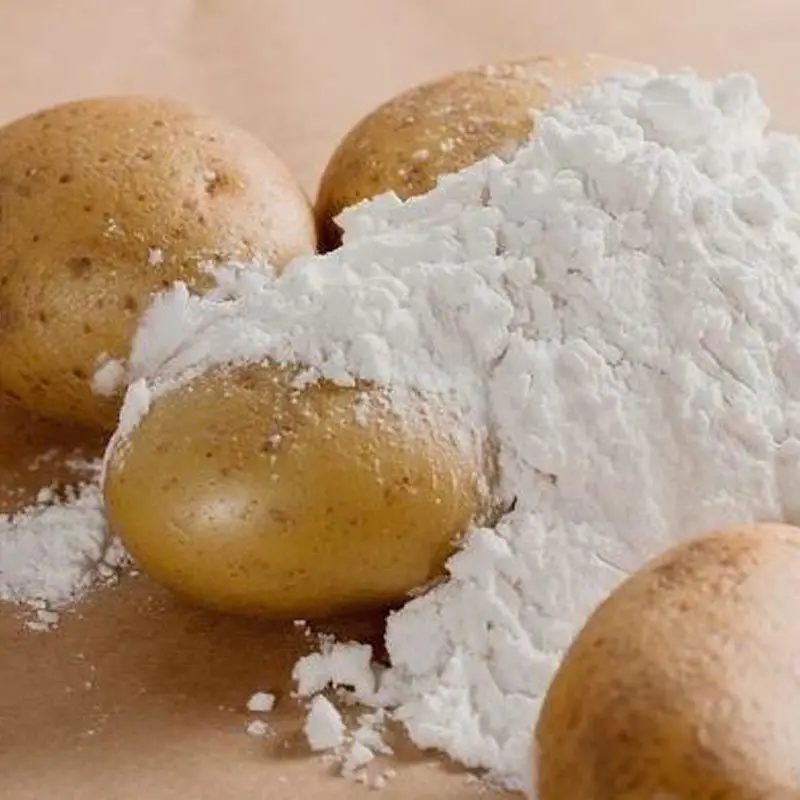
Successful potato starch procurement involves multiple interconnected factors including supplier qualification, quality assurance systems, logistics coordination, and contract management. Companies must navigate varying regional production capacities, seasonal availability fluctuations, and evolving quality specifications while maintaining competitive pricing structures. Developing comprehensive sourcing strategies ensures businesses can secure reliable access to premium potato starch that meets their specific application requirements and regulatory compliance standards.
Understanding Potato Starch Quality Specifications
Chemical Composition Standards
High-quality potato starch exhibits specific chemical characteristics that determine its suitability for different industrial applications. The moisture content typically ranges between eight to twelve percent, ensuring optimal storage stability and processing performance. Protein content should remain below 0.1 percent to prevent unwanted interactions during manufacturing processes, while ash content must stay under 0.15 percent to maintain product purity. These compositional parameters directly influence the functional properties and shelf-life of the final potato starch product.
Starch purity levels represent another critical quality indicator, with premium grades containing ninety-nine percent or higher starch content. The presence of residual cellulose, pentosans, and other non-starch polysaccharides can significantly impact processing behavior and end-product characteristics. Quality specifications also encompass pH levels, typically ranging from 6.0 to 7.0, which affects stability during storage and compatibility with other formulation ingredients.
Physical Property Requirements
The physical characteristics of potato starch play crucial roles in determining processing efficiency and application performance. Particle size distribution affects flow properties, dissolution rates, and texture development in food applications. Premium potato starch typically exhibits uniform granule sizes ranging from 15 to 100 micrometers, with minimal presence of damaged or fragmented particles that could compromise functional performance.
Viscosity properties represent another essential quality parameter, with potato starch demonstrating higher viscosity compared to other starch varieties when prepared under standardized conditions. The clarity of starch pastes, measured through transmittance values, indicates the absence of impurities and proper processing conditions. Color specifications, typically requiring L-values above 95 on the Hunter scale, ensure aesthetic acceptability for consumer-facing applications and minimal interference with final product appearance.
Microbiological Safety Standards
Microbiological quality standards ensure potato starch safety for food, pharmaceutical, and cosmetic applications. Total viable count limits typically require fewer than 1,000 colony-forming units per gram, while yeast and mold counts should remain below 100 CFU per gram. The absence of pathogenic organisms including Salmonella, E. coli, and Staphylococcus aureus represents mandatory requirements for food-grade potato starch products.
Establishing comprehensive microbiological testing protocols enables businesses to verify supplier compliance with safety standards and maintain product integrity throughout the supply chain. Regular monitoring of these parameters helps prevent contamination issues that could compromise product safety and regulatory compliance across different market segments.
Supplier Evaluation and Selection Criteria
Production Capacity Assessment
Evaluating supplier production capacity ensures adequate supply availability to meet business requirements throughout varying demand cycles. Companies must assess annual production volumes, seasonal capacity fluctuations, and expansion capabilities to determine supplier reliability for long-term partnerships. Understanding regional production patterns helps businesses anticipate potential supply constraints during peak harvest seasons or adverse weather conditions that could impact potato availability.
Production facility assessments should examine manufacturing equipment capabilities, processing technology sophistication, and automation levels that influence product quality consistency. Modern potato starch facilities equipped with advanced separation technologies, continuous monitoring systems, and automated quality control processes typically deliver more reliable product specifications compared to conventional operations.
Quality Management Systems
Comprehensive quality management systems demonstrate supplier commitment to consistent potato starch quality and regulatory compliance. ISO 22000, HACCP, and BRC certifications indicate established food safety management protocols that reduce contamination risks and ensure traceability throughout production processes. Suppliers with robust quality systems typically maintain detailed documentation, conduct regular internal audits, and implement corrective action procedures that enhance product reliability.
Laboratory capabilities represent another crucial evaluation factor, with qualified suppliers maintaining in-house testing facilities for chemical, physical, and microbiological analysis. The availability of certified reference standards, calibrated instruments, and trained personnel ensures accurate quality verification before product shipment. Third-party laboratory partnerships can supplement internal capabilities and provide independent verification of quality specifications.
Supply Chain Transparency
Supply chain transparency enables businesses to trace potato starch origins, verify sustainable sourcing practices, and ensure ethical procurement standards. Suppliers should provide detailed information about potato cultivation regions, farming practices, and processing facility locations to support traceability requirements and risk assessment procedures. Understanding the complete supply chain helps businesses identify potential vulnerabilities and develop contingency plans for supply disruptions.
Documentation systems that track raw material sources, processing parameters, and distribution channels provide valuable insights into quality consistency and enable rapid response to quality issues. Suppliers with comprehensive record-keeping systems can quickly identify and isolate potentially affected batches, minimizing business disruption during quality incidents or regulatory investigations.
Procurement Process Optimization
Strategic Sourcing Planning
Strategic sourcing planning involves developing comprehensive procurement strategies that balance quality requirements, cost objectives, and supply security considerations. Businesses should establish clear specifications for potato starch grades, packaging requirements, and delivery schedules while maintaining flexibility to accommodate market fluctuations and seasonal variations. Long-term planning enables companies to negotiate favorable contracts and secure preferred supplier relationships that support business continuity.
Market analysis and forecasting help businesses anticipate price trends, supply availability, and regulatory changes that could impact procurement decisions. Understanding global potato production patterns, processing capacity distributions, and trade regulations enables more informed sourcing strategies and risk mitigation approaches. Regular market intelligence gathering supports proactive procurement adjustments and competitive positioning.
Contract Negotiation Strategies
Effective contract negotiation ensures favorable terms while maintaining supplier relationships and quality standards. Contracts should specify detailed quality parameters, acceptance criteria, and testing procedures to prevent disputes and ensure consistent product delivery. Price mechanisms, including fixed pricing, index-based adjustments, and volume discounts, should align with business forecasts and budget constraints while providing supplier incentives for consistent performance.
Risk allocation clauses address potential supply disruptions, quality failures, and force majeure events that could impact potato starch availability. Well-structured contracts include performance metrics, penalty provisions, and improvement incentives that encourage suppliers to maintain high service levels. Regular contract reviews enable adjustments based on changing business requirements and market conditions.
Technology Integration Solutions
Technology integration streamlines procurement processes and enhances supply chain visibility through digital platforms and automated systems. Electronic procurement systems enable efficient supplier communication, order processing, and documentation management while reducing administrative overhead. Integration with enterprise resource planning systems provides real-time inventory visibility and automated reorder triggers based on consumption patterns and lead times.
Digital quality management platforms facilitate supplier performance monitoring, quality data analysis, and trend identification that support continuous improvement initiatives. Blockchain technology and IoT sensors can enhance traceability, verify authenticity, and provide real-time monitoring of storage conditions during transportation and warehousing. These technological solutions improve procurement efficiency while reducing risks associated with potato starch sourcing operations.
Quality Assurance and Testing Protocols
Incoming Inspection Procedures
Comprehensive incoming inspection procedures verify potato starch quality upon receipt and prevent defective materials from entering production processes. Visual inspection protocols assess package integrity, labeling accuracy, and obvious contamination indicators before conducting detailed analytical testing. Sampling procedures should follow statistical principles to ensure representative quality assessment while minimizing inspection costs and handling requirements.
Rapid testing methods enable quick quality verification for time-sensitive applications, while comprehensive analytical testing provides detailed characterization of critical quality parameters. Testing protocols should align with established specifications and include both routine verification tests and periodic comprehensive analysis to detect subtle quality variations that could impact performance.
Analytical Testing Methods
Analytical testing methods for potato starch encompass chemical composition analysis, physical property evaluation, and microbiological safety assessment. Moisture determination using approved methods ensures accurate measurement of water content that affects storage stability and processing behavior. Protein and ash analysis using standardized procedures verifies purity levels and identifies potential processing issues or contamination sources.
Viscosity testing under controlled conditions provides insights into functional performance and processing suitability for specific applications. Particle size analysis using laser diffraction or microscopic methods characterizes granule distribution and identifies damaged starch that could compromise product performance. These analytical approaches ensure comprehensive quality verification and support consistent manufacturing outcomes.
Documentation and Traceability
Detailed documentation systems track potato starch quality data, supplier performance metrics, and testing results to support regulatory compliance and quality improvement initiatives. Certificate of analysis documents should accompany each shipment and include all critical quality parameters, testing methods, and acceptance criteria. Maintaining comprehensive records enables trend analysis, supplier comparisons, and root cause investigation when quality issues arise.
Traceability systems link incoming potato starch batches to final products, enabling rapid identification and isolation of potentially affected materials during quality incidents. Digital documentation platforms facilitate information sharing, reduce paperwork, and provide searchable databases for historical quality data analysis. Effective documentation supports regulatory audits and demonstrates commitment to quality management excellence.
Cost Management and Efficiency Strategies
Total Cost of Ownership Analysis
Total cost of ownership analysis evaluates all expenses associated with potato starch procurement beyond the initial purchase price. Transportation costs, inventory carrying expenses, quality testing fees, and administrative overhead contribute significantly to overall procurement costs. Understanding these comprehensive cost factors enables more accurate supplier comparisons and identifies opportunities for cost optimization without compromising quality standards.
Hidden costs associated with quality failures, supply disruptions, and regulatory non-compliance can substantially impact total procurement expenses. Calculating these risk-adjusted costs helps justify investments in premium suppliers or quality assurance systems that reduce long-term business risks. Regular cost analysis supports continuous improvement initiatives and enables data-driven procurement decisions.
Inventory Optimization
Inventory optimization balances carrying costs with supply security requirements to minimize total inventory expenses while ensuring production continuity. Economic order quantity calculations consider purchase prices, ordering costs, and storage expenses to determine optimal order sizes for different potato starch grades. Safety stock levels should account for demand variability, supply lead times, and acceptable service level targets.
Advanced inventory management systems utilize demand forecasting, supplier performance data, and seasonal patterns to optimize reorder points and quantities. Just-in-time delivery arrangements with reliable suppliers can reduce inventory investments while maintaining adequate supply availability. Regular inventory reviews identify slow-moving stock and enable proactive management of expiration dates and storage conditions.
Supplier Relationship Management
Strategic supplier relationship management creates mutual value through collaborative partnerships that benefit both buyers and suppliers. Performance measurement systems track delivery reliability, quality consistency, and service responsiveness to identify top-performing suppliers worthy of preferred status and increased business allocation. Regular supplier meetings facilitate communication about market trends, quality improvements, and operational challenges.
Joint improvement initiatives with key potato starch suppliers can reduce costs, enhance quality, and develop innovative solutions that create competitive advantages. Supplier development programs provide technical assistance, training resources, and process improvements that strengthen supplier capabilities and long-term partnership value. These collaborative approaches often yield better results than purely transactional procurement relationships.
FAQ
What are the key quality indicators to evaluate when sourcing potato starch?
Key quality indicators include moisture content (8-12%), protein content (below 0.1%), ash content (under 0.15%), starch purity (above 99%), particle size distribution, viscosity properties, color specifications, and microbiological safety parameters. These factors determine processing performance, storage stability, and application suitability across different industries.
How can businesses ensure reliable potato starch supply throughout the year?
Businesses can ensure reliable supply by diversifying supplier base across different geographic regions, establishing long-term contracts with volume commitments, maintaining strategic inventory levels, developing relationships with backup suppliers, and monitoring seasonal production patterns to anticipate potential supply constraints during harvest fluctuations.
What documentation should suppliers provide for potato starch shipments?
Suppliers should provide certificates of analysis containing all tested parameters, material safety data sheets, allergen declarations, GMO status certificates, organic certifications (if applicable), traceability documentation showing raw material origins, and compliance certificates for relevant food safety standards such as HACCP, ISO 22000, or BRC certifications.
How do transportation and storage conditions affect potato starch quality?
Transportation and storage conditions significantly impact potato starch quality through moisture exposure, temperature fluctuations, and contamination risks. Proper packaging, climate-controlled transportation, dry storage facilities, pest control measures, and first-in-first-out rotation practices help maintain product integrity and prevent quality degradation during distribution and warehousing operations.
Table of Contents
- Understanding Potato Starch Quality Specifications
- Supplier Evaluation and Selection Criteria
- Procurement Process Optimization
- Quality Assurance and Testing Protocols
- Cost Management and Efficiency Strategies
-
FAQ
- What are the key quality indicators to evaluate when sourcing potato starch?
- How can businesses ensure reliable potato starch supply throughout the year?
- What documentation should suppliers provide for potato starch shipments?
- How do transportation and storage conditions affect potato starch quality?