 EN
EN


In the rapidly expanding gluten-free food industry, manufacturers face unique challenges when formulating products that deliver the texture, stability, and consumer satisfaction that gluten traditionally provides. The absence of gluten proteins requires alternative binding and structuring agents that can replicate the functional properties consumers expect from baked goods, processed foods, and various culinary applications. Understanding why specific ingredients matter becomes crucial for maintaining product quality while meeting dietary restrictions.
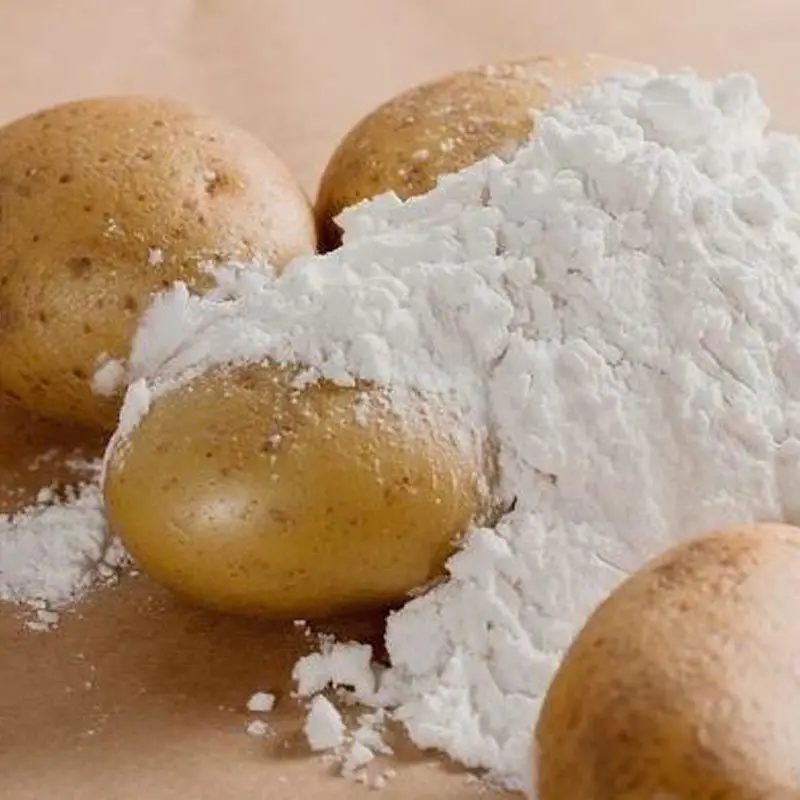
Potato starch has emerged as a cornerstone ingredient in gluten-free manufacturing due to its exceptional functional properties that address the structural and textural challenges inherent in gluten-free formulations. This naturally derived starch offers unique binding characteristics, moisture retention capabilities, and processing advantages that make it indispensable for manufacturers seeking to create high-quality gluten-free products. The significance of potato starch extends beyond simple substitution, as it actively contributes to product performance, shelf stability, and consumer acceptance in ways that distinguish it from other starch alternatives.
Functional Properties That Drive Manufacturing Success
Superior Binding and Structural Characteristics
The molecular structure of potato starch provides exceptional binding properties that are essential for gluten-free manufacturing. Unlike wheat-based gluten networks, potato starch forms flexible gel structures that maintain product integrity while allowing for the soft, appealing textures consumers desire. The amylose and amylopectin ratio in potato starch creates a unique balance between firmness and flexibility, enabling manufacturers to achieve consistent product performance across various applications.
This binding capability becomes particularly important in baked goods, where potato starch helps create the structural framework that prevents crumbling and maintains shape during processing and storage. The starch granules swell uniformly during hydration, creating a cohesive matrix that supports other ingredients while maintaining the delicate balance required for optimal mouthfeel and texture.
Moisture Retention and Shelf Stability Enhancement
One of the most significant advantages of potato starch in gluten-free manufacturing lies in its exceptional moisture retention properties. Gluten-free products often suffer from rapid moisture loss, leading to dry, crumbly textures that negatively impact consumer satisfaction. Potato starch addresses this challenge by forming hydrogen bonds with water molecules, creating a moisture-retaining network that extends product freshness and maintains desirable texture throughout the product lifecycle.
The hygroscopic nature of potato starch allows it to absorb and retain moisture from the surrounding environment, which proves particularly valuable in baked goods and processed foods where moisture migration can compromise product quality. This moisture management capability translates directly into improved shelf stability, reduced product returns, and enhanced consumer satisfaction with gluten-free offerings.
Processing Advantages in Industrial Applications
Temperature Stability and Processing Flexibility
Manufacturing operations benefit significantly from the thermal stability characteristics of potato starch during various processing conditions. The starch maintains its functional properties across a wide temperature range, allowing manufacturers to utilize standard processing equipment and procedures without requiring specialized modifications or adjustments. This compatibility reduces production complexity and maintains consistent output quality across different batch sizes and processing conditions.
The gelatinization temperature of potato starch provides optimal processing windows for most gluten-free manufacturing applications. This temperature characteristic ensures that the starch activates at the appropriate stage of processing, delivering maximum functional benefit while avoiding premature activation that could compromise product quality or processing efficiency.
Compatibility with Gluten-Free Ingredient Systems
The neutral flavor profile and excellent compatibility of potato starch with other gluten-free ingredients make it an ideal foundation for complex formulations. Unlike some alternative starches that may impart off-flavors or create processing challenges, potato starch integrates seamlessly with rice flour, almond flour, tapioca starch, and other common gluten-free ingredients without compromising the final product characteristics.
This compatibility extends to functional additives commonly used in gluten-free manufacturing, including emulsifiers, hydrocolloids, and enzymes. Potato starch works synergistically with these ingredients to enhance overall product performance, creating opportunities for manufacturers to develop innovative formulations that meet specific market demands while maintaining production efficiency.
Economic and Supply Chain Considerations
Cost-Effectiveness in Large-Scale Production
The economic advantages of incorporating potato starch into gluten-free manufacturing operations extend beyond raw material costs to encompass processing efficiency and yield optimization. The high functionality of potato starch allows manufacturers to achieve desired product characteristics with relatively modest inclusion rates, maximizing the cost-effectiveness of formulations while maintaining quality standards that support premium positioning in the marketplace.
Production efficiency gains arise from the predictable performance characteristics of potato starch, which reduce the need for extensive testing and adjustment during manufacturing runs. This consistency translates into reduced waste, improved yield rates, and more reliable production scheduling, all of which contribute to enhanced profitability in competitive gluten-free market segments.
Supply Chain Reliability and Sourcing Advantages
The agricultural foundation of potato starch production provides manufacturers with reliable supply chain access through established global growing regions and processing infrastructure. This reliability becomes increasingly important as gluten-free markets continue to expand and manufacturers require consistent access to high-quality functional ingredients that support growth objectives and market expansion plans.
The standardized quality specifications available for commercial potato starch enable manufacturers to maintain consistent product quality across different supply sources and production periods. This standardization reduces the risk of formulation failures and ensures that product quality remains consistent regardless of supply chain variations or seasonal factors that might affect other ingredient categories.
Market Differentiation and Consumer Acceptance
Clean Label Appeal and Consumer Perception
Modern consumers increasingly prioritize clean label products with recognizable, naturally-derived ingredients. Potato starch aligns perfectly with these consumer preferences, as it represents a simple, understandable ingredient that consumers can easily recognize and accept. This clean label positioning provides manufacturers with marketing advantages and supports premium pricing strategies in competitive gluten-free market segments.
The natural origin of potato starch resonates with health-conscious consumers who seek gluten-free products that align with broader wellness and natural eating trends. This consumer appeal extends beyond the gluten-free community to include general market consumers who choose products based on ingredient transparency and naturalness rather than solely on dietary restrictions.
Quality Differentiation in Competitive Markets
The superior texture and mouthfeel achieved through proper potato starch utilization enable manufacturers to differentiate their products in increasingly crowded gluten-free market segments. Products formulated with potato starch often exhibit texture characteristics that more closely approximate traditional wheat-based products, addressing one of the primary consumer complaints about gluten-free alternatives.
This quality advantage supports brand loyalty and repeat purchase behavior, as consumers who experience superior texture and taste in gluten-free products are more likely to continue purchasing and recommending those products to others. The resulting word-of-mouth marketing and customer retention provide significant competitive advantages in markets where product quality often determines long-term success.
FAQ
How does potato starch compare to other starches in gluten-free baking?
Potato starch offers superior moisture retention and binding properties compared to corn starch or rice starch, making it particularly effective for creating tender, cohesive textures in gluten-free baked goods. Its neutral flavor and excellent gel-forming ability provide more consistent results across different recipe applications, while its fine particle size ensures smooth integration into batters and doughs without creating grainy textures.
What inclusion rates work best for potato starch in gluten-free formulations?
Optimal inclusion rates for potato starch typically range from 10-25% of the total flour blend, depending on the specific application and desired texture characteristics. Baked goods generally perform well with 15-20% potato starch, while processed foods may require adjustments based on other functional ingredients present in the formulation. Testing different ratios helps manufacturers optimize texture and processing performance for their specific products.
Can potato starch improve the freeze-thaw stability of gluten-free products?
Yes, potato starch significantly enhances freeze-thaw stability in gluten-free products by forming flexible gel networks that resist ice crystal formation and maintain texture integrity during temperature cycling. This property makes it particularly valuable for frozen gluten-free products, prepared foods, and items that may experience temperature variations during distribution and storage.
Does potato starch require special handling or storage considerations in manufacturing?
Potato starch requires standard dry ingredient storage conditions with moisture control and temperature stability, similar to other food-grade starches. It should be stored in cool, dry conditions away from direct sunlight and potential contamination sources. The ingredient maintains excellent stability under proper storage conditions and does not require specialized handling equipment or procedures beyond normal food manufacturing protocols.
Table of Contents
- Functional Properties That Drive Manufacturing Success
- Processing Advantages in Industrial Applications
- Economic and Supply Chain Considerations
- Market Differentiation and Consumer Acceptance
-
FAQ
- How does potato starch compare to other starches in gluten-free baking?
- What inclusion rates work best for potato starch in gluten-free formulations?
- Can potato starch improve the freeze-thaw stability of gluten-free products?
- Does potato starch require special handling or storage considerations in manufacturing?