 EN
EN

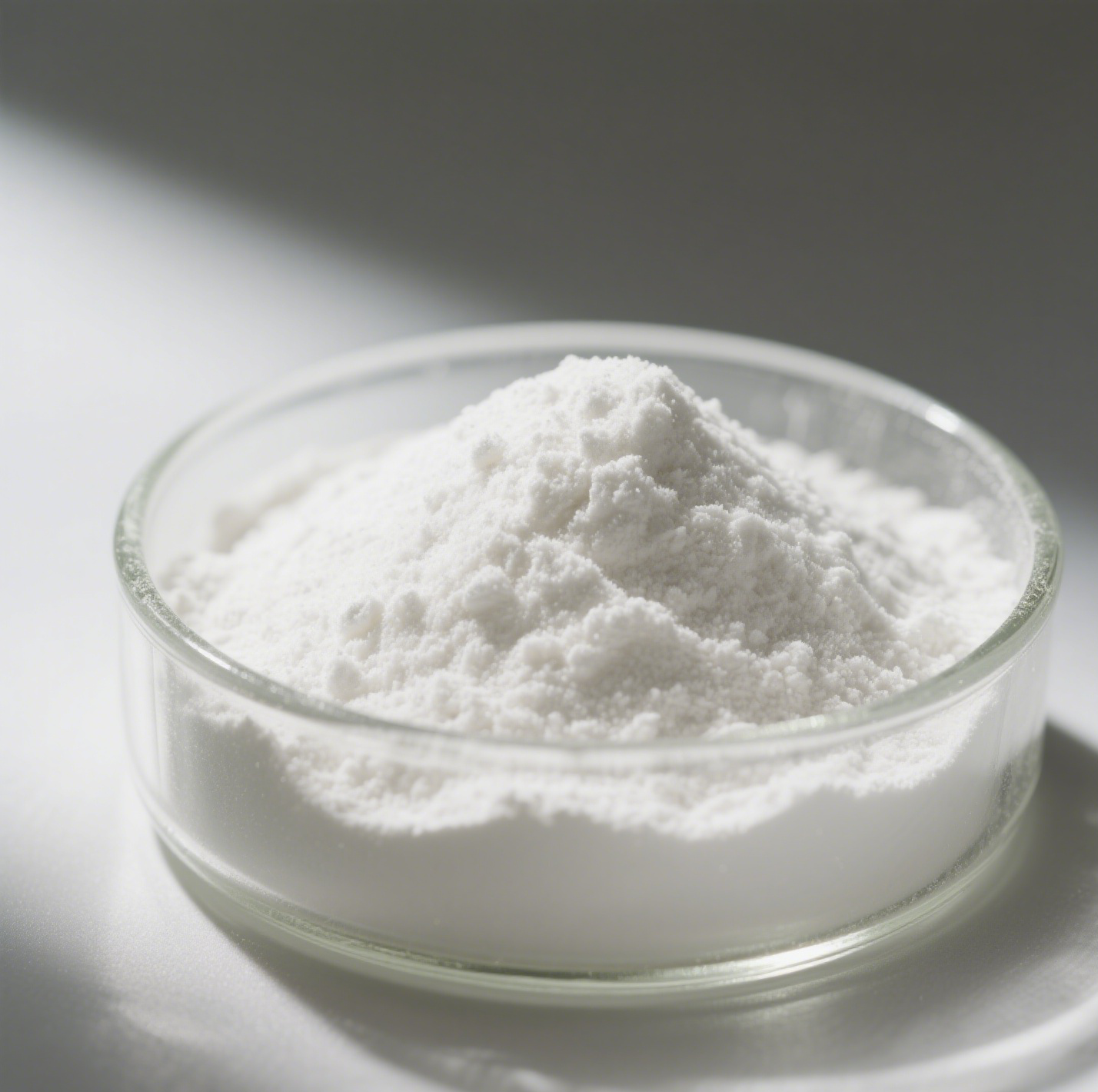
Achieving the perfect balance between sweetness and functionality in food formulations requires careful consideration of ingredient properties and their interactions. Maltodextrin serves as a versatile carbohydrate that food manufacturers increasingly rely upon to deliver controlled sweetness while maintaining essential functional characteristics in their products. This polysaccharide derived from starch hydrolysis offers unique advantages in managing both taste profiles and technical performance across diverse applications.
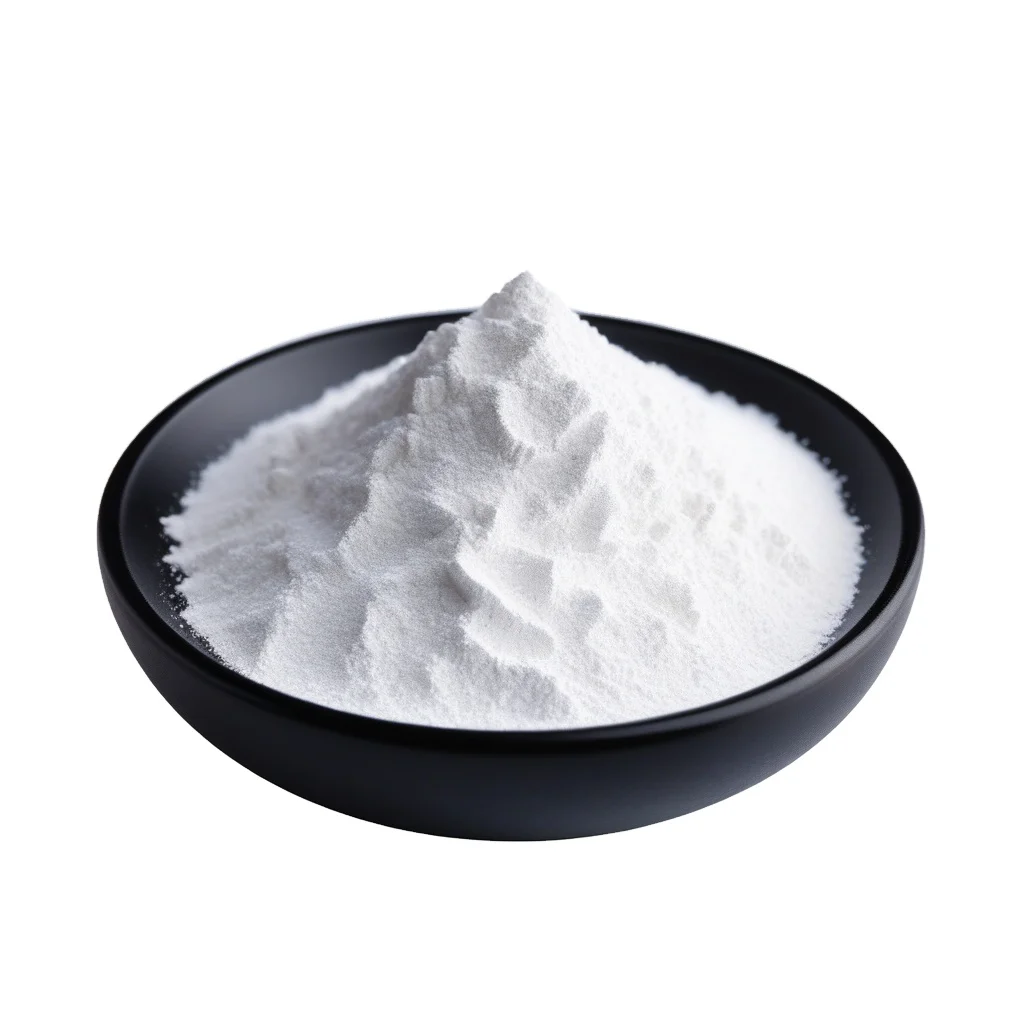
Understanding how to optimize maltodextrin integration involves mastering the relationship between its dextrose equivalent value, molecular weight distribution, and resulting sensory impact. Professional food formulators must navigate complex considerations including sweetness intensity, mouthfeel modification, stability enhancement, and processing compatibility to achieve desired product outcomes. The strategic use of maltodextrin enables manufacturers to reduce sugar content while preserving functionality, making it an essential tool for modern product development.
Understanding Maltodextrin's Dual Role in Food Systems
Sweetness Contribution Mechanisms
Maltodextrin provides mild sweetness through its glucose polymer structure, typically delivering 10-20% of the sweetness intensity found in sucrose depending on its dextrose equivalent rating. The sweetness profile develops gradually on the palate, creating a clean finish without the intense peaks associated with simple sugars. This controlled sweetness delivery allows formulators to layer flavors effectively while maintaining overall palatability in reduced-sugar formulations.
The molecular composition of maltodextrin directly influences its sweetness perception, with lower molecular weight fractions contributing more immediate sweetness while higher molecular weight components provide body and mouthfeel enhancement. Food scientists leverage this dual characteristic to create complex taste experiences that satisfy consumer expectations for both flavor and texture. Understanding these mechanisms enables precise control over the final product's sensory attributes.
Maltodextrin's sweetness integration works synergistically with other sweetening systems, allowing for sophisticated flavor profiling in applications ranging from beverages to baked goods. The compound's ability to mask off-flavors while contributing subtle sweetness makes it particularly valuable in formulations containing high-intensity sweeteners or functional ingredients with challenging taste profiles.
Functional Properties Beyond Sweetness
Beyond its sweetening capabilities, maltodextrin delivers critical functional benefits including moisture retention, texture modification, and shelf-life extension. The hygroscopic nature of maltodextrin helps maintain product moisture balance, preventing staleness and extending freshness in baked goods and snack products. These moisture management properties become especially important in low-sugar formulations where traditional humectants may be reduced.
The film-forming properties of maltodextrin contribute to improved texture and mouthfeel across various food matrices. In powdered applications, it enhances flowability and prevents caking, while in liquid systems it provides body and viscosity modification without excessive sweetness. These functional attributes make maltodextrin an invaluable ingredient for achieving desired product characteristics.
Maltodextrin also serves as an effective carrier for flavors, colors, and other functional ingredients, enhancing their stability and bioavailability. This carrier function enables uniform distribution of sensitive components throughout food matrices while protecting them from degradation during processing and storage. The combination of sweetening and functional properties makes maltodextrin a cost-effective solution for complex formulation challenges.
Optimizing Dextrose Equivalent for Balance
Low DE Maltodextrin Applications
Low dextrose equivalent maltodextrin, typically ranging from DE 3-12, offers minimal sweetness while maximizing functional benefits such as binding, texturizing, and bulking. These variants prove particularly effective in savory applications where sweetness must be controlled while maintaining desired mouthfeel and processing characteristics. The higher molecular weight structure provides excellent film-forming properties and moisture retention without contributing noticeable sweetness to the final product.
In dairy applications, low DE maltodextrin enhances creamy texture and provides body without interfering with natural milk flavors or adding unwanted sweetness. The compound's ability to modify viscosity makes it valuable for creating rich, satisfying textures in reduced-fat formulations. Food manufacturers utilize these properties to maintain consumer acceptance while meeting nutritional reformulation goals.
Low DE maltodextrin also excels in coating applications, providing excellent adhesion and barrier properties for seasonings and functional ingredients. The controlled sweetness level ensures that flavor systems remain balanced while benefiting from improved stability and enhanced sensory delivery. This application versatility makes low DE variants essential for complex food system development.
Medium and High DE Considerations
Medium DE maltodextrin (DE 13-17) offers balanced sweetness and functionality, making it suitable for applications requiring moderate sweetening with retained functional benefits. This range provides more noticeable sweetness contribution while maintaining good solubility and processing characteristics. The intermediate molecular weight distribution enables effective flavor enhancement and texture modification across diverse food categories.
High DE maltodextrin (DE 18-20) approaches the sweetness intensity of glucose while providing superior functionality compared to simple sugars. These variants offer excellent solubility and rapid dissolution, making them ideal for beverage applications and instant products. The increased sweetness contribution allows for more significant sugar reduction while maintaining acceptable taste profiles and functional performance.
Selecting appropriate DE levels requires careful consideration of the target application's sweetness requirements, processing conditions, and desired functional outcomes. Formulators often blend different DE ranges to achieve optimal balance between sweetening power and technical functionality. This blending approach enables fine-tuning of both sensory and performance characteristics to meet specific product requirements.
Application-Specific Formulation Strategies
Beverage System Integration
In beverage formulations, maltodextrin provides body and mouthfeel enhancement while contributing controlled sweetness that complements other sweetening systems. The compound's excellent solubility ensures uniform distribution without creating texture issues or sedimentation problems. Sports drinks and functional beverages particularly benefit from maltodextrin's ability to provide sustained energy release while maintaining palatable taste profiles.
Maltodextrin's low osmolality compared to simple sugars makes it valuable for isotonic and hypotonic beverage formulations where rapid absorption and minimal gastrointestinal stress are priorities. The compound's neutral flavor profile allows fruit and other natural flavors to remain prominent while providing necessary carbohydrate content. This characteristic proves essential for maintaining consumer acceptance in health-focused beverage categories.
Clear beverage applications benefit from maltodextrin's transparency and stability under various pH conditions and processing temperatures. The ingredient's resistance to crystallization ensures product clarity throughout shelf life while providing consistent sweetness delivery. These properties make maltodextrin particularly suitable for premium beverage formulations requiring both aesthetic appeal and functional performance.
Baked Goods and Confectionery Balance
In baked goods, maltodextrin contributes to browning reactions while providing moisture retention and texture enhancement beyond its sweetening contribution. The compound's hygroscopic properties help maintain product softness and extend freshness, critical factors in commercial baking applications. Maltodextrin's interaction with proteins and starches during baking creates desirable texture modifications that enhance overall product quality.
Confectionery applications leverage maltodextrin's anti-crystallization properties to create smooth textures in hard candies and prevent graining in chocolate products. The compound's controlled sweetness allows for complex flavor layering while maintaining structural integrity during processing and storage. These characteristics make maltodextrin essential for achieving professional-quality confectionery products with extended shelf life.
Sugar-reduced baked goods particularly benefit from maltodextrin's ability to provide bulk and binding properties typically contributed by sucrose. The ingredient helps maintain proper dough rheology and final product structure while contributing measured sweetness that supports overall flavor balance. This functionality enables significant sugar reduction without compromising product quality or consumer acceptance.
Quality Control and Optimization Methods
Sensory Evaluation Protocols
Effective sensory evaluation requires systematic assessment of both sweetness intensity and functional performance across the product's intended use conditions. Trained panels should evaluate maltodextrin-containing formulations using standardized protocols that measure sweetness perception, mouthfeel characteristics, and overall flavor integration. These assessments must consider temporal aspects of sweetness delivery, including onset, peak intensity, and finish characteristics.
Triangle tests and descriptive analysis help identify optimal maltodextrin levels for specific applications while ensuring that functional benefits don't compromise sensory acceptance. Evaluators should assess products under realistic consumption conditions, including temperature, serving size, and consumption context. This comprehensive approach ensures that laboratory formulations translate effectively to real-world consumer experiences.
Consumer preference testing validates technical optimization by confirming that maltodextrin integration meets market expectations for taste, texture, and overall product satisfaction. These studies should include comparative analysis against conventional formulations to quantify consumer acceptance of reformulated products. Regular sensory monitoring throughout product development ensures consistent quality and optimal balance achievement.
Analytical Testing and Monitoring
Analytical testing protocols must monitor both chemical composition and functional performance parameters to ensure consistent maltodextrin integration. Dextrose equivalent verification confirms ingredient specifications while moisture content analysis ensures proper hydration levels for optimal functionality. These measurements provide objective data supporting sensory evaluations and process optimization efforts.
Rheological testing evaluates how maltodextrin influences product flow properties, viscosity, and texture development during processing and storage. Texture analysis using instrumental methods complements sensory evaluation by providing quantitative data on hardness, cohesiveness, and other mechanical properties. These analytical approaches enable precise control over functional outcomes while maintaining desired sweetness profiles.
Stability testing under accelerated and real-time conditions monitors how maltodextrin performs throughout product shelf life. Parameters including moisture migration, texture changes, and flavor stability require regular assessment to ensure consistent product quality. This monitoring approach identifies potential issues early in development, enabling proactive formulation adjustments before commercial production.
FAQ
What DE level of maltodextrin provides the best sweetness-to-functionality ratio?
Medium DE maltodextrin (DE 13-17) typically offers the optimal balance between sweetness contribution and functional benefits for most applications. This range provides noticeable but controlled sweetness while maintaining excellent binding, texturizing, and moisture retention properties. The specific optimal DE level depends on your application requirements, with beverages often favoring higher DE while baked goods may benefit from lower DE variants.
Can maltodextrin completely replace sugar while maintaining product functionality?
Maltodextrin cannot completely replace sugar on a 1:1 basis due to its lower sweetness intensity, typically requiring combination with other sweeteners to achieve equivalent sweetness levels. However, it can replace sugar's functional properties including bulk, binding, and moisture retention while contributing measured sweetness. Most successful reformulations use maltodextrin as part of a sweetening system that includes high-intensity sweeteners or other sugar alternatives.
How does maltodextrin affect the shelf life of food products?
Maltodextrin generally extends product shelf life through its moisture management properties, hygroscopicity, and protective effects on other ingredients. It helps maintain optimal moisture levels, prevents staleness, and can encapsulate sensitive compounds to protect them from degradation. The film-forming properties also create barrier effects that enhance product stability during storage and distribution.
What processing considerations are important when using maltodextrin for sweetness balance?
Processing temperature, pH conditions, and hydration time significantly impact maltodextrin performance and integration. Higher temperatures may affect molecular structure and sweetness perception, while pH extremes can influence stability and functionality. Proper hydration ensures complete dissolution and uniform distribution, while mixing parameters affect final texture and mouthfeel characteristics. These factors require careful control to achieve optimal sweetness and functional balance.
Table of Contents
- Understanding Maltodextrin's Dual Role in Food Systems
- Optimizing Dextrose Equivalent for Balance
- Application-Specific Formulation Strategies
- Quality Control and Optimization Methods
-
FAQ
- What DE level of maltodextrin provides the best sweetness-to-functionality ratio?
- Can maltodextrin completely replace sugar while maintaining product functionality?
- How does maltodextrin affect the shelf life of food products?
- What processing considerations are important when using maltodextrin for sweetness balance?