 EN
EN

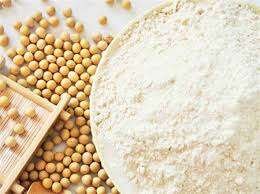
Sports and energy food manufacturers consistently turn to soy protein as their primary protein source, and this choice reflects decades of scientific validation and practical performance benefits. The widespread adoption of soy protein across the athletic nutrition industry stems from its unique combination of complete amino acid profiles, rapid digestibility, and manufacturing versatility that meets the demanding requirements of high-performance products.
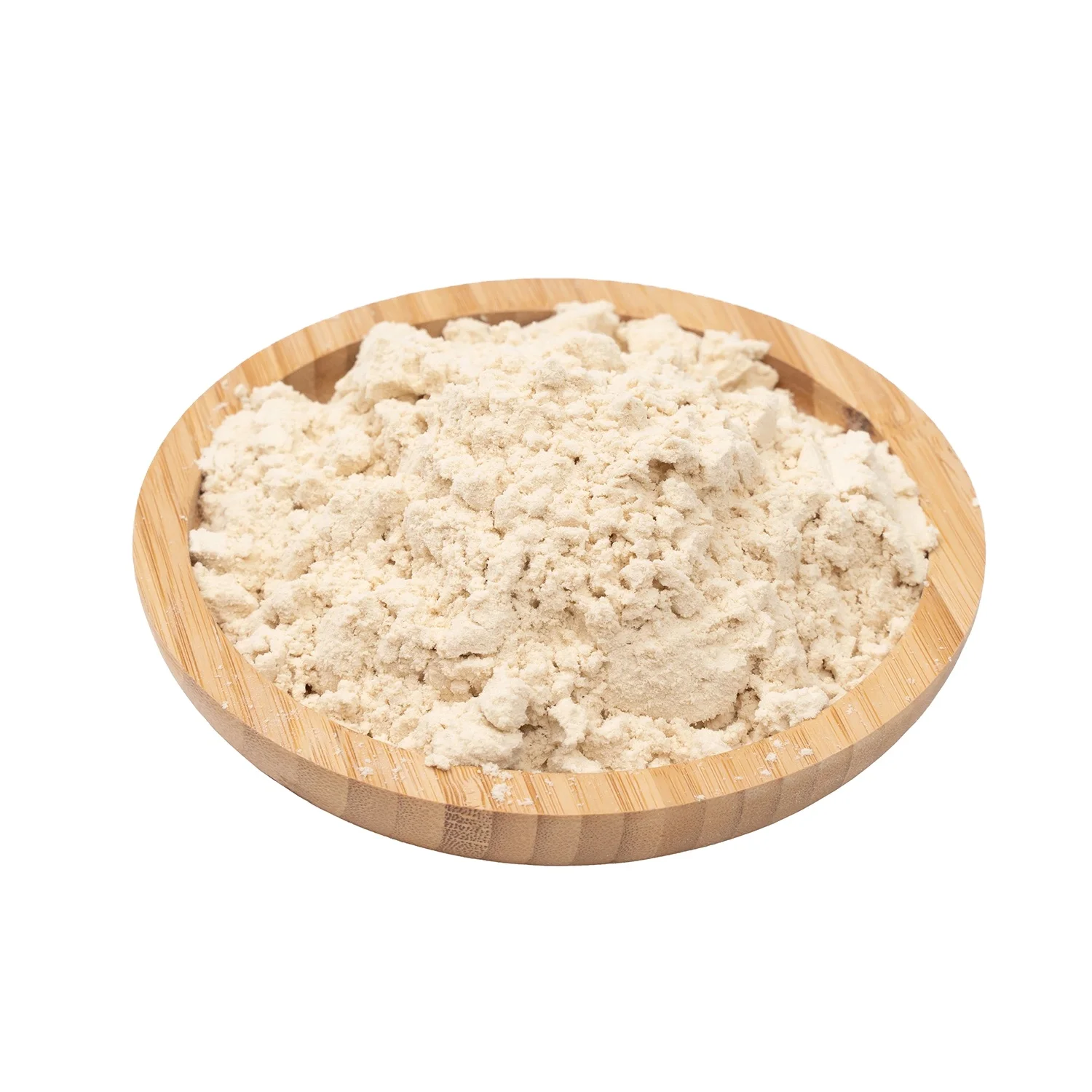
The dominance of soy protein in sports nutrition represents a convergence of nutritional science, economic efficiency, and consumer acceptance that few other protein sources can match. From energy bars to protein powders, recovery drinks to meal replacements, soy protein delivers the essential building blocks that athletes and fitness enthusiasts require while offering manufacturers the processing characteristics needed for consistent, high-quality products.
Complete Nutritional Profile Drives Athletic Performance
Essential Amino Acid Composition
Soy protein stands out in the sports nutrition landscape because it provides all nine essential amino acids that the human body cannot synthesize independently. This complete amino acid profile makes soy protein particularly valuable for muscle protein synthesis, the fundamental process that drives muscle growth, repair, and recovery after intense physical activity. Unlike many plant-based proteins that lack one or more essential amino acids, soy protein delivers a balanced amino acid spectrum that rivals animal-based proteins.
The leucine content in soy protein reaches approximately 8% of total protein content, providing sufficient levels of this critical branched-chain amino acid that triggers muscle protein synthesis pathways. This leucine threshold is essential for maximizing the anabolic response to protein consumption, making soy protein an effective choice for athletes seeking to optimize their training adaptations and recovery processes.
Research demonstrates that soy protein consumption can effectively stimulate muscle protein synthesis rates comparable to whey protein when consumed in appropriate quantities. The amino acid composition of soy protein supports both immediate post-exercise recovery needs and long-term muscle development goals, explaining why sports nutrition formulators consistently include soy protein in their product specifications.
Protein Quality Metrics
The Protein Digestibility Corrected Amino Acid Score (PDCAAS) for soy protein reaches 1.0, the highest possible rating that indicates optimal protein quality for human nutrition. This maximum score reflects soy protein's ability to provide amino acids in proportions that closely match human physiological requirements, making it an ideal foundation for sports and energy food formulations.
Biological value measurements show that soy protein achieves approximately 90-95% utilization efficiency, meaning that the vast majority of consumed soy protein contributes directly to muscle protein synthesis and metabolic functions. This high biological value ensures that athletes receive maximum nutritional benefit from each gram of soy protein consumed, optimizing the protein-to-calorie ratio that is crucial in sports nutrition products.
The digestible indispensable amino acid score (DIAAS) for soy protein consistently exceeds 100% for most essential amino acids, indicating that soy protein not only meets but often surpasses the amino acid requirements for muscle protein synthesis. These quality metrics provide scientific validation for the widespread use of soy protein in performance-oriented nutrition products.
Functional Properties Enable Superior Product Development
Processing Versatility
Soy protein offers exceptional functional properties that make it indispensable for sports and energy food manufacturing. The protein's ability to form stable gels, emulsions, and foams allows food technologists to create diverse product formats while maintaining consistent texture, mouthfeel, and nutritional delivery. These functional characteristics enable manufacturers to develop everything from chewy energy bars to smooth protein beverages using soy protein as the primary protein source.
The water-binding capacity of soy protein helps retain moisture in energy bars and baked goods, preventing the dry, crumbly texture that can make sports nutrition products unpalatable during intense physical activity. This moisture retention also extends product shelf life and maintains nutritional stability throughout storage and distribution, critical factors for commercial sports nutrition success.
Heat stability of soy protein allows for various processing methods including baking, extrusion, and high-temperature mixing without significant protein degradation. This processing flexibility enables manufacturers to create innovative product formats and textures while preserving the nutritional integrity that athletes depend on for performance and recovery benefits.
Solubility and Mixability
Modern soy protein isolates demonstrate excellent solubility characteristics that make them ideal for powdered sports supplements and instant-mix products. The ability of soy protein to dissolve completely in water without forming clumps or settling ensures consistent protein delivery and enhanced user experience, particularly important for athletes who need quick, convenient nutrition solutions.
The neutral pH behavior of soy protein allows it to maintain stability and solubility across a wide range of formulation conditions. This pH tolerance enables manufacturers to incorporate various flavoring systems, vitamins, minerals, and other functional ingredients without compromising protein solubility or creating undesirable interactions that could affect product quality.
Particle size distribution in processed soy protein can be controlled to optimize mouthfeel and mixing properties. Fine particle soy protein creates smooth, creamy textures in liquid applications, while specific particle size profiles can enhance the bite and chew characteristics desired in solid sports nutrition products like energy bars and protein cookies.
Economic Advantages Support Market Accessibility
Cost-Effective Protein Source
The economic efficiency of soy protein makes high-quality sports nutrition accessible to a broader consumer base while maintaining healthy profit margins for manufacturers. Compared to animal-based proteins, soy protein offers significant cost advantages that allow sports nutrition companies to create premium products at competitive price points, expanding market reach and consumer adoption.
Supply chain stability for soy protein reduces the price volatility that can disrupt sports nutrition manufacturing and product pricing. The established global soybean production infrastructure ensures consistent availability and predictable pricing for soy protein, enabling manufacturers to maintain stable product costs and reliable production schedules that are essential for brand consistency and consumer trust.
Processing efficiency of soy protein requires less energy and fewer processing steps compared to many alternative protein sources, contributing to overall manufacturing cost reductions. These savings can be passed on to consumers or reinvested in product development, quality improvements, and marketing efforts that drive category growth and brand success.
Scaling and Manufacturing Benefits
Large-scale production capabilities for soy protein support the volume requirements of major sports nutrition brands and contract manufacturers. The ability to source soy protein in consistent quantities with standardized specifications enables efficient production planning and inventory management, critical factors for maintaining product availability and meeting seasonal demand fluctuations in sports nutrition markets.
Quality consistency across production batches ensures that sports nutrition products maintain uniform nutritional profiles and sensory characteristics. This batch-to-batch reliability reduces quality control costs, minimizes product recalls, and builds consumer confidence in brand consistency that drives repeat purchases and brand loyalty in competitive sports nutrition markets.
Regulatory compliance for soy protein is well-established across global markets, simplifying the approval process for new product launches and international expansion. The extensive safety data and regulatory acceptance for soy protein reduces development timelines and regulatory costs compared to newer or less established protein sources.
Consumer Acceptance Drives Market Demand
Dietary Compatibility
Soy protein addresses multiple dietary preferences and restrictions that are increasingly important in sports nutrition markets. The plant-based nature of soy protein appeals to vegetarian and vegan athletes who require high-quality protein sources that align with their ethical and dietary choices while supporting their performance goals and training demands.
Lactose-free characteristics of soy protein make it suitable for lactose-intolerant consumers who cannot effectively utilize dairy-based protein products. This digestive compatibility eliminates the gastrointestinal distress that can negatively impact athletic performance, making soy protein an attractive alternative for athletes with dairy sensitivities or those following elimination diets.
Allergen considerations for soy protein require disclosure but affect a smaller percentage of the population compared to dairy proteins. While soy is a recognized allergen, the prevalence of soy sensitivity is significantly lower than lactose intolerance, making soy protein accessible to a larger portion of the sports nutrition market while still providing clear labeling for affected consumers.
Taste and Sensory Acceptance
Flavor neutrality of modern soy protein isolates provides manufacturers with a versatile base that readily accepts various flavoring systems without contributing unwanted off-flavors or aftertastes. This neutral profile enables the creation of diverse flavor offerings that appeal to different consumer preferences and seasonal trends in sports nutrition products.
Texture enhancement capabilities of soy protein contribute to the satisfying mouthfeel that consumers expect from premium sports nutrition products. The ability of soy protein to create smooth, creamy textures in beverages and substantial, chewy textures in bars helps manufacturers meet consumer expectations for product quality and eating experience.
Processing innovations have eliminated many of the beany or grain-like flavors historically associated with soy protein, creating products that rival animal-based proteins in taste acceptance. These improvements in sensory quality have expanded consumer acceptance and reduced the flavor masking requirements that can compromise nutritional density or increase formulation costs.
Scientific Evidence Supports Performance Benefits
Muscle Protein Synthesis Research
Clinical studies demonstrate that soy protein consumption effectively stimulates muscle protein synthesis rates that support muscle growth, repair, and adaptation to training stimuli. Research comparing soy protein to other protein sources shows equivalent or superior muscle protein synthesis responses when consumed in appropriate quantities and timing relative to exercise sessions.
Long-term training studies indicate that soy protein supplementation supports strength gains, muscle mass increases, and performance improvements comparable to those achieved with animal-based proteins. These findings validate the use of soy protein in sports nutrition products designed to support training adaptations and athletic performance goals across various sports and training modalities.
Dose-response research has established optimal consumption patterns for soy protein that maximize muscle protein synthesis while providing practical guidance for product formulation. Studies show that 20-25 grams of high-quality soy protein can effectively stimulate muscle protein synthesis, providing clear targets for sports nutrition product development and consumer education.
Recovery and Adaptation Benefits
Post-exercise recovery studies show that soy protein consumption accelerates the restoration of muscle glycogen, reduces markers of muscle damage, and improves subsequent exercise performance. These recovery benefits make soy protein particularly valuable in products designed for athletes with high training volumes or frequent competition schedules where rapid recovery is essential.
Antioxidant compounds naturally present in soy protein contribute additional recovery benefits by reducing exercise-induced oxidative stress and inflammation. These bioactive compounds work synergistically with the amino acids to support comprehensive recovery processes that extend beyond basic protein synthesis needs.
Adaptation enhancement research indicates that regular soy protein consumption may improve training adaptations and performance gains over time. Studies suggest that the consistent use of soy protein in sports nutrition regimens can optimize the physiological adaptations that result from systematic training programs, making it a valuable long-term nutrition strategy for serious athletes.
FAQ
How does soy protein compare to whey protein for muscle building?
Soy protein provides comparable muscle-building benefits to whey protein when consumed in appropriate quantities. Research shows that both proteins effectively stimulate muscle protein synthesis and support strength and muscle mass gains during training programs. The key difference lies in digestion speed, with whey being absorbed slightly faster, but this difference becomes negligible when soy protein is consumed as part of regular meals or supplements throughout the day.
Is soy protein suitable for endurance athletes?
Soy protein is highly suitable for endurance athletes due to its complete amino acid profile, digestibility, and recovery benefits. Endurance athletes benefit from soy protein's ability to support muscle repair after long training sessions while providing sustained amino acid availability. The plant-based nature of soy protein also makes it easier to digest during periods of high training volume when gastrointestinal sensitivity may be elevated.
Can soy protein help with weight management in athletes?
Soy protein supports weight management goals in athletes by providing high-quality protein with relatively low calories and minimal fat content. The protein helps maintain muscle mass during calorie restriction while promoting satiety that can reduce overall calorie intake. Studies indicate that soy protein consumption may also support healthy metabolism and body composition changes when combined with appropriate exercise and nutrition programs.
Does soy protein affect hormone levels in athletes?
Current research indicates that soy protein consumption at typical sports nutrition levels does not negatively affect hormone levels in healthy athletes. Multiple studies have examined testosterone, estrogen, and other hormone markers in athletes consuming soy protein supplements and found no clinically significant changes. The isoflavone compounds in soy protein are present in relatively low concentrations in processed protein products and do not appear to impact athletic performance or hormone balance when consumed as part of a balanced diet.