 EN
EN


Processed food manufacturers constantly seek ingredients that enhance product quality while maintaining cost-effectiveness and consumer appeal. Among natural starches, potato starch has emerged as a versatile solution that addresses multiple production challenges simultaneously. This native starch offers unique functional properties that distinguish it from other carbohydrate sources, making it particularly valuable in modern food processing operations.
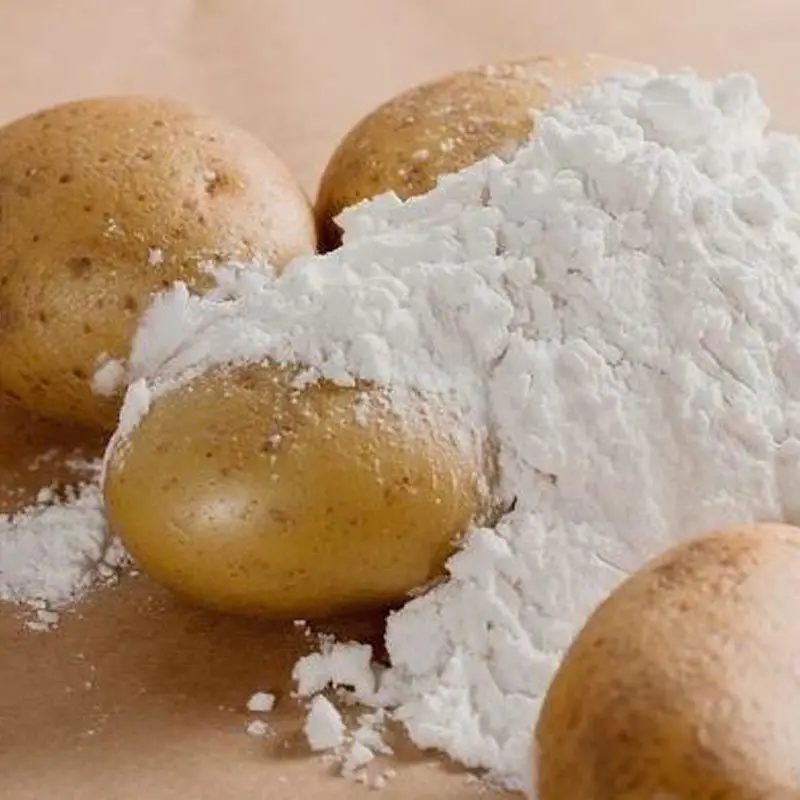
Understanding the specific benefits of potato starch in processed food production requires examining its molecular structure, functional capabilities, and practical applications across diverse product categories. Food technologists increasingly recognize potato starch as more than just a thickening agent, appreciating its role in texture modification, shelf-life extension, and quality enhancement throughout various manufacturing processes.
Superior Functional Properties in Food Processing
Enhanced Texture Development
Potato starch delivers exceptional texture modification capabilities that significantly improve the mouthfeel and structural integrity of processed foods. Its high molecular weight and unique amylose-to-amylopectin ratio create distinctive gel characteristics that surpass many conventional starches. When hydrated and heated, potato starch forms clear, elastic gels with remarkable stability, making it ideal for applications requiring smooth textures without grittiness or unwanted opacity.
The gel strength of potato starch remains consistent across various pH levels and temperature ranges commonly encountered in food processing. This stability ensures that products maintain their intended texture throughout production, storage, and consumption phases. Unlike some alternative starches that may break down under mechanical stress, potato starch maintains its structural integrity during mixing, pumping, and packaging operations, reducing product defects and quality variations.
Food manufacturers particularly value potato starch for its ability to create creamy textures without dairy ingredients, supporting clean-label initiatives and accommodating dietary restrictions. The starch binds water effectively while maintaining a pleasant mouthfeel, enabling the production of dairy-free sauces, soups, and desserts that closely mimic traditional formulations containing milk or cream.
Exceptional Binding and Thickening Performance
The binding properties of potato starch exceed those of many competing ingredients, providing superior cohesion in processed meat products, baked goods, and extruded snacks. Its ability to absorb and retain moisture creates stronger product matrices that resist cracking, crumbling, or separation during processing and storage. This enhanced binding capability reduces production waste and improves yield consistency across manufacturing runs.
Potato starch demonstrates excellent thickening efficiency, requiring smaller quantities compared to other starches to achieve desired viscosity levels. This concentration advantage translates to cost savings and reduced ingredient complexity while maintaining product performance standards. The thickening action occurs rapidly and uniformly, minimizing processing time and energy consumption during production.
Temperature stability during thickening processes makes potato starch particularly suitable for high-heat applications such as canning, retort processing, and industrial cooking systems. The starch maintains its thickening properties without breaking down or losing effectiveness, ensuring consistent product quality regardless of thermal processing requirements.
Quality Enhancement and Shelf-Life Benefits
Moisture Management and Retention
Effective moisture control represents a critical factor in processed food quality, and potato starch excels in both moisture absorption and retention applications. Its hygroscopic properties allow controlled water binding that prevents excessive moisture loss during storage while simultaneously preventing moisture-related quality degradation such as texture changes or microbial growth promotion.
In baked goods, potato starch helps maintain optimal moisture levels that preserve softness and extend freshness periods. The starch creates a moisture barrier that slows staling processes, keeping products appealing to consumers for longer periods. This moisture management capability reduces the need for artificial preservatives while improving overall product quality and consumer satisfaction.
Frozen food applications benefit significantly from potato starch moisture management properties. The starch minimizes ice crystal formation and prevents freeze-thaw damage that can compromise texture and appearance. This protection maintains product integrity throughout cold chain distribution and reduces quality losses that typically occur with repeated temperature fluctuations.
Improved Freeze-Thaw Stability
Potato starch provides exceptional freeze-thaw stability that makes it invaluable for frozen and refrigerated processed foods. Unlike many starches that become grainy or separate after freezing, potato starch maintains its smooth texture and binding properties through multiple freeze-thaw cycles. This stability ensures that frozen meals, sauces, and prepared foods retain their intended quality characteristics from production through consumer preparation.
The molecular structure of potato starch resists syneresis, the separation of liquid from gel structures that commonly affects frozen products. This resistance prevents the formation of ice pockets and maintains uniform texture distribution throughout frozen products. Manufacturers can therefore produce frozen items with confidence that quality will remain consistent during extended storage periods.
Retrogradation resistance in potato starch further enhances freeze-thaw performance by preventing the formation of resistant starch structures that can create undesirable textures. This property ensures that reheated frozen foods maintain their original texture characteristics, improving consumer acceptance and reducing product returns or complaints.
Production Efficiency and Cost-Effectiveness
Streamlined Processing Operations
Incorporating potato starch into processed food formulations often simplifies manufacturing procedures while improving operational efficiency. The starch dissolves readily in cold water, eliminating the need for pre-cooking or complex preparation steps that some alternative ingredients require. This cold-water solubility reduces energy consumption and processing time while maintaining consistent results across production batches.
Equipment compatibility represents another significant advantage of potato starch in industrial food production. The ingredient flows smoothly through processing equipment without causing buildup or clogging issues that can interrupt production schedules. Its neutral behavior with processing aids and other ingredients minimizes formulation complications and reduces the risk of batch failures or quality deviations.
Potato starch exhibits excellent shear stability, maintaining its functional properties even under high-speed mixing or pumping conditions. This durability prevents ingredient breakdown during intensive processing operations, ensuring that final products achieve their intended quality specifications without requiring process modifications or specialized handling procedures.
Formulation Flexibility and Ingredient Synergy
The neutral flavor profile of potato starch makes it compatible with virtually any food formulation without introducing unwanted tastes or odors. This neutrality allows food developers to focus on achieving desired flavors without compensating for ingredient interference, simplifying recipe development and reducing the need for masking agents or flavor enhancers.
Potato starch works synergistically with other common food ingredients, including proteins, fats, acids, and preservatives, without creating adverse interactions or stability issues. This compatibility enables manufacturers to optimize formulations for multiple objectives simultaneously, such as improving nutrition profiles while maintaining desirable textures and extending shelf life.
The ingredient's ability to function effectively across wide pH and temperature ranges provides formulation flexibility that accommodates diverse product categories and processing conditions. Whether producing acidic sauces, alkaline noodles, or neutral dairy alternatives, potato starch maintains consistent performance that simplifies quality control and reduces formulation constraints.
Nutritional and Clean-Label Advantages
Natural Ingredient Appeal
Consumer demand for natural, recognizable ingredients has made potato starch increasingly valuable in processed food formulations seeking clean-label positioning. As a minimally processed derivative of potatoes, this starch satisfies consumer preferences for simple, understandable ingredient lists while delivering the functional performance required for commercial food production.
The non-GMO status of many potato starch sources aligns with consumer preferences and regulatory requirements in markets emphasizing genetic modification transparency. This natural positioning supports premium product positioning and appeals to health-conscious consumers who scrutinize ingredient labels for artificial or synthetic additives.
Potato starch contains no gluten, making it suitable for celiac-friendly formulations and expanding market reach for manufacturers seeking to serve specialized dietary needs. This gluten-free status enables the development of inclusive products that maintain mainstream appeal while accommodating consumers with specific dietary restrictions or preferences.
Nutritional Profile Contributions
While primarily serving functional roles, potato starch contributes beneficial nutritional characteristics to processed foods. Its resistant starch content provides prebiotic benefits that support digestive health, adding nutritional value beyond basic carbohydrate provision. This functional nutrition aspect enhances product appeal for health-focused market segments.
The lower glycemic impact of potato starch compared to simple sugars helps manufacturers create products that align with diabetes-friendly dietary guidelines without sacrificing taste or texture quality. This characteristic supports the development of products targeting consumers managing blood sugar levels or following specific nutritional protocols.
Potato starch provides energy density without excessive caloric contribution, enabling the creation of satisfying products that support portion control objectives. This balance between satiety and caloric efficiency appeals to consumers seeking satisfying foods that align with weight management goals.
Industry Applications and Market Advantages
Versatile Product Category Applications
The food processing industry utilizes potato starch across numerous product categories, each benefiting from specific functional properties. In dairy alternatives, potato starch creates creamy textures that closely mimic traditional milk-based products while maintaining stability under various storage and preparation conditions. This versatility enables manufacturers to develop plant-based products that satisfy consumer expectations for familiar textures and mouthfeel.
Meat processing applications leverage potato starch binding properties to improve yield and reduce cooking losses while maintaining product integrity. The starch helps retain natural juices and prevents texture degradation during thermal processing, resulting in higher-quality finished products that command premium pricing and improved customer satisfaction.
Snack food manufacturers utilize potato starch to achieve specific texture profiles, from crispy coatings to chewy centers, depending on processing conditions and formulation approaches. This flexibility enables product differentiation and innovation opportunities that support brand development and market expansion strategies.
Competitive Market Positioning
Products incorporating potato starch often achieve superior quality characteristics that support premium positioning and improved profit margins. The enhanced texture, stability, and shelf-life benefits translate to reduced product returns, improved customer satisfaction, and stronger brand loyalty. These quality improvements justify higher pricing strategies while reducing overall production costs through improved efficiency and reduced waste.
Supply chain advantages associated with potato starch include reliable availability and consistent quality specifications that support large-scale manufacturing operations. The established production infrastructure for potato starch ensures stable pricing and reduces supply risk compared to more exotic or specialized ingredients with limited production capacity.
Regulatory acceptance of potato starch across international markets facilitates global product distribution without extensive reformulation requirements. This regulatory alignment reduces market entry costs and accelerates expansion into new geographic regions, supporting business growth objectives and international competitiveness.
FAQ
How does potato starch compare to corn starch in processed food applications?
Potato starch offers superior gel strength, clarity, and freeze-thaw stability compared to corn starch. While corn starch may be more cost-effective in some applications, potato starch provides better texture control, requires lower usage levels, and maintains functionality across wider temperature and pH ranges, making it more suitable for premium processed food formulations requiring consistent quality.
Can potato starch replace wheat flour in gluten-free processed foods?
Potato starch serves as an excellent partial replacement for wheat flour in gluten-free formulations, particularly for binding and texture modification. However, complete replacement typically requires blending with other gluten-free flours and binding agents to achieve optimal taste and texture. Potato starch excels at providing structure and moisture retention that wheat flour normally contributes to processed food products.
What storage considerations apply to processed foods containing potato starch?
Processed foods containing potato starch generally require standard storage conditions with attention to moisture control and temperature stability. The starch enhances product stability under normal storage conditions but may require modified atmosphere packaging for extended shelf life. Proper storage maintains the functional benefits of potato starch throughout the product's intended shelf life without special handling requirements.
Does potato starch affect the nutritional labeling of processed foods?
Potato starch appears on ingredient labels as a recognizable, natural ingredient that supports clean-label positioning. Nutritionally, it contributes carbohydrates and calories to products while providing some resistant starch benefits. The ingredient typically improves the overall nutritional profile by enabling reduced fat or sugar formulations while maintaining desirable texture and taste characteristics.