Tripolyphosphate in Food: Quality & Shelf Life

Get a Free Quote

Our representative will contact you soon.
Email
Name
Company Name
products
Mobile
Message
0/1000

tripolyphosphate in food

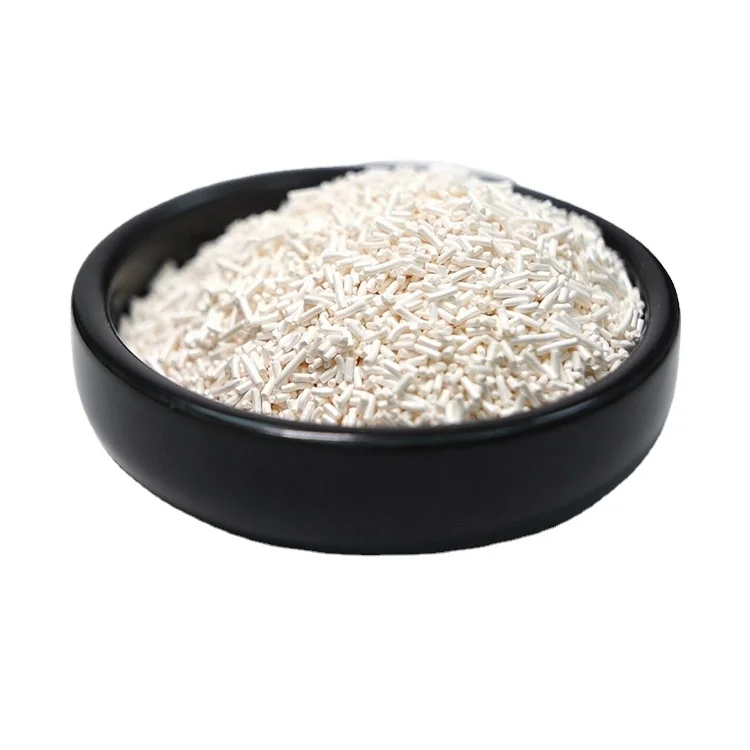
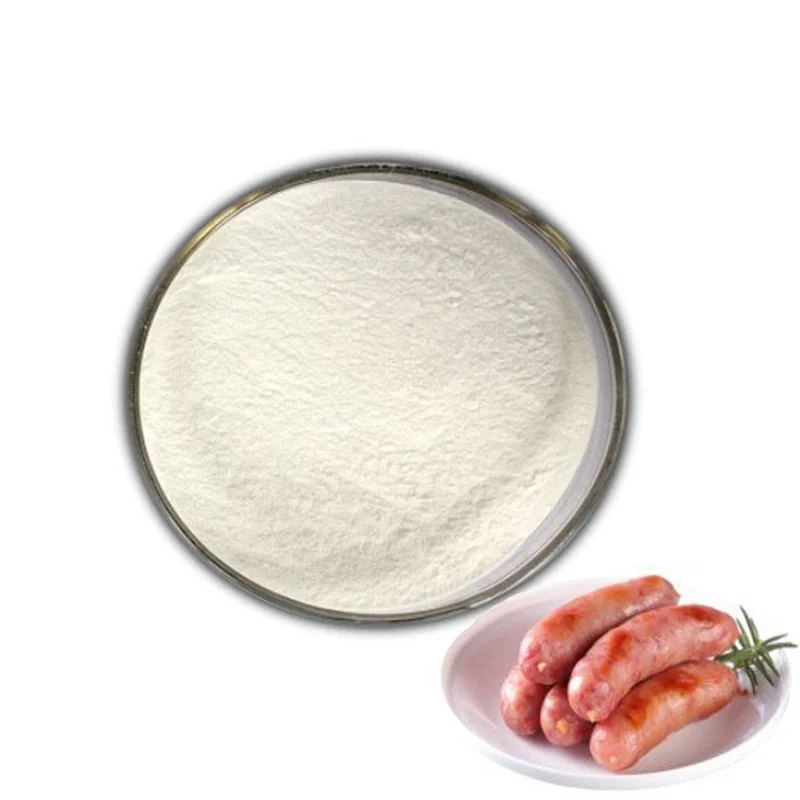
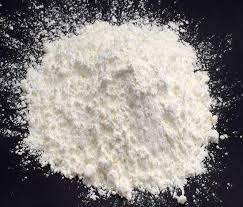
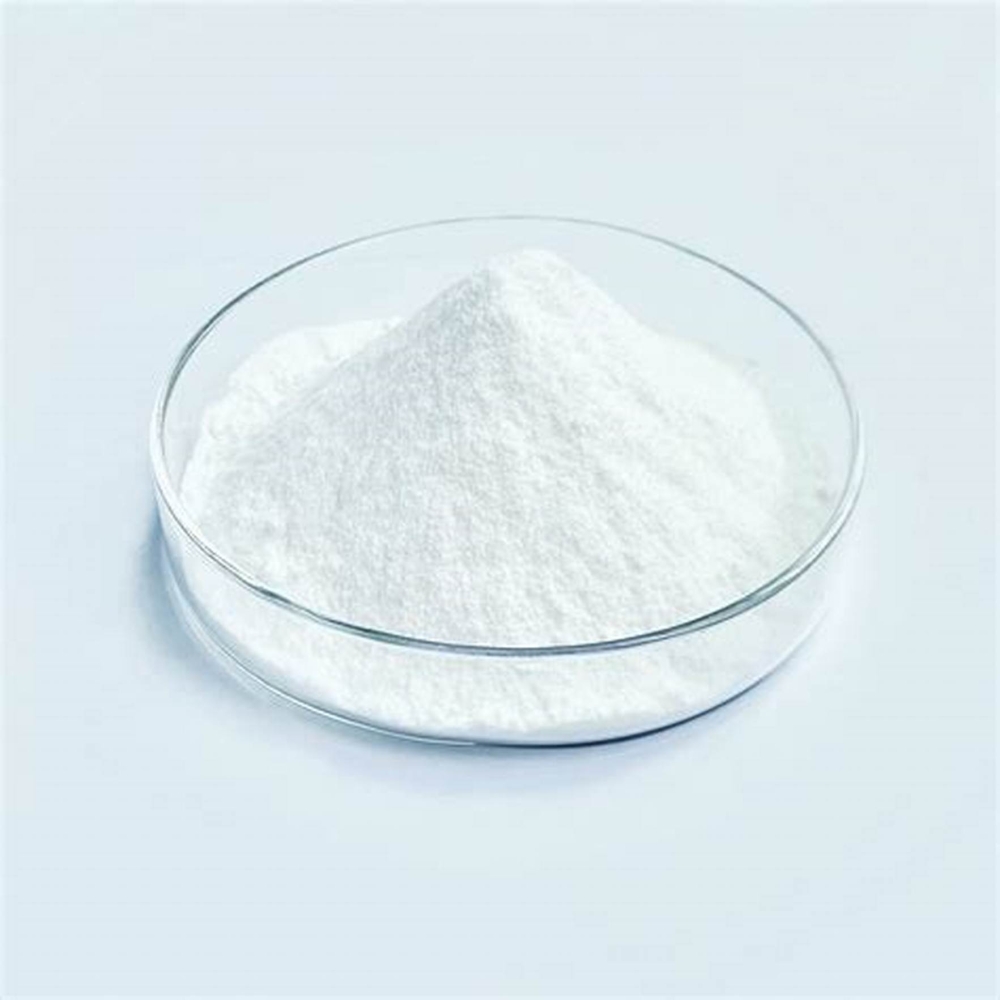
Tripolyphosphate in food is a multifunctional food additive that plays a crucial role in modern food processing and preservation. This phosphate compound, commonly known as STPP, serves as a powerful tool for maintaining product quality and extending shelf life across numerous food categories. Tripolyphosphate in food functions primarily as a sequestrant, binding metallic ions that could otherwise cause oxidation and spoilage. Additionally, tripolyphosphate in food acts as a moisture retention agent, helping processed meats, seafood, and poultry maintain their natural juiciness and texture during storage and cooking. The technological features of tripolyphosphate in food include its ability to improve water-holding capacity, enhance protein functionality, and stabilize emulsions in various food formulations. When tripolyphosphate in food is properly applied, it prevents discoloration, reduces rancidity, and maintains product consistency. The applications of tripolyphosphate in food span across processed meats, canned seafood, poultry products, and cured ham production. Food manufacturers rely on tripolyphosphate in food to achieve regulatory compliance while delivering superior quality products to consumers. Its effectiveness at low concentrations makes tripolyphosphate in food an economical choice for large-scale production. The compound integrates seamlessly into existing manufacturing processes without requiring significant equipment modifications or operational changes.

New Product Recommendations

Tripolyphosphate in food delivers substantial practical benefits that directly impact both operational efficiency and product quality for food manufacturers and processors. One primary advantage is enhanced water retention, where tripolyphosphate in food dramatically improves moisture binding capacity in processed meats and seafood products. This translates to less drip loss during storage and cooking, preserving product weight and maintaining premium appearance on retail shelves. Manufacturers benefit from reduced product waste and improved profit margins through efficient tripolyphosphate in food application. Another key operational benefit involves extended shelf life and reduced spoilage rates, where tripolyphosphate in food prevents oxidative degradation and metallic contamination. This means fewer returned products, decreased inventory management challenges, and lower overall production costs for facilities utilizing tripolyphosphate in food. Quality consistency represents another decisive advantage, as tripolyphosphate in food ensures uniform texture, color, and juiciness across every batch and package. Customers receive consistently superior products, building brand loyalty and repeat purchases. For specific applications, tripolyphosphate in food proves particularly valuable in seafood processing, where its moisture-retention properties preserve delicate protein structures. In cured meat production, tripolyphosphate in food maintains product integrity throughout distribution chains. The compound's compatibility with various processing technologies means minimal reformulation required when implementing tripolyphosphate in food into existing recipes. Cost-effectiveness emerges as a compelling buyer value factor, since small quantities of tripolyphosphate in food produce measurable results without premium pricing pressures. Food processors gain competitive advantages through improved yields and enhanced product shelf appeal when strategically deploying tripolyphosphate in food throughout their operations.

Practical Tips

How Maltodextrin Improves Texture and Stability in Processed Foods

28

Apr

How Maltodextrin Improves Texture and Stability in Processed Foods

Understanding how maltodextrin transforms processed food products requires examining its unique molecular structure and functional properties. This versatile carbohydrate ingredient serves as a critical component in modern food manufacturing, offerin...
View More
How Can Casings Enhance Efficiency in Large-Scale Meat Processing?

27

Apr

How Can Casings Enhance Efficiency in Large-Scale Meat Processing?

Large-scale meat processing operations face constant pressure to optimize production efficiency while maintaining product quality and safety standards. One critical component that significantly impacts operational performance is the casing system use...
View More
How Can Dextrose Enhance Baking, Confectionery, and Beverage Processes?

27

Apr

How Can Dextrose Enhance Baking, Confectionery, and Beverage Processes?

Dextrose serves as a fundamental ingredient that transforms food production processes across multiple industries, offering unique functional properties that extend far beyond simple sweetening. This naturally occurring sugar provides manufacturers wi...
View More
Why Do Processors Prefer Sodium Tripolyphosphate for High-Volume Production?

27

Apr

Why Do Processors Prefer Sodium Tripolyphosphate for High-Volume Production?

Industrial food processors operating at high volumes face unique challenges that require specialized chemical solutions to maintain product quality, operational efficiency, and cost-effectiveness. Among the various phosphate compounds available, sodi...
View More

Get a Free Quote

Our representative will contact you soon.
Email
Name
Company Name
products
Mobile
Message
0/1000

tripolyphosphate in food

Superior Moisture Retention and Product Yield Improvement

Superior Moisture Retention and Product Yield Improvement

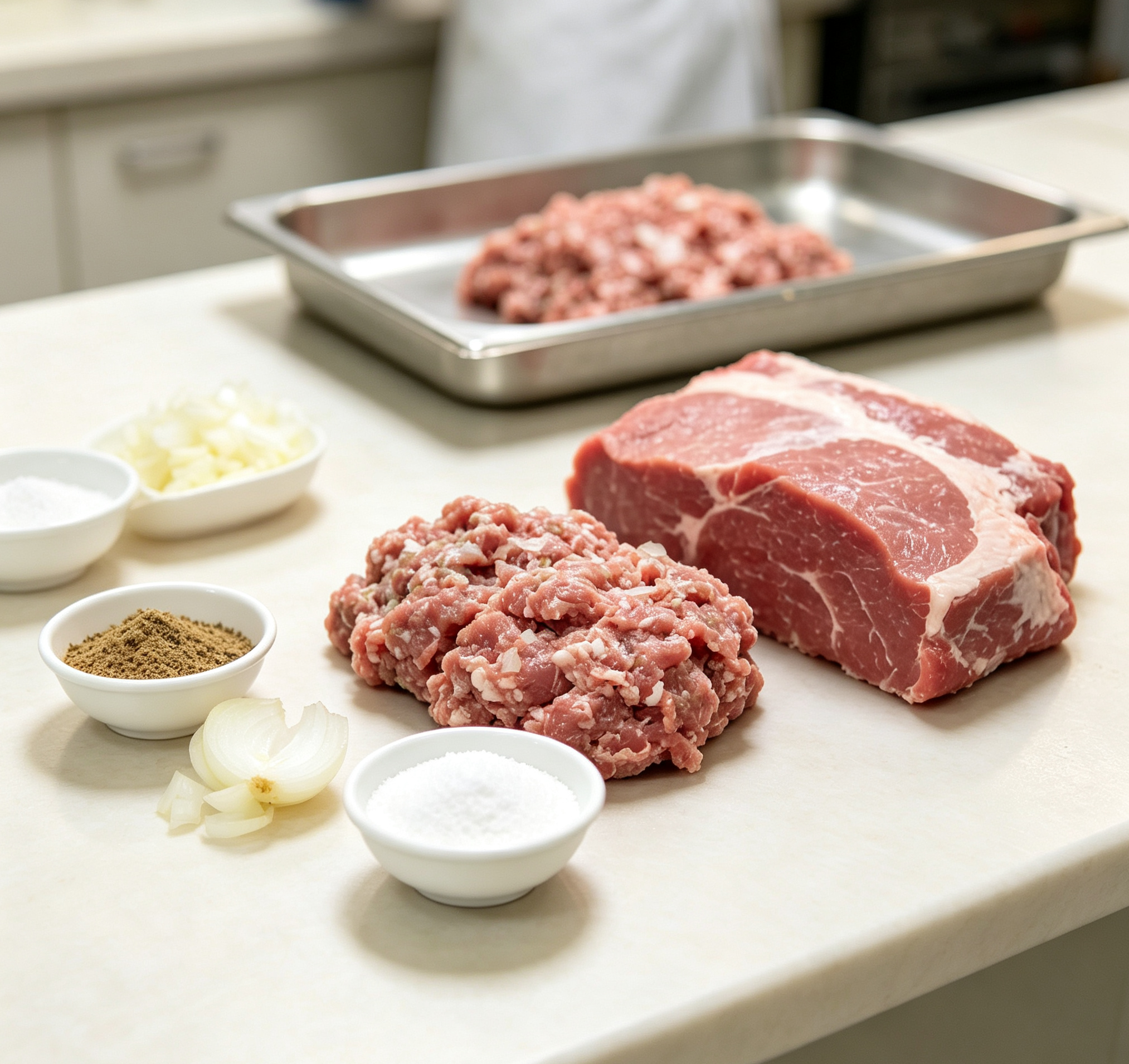
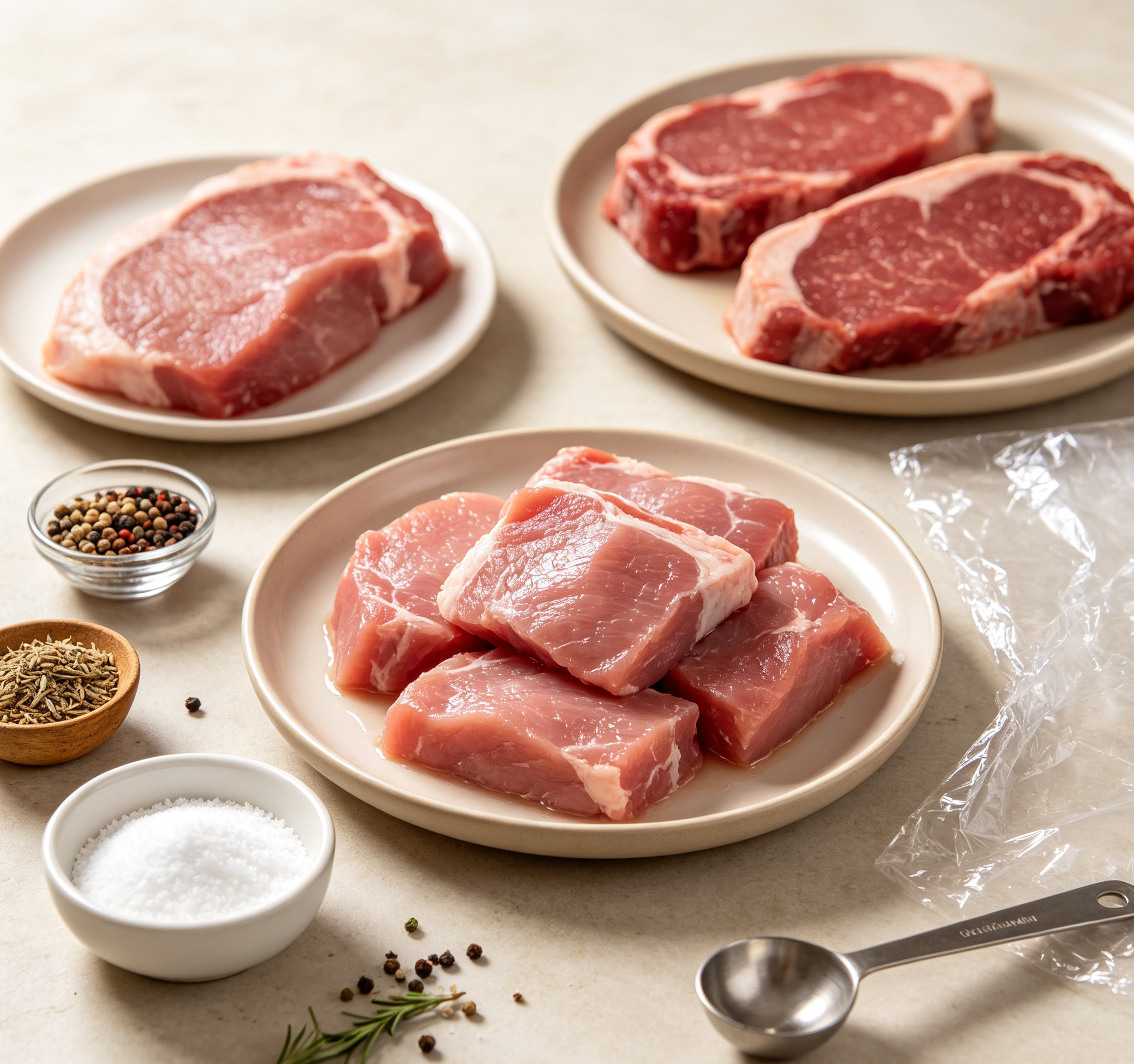
Tripolyphosphate in food excels at binding and retaining moisture within protein matrices, delivering exceptional water-holding capacity that translates directly to improved product yields. When tripolyphosphate in food is incorporated into processed meat formulations, it binds water molecules to proteins, preventing excessive drip loss during storage, transport, and retail display. This moisture retention capability means manufacturers achieve higher finished product weights without adding water, maximizing profitability per production batch. In seafood applications, tripolyphosphate in food preserves delicate flesh texture and prevents dehydration that typically occurs during frozen storage and thawing cycles. The result is visibly superior products that maintain premium appearance and consumer appeal. Food producers utilizing tripolyphosphate in food report yield improvements ranging from 2 to 5 percent, representing significant financial gains across large-scale operations. Additionally, tripolyphosphate in food reduces cooking loss in cured ham and processed poultry products, ensuring consistent serving sizes and better customer satisfaction. The enhanced moisture management provided by tripolyphosphate in food directly supports sustainability goals by minimizing product waste throughout distribution chains and store shelves.
Extended Shelf Life and Oxidation Prevention

Extended Shelf Life and Oxidation Prevention

Tripolyphosphate in food functions as a powerful antioxidant sequestrant, preventing metallic ion-catalyzed oxidation that causes rancidity, discoloration, and off-flavors in processed foods. By binding trace metals like iron and copper, tripolyphosphate in food eliminates catalysts that accelerate spoilage reactions. This protective mechanism significantly extends product shelf life, reducing expired inventory and improving retailer relationships. Food manufacturers using tripolyphosphate in food experience measurably reduced rancidity development in processed meats, seafood products, and cured preparations over extended storage periods. The oxidation prevention capability of tripolyphosphate in food maintains product color stability, ensuring retail packages remain visually appealing throughout commercial distribution. This color retention directly impacts consumer purchasing decisions and reduces markdowns associated with perceived quality decline. Tripolyphosphate in food also stabilizes pigments and prevents browning reactions in sensitive products like shrimp and delicate fish preparations. Processors benefit from reduced quality complaints and product returns when implementing tripolyphosphate in food protocols. The extended shelf life advantages translate into improved supply chain flexibility, allowing wider geographic distribution and better inventory management. Retailers appreciate the extended product viability that tripolyphosphate in food provides, reducing waste in their facilities and improving sales performance across multiple store locations.
Enhanced Protein Functionality and Emulsion Stability

Enhanced Protein Functionality and Emulsion Stability

Tripolyphosphate in food dramatically improves protein functionality by modifying protein hydration and charge characteristics, enabling better emulsion formation and stability in complex food systems. When tripolyphosphate in food interacts with muscle proteins, it facilitates increased water absorption and improved binding capacity, critical for achieving proper texture in processed meat products, surimi applications, and restructured food preparations. This enhanced protein functionality from tripolyphosphate in food allows formulation of products with superior bite, improved sliceability, and consistent firmness that consumers prefer. In emulsified systems like sausages, hot dogs, and prepared meat products, tripolyphosphate in food prevents fat-water phase separation that compromises product quality and appearance. The emulsion stabilization provided by tripolyphosphate in food results in smoother texture, better mouthfeel, and reduced separation during storage and cooking processes. Food technologists value tripolyphosphate in food's ability to maintain stable emulsions under challenging pH conditions and temperature fluctuations encountered during commercial processing and distribution. This reliability means fewer batch failures and more consistent production runs. Additionally, tripolyphosphate in food enables reformulation flexibility, allowing manufacturers to adjust fat or water content while maintaining superior product characteristics. The protein enhancement capabilities of tripolyphosphate in food support clean-label initiatives by reducing reliance on additional binders and stabilizers, appealing to health-conscious consumers and regulatory compliance requirements.

Get a Free Quote

Our representative will contact you soon.
Email
Name
Company Name
products
Mobile
Message
0/1000