 EN
EN

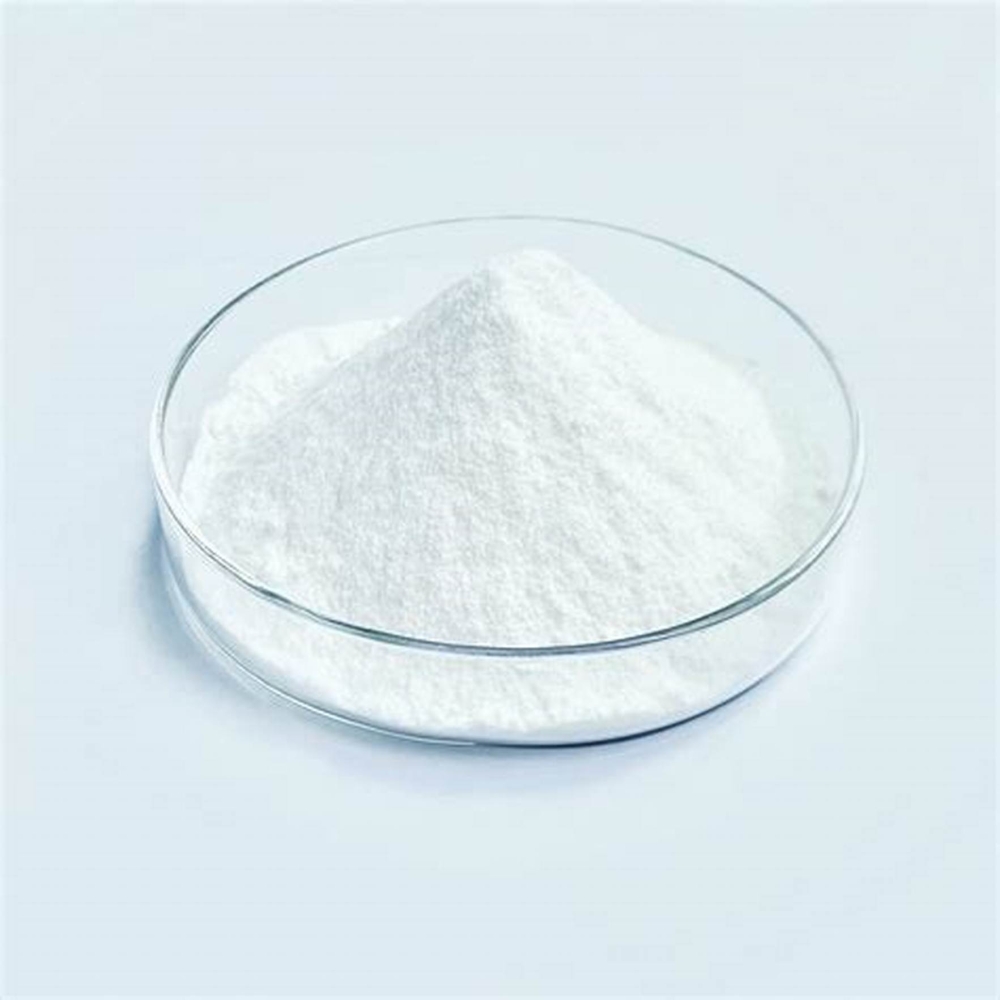
Industrial food processors operating at high volumes face unique challenges that require specialized chemical solutions to maintain product quality, operational efficiency, and cost-effectiveness. Among the various phosphate compounds available, sodium tripolyphosphate has emerged as the preferred choice for processors handling large-scale production demands. This preference stems from its exceptional performance characteristics that directly address the specific requirements of high-volume manufacturing environments.

The decision to select sodium tripolyphosphate for large-scale operations is driven by multiple factors including its superior water-holding capacity, excellent solubility profile, regulatory compliance, and proven reliability under intensive production conditions. Understanding why processors consistently choose this compound over alternatives provides valuable insight into the practical considerations that drive chemical selection in industrial food processing applications.
Economic Advantages in Large-Scale Operations
Cost-Effectiveness at Industrial Volumes
High-volume processors prioritize sodium tripolyphosphate because of its exceptional cost-effectiveness when used in large quantities. The compound's high activity level means that relatively small dosages achieve significant functional improvements, making it economically attractive for operations processing thousands of pounds of product daily. Unlike other phosphate compounds that may require higher usage rates to achieve similar results, sodium tripolyphosphate delivers optimal performance at lower inclusion levels, directly reducing raw material costs per unit of finished product.
The economic benefits become even more pronounced when considering the compound's dual functionality. Sodium tripolyphosphate serves both as a water-binding agent and a protein modifier, eliminating the need for multiple additives that would otherwise be required to achieve similar results. This consolidation of functions reduces inventory complexity, storage requirements, and handling procedures, contributing to overall operational efficiency in high-volume production environments.
Additionally, the superior shelf stability of sodium tripolyphosphate ensures consistent performance over extended storage periods, reducing waste from expired or degraded materials. For processors maintaining large inventories to support continuous production schedules, this stability translates into reduced material turnover costs and more predictable supply chain management.
Reduced Processing Time and Labor Requirements
The rapid dissolution characteristics of sodium tripolyphosphate significantly reduce mixing and processing times in high-volume operations. Unlike some alternative phosphates that require extended mixing periods or specific temperature conditions for optimal dissolution, sodium tripolyphosphate readily dissolves in cold water systems, allowing processors to maintain faster production cycles without compromising product quality.
This quick dissolution property is particularly valuable in automated processing systems where precise timing is critical. High-volume processors can integrate sodium tripolyphosphate into continuous mixing systems without creating bottlenecks or requiring additional processing steps that could slow production throughput. The result is improved overall equipment effectiveness and higher daily production volumes.
Furthermore, the consistent performance of sodium tripolyphosphate reduces the need for frequent quality adjustments during production runs. Processors can establish standardized formulations with confidence that the compound will perform reliably across different batches, reducing labor requirements for monitoring and adjustment activities that are often necessary with less predictable additives.
Superior Functional Performance Characteristics
Enhanced Water-Holding Capacity
The exceptional water-holding properties of sodium tripolyphosphate make it indispensable for high-volume processors dealing with protein-based products. The compound's ability to bind significant amounts of water directly translates into improved yield rates, which is crucial when processing large quantities of expensive raw materials. For processors handling thousands of pounds of meat or seafood daily, even small improvements in moisture retention can result in substantial increases in finished product yield.
This water-binding capability remains consistent across varying processing conditions, which is essential for maintaining product uniformity in large-scale operations. Unlike some alternatives that may show reduced effectiveness under different temperature or pH conditions, sodium tripolyphosphate maintains its functional properties across the range of conditions typically encountered in industrial processing environments.
The compound's water-holding mechanism also contributes to improved texture and mouthfeel characteristics in finished products. High-volume processors benefit from this consistency because it reduces the variability that can occur when processing large batches, ensuring that products meet quality specifications regardless of batch size or processing sequence.
Protein Modification and Extraction Benefits
Sodium tripolyphosphate excels in its ability to modify protein structures in ways that enhance binding and gel formation properties. For high-volume processors producing formed products like sausages, restructured meats, or surimi-based items, these protein modification effects are essential for achieving consistent product integrity across large production runs.
The compound's protein extraction capabilities allow processors to achieve strong binding between product pieces using the natural proteins present in the raw materials. This reduces or eliminates the need for external binding agents, simplifying formulations and reducing ingredient costs while maintaining product quality standards that consumers expect.
In high-volume operations, the consistency of these protein modification effects is particularly valuable. Processors can rely on sodium tripolyphosphate to deliver predictable binding strength and texture development regardless of minor variations in raw material quality or processing conditions that inevitably occur in large-scale operations.
Operational Reliability and Process Optimization
Compatibility with Automated Systems
Modern high-volume processing facilities rely heavily on automated mixing, injection, and dosing systems to maintain production efficiency and consistency. Sodium tripolyphosphate demonstrates excellent compatibility with these automated systems due to its free-flowing powder characteristics and predictable dissolution behavior. The compound does not create caking or bridging issues in bulk handling systems, ensuring reliable material flow through pneumatic conveying systems and automated dispensing equipment.
The compound's stability under various storage conditions also supports automated inventory management systems. Processors can maintain larger inventories without concern about degradation or performance changes that could affect automated dosing accuracy. This reliability is crucial for maintaining consistent product quality when processing multiple tons of product daily through automated production lines.
Additionally, sodium tripolyphosphate does not require special handling procedures or environmental controls that could complicate automated processing systems. Its compatibility with standard stainless steel processing equipment and resistance to corrosion issues makes it ideal for integration into existing automated production infrastructure without requiring costly modifications or specialized handling equipment.
Quality Control and Batch Consistency
High-volume processors must maintain strict quality control standards across thousands of pounds of product daily, making ingredient predictability essential for operational success. Sodium tripolyphosphate offers exceptional batch-to-batch consistency in both chemical composition and functional performance, allowing quality control teams to establish standardized testing protocols and acceptance criteria that remain valid across multiple production runs.
The compound's well-characterized behavior under various processing conditions enables processors to develop robust quality control procedures that can detect deviations quickly and accurately. This predictability reduces the time and resources required for quality testing while providing confidence that products will meet specifications throughout extended production campaigns.
Furthermore, the stability of sodium tripolyphosphate formulations allows processors to pre-blend ingredients without concerns about chemical interactions or performance degradation that could affect product quality. This capability supports efficient production scheduling and reduces the complexity of coordinating ingredient addition sequences in high-volume operations.
Regulatory Compliance and Safety Advantages
Established Regulatory Status
The widespread regulatory approval of sodium tripolyphosphate across global markets provides significant advantages for high-volume processors who often distribute products internationally or must comply with multiple regulatory frameworks. The compound's long history of safe use and established GRAS status in major markets eliminates regulatory uncertainty that could disrupt large-scale production operations or limit market access for finished products.
This regulatory clarity is particularly important for processors investing in high-volume production equipment and long-term supply contracts. The established status of sodium tripolyphosphate provides confidence that regulatory changes are unlikely to affect product formulations or require costly reformulation efforts that could disrupt established production processes.
Additionally, the well-documented safety profile of sodium tripolyphosphate simplifies worker training and safety protocols in high-volume facilities. Processors can implement standard handling procedures without requiring specialized personal protective equipment or environmental controls that would complicate operations or increase training requirements for production staff.
Simplified Documentation and Labeling
The established regulatory status and recognized functionality of sodium tripolyphosphate streamlines documentation requirements for high-volume processors. The compound's clear functional classification and well-understood usage levels simplify ingredient declarations and nutritional labeling processes, reducing administrative burden and potential for labeling errors that could affect large product batches.
For processors supplying retail and foodservice markets with different labeling requirements, the universal recognition of sodium tripolyphosphate eliminates the need for alternative formulations or specialized ingredient statements that could complicate production planning and inventory management in high-volume operations.
The compound's straightforward identity and function also facilitate supplier audits and certification processes that are increasingly important for processors serving large retail chains or institutional customers. The transparency and established nature of sodium tripolyphosphate usage supports efficient documentation and reduces the complexity of maintaining certifications across multiple customer requirements.
FAQ
How does sodium tripolyphosphate compare to other phosphates for high-volume applications?
Sodium tripolyphosphate offers superior cost-effectiveness and functional performance compared to alternative phosphates in high-volume applications. Its high activity level requires lower usage rates than many alternatives, while its excellent solubility and stability characteristics provide consistent performance across large production runs. The compound's dual functionality as both a water-binding agent and protein modifier eliminates the need for multiple additives, simplifying formulations and reducing overall ingredient costs for large-scale operations.
What are the typical usage levels for sodium tripolyphosphate in industrial processing?
Industrial processors typically use sodium tripolyphosphate at levels ranging from 0.1% to 0.5% by weight of the total product formulation, depending on the specific application and desired functional effects. These relatively low usage levels make the compound highly cost-effective for high-volume operations while delivering significant improvements in water-holding capacity, protein binding, and overall product quality. The exact usage level should be optimized based on specific product requirements and processing conditions.
Can sodium tripolyphosphate be used in organic or natural product formulations?
Sodium tripolyphosphate is a synthetic compound and is not approved for use in certified organic products under most organic standards. However, it is widely accepted in conventional and natural product formulations where synthetic additives are permitted. Processors focusing on organic or clean-label products may need to consider alternative approaches or natural phosphate sources, though these alternatives may not provide the same level of functional performance or cost-effectiveness in high-volume applications.
What storage and handling considerations are important for large-scale sodium tripolyphosphate use?
Sodium tripolyphosphate should be stored in cool, dry conditions away from moisture to maintain its free-flowing characteristics and prevent caking. For high-volume operations, proper warehouse ventilation and moisture control are essential to preserve product quality during extended storage periods. The compound is compatible with standard bulk handling equipment and does not require special storage vessels or environmental controls, making it well-suited for large-scale inventory management and automated dispensing systems.
Table of Contents
- Economic Advantages in Large-Scale Operations
- Superior Functional Performance Characteristics
- Operational Reliability and Process Optimization
- Regulatory Compliance and Safety Advantages
-
FAQ
- How does sodium tripolyphosphate compare to other phosphates for high-volume applications?
- What are the typical usage levels for sodium tripolyphosphate in industrial processing?
- Can sodium tripolyphosphate be used in organic or natural product formulations?
- What storage and handling considerations are important for large-scale sodium tripolyphosphate use?