 EN
EN

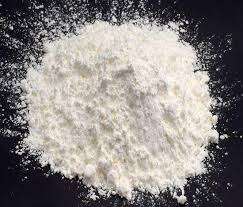
Dextrose serves as a fundamental ingredient that transforms food production processes across multiple industries, offering unique functional properties that extend far beyond simple sweetening. This naturally occurring sugar provides manufacturers with precise control over texture, fermentation rates, and product stability while delivering consistent results in large-scale production environments. Understanding how dextrose enhances specific food processing applications enables manufacturers to optimize formulations, reduce production costs, and achieve superior product quality compared to alternative sweetening solutions.
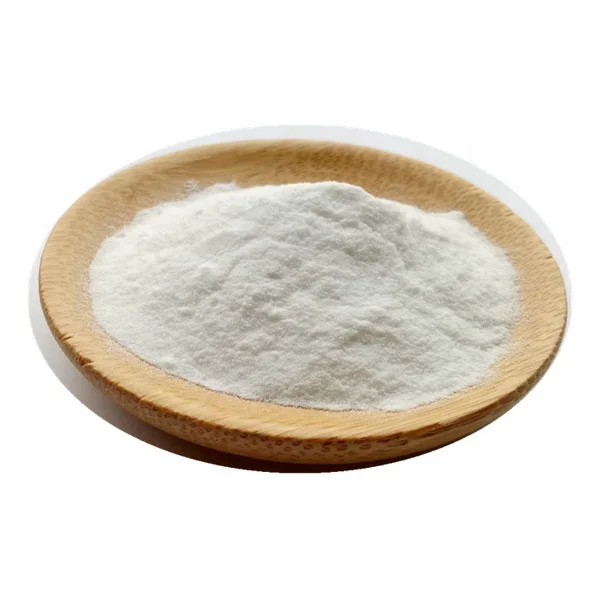
The molecular structure of dextrose creates distinct advantages in baking, confectionery, and beverage manufacturing that directly impact production efficiency and final product characteristics. Unlike other sugars, dextrose dissolves rapidly in aqueous solutions, crystallizes predictably under controlled conditions, and interacts favorably with proteins and starches during thermal processing. These properties make dextrose an essential component for manufacturers seeking to enhance product consistency, extend shelf life, and optimize processing parameters across diverse food production applications.
Dextrose Applications in Commercial Baking Operations
Fermentation Enhancement and Yeast Performance
Dextrose provides immediate energy for yeast cells during bread production, significantly accelerating fermentation rates compared to complex sugars that require enzymatic breakdown. Baker's yeast metabolizes dextrose directly through glycolysis, producing carbon dioxide and ethanol more efficiently than when processing sucrose or other disaccharides. This rapid fermentation response allows bakers to reduce proofing times, increase production throughput, and achieve more consistent dough rise patterns across different batch conditions.
The controlled fermentation rate enabled by dextrose helps maintain optimal dough temperature during bulk fermentation, preventing over-proofing issues that commonly occur with slower-acting sugar sources. Commercial bakeries utilize dextrose concentrations between 2-8% of flour weight to optimize yeast activity while maintaining proper gluten development and crumb structure. This precise control over fermentation kinetics enables bakers to standardize production schedules and reduce variability in final product quality.
Maillard Reaction Control and Crust Development
The reducing sugar properties of dextrose promote controlled Maillard browning reactions during baking, creating desirable crust color and flavor compounds without requiring extended bake times. Unlike non-reducing sugars, dextrose readily participates in amino-carbonyl reactions with proteins, generating complex flavor molecules and appealing golden-brown surface colors at lower temperatures. This enhanced browning capability allows bakers to achieve optimal crust characteristics while preserving moisture content in the crumb.
Commercial bakers leverage dextrose to standardize crust development across different oven types and baking conditions, ensuring consistent appearance and flavor profiles in high-volume production environments. The predictable browning rate of dextrose enables precise control over product aesthetics, reducing the need for artificial colorants or extended baking cycles that can compromise product texture and shelf life.
Moisture Retention and Texture Enhancement
Dextrose exhibits hygroscopic properties that help retain moisture in baked goods throughout storage, extending product freshness and maintaining desirable texture characteristics. The ability of dextrose to bind water molecules creates a protective matrix that slows starch retrogradation and prevents rapid moisture loss during distribution and retail storage. This moisture retention capability proves particularly valuable in commercial operations where products must maintain quality for extended periods before consumption.
The molecular size and solubility of dextrose allow for uniform distribution throughout dough systems, creating consistent moisture pockets that contribute to tender crumb structure and improved mouthfeel. Bakers can adjust dextrose levels to achieve specific texture profiles, from soft sandwich breads to artisanal products with distinct crumb characteristics, while maintaining production efficiency and cost effectiveness.
Confectionery Manufacturing Enhancement Through Dextrose
Crystallization Control in Hard Candy Production
Dextrose serves as a critical component in hard candy formulations by controlling crystallization patterns and preventing unwanted sugar bloom during cooling and storage phases. The unique crystalline structure of dextrose interferes with sucrose crystal formation, creating smoother textures and clearer appearance in finished confections. Candy manufacturers utilize dextrose concentrations between 10-25% of total sugar content to achieve optimal crystal inhibition while maintaining proper hardness and snap characteristics.
The rapid dissolution rate of dextrose enables confectioners to achieve higher solids concentrations at lower cooking temperatures, reducing energy costs and minimizing thermal degradation of heat-sensitive flavoring compounds. This temperature advantage allows for better retention of volatile flavor components and natural colors, resulting in more vibrant and intense sensory profiles in finished candy products.
Texture Modification in Gummy and Soft Confections
In gummy candy production, dextrose functions as a texture modifier that influences gel strength, elasticity, and chewiness characteristics while providing controlled sweetness levels. The interaction between dextrose and hydrocolloid systems creates unique textural properties that cannot be achieved with sucrose alone, enabling manufacturers to develop distinctive product profiles that meet specific consumer preferences.
Dextrose contributes to the stability of gummy formulations by reducing water activity levels, which inhibits microbial growth and extends shelf life without requiring additional preservatives. The ability of dextrose to form stable solutions at high concentrations allows confectioners to achieve desired firmness levels while maintaining flexibility and preventing brittleness during temperature fluctuations.
Chocolate and Coating Applications
Dextrose powder serves as an anti-caking agent and texture enhancer in chocolate coatings and confectionery shells, preventing moisture absorption and maintaining smooth surface characteristics during processing and storage. The fine particle size and low hygroscopicity of crystalline dextrose create protective barriers that preserve chocolate snap and prevent bloom formation under varying humidity conditions.
Confectionery manufacturers incorporate dextrose into coating formulations to improve adhesion properties and create more uniform coverage on nuts, fruits, and other confectionery centers. The binding properties of dextrose enhance the mechanical strength of coatings while providing subtle sweetness that complements rather than masks the flavors of coated products.
Beverage Production Optimization with Dextrose
Fermentation Control in Alcoholic Beverages
Dextrose provides brewers and winemakers with precise control over fermentation kinetics, enabling predictable alcohol production rates and consistent flavor development across different production batches. The immediate bioavailability of dextrose allows yeast cultures to begin fermentation rapidly, reducing lag phases and minimizing the risk of contamination during vulnerable early fermentation stages. This rapid start capability proves essential in commercial brewing operations where production schedules demand reliable fermentation timing.
The complete fermentability of dextrose ensures minimal residual sweetness in finished alcoholic beverages, allowing brewers to achieve desired dryness levels while maintaining proper alcohol content. Unlike complex sugars that may leave unfermented residues, dextrose ferments completely under normal conditions, providing predictable final gravity measurements and consistent product specifications.
Carbonation Enhancement and Stability
In carbonated beverage production, dextrose serves as a priming sugar that enables natural carbonation through secondary fermentation while providing better carbon dioxide retention compared to artificial carbonation methods. The controlled release of carbon dioxide from dextrose fermentation creates finer bubble structures and longer-lasting carbonation that enhances mouthfeel and sensory experience.
Beverage manufacturers utilize dextrose to achieve specific carbonation levels without the need for complex pressurization equipment, reducing production costs and energy consumption in large-scale operations. The predictable fermentation rate of dextrose allows for precise control over carbonation timing and intensity, ensuring consistent product quality across different production runs.
Sports and Energy Drink Formulations
Dextrose functions as a primary carbohydrate source in sports and energy drinks, providing rapid glucose absorption that supports immediate energy requirements during physical activity. The high glycemic index of dextrose enables quick blood sugar elevation, making it ideal for formulations designed to combat fatigue and maintain performance during extended exercise periods.
The excellent solubility of dextrose allows beverage manufacturers to create high-concentration energy drinks without crystallization issues or settling problems during storage. This stability advantage enables the production of concentrated formulations that deliver substantial energy content in smaller serving sizes, meeting consumer demands for portable and effective energy supplementation.
Processing Efficiency and Quality Control Benefits
Temperature Stability and Processing Advantages
Dextrose demonstrates superior thermal stability compared to other sugars, maintaining structural integrity and functionality across the wide temperature ranges required in industrial food processing. This heat resistance allows manufacturers to utilize higher processing temperatures without degradation concerns, enabling faster production cycles and improved energy efficiency in thermal processing applications.
The consistent behavior of dextrose under varying temperature conditions simplifies quality control procedures and reduces the need for complex temperature monitoring systems during production. Food processors can establish standardized operating parameters that remain effective across seasonal temperature variations and different production environments, reducing variability and improving overall process reliability.
pH Stability and Acid Resistance
Unlike many alternative sweeteners, dextrose maintains stability across a wide pH range, making it suitable for acidic food products without compromising sweetening power or causing unwanted chemical reactions. This pH tolerance proves particularly valuable in beverage applications where citric acid, phosphoric acid, or other acidulants are present at significant concentrations.
The chemical stability of dextrose in acidic environments prevents the formation of off-flavors or color changes that can occur with pH-sensitive sweetening agents, ensuring consistent sensory profiles throughout product shelf life. Food manufacturers can formulate products with confidence, knowing that dextrose will maintain its functional properties regardless of pH fluctuations during processing or storage.
Microbiological Stability and Preservation
Dextrose contributes to microbiological stability in food products through its ability to reduce water activity levels, creating environments that inhibit bacterial growth and extend shelf life naturally. The osmotic effects of dissolved dextrose create hostile conditions for pathogenic microorganisms while maintaining product safety without relying heavily on chemical preservatives.
The antimicrobial properties of concentrated dextrose solutions enable food processors to achieve extended shelf life targets while meeting clean label requirements that restrict artificial preservative usage. This natural preservation capability reduces regulatory concerns and appeals to health-conscious consumers seeking minimally processed food products.
FAQ
What concentration of dextrose provides optimal results in commercial baking applications?
Commercial bakers typically achieve optimal results using dextrose concentrations between 2-8% of flour weight, depending on the specific application and desired fermentation rate. For rapid production schedules, higher concentrations around 6-8% accelerate yeast activity and reduce proofing times, while artisanal products may use 2-4% to maintain traditional fermentation characteristics. The optimal concentration also depends on other formula components, ambient temperature, and target product specifications.
How does dextrose compare to sucrose in confectionery manufacturing efficiency?
Dextrose offers several processing advantages over sucrose in confectionery applications, including lower cooking temperatures, faster dissolution rates, and better crystallization control. These properties reduce energy costs by 15-25% compared to sucrose-based formulations while improving texture consistency and reducing production time. Dextrose also provides better moisture control and extended shelf life, making it particularly valuable for high-volume commercial confectionery operations.
Can dextrose completely replace other sugars in beverage formulations?
While dextrose can serve as the primary sugar in many beverage applications, complete replacement depends on specific product requirements and desired sensory characteristics. Dextrose provides excellent fermentation properties and rapid dissolution but may require blending with other sugars to achieve complex flavor profiles or specific sweetness intensities. For sports drinks and energy beverages, dextrose often serves as the sole carbohydrate source due to its rapid absorption properties and functional benefits.
What quality control measures ensure consistent dextrose performance in industrial applications?
Effective quality control for industrial dextrose applications includes monitoring moisture content, particle size distribution, microbial counts, and dextrose equivalent values. Regular testing should verify pH stability, dissolution rates, and absence of contaminants that could affect processing equipment or final product quality. Manufacturers should establish incoming material specifications, conduct batch testing during production, and maintain detailed documentation to ensure consistent performance across different production runs and seasonal variations.
Table of Contents
- Dextrose Applications in Commercial Baking Operations
- Confectionery Manufacturing Enhancement Through Dextrose
- Beverage Production Optimization with Dextrose
- Processing Efficiency and Quality Control Benefits
-
FAQ
- What concentration of dextrose provides optimal results in commercial baking applications?
- How does dextrose compare to sucrose in confectionery manufacturing efficiency?
- Can dextrose completely replace other sugars in beverage formulations?
- What quality control measures ensure consistent dextrose performance in industrial applications?