 EN
EN

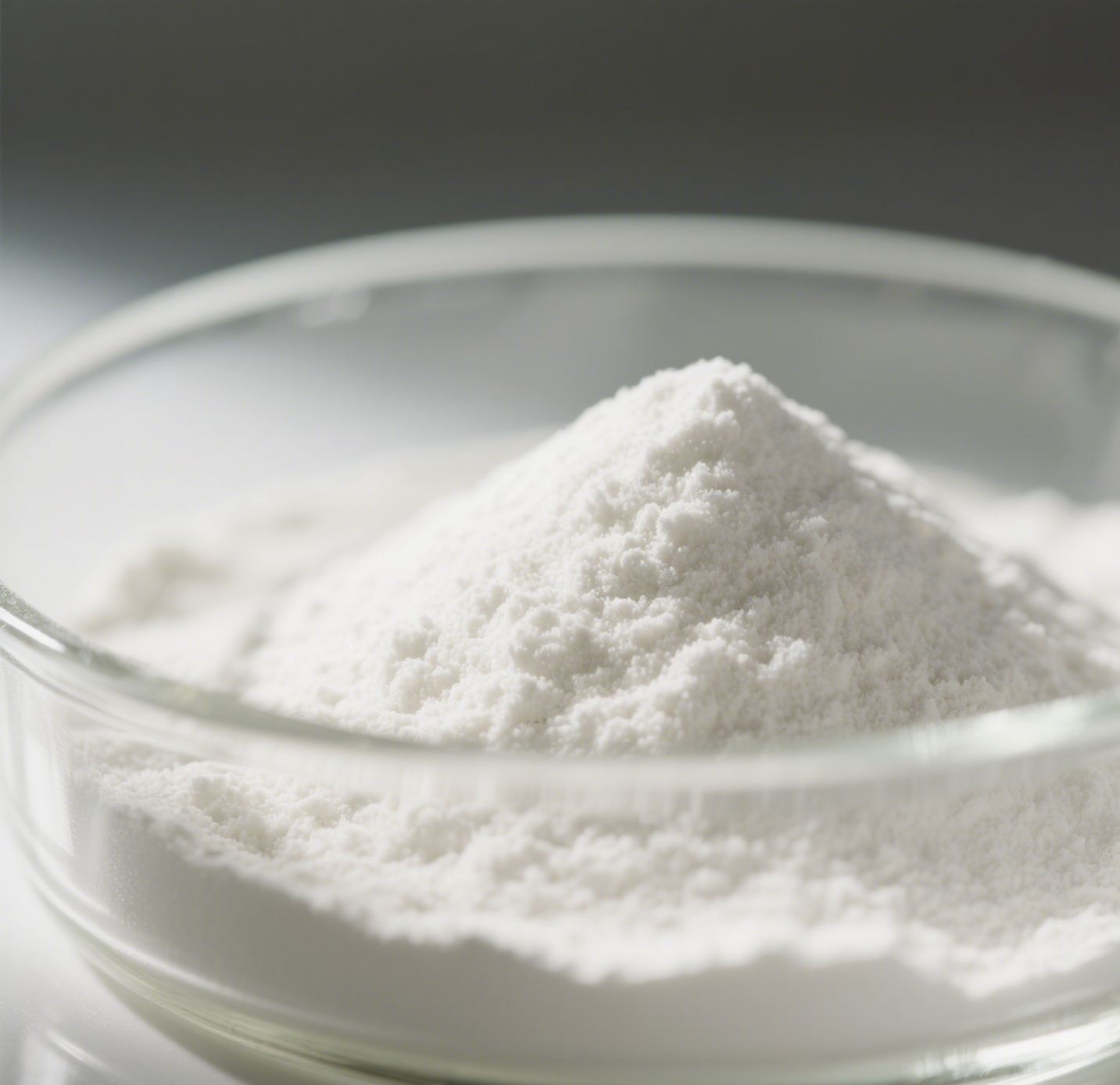
Understanding how maltodextrin transforms processed food products requires examining its unique molecular structure and functional properties. This versatile carbohydrate ingredient serves as a critical component in modern food manufacturing, offering solutions to texture challenges and stability issues that processors face daily. When incorporated strategically, maltodextrin delivers measurable improvements in product quality while supporting cost-effective production processes.
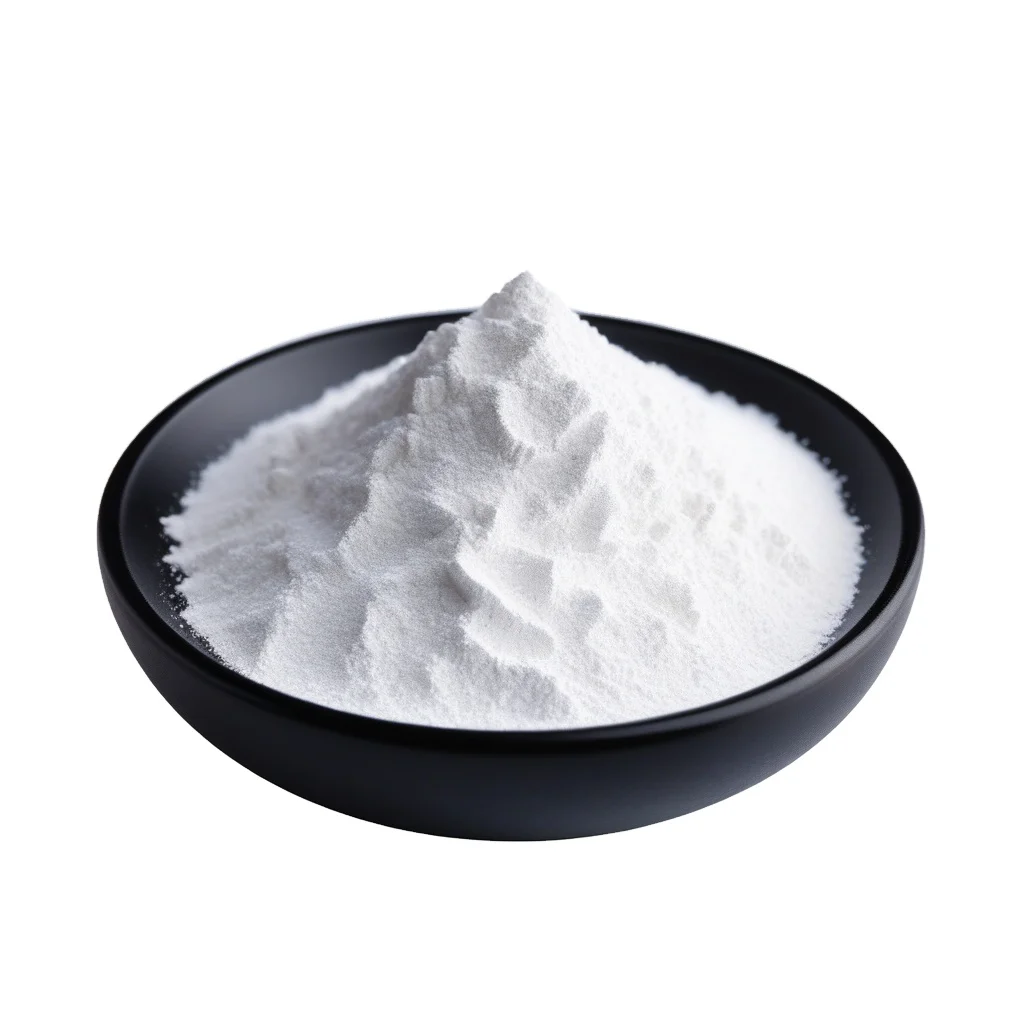
The mechanism through which maltodextrin enhances food products stems from its ability to modify water activity, create protective matrices, and influence rheological properties. Food manufacturers increasingly rely on maltodextrin to achieve consistent texture profiles while extending shelf life across diverse product categories. This polysaccharide's neutral taste profile and exceptional solubility make it an ideal choice for applications where functional benefits cannot compromise flavor integrity.
Molecular Structure and Functional Properties
Polymer Chain Configuration
Maltodextrin consists of glucose units linked through α-1,4-glycosidic bonds, creating linear and branched polymer chains with varying molecular weights. The dextrose equivalent (DE) value determines the degree of hydrolysis, directly influencing functional characteristics in food systems. Lower DE maltodextrin exhibits higher molecular weight and enhanced film-forming capabilities, while higher DE variants provide increased solubility and sweetness contribution.
The polymer structure allows maltodextrin to form hydrogen bonds with water molecules, creating a network that traps moisture and stabilizes emulsions. This molecular interaction explains why maltodextrin effectively prevents crystallization in sugar-based products and maintains smooth texture in frozen applications. The branching pattern also influences viscosity development, enabling precise control over mouthfeel characteristics.
Water Binding Mechanisms
Maltodextrin's hygroscopic nature enables significant water absorption and retention within food matrices. The hydroxyl groups along the polymer chain create multiple binding sites for water molecules, reducing water activity without removing moisture content. This controlled water management prevents microbial growth while maintaining desired texture properties in intermediate moisture foods.
The water binding capacity varies with molecular weight distribution and environmental conditions such as temperature and relative humidity. Understanding these relationships allows food technologists to optimize maltodextrin concentrations for specific stability targets while maintaining processing efficiency.
Texture Enhancement Mechanisms
Viscosity Modification
Maltodextrin demonstrates remarkable ability to adjust solution viscosity across wide concentration ranges, providing food processors with precise rheological control. The polymer chains create entanglements that increase resistance to flow, enabling texture modification without significant flavor impact. This viscosity enhancement proves particularly valuable in sauce applications, dairy products, and beverage systems where thickness must be achieved without compromising clarity.
The pseudoplastic behavior of maltodextrin solutions creates shear-thinning properties that improve processing characteristics while delivering desired mouthfeel in finished products. This rheological profile supports efficient pumping and mixing operations during manufacturing while providing rich, creamy texture experiences for consumers. The reversible nature of these interactions ensures consistent performance across temperature variations.
Gel Formation and Stabilization
When incorporated into gel systems, maltodextrin reinforces three-dimensional networks through physical interactions with gelling agents. The polymer chains integrate within existing gel structures, increasing mechanical strength and reducing syneresis tendencies. This stabilization mechanism proves essential in dessert gels, meat products, and restructured foods where texture integrity directly impacts consumer acceptance.
The gel-strengthening properties of maltodextrin enable reduction of primary gelling agents while maintaining structural characteristics. This optimization approach supports cost management objectives while delivering improved freeze-thaw stability and extended shelf life performance. The neutral pH impact ensures compatibility with acid-sensitive gel systems commonly found in fruit-based applications.
Stability Enhancement Applications
Emulsion Stabilization
Maltodextrin functions as an effective emulsion stabilizer by forming protective layers around oil droplets and increasing continuous phase viscosity. The polymer chains create steric barriers that prevent droplet coalescence while reducing creaming rates through viscosity modification. This dual-action mechanism ensures long-term stability in mayonnaise, salad dressings, and dairy-based products without requiring synthetic emulsifiers.
The emulsification capacity of maltodextrin varies with molecular weight and concentration, allowing processors to select optimal grades for specific formulation requirements. Higher molecular weight maltodextrin provides superior film-forming properties for spray-drying applications, while medium DE variants offer balanced functionality for direct addition systems. The versatility enables customized stability solutions across diverse product categories.
Crystallization Inhibition
In sugar-rich systems, maltodextrin prevents crystallization through interference with crystal nucleation and growth processes. The polymer chains disrupt regular crystal lattice formation, maintaining smooth texture in confectionery products, frozen desserts, and concentrated syrups. This anti-crystallization effect proves particularly valuable in products exposed to temperature fluctuations during storage and distribution.
The crystallization control mechanism extends beyond sugar systems to include fat crystallization management in chocolate products and bakery items. Maltodextrin modifies cooling rates and crystal polymorphism, supporting desired texture development while preventing bloom formation. This functionality enables extended shelf life without compromising sensory quality or visual appeal.
Processing Optimization Benefits
Heat Stability Performance
Maltodextrin exhibits excellent thermal stability across typical food processing temperature ranges, maintaining functional properties during pasteurization, sterilization, and baking operations. The polymer structure resists degradation under moderate heat conditions while continuing to provide texture and stability benefits throughout processing cycles. This thermal resilience ensures consistent product quality regardless of processing intensity requirements.
The heat stability characteristics enable maltodextrin incorporation in high-temperature applications such as retorted products, extruded snacks, and baked goods without functional loss. The maintained viscosity and binding properties support process efficiency while delivering intended texture modifications in finished products. Temperature-resistant performance eliminates concerns about processing condition limitations.
pH Tolerance Range
Unlike many functional ingredients, maltodextrin maintains stability across broad pH ranges commonly encountered in food processing. The polymer backbone resists acid-catalyzed hydrolysis under typical food pH conditions, ensuring consistent performance in acidic beverages, fermented products, and preserved foods. This pH tolerance expands application possibilities while simplifying formulation development processes.
The acid stability proves particularly beneficial in fruit-based products where natural acidity could compromise other stabilizing ingredients. Maltodextrin continues providing texture enhancement and water management benefits throughout extended storage periods, even in challenging pH environments. This reliability reduces formulation complexity while supporting quality maintenance objectives.
Quality Control and Optimization Strategies
Analytical Testing Methods
Effective maltodextrin utilization requires comprehensive testing protocols to verify functional performance and ensure consistent results. Viscosity measurements using rotational rheometers provide quantitative data on texture modification capabilities, while water activity analysis confirms moisture management effectiveness. These analytical approaches enable precise optimization of maltodextrin concentrations for specific application requirements.
Molecular weight distribution analysis through gel permeation chromatography helps predict functional performance in different food systems. Understanding polymer size distribution enables better matching of maltodextrin grades to intended applications, optimizing both functionality and cost-effectiveness. Regular testing throughout processing ensures maintained quality standards and early detection of potential issues.
Formulation Development Guidelines
Successful maltodextrin incorporation requires systematic formulation approaches that consider ingredient interactions and processing conditions. Starting with conservative addition levels allows gradual optimization while monitoring texture and stability improvements. The neutral flavor profile permits flexibility in concentration adjustments without significant sensory impact concerns.
Compatibility testing with other ingredients ensures optimal system performance and prevents unexpected interactions. Sequential addition protocols during mixing optimize dissolution and distribution throughout the product matrix. Documentation of processing parameters enables reproducible results and facilitates scale-up operations for commercial production implementation.
FAQ
What concentration of maltodextrin is typically needed to improve texture in processed foods?
Effective maltodextrin concentrations typically range from 1-10% by weight, depending on the specific application and desired texture modification. Light texture enhancement usually requires 1-3% addition, while significant viscosity increases may need 5-10% incorporation. The optimal level depends on the base formulation, processing conditions, and target texture characteristics.
How does maltodextrin compare to other stabilizers in terms of processing compatibility?
Maltodextrin offers superior processing compatibility compared to many traditional stabilizers due to its thermal stability, pH tolerance, and neutral flavor profile. Unlike some gums or proteins that may require specific hydration conditions or temperature controls, maltodextrin dissolves readily and maintains functionality across diverse processing environments without special handling requirements.
Can maltodextrin be used in clean label formulations?
Yes, maltodextrin is generally acceptable in clean label formulations as it derives from natural starch sources through enzymatic hydrolysis. Many consumers recognize maltodextrin as a food ingredient rather than a chemical additive, making it suitable for products targeting natural positioning. However, specific clean label criteria may vary by manufacturer and market requirements.
Does maltodextrin affect the nutritional profile of processed foods significantly?
Maltodextrin contributes approximately 4 calories per gram as a carbohydrate, similar to other starches and sugars. At typical usage levels for texture and stability enhancement (1-5%), the nutritional impact remains minimal. The ingredient provides energy but no significant vitamins, minerals, or other nutrients, making it essentially a functional carbohydrate addition to the overall formulation.
Table of Contents
- Molecular Structure and Functional Properties
- Texture Enhancement Mechanisms
- Stability Enhancement Applications
- Processing Optimization Benefits
- Quality Control and Optimization Strategies
-
FAQ
- What concentration of maltodextrin is typically needed to improve texture in processed foods?
- How does maltodextrin compare to other stabilizers in terms of processing compatibility?
- Can maltodextrin be used in clean label formulations?
- Does maltodextrin affect the nutritional profile of processed foods significantly?