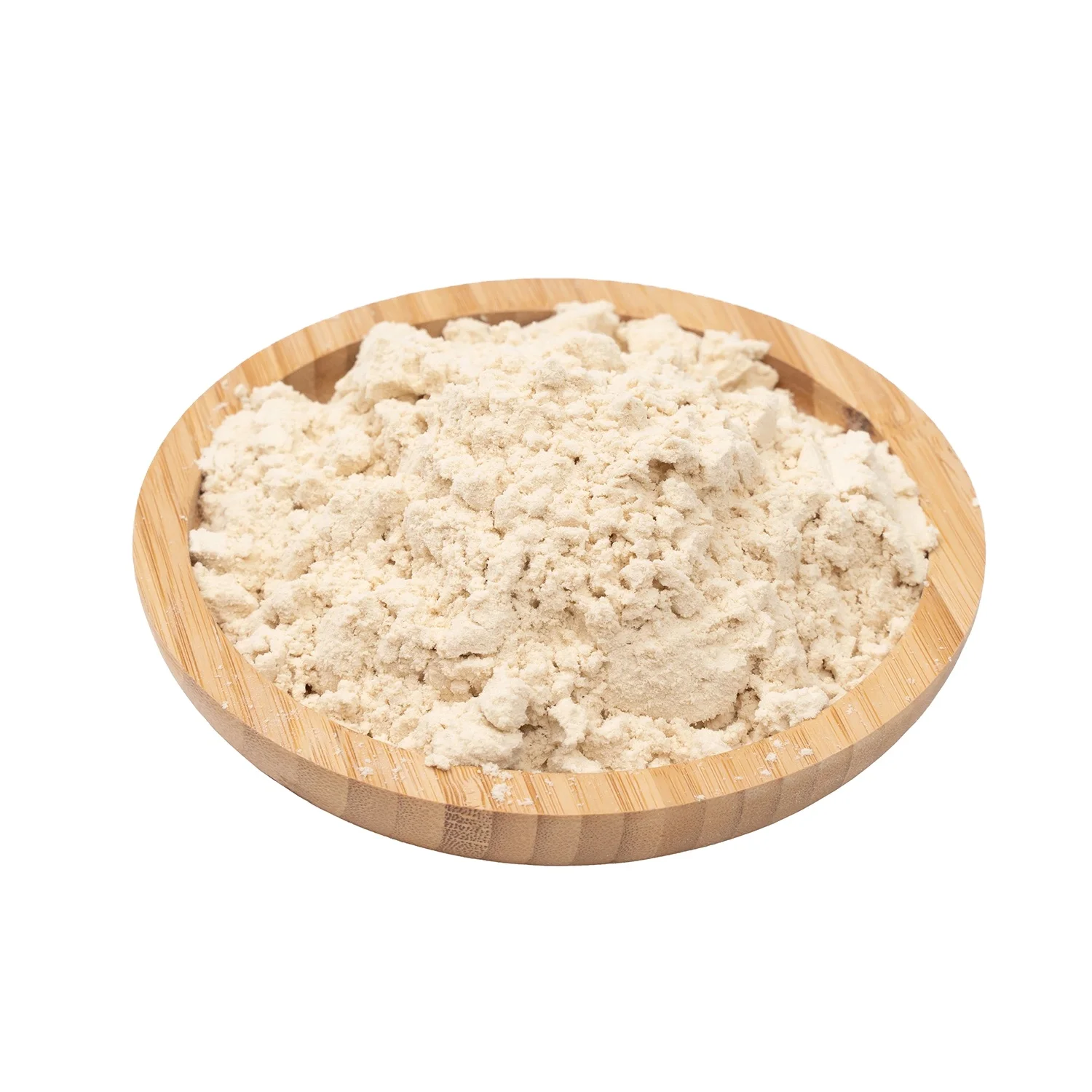
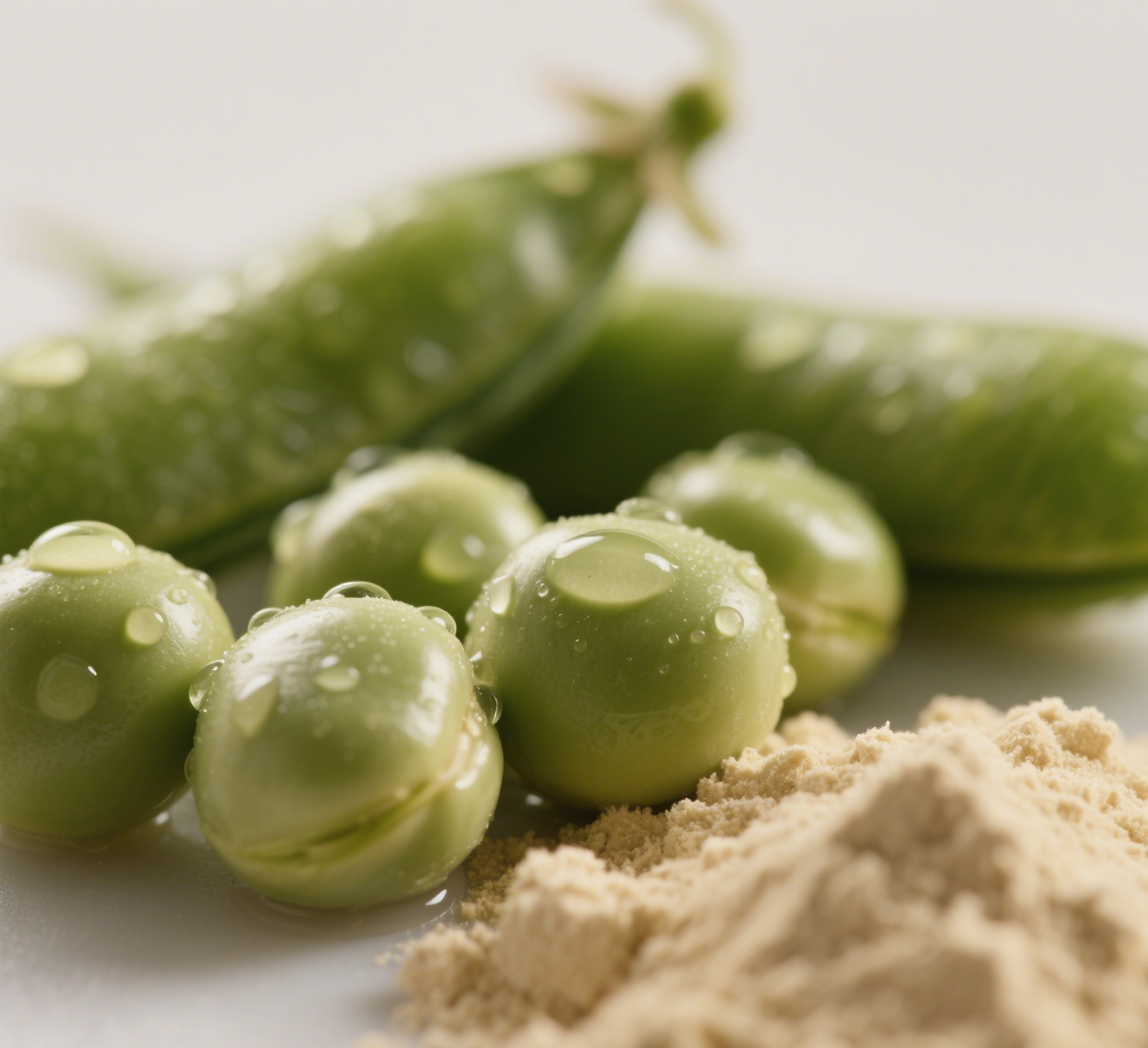
The extraction and processing of pea protein from raw peas involves a sophisticated series of industrial steps that transform humble legumes into a high-quality protein ingredient. This manufacturing process combines mechanical separation, chemical extraction, and purification techniques to isolate the valuable protein components while removing unwanted starches, fibers, and anti-nutritional factors. Understanding how pea protein is extracted provides crucial insights for manufacturers, food processors, and nutrition companies seeking to incorporate this versatile plant-based ingredient into their product formulations.

The commercial production of pea protein begins with careful selection of raw materials and follows a multi-stage process that ensures maximum protein yield while maintaining nutritional integrity. Modern extraction facilities employ both wet and dry processing methods, each offering distinct advantages depending on the desired final product specifications. The entire workflow from raw pea intake to finished protein powder requires precise control of temperature, pH levels, and processing conditions to achieve optimal protein concentration and functional properties that meet industry standards.
Raw Material Preparation and Initial Processing
Pea Selection and Quality Assessment
The extraction process begins with rigorous selection of high-quality peas, typically yellow field peas that contain optimal protein content ranging from 20-25% by dry weight. Processing facilities evaluate incoming raw materials for protein content, moisture levels, and contamination to ensure consistent pea protein quality throughout production. The selection criteria include assessment of pea variety, harvest conditions, and storage quality, as these factors directly impact the efficiency of downstream protein extraction processes.
Quality control laboratories analyze each batch of raw peas for key parameters including crude protein content, amino acid profile, and anti-nutritional factors such as trypsin inhibitors and lectins. This initial assessment determines the processing parameters needed to achieve target pea protein specifications and helps optimize extraction yields. The evaluation process also identifies any potential allergens or contaminants that could affect the safety and quality of the final pea protein product.
Cleaning and Dehulling Operations
Raw peas undergo thorough cleaning to remove foreign materials, damaged kernels, and debris that could compromise pea protein quality during extraction. Industrial cleaning systems employ air classification, vibrating screens, and gravity separation to eliminate stones, dust, and broken pea fragments. This cleaning stage is critical because impurities can interfere with protein extraction efficiency and introduce unwanted colors or flavors into the final pea protein concentrate.
The dehulling process removes the outer pea hulls, which contain primarily fiber and minimal protein content. Mechanical dehulling systems crack the peas and separate the protein-rich cotyledons from the fibrous hulls using air classification and density separation techniques. This step significantly improves the protein concentration of the raw material and reduces the fiber content that would otherwise dilute the final pea protein product.
Wet Extraction and Protein Isolation
Milling and Slurry Formation
The cleaned and dehulled peas are ground into fine flour using hammer mills or pin mills to maximize surface area for protein extraction. The particle size of the pea flour directly affects extraction efficiency, with optimal grinding typically producing particles between 100-500 microns. This mechanical breakdown ruptures cell walls and makes the pea protein more accessible to the aqueous extraction medium used in subsequent processing steps.
The ground pea flour is mixed with water to create a slurry with a specific solid-to-liquid ratio, typically ranging from 1:8 to 1:12 depending on the desired protein extraction efficiency. The slurry formation process requires careful control of water temperature, pH adjustment, and mixing intensity to optimize pea protein solubilization while minimizing extraction of unwanted components like starches and fibers.
Alkaline Extraction Process
The pea protein extraction utilizes alkaline conditions, typically with sodium hydroxide adjustment to pH 8.0-9.5, to solubilize the protein components while leaving insoluble materials behind. This pH adjustment causes the pea protein molecules to become negatively charged and highly soluble in the aqueous phase. The alkaline extraction process is conducted at controlled temperatures, usually between 50-60°C, to enhance protein solubility without causing thermal denaturation.
During alkaline extraction, the slurry undergoes continuous mixing for 30-60 minutes to ensure complete pea protein dissolution and uniform pH distribution throughout the mixture. The extraction conditions are optimized to maximize protein yield while minimizing the co-extraction of anti-nutritional factors and off-flavors that could compromise the quality of the final pea protein product. Temperature and time parameters are carefully controlled to prevent protein degradation while achieving maximum extraction efficiency.
Separation and Purification Stages
Centrifugal Separation and Clarification
The protein-containing slurry undergoes centrifugal separation to remove insoluble materials including fiber, starch granules, and cell debris that did not dissolve during alkaline extraction. High-speed disc centrifuges or decanter centrifuges operate at forces exceeding 3000 G to achieve effective separation of the protein-rich supernatant from the solid residue. This separation step is crucial for obtaining clean pea protein solutions with minimal contamination from non-protein components.
The clarified protein solution contains dissolved pea protein along with some residual starches, sugars, and salts that require removal to achieve high protein purity. Additional clarification steps may include filtration through ceramic or polymer membranes to remove any remaining suspended particles and improve the clarity of the protein solution before proceeding to precipitation stages.
Isoelectric Precipitation
The dissolved pea protein is precipitated from solution by adjusting the pH to the isoelectric point, typically around pH 4.5-5.0, where protein molecules have minimal net charge and reduced solubility. This precipitation process involves careful addition of acid, usually hydrochloric acid or sulfuric acid, while maintaining controlled temperature and agitation to ensure uniform pH distribution and optimal protein recovery.
The isoelectric precipitation creates protein curds that can be efficiently separated from the liquid phase containing dissolved salts, sugars, and other water-soluble components. The precipitation conditions are optimized to maximize pea protein recovery while maintaining protein functionality and minimizing the co-precipitation of unwanted compounds that could affect product quality or nutritional value.
Protein Recovery and Concentration
Curd Separation and Washing
The precipitated pea protein curds are separated from the liquid phase using centrifugal equipment or filtration systems designed to handle high-volume processing. The separation equipment must effectively recover the protein solids while removing the maximum amount of liquid phase containing dissolved impurities. Efficient curd separation is essential for achieving high protein yields and maintaining economic viability of the extraction process.
The recovered protein curds undergo washing with clean water to remove residual salts, acids, and water-soluble impurities that could affect the flavor, color, or nutritional profile of the final pea protein product. Multiple washing cycles may be employed to achieve the desired purity levels, with each wash cycle followed by separation to remove the wash water containing dissolved impurities.
Neutralization and pH Adjustment
The washed pea protein curds are neutralized to achieve a final pH between 6.5-7.5, which is optimal for protein stability and functionality in food applications. Neutralization typically involves careful addition of sodium hydroxide solution while monitoring pH levels to prevent over-neutralization that could affect protein properties. The neutralization process must be conducted under controlled conditions to ensure uniform pH distribution throughout the protein mass.
Following neutralization, the pea protein may undergo additional concentration steps to increase protein content and reduce moisture levels before drying. Concentration techniques can include membrane filtration, evaporation, or mechanical pressing to remove excess water and achieve the desired protein concentration for efficient drying operations.
Drying and Final Processing
Spray Drying Operations
The concentrated pea protein solution is typically dried using spray drying technology, which rapidly removes moisture while preserving protein functionality and nutritional properties. Spray drying involves atomizing the protein solution into fine droplets within a heated air stream, causing rapid moisture evaporation and formation of protein powder particles. The drying conditions, including inlet temperature, outlet temperature, and air flow rates, are carefully controlled to optimize pea protein quality.
Inlet temperatures for pea protein spray drying typically range from 160-180°C, with outlet temperatures maintained below 80°C to prevent thermal damage to heat-sensitive amino acids and protein structures. The rapid drying process minimizes heat exposure time and helps preserve the biological value and functional properties of the pea protein, including solubility, emulsification capacity, and foam stability.
Particle Size Control and Quality Assurance
The dried pea protein powder undergoes particle size analysis and potential milling operations to achieve uniform particle distribution suitable for various food applications. Particle size affects the dispersibility, mouthfeel, and processing characteristics of pea protein in end-use applications. Quality control procedures ensure that the final product meets specifications for particle size distribution, bulk density, and flow properties.
Final quality assurance testing includes comprehensive analysis of protein content, amino acid profile, microbiological safety, and functional properties such as water absorption capacity and gel strength. Each batch of pea protein undergoes rigorous testing to verify compliance with established specifications and regulatory requirements before packaging and distribution to customers.
FAQ
What is the typical protein content achieved through pea protein extraction?
Commercial pea protein extraction processes typically achieve protein concentrations of 80-85% by dry weight, with some specialized processes capable of producing isolates containing 90% or higher protein content. The final protein concentration depends on the extraction method used, processing conditions, and the degree of purification applied during manufacturing.
How long does the complete pea protein extraction process take?
The complete extraction and processing cycle for pea protein typically requires 8-12 hours from raw material intake to finished powder production, including cleaning, extraction, separation, and drying operations. Processing time can vary depending on batch size, equipment configuration, and specific quality requirements for the final pea protein product.
What factors affect the yield of pea protein during extraction?
Pea protein extraction yields are influenced by raw material quality, grinding efficiency, extraction pH and temperature, residence time during alkaline treatment, and the effectiveness of separation equipment. Optimal processing conditions typically achieve protein recovery rates of 85-95% from the available protein in the raw peas, with higher yields possible through process optimization.
Can pea protein extraction be performed using dry processing methods?
While wet extraction is most common for high-purity pea protein production, dry processing methods can be used to produce pea protein concentrates through air classification and milling techniques. Dry processing typically achieves lower protein concentrations (50-65%) compared to wet extraction but offers advantages in terms of processing cost and equipment simplicity for certain applications.