 EN
EN

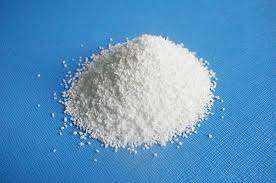
Тағамдық өнімдердің теңіз өнімдеріне арналған қоспалы фосфаттар сериясын таңдау үшін әртүрлі фосфаттық қоспалардың ақуыздық құрылымдармен және ылғал сақтау механизмдерімен қалай әрекеттесетінін түсіну қажет. Қоспалы фосфаттар сериясын таңдау теңіз өнімдерін өңдеудің әртүрлі жағдайларында — таза балықты сақтаудан бастап, тоңазытылған өнімдерді шығаруға дейін — өнімнің шығымына, мәтініне және сақталу мерзіміне тікелей әсер етеді.

Кез келген қоспалы фосфаттар сериясының тиімділігі нақты теңіз өнімінің түріне, өңдеу әдісіне және қолданылу мақсатына байланысты. Балық бұлшықетінің ақуыздары әртүрлі фосфаттық құрамдарға әртүрлі реакция береді, сондықтан фосфаттың химиялық құрамын мақсатты түрдің биологиялық ерекшеліктері мен қажетті соңғы өнім сапасымен сәйкестендіру маңызды.
Теңіз өнімдерін өңдеудегі ақуыздық әрекеттесу механизмдері
Миозиннің экстракциясы және су байланысуы
Фосфаттардың араласпаларының теңіз өнімдеріндегі негізгі қызметі — бұлшықет талшықтарынан миозин белоктарын шығару және бір уақытта су ұстау қабілетін арттыру. Араласпаларға кіретін триполифосфат компоненттері балық бұлшықетінің рН-ын көтеру арқылы әсер етеді, ол нәтижесінде белок талшықтары ісіп, бір-бірінен ажырайды. Бұл процес су молекулалары үшін көбірек байланыс орындарын құрады және өңделген теңіз өнімдерінің жалпы дәмділігі мен құрылымын жақсартады.
Әртүрлі балық түрлері фосфатты өңдеуге бұлшықет талшықтарының құрамы мен белок тығыздығындағы айырмашылықтарға байланысты әртүрлі реакция береді. Майсыз балықтар — мысалы, минтай мен балықшы балығы — майлы балықтарға қарағанда (сақа немесе скумбрия сияқты) фосфаттардың араласпаларының басқа концентрациясын қажет етеді. Фосфат араласпасы белоктың тиімді шығарылуын қамтамасыз ету үшін дәл есептелуі тиіс; бірақ артық өңдеу балықтың құрылымын жұмсартуға немесе пісіру кезінде артық су жоғалуына әкелуі мүмкін.
Фосфаттарды қолдану уақыты да ақуыздармен әрекеттесу тиімділігіне әсер етеді. Тез тоңытылған теңіз өнімдері ақуыз бүтіндігін тоңыту процесі кезінде сақтайтын нақты фосфаттардың араласымдарымен алдын-ала өңделуден пайда көреді, ал таза теңіз өнімдерін өңдеу кезінде қысқа уақыт аралығында жұмыс істейтін басқа формулалар қажет болуы мүмкін.
pH-тың өзгертуі және иондық күштің реттелуі
Тиімді фосфаттардың араласымдары теңіз өнімдерінің сапасын оптималды деңгейге дейін көтеру үшін pH-ты көтеруді иондық күшті басқарумен тепе-теңдікке келтіруі тиіс. Көптеген теңіз өнімдері үшін идеалды pH диапазоны 6,8–7,2 аралығында орналасады, мұнда ақуыздар ерігіштігі өз табиғи қасиеттерін бұзбай-ақ максималды деңгейге жетеді. дәм қысқа тізбекті және ұзын тізбекті фосфаттарды қамтитын фосфат араласымдары бір компонентті формулаларға қарағанда жоғары pH буферлік қабілетке ие.
Иондық күштің бақылануы бастапқыда жоғары натрий деңгейіне ие тұзды су балықтарын өңдеу кезінде ерекше маңызға ие болады. Аралас фосфаттар сериясы құрамындағы тұздың бастапқы мөлшерін ескере отырып, жалпы иондық ортаны белгіленген шегінде ұстап, ақуыздардың денатурациялануын болдырмау үшін және ылғал сақтау қабілетін сақтау үшін реттеуі тиіс. Бұл тепе-теңдікті қамтамасыз ету үшін араласпаның ішіндегі натрий мен калий фосфаттарының қатынасын дәлме-дәл құру қажет.
Өңдеу кезіндегі температураға сезімталдық тағы да аралас фосфаттар сериясының әртүрлі теңіз өнімдерін өңдеудегі әсерін анықтайды. Суық су балықтарын өңдеу үшін төмен температурада белсенді қалатын фосфаттық құрамдар қажет, ал жылы су балықтары ұқсас нәтижелерге жету үшін басқа белсенділену сипаттамаларын талап етеді.
Түрлерге арналған әсер ету сипаттамалары
Ақ балықтар мен азықтық түрлерге қолданылуы
Балық тұздыру үшін фосфаттардың қоспаларын қолдануға өте жақсы жауап беретін ақ балық түрлеріне треска, минтай және макрель жатады. Бұл аз майлы балықтар ылғал сақтау мен шығымды арттыруға бағытталған фосфаттармен өңдеуге өте қолайлы. фосфаттардың сериясы ақ балық үшін оптималды фосфаттардың қоспаларында негізінен триполифосфат көп болады, ал байланыс қасиеттерін жақсарту үшін пирофосфаттың аз мөлшері қосылады.
Ақ балықты өңдеу кезіндегі технологиялық параметрлер фосфат концентрациясы мен әсер ету уақытын дәл реттеуді талап етеді. Фосфаттармен артық өңдеу балықтың құрылымын және пісіру кезіндегі сапасын бұзатын артық су сіңіруіне әкелуі мүмкін, ал жеткіліксіз өңдеу шығымды жеткілікті деңгейге көтере алмайды. Көптеген сәтті жұмыс істейтін ақ балық өңдеуші кәсіпорындары өнімнің нақты талаптары мен өңдеу шарттарына байланысты салмағы бойынша 0,25%–ден 0,45%–ке дейінгі концентрацияда фосфаттардың қоспаларын қолданады.
Ақ балық өнімдерінің тоңазытылған түрі ерекше қасиеттері бар фосфаттардың араласу сериясынан, яғни криопротекторлық қасиеттері бар фосфаттардан ерекше пайда көреді. Бұл құрамдар ақуыздың құрылымын тоңазыту-әрі қайта еріту циклдары кезінде сақтайды және өнімдерді тұтыну үшін қайта еріткен кезде шығын су мөлшерін азайтады.
Майлы балықтар мен майлы түрлерге қойылатын талаптар
Лосось, скомбри, сардинелла және басқа майлы балықтар фосфаттардың араласу сериясын қолдануға арналған қолданбалар үшін олардың жоғары майлылығы мен өзгеше ақуыз құрылымы салдарынан ерекше қиындықтар туғызады. Фосфаттың араласу құрамы май мен майлардың болуы кезінде де тиімді жұмыс істеуі керек, өйткені майлар ақуыз-фосфат әрекеттесуіне кедергі келтіруі мүмкін. Майлы балықтар үшін сәтті құрамдар жиі дәстүрлі фосфат компоненттерімен қатар эмульгаторларды күшейтетін заттарды да қамтиды.
Бұл балық түрлеріндегі табиғи майлар бұлшықет тінінде фосфаттың біркелкі таралуына кедергі келтіретін кедергілер тудыруы мүмкін. Майлы балықтарды қолдануға арналған фосфаттарды араластыру сериясы әдетте бүкіл өнімге енуді жақсартатын және біркелкі өңдеуді қамтамасыз ететін беттік белсенді компоненттерді қамтиды. Бұл әсіресе тұтас балықты немесе үлкен бөліктерді өңдеген кезде маңызды, мұнда фосфаттың біркелкі таралуы өнім сапасы үшін маңызды.
Майлы балықтарға арналған өнімдердің сақталу мерзімі де өзгеше, себебі жоғары май мөлшері осы өнімдерді тотығу мен ашығуға тез ұшырайтын етеді. Майлы балықтарға арналған фосфаттардың араласу сериясы өнімді сақтау кезінде липидтік тотығудан қорғайтын антиоксиданттық жүйелерге кедергі келтірмей, ылғалды ұстау пайдасын қамтамасыз етуі керек.
Өңдеу әдістерін интеграциялау және қолдану техникалары
Инъекциялау және айналдыру жүйелері
Қазіргі заманғы теңіз өнімдерін өңдеу қондырғылары әдетте балық өнімдеріне фосфаттардың араласу сериясын тарату үшін инъекциялау мен айналдыру жүйелерін қолданады. Фосфат ерітіндісінің концентрациясы мен инъекциялау параметрлерін дәл үйлестіру керек, осылайша нәзік балық ұлпаларын зақымдамай, біркелкі таратуды қамтамасыз етуге болады. Көп инъекциялық тістері бар жүйелер фосфаттардың араласу сериясымен ең жақсы жұмыс істейді, олар ерітіндіде тұрақты қалыпта қалуға және өңдеу процесінде тұрақты тұтқырлықты сақтауға арналып әзірленген.
Фосфаттарды инъекциялаудан кейінгі айналдыру операциялары өңдеуді біркелкі таратуға көмектеседі, сонымен қатар ақуызды шығару мен суды байланыстыруға ықпал етеді. Айналдырудың механикалық әсерін фосфаттар сериясының химиялық әсерімен тепе-теңдікке келтіру керек, өйткені балық бұлшықетін артық өңдеуден сақтану қажет. Оптималды айналдыру уақыты әдетте балық түріне, өнімнің өлшеміне және қолданылатын нақты фосфат формуласына байланысты 30–90 минут аралығында болады.
Фосфаттардың әсерін сақтау және бактериялардың өсуін болдырмау үшін инъекциялау мен айналдыру кезіндегі температураны реттеу маңызды болып табылады. Көптеген фосфаттардың араласу сериясы 35°F пен 45°F арасындағы температурада қолданылған кезде ең жақсы нәтиже береді, бұл ұзақ мерзімді өңдеу операциялары кезінде өнімнің қауіпсіздігін де сақтайды.
Тұздалу және суға шығару қолданыстары
Тұздалу қолданыстары — бұл фосфаттардың араласу сериясын теңіз өнімдеріне қолданудың тағы бір кең таралған әдісі. Қажетті нәтижеге жету үшін тұз ерітіндісінің концентрациясы, pH деңгейі және әсер ету уақытын мұқият бақылау қажет; бұл өнімді артық өңдеуден сақтайды. Тұз ерітіндісіндегі тұз мөлшері фосфаттардың ерігіштігі мен ақуыздармен әрекеттесуін әсер етеді, сондықтан фосфаттардың араласу сериясының құрамын тиімділікті сақтау үшін реттеу қажет.
Ұсақ балықтар мен бүтін балықтар көбінесе төмен концентрациялы фосфаттардың қоспалары ерітіндісімен ұзақ уақытқа созылған маринадтауға қолайлы. Бұл тәсіл тереңірек проникновение және біркелкі өңдеуді қамтамасыз етеді, сонымен қатар жоғары концентрациялы қолданулар кезінде пайда болуы мүмкін беткі артық өңдеу қаупін азайтады. Маринадтау уақыты өнімнің өлшемі мен қажетті жақсарту деңгейіне байланысты әдетте 4–24 сағат аралығында болады.
Бірнеше өндірістік партиялар бойынша тұрақты нәтижелерге қол жеткізу үшін маринадтың рН-ы мен фосфат концентрациясын үздіксіз бақылау маңызды. Фосфаттардың қоспалары сериясын ұзақ уақыт пайдалану кезінде маринадтың жағдайлары өзгерген сайын оның оптималды жұмыс істеуін қамтамасыз ету үшін периодты түрде реттеу қажет болуы мүмкін.
Сапа бақылауы мен өнімділікті оптимизациялау
Шығым мен ылғалды ұстау бақылауы
Фосфаттардың араласу сериясын тиімді енгізу үшін өнімділіктің жақсаруы мен ылғалды сақтау көрсеткіштерін толық бақылау қажет. Өнімділіктің өлшемдері фосфаттардың оптималды қолданылатын нүктелері мен концентрацияларын анықтау үшін өңдеудің бірнеше кезеңінде алынуы тиіс. Көптеген теңіз өнімдерін өңдейтін кәсіпорындар фосфаттардың араласу сериясын дұрыс формулалаған кезде өнімділіктің 8%–15% артуын көздеп отырады, бірақ нақты нәтижелер түрлерге және өңдеу әдістеріне байланысты әртүрлі болуы мүмкін.
Ылғалды сақтау сынағы өнімнің белгіленген сақталу мерзімі бойы фосфаттардың араласу сериясының тиімділігін қамтамасыз ету үшін өңдеуден кейінгі немесе тікелей өлшемдерді және ұзақ мерзімді сақтау бағалауларын қамтиды. Пісіру кезіндегі шығындардың өлшемдері фосфаттық өңдеудің тұтынушылардың өнімді дайындау шарттарында қаншалықты жақсы орындалатыны туралы ерекше бағалы ақпарат береді.
Өңдеу жабдықтарын кезекті калибрлеу өндіріс циклдары бойынша фосфаттардың араласпаларын тұрақты қолдануды қамтамасыз етеді. Инъекциялық қысым, айналу жылдамдығы және тұзды су айналымының жылдамдығы фосфаттардың таралуы мен сіңіруіне әсер етеді, сондықтан жабдықтарды бақылау сапа бақылау бағдарламаларының маңызды компоненті болып табылады.
Сенсорлық әсер және тұтынушылардың қабылдауы
Фосфаттардың араласпаларымен өңделген теңіз өнімдеріне тұтынушылардың қабылдауы негізінен олардың табиғи дәмі, мәтіні және сыртқы пішінін сақтауға байланысты. Дұрыс құрылған фосфат араласпалары осы сапаларды жақсартуы керек, ал олардың дәмін немесе мәтінін басып немесе қатты өзгертпейді. Регулярлы сенсорлы бағалау топтары фосфаттардың оптималды концентрациясын анықтауға көмектеседі, олар өңдеу кезіндегі артықшылықтарды қамтамасыз етеді, бірақ тұтынушылардың қызығушылығын төмендетпейді.
Фосфаттар сериясымен өңдеу арқылы текстураны өзгерту кейбір теңіз өнімдері үшін тұтынушылардың күткеніне сәйкес келуі тиіс. Таза балық қолданыстары әдетте табиғи текстураны сақтайтын едәуір жұмсақ жақсартуды талап етеді, ал балық шампурлары немесе бөліктері сияқты өңделген өнімдерге пісіру кезіндегі қасиеттер мен тағамдық сапаны жақсарту үшін одан да маңызды текстура өзгерістері пайдалы болуы мүмкін.
Түс сақтау — фосфаттар сериясының қолданылуы әсер ететін тағы бір маңызды сапа көрсеткіші. Фосфат құрамы табиғи теңіз өнімдерінің түсін сақтауы қажет, сонымен қатар өңдеу процесіне пайдасын қамтамасыз етуі керек, әсіресе көрінетін орауышта сатылатын өнімдер үшін, себебі олардың көрінісі тікелей сатып алу шешіміне әсер етеді.
Жиі қойылатын сұрақтар
Көптеген теңіз өнімдері үшін ең тиімді фосфаттар сериясының қандай концентрациясы қолданылады?
Көптеген теңіз өнімдерін өңдеушілер фосфаттардың араласу сериясын 0,25%–0,45% (салмағы бойынша) концентрациясында қолданғанда ең жақсы нәтижелерге қол жеткізеді; дегенмен, нақты концентрация балық түріне, өңдеу әдісіне және қажетті жақсарту деңгейіне байланысты. Аз майлы ақ балықтар әдетте осы диапазонның төменгі шегіндегі концентрацияларды талап етеді, ал майлы балықтар осындай нәтижелерге қол жеткізу үшін сәл жоғарырақ концентрацияларды қажет етеді.
Теңіз өнімдерін өңдеу кезінде оларды фосфаттардың араласу сериясына қанша уақытқа ұстап тұру керек?
Әртүрлі қолдану әдістері мен өнімнің сипаттамаларына байланысты контакт уақыты әртүрлі болады. Инъекциялау мен айналдыру жүйелері әдетте 30–90 минут өңдеу уақытын талап етеді, ал тұздалу әдісі өнімнің өлшемі мен қажетті жақсарту деңгейіне байланысты 4–24 сағатқа созылуы мүмкін. Негізгі мақсат — өнімнің біркелкі таратылуын және ақуыздармен әрекеттесуін қамтамасыз ету, бірақ артық өңдеуден сақтану.
Фосфаттардың араласу сериясын органикалық немесе натурал теңіз өнімдерімен қолдануға бола ма?
Органикалық немесе натуралды теңіз өнімдерінде фосфаттардың араласу сериясын қолдану мақсатты нарықтағы нақты сертификаттау талаптары мен реттеуші стандарттарға байланысты. Көптеген фосфаттар натуралды өнімдерде қолдануға рұқсат етілген, бірақ органикалық сертификаттау әдетте фосфатсыз өңдеу әдістерін талап етеді. Өңдеушілер іске асырудан бұрын сәйкес органикалық және натуралды өнімдер бойынша стандарттарға сәйкестікті тексеруі керек.
Фосфаттардың араласу сериясын әсерлілігін сақтау үшін қандай сақтау шарттары қажет?
Фосфаттардың араласу сериясын тікелей күн сәулесінен және ылғалдан қорғалған, салқын және құрғақ орында сақтау керек. Көптеген формулалар 77°F (25°C) температурадан төмен және салыстырмалы ылғалдылығы 60%-дан төмен болғанда 12–24 ай бойы тұрақтылығын сақтайды. Дұрыс сақтау қаттылануды, ерігіштікті сақтауды және өнімнің сақталу мерзімі бойынша тұрақты әсер етуін қамтамасыз етеді.
Мазмұны
- Теңіз өнімдерін өңдеудегі ақуыздық әрекеттесу механизмдері
- Түрлерге арналған әсер ету сипаттамалары
- Өңдеу әдістерін интеграциялау және қолдану техникалары
- Сапа бақылауы мен өнімділікті оптимизациялау
-
Жиі қойылатын сұрақтар
- Көптеген теңіз өнімдері үшін ең тиімді фосфаттар сериясының қандай концентрациясы қолданылады?
- Теңіз өнімдерін өңдеу кезінде оларды фосфаттардың араласу сериясына қанша уақытқа ұстап тұру керек?
- Фосфаттардың араласу сериясын органикалық немесе натурал теңіз өнімдерімен қолдануға бола ма?
- Фосфаттардың араласу сериясын әсерлілігін сақтау үшін қандай сақтау шарттары қажет?