 EN
EN

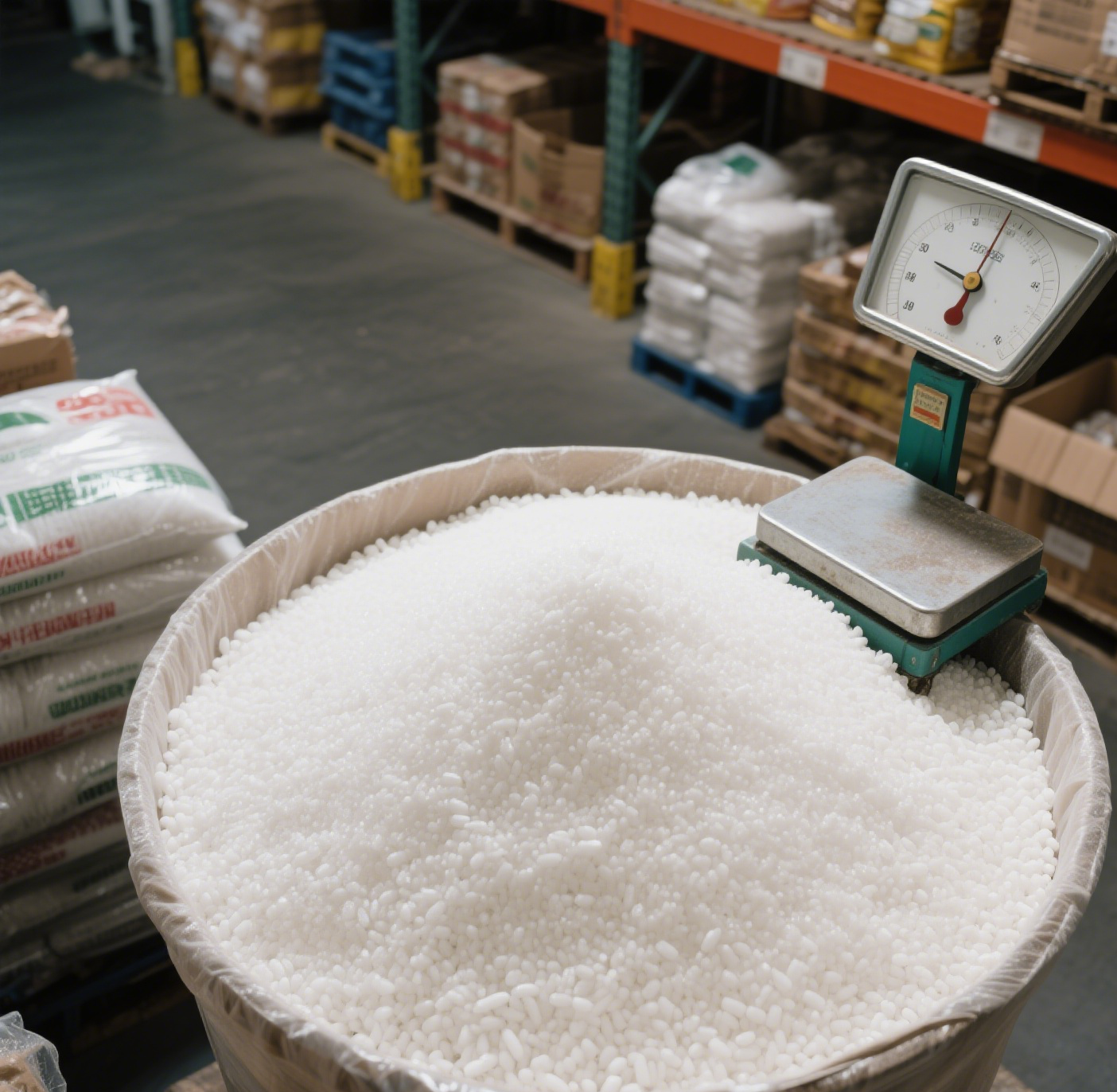
Premium additives have revolutionized modern meat processing by addressing critical challenges in texture enhancement and shelf life extension. Among these innovations, transglutaminase powder stands out as a game-changing enzyme that transforms how processors approach product development. This powerful protein crosslinking agent enables manufacturers to create superior meat products with improved binding properties, enhanced texture profiles, and extended storage capabilities. The growing demand for consistent quality and longer shelf life has made premium additives indispensable tools in contemporary food production facilities.
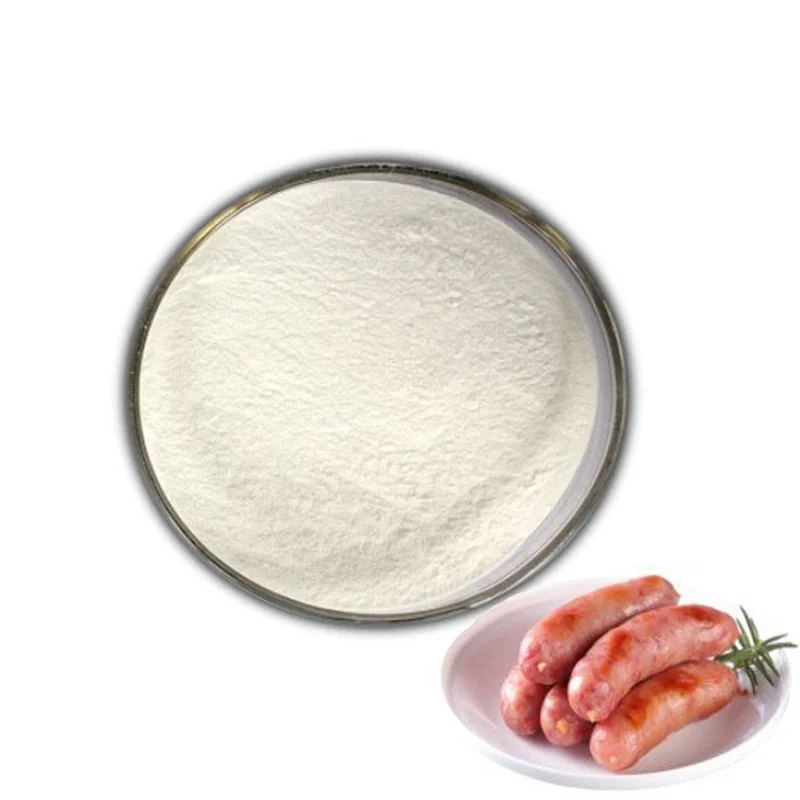
The meat processing industry faces mounting pressure to deliver products that meet consumer expectations for quality, taste, and convenience while maintaining profitability. Premium additives provide the technological foundation necessary to achieve these objectives through precise control over protein functionality and product characteristics. Modern processing facilities rely on these specialized compounds to overcome inherent limitations in raw materials and processing conditions. The strategic application of additives like transglutaminase powder enables processors to create value-added products that command premium pricing in competitive markets.
Understanding Protein Crosslinking Technology
Enzymatic Binding Mechanisms
Transglutaminase powder operates through sophisticated enzymatic mechanisms that create covalent bonds between protein molecules. This enzyme catalyzes the formation of crosslinks between lysine and glutamine residues, resulting in a three-dimensional protein network that dramatically improves meat structure. The crosslinking process occurs naturally during the enzyme's activation period, typically requiring several hours at refrigerated temperatures. These permanent bonds remain stable throughout cooking and storage, ensuring consistent product performance across various applications.
The specificity of enzymatic binding distinguishes transglutaminase powder from mechanical or chemical binding methods. Unlike traditional approaches that rely on physical manipulation or chemical additives, enzymatic crosslinking works at the molecular level to create authentic protein-to-protein connections. This precision enables processors to achieve binding strengths comparable to intact muscle tissue while maintaining the natural characteristics of the original meat. The resulting products exhibit superior slicing properties, reduced cooking losses, and enhanced visual appeal that resonates with quality-conscious consumers.
Substrate Compatibility and Optimization
Different protein substrates respond uniquely to transglutaminase powder treatment, requiring careful optimization for maximum effectiveness. Fish proteins generally show the highest reactivity due to their abundant lysine and glutamine content, while beef and pork proteins require specific processing conditions to achieve optimal binding. Poultry proteins occupy a middle ground, offering good reactivity with proper pH and temperature management. Understanding these substrate-specific characteristics enables processors to develop targeted application protocols that maximize the enzyme's potential.
Environmental factors significantly influence the performance of transglutaminase powder in various protein systems. Temperature control proves critical, as excessive heat can denature the enzyme before crosslinking occurs, while insufficient temperature slows the reaction rate. pH levels between 6.0 and 7.5 provide optimal conditions for enzymatic activity, though some protein systems may benefit from slight adjustments within this range. Water activity and ionic strength also affect enzyme performance, requiring careful consideration during formulation development and processing protocol establishment.
Texture Enhancement Applications
Restructured Product Development
Restructured meat products represent one of the most significant applications for transglutaminase powder in commercial food processing. These products combine smaller meat pieces or trimmings into cohesive structures that mimic whole muscle characteristics. The enzyme enables processors to create premium-quality restructured products from lower-value raw materials, significantly improving profit margins while reducing waste. Applications range from restructured steaks and roasts to formed poultry products and seafood medallions.
The binding strength achieved through transglutaminase powder treatment often exceeds that of natural muscle tissue, enabling innovative product designs previously impossible with conventional processing methods. Processors can incorporate diverse protein sources, create marbled effects using different meat types, or develop portion-controlled products with consistent dimensions. The enzyme's ability to bind dissimilar proteins opens opportunities for hybrid products that combine the best characteristics of multiple protein sources, such as beef-pork blends or fish-poultry combinations.
Surface Texture Modification
Surface texture plays a crucial role in consumer perception and acceptance of meat products. Transglutaminase powder treatment can dramatically improve surface characteristics by creating a more uniform, cohesive exterior that enhances visual appeal and slicing performance. The enzyme forms a protein film on treated surfaces that reduces moisture migration and prevents the formation of unsightly gaps or separations during storage and cooking. This surface modification proves particularly valuable for delicatessen products and pre-sliced items where appearance directly impacts sales.
The textural improvements achieved through enzymatic treatment extend beyond mere appearance to influence mouthfeel and eating quality. Transglutaminase powder creates a more tender, cohesive texture that consumers associate with premium meat products. The crosslinked protein matrix provides better moisture retention during cooking, resulting in juicier products with improved palatability. These textural enhancements enable processors to differentiate their products in crowded markets while commanding higher prices for superior eating experiences.
Shelf Life Extension Strategies
Moisture Retention and Migration Control
Moisture control represents a fundamental challenge in meat processing, directly impacting both quality and shelf life. Transglutaminase powder addresses this challenge by creating protein networks that effectively trap moisture within the product structure. The crosslinked proteins form barriers that prevent moisture migration to package surfaces, reducing the formation of unsightly liquid accumulation that negatively affects consumer perception. This moisture retention capability proves especially valuable for products with extended distribution chains or longer storage requirements.
The water-holding capacity improvements achieved through transglutaminase powder treatment translate directly into extended shelf life and reduced shrinkage losses. Products maintain their original weight and appearance longer during refrigerated storage, reducing waste and improving profitability throughout the supply chain. The enhanced moisture retention also contributes to better cooking performance, as products lose less water during thermal processing and maintain their intended texture and juiciness. These benefits compound over time, making enzymatic treatment particularly valuable for export products or items with extended distribution periods.
Oxidative Stability Enhancement
Oxidative deterioration poses a significant threat to meat product quality and shelf life, particularly in processed items with increased surface area exposure. The protein crosslinking achieved through transglutaminase powder treatment provides some protection against oxidative processes by creating more stable protein structures. While not a primary antioxidant mechanism, the enzyme treatment can complement traditional preservation strategies by reducing the availability of reactive sites and improving overall product stability during storage.
The structural modifications induced by transglutaminase powder can influence lipid oxidation patterns in meat products. Crosslinked proteins may provide better encapsulation of lipid components, reducing their exposure to oxygen and other pro-oxidant factors. This protective effect proves particularly beneficial in products with higher fat content or those containing polyunsaturated fatty acids susceptible to rapid oxidation. Combined with appropriate packaging and storage conditions, enzymatic treatment contributes to maintaining sensory quality throughout the product's intended shelf life.
Processing Considerations and Implementation
Equipment Requirements and Modifications
Successful implementation of transglutaminase powder requires careful consideration of existing processing equipment and potential modifications needed for optimal results. Most conventional meat processing equipment can accommodate enzymatic treatment with minor adjustments to mixing, forming, and holding procedures. Temperature control systems may require enhancement to maintain the precise conditions necessary for enzyme activation while preventing premature protein denaturation. Mixing equipment should provide gentle, thorough distribution without excessive mechanical action that could damage protein structures.
Holding and forming equipment plays a critical role in maximizing the benefits of transglutaminase powder treatment. Products typically require several hours of contact time under controlled conditions to achieve optimal crosslinking. This necessitates adequate refrigerated storage capacity and may require modifications to production scheduling to accommodate the enzyme activation period. Forming equipment must handle the changing rheological properties of treated products as crosslinking progresses, often requiring adjustments to pressure settings and cycling times.
Quality Control and Monitoring Systems
Implementing transglutaminase powder in commercial production requires robust quality control systems to ensure consistent results and regulatory compliance. Testing protocols should include enzyme activity verification, binding strength measurements, and final product texture evaluation. Rapid testing methods enable real-time process adjustments, while comprehensive testing programs validate long-term product stability and performance. These monitoring systems prove essential for maintaining consistent quality across production runs and identifying potential issues before they impact finished products.
Documentation and traceability systems must accommodate the unique requirements of enzymatic processing, including enzyme lot tracking, activation condition monitoring, and product identification throughout the supply chain. Regulatory compliance requires detailed records of enzyme usage, processing conditions, and final product characteristics. Advanced processors implement automated monitoring systems that continuously track critical parameters and provide alerts when conditions deviate from established specifications, ensuring consistent product quality and regulatory compliance.
Economic Benefits and Market Advantages
Raw Material Utilization Optimization
The economic impact of transglutaminase powder extends far beyond simple ingredient costs to encompass comprehensive improvements in raw material utilization efficiency. Processors can transform lower-value meat cuts and trimmings into premium products that command significantly higher prices in the marketplace. This value transformation proves particularly important in today's competitive environment where margin pressure requires maximum utilization of every component. The enzyme enables processors to create consistent, high-quality products from variable raw materials, reducing waste and improving overall profitability.
Inventory management benefits significantly from the flexibility provided by transglutaminase powder applications. Processors can maintain smaller inventories of diverse meat cuts while still offering a wide range of finished products. The ability to combine different protein sources creates opportunities for ingredient cost optimization based on market conditions and availability. Seasonal price variations can be managed more effectively when processors have the flexibility to substitute ingredients while maintaining consistent product characteristics through enzymatic binding technology.
Market Positioning and Product Differentiation
Premium additives like transglutaminase powder enable processors to develop unique products that stand out in crowded markets. The superior texture, appearance, and performance characteristics achieved through enzymatic treatment support premium positioning strategies that justify higher retail prices. Consumers increasingly recognize and value the consistent quality and enhanced eating experience provided by professionally processed meat products. This market recognition translates into brand loyalty and repeat purchases that sustain long-term profitability.
Innovation opportunities multiply when processors master the application of advanced additives in their production systems. Transglutaminase powder opens possibilities for completely new product categories that combine traditional favorites with modern processing capabilities. Seasonal and limited-edition products become more feasible when processors have the tools to create consistent, high-quality results from diverse ingredient combinations. These innovation capabilities provide competitive advantages that are difficult for competitors to replicate without similar technological expertise.
Safety and Regulatory Considerations
Allergen Management and Labeling
Regulatory compliance represents a critical aspect of implementing transglutaminase powder in commercial meat processing operations. Current regulations require clear labeling of enzymatic treatments, and processors must maintain detailed documentation of ingredient sources and processing conditions. Allergen considerations prove particularly important, as some transglutaminase powder sources may contain allergens that require declaration on finished product labels. Processors must establish comprehensive allergen control programs that address both direct ingredient allergens and potential cross-contamination during processing.
Labeling requirements vary by jurisdiction and continue to evolve as regulatory agencies develop more specific guidelines for enzymatic processing aids. Proactive processors work closely with regulatory specialists to ensure compliance with current requirements while preparing for anticipated changes. Clear communication with customers and consumers about the benefits and safety of enzymatic treatment helps build confidence in these advanced processing technologies. Transparent labeling practices support market acceptance and demonstrate commitment to consumer safety and product quality.
HACCP Integration and Process Validation
Hazard Analysis and Critical Control Points (HACCP) systems must be updated to address the unique considerations associated with transglutaminase powder usage. Critical control points may include enzyme storage conditions, activation temperature monitoring, and product holding time verification. Process validation studies demonstrate that enzymatic treatment does not compromise food safety while providing the intended functional benefits. These validation studies form the foundation for regulatory approval and customer acceptance of processed products.
Microbiological considerations require special attention when implementing extended holding times necessary for optimal enzyme activation. While transglutaminase powder itself does not possess antimicrobial properties, the improved protein structure can influence microbial growth patterns in finished products. Processors must validate that their specific processing conditions maintain microbiological safety throughout the enzyme activation period and subsequent product storage. Regular testing and monitoring programs ensure that food safety standards are maintained while achieving the desired functional improvements.
FAQ
How does transglutaminase powder improve meat texture without compromising safety?
Transglutaminase powder improves meat texture through natural enzymatic crosslinking that creates permanent protein bonds without introducing harmful chemicals or compromising food safety. The enzyme is naturally occurring and has been safely used in food processing for decades. When properly applied under controlled conditions, it enhances texture while maintaining all existing food safety protocols. The crosslinked proteins actually improve product stability and can contribute to better moisture retention and reduced bacterial growth opportunities.
What are the optimal storage conditions for products treated with transglutaminase powder?
Products treated with transglutaminase powder should be stored under standard refrigeration conditions between 32-38°F (0-3°C) to maintain optimal quality and safety. The crosslinked protein structure created by the enzyme actually provides better stability during storage, often extending shelf life compared to untreated products. Vacuum packaging or modified atmosphere packaging can further enhance storage performance. Temperature consistency proves more important than absolute temperature, as fluctuations can affect moisture migration and product appearance.
Can transglutaminase powder be used with all types of meat proteins?
Transglutaminase powder works effectively with most meat proteins, though optimal results require adjustment of processing conditions based on the specific protein source. Fish and poultry proteins generally show excellent reactivity, while red meats may require longer activation times or specific pH adjustments. Mixed protein applications are highly successful and often produce superior results compared to single-protein treatments. Each protein type may require customized processing protocols to achieve maximum binding strength and texture improvement.
What is the typical cost-benefit analysis for implementing transglutaminase powder in meat processing?
The cost-benefit analysis for transglutaminase powder typically shows positive returns within the first year of implementation. While ingredient costs increase modestly, the ability to upgrade lower-value raw materials into premium products often generates 20-30% improvements in gross margins. Reduced waste, improved yield, and extended shelf life contribute additional savings that compound over time. Most processors find that the technology pays for itself through improved product differentiation and reduced processing losses, making it an economically attractive investment for facilities processing significant volumes.
Table of Contents
- Understanding Protein Crosslinking Technology
- Texture Enhancement Applications
- Shelf Life Extension Strategies
- Processing Considerations and Implementation
- Economic Benefits and Market Advantages
- Safety and Regulatory Considerations
-
FAQ
- How does transglutaminase powder improve meat texture without compromising safety?
- What are the optimal storage conditions for products treated with transglutaminase powder?
- Can transglutaminase powder be used with all types of meat proteins?
- What is the typical cost-benefit analysis for implementing transglutaminase powder in meat processing?