 EN
EN

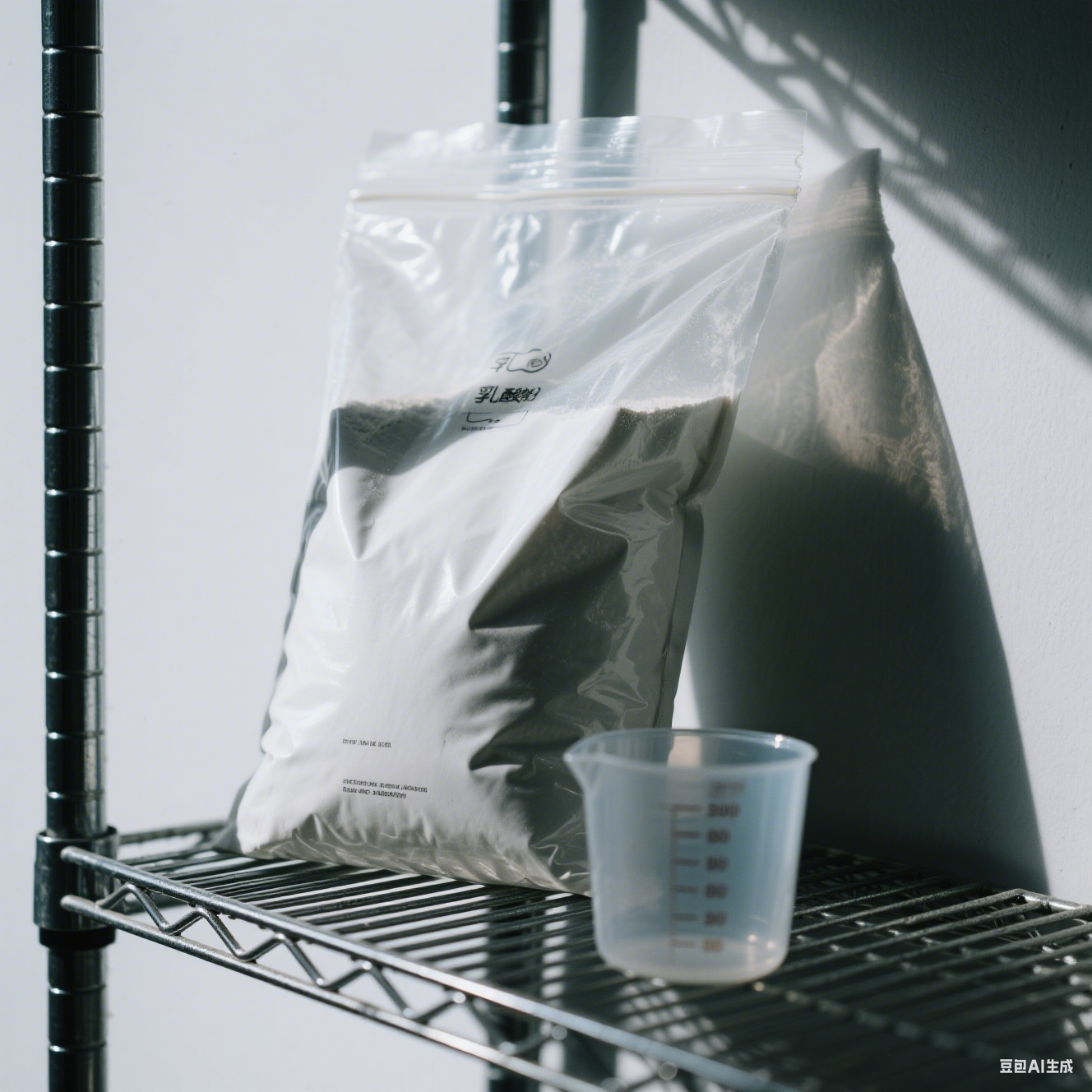
Selecting the appropriate dairy additive represents a critical decision that directly impacts product quality, consumer satisfaction, and market competitiveness in today's demanding food industry. Modern dairy processors face increasingly complex challenges in maintaining nutritional integrity while ensuring extended shelf life and optimal flavor profiles. The right dairy additive can transform ordinary milk products into premium offerings that meet consumer expectations for both health benefits and sensory appeal. Understanding the intricate relationship between different additives and their specific applications enables manufacturers to make informed decisions that enhance their product portfolio while maintaining cost-effectiveness and regulatory compliance.
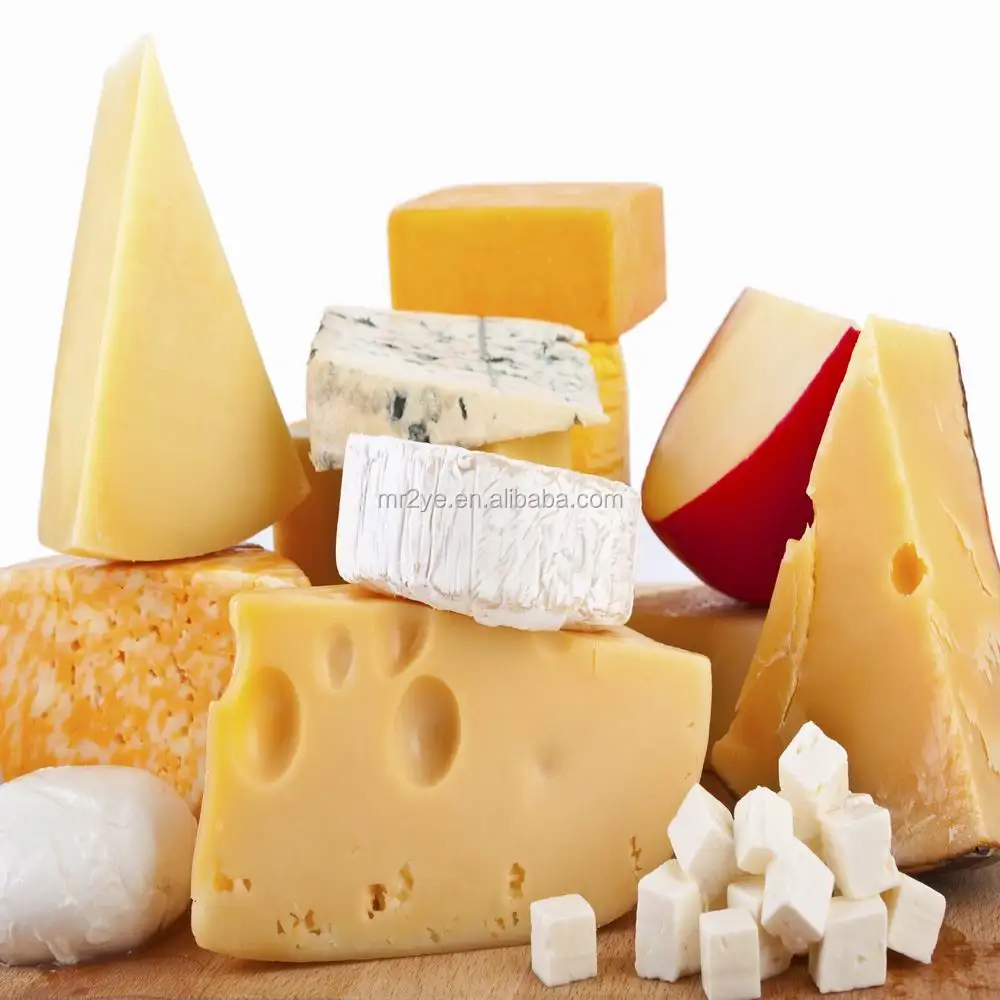
Understanding Dairy Additive Categories and Their Primary Functions
Protein-Based Additives for Enhanced Nutrition
Protein-based dairy additives serve as fundamental components for improving the nutritional profile of milk products while contributing to texture enhancement and flavor development. These specialized ingredients include milk protein concentrates, whey protein isolates, and casein derivatives that provide essential amino acids and bioactive compounds. The selection of an appropriate protein-based dairy additive depends on the target application, desired protein content, and specific functional properties required for the final product. Manufacturers must consider factors such as solubility, heat stability, and interaction with other ingredients when incorporating these additives into their formulations.
The functionality of protein additives extends beyond simple nutritional enhancement, as they contribute significantly to the structural integrity and mouthfeel of dairy products. High-quality protein additives can improve gel formation in yogurts, enhance foam stability in milk-based beverages, and provide superior binding properties in processed cheese applications. When evaluating protein-based options, processors should assess the amino acid profile, digestibility characteristics, and potential allergenicity to ensure compatibility with target consumer demographics and dietary requirements.
Stabilizing Agents and Emulsifiers
Stabilizing agents represent another crucial category of dairy additive that maintains product consistency and prevents undesirable phase separation during storage and distribution. These compounds work by creating stable interfaces between different components, ensuring uniform texture and appearance throughout the product's shelf life. Common stabilizers include carrageenan, xanthan gum, and various phosphate compounds that each offer unique benefits depending on the specific application and processing conditions involved in manufacturing.
The selection of appropriate stabilizing agents requires careful consideration of pH sensitivity, temperature tolerance, and interaction potential with other dairy additive components in the formulation. Effective stabilization systems can prevent syneresis in cultured products, maintain smooth texture in ice cream formulations, and ensure consistent viscosity in flavored milk beverages. Processors must balance the functional benefits with cost considerations and consumer preferences for clean label ingredients when selecting these essential additives.
Evaluating Nutritional Enhancement Potential
Vitamin and Mineral Fortification Options
Vitamin and mineral fortification through targeted dairy additive selection enables manufacturers to address specific nutritional gaps while creating value-added products that appeal to health-conscious consumers. The fortification process requires careful attention to bioavailability, stability under processing conditions, and potential interactions with naturally occurring nutrients in milk products. Essential vitamins such as vitamin D, vitamin A, and B-complex vitamins can be effectively incorporated through specialized additive systems designed to maintain potency throughout the product lifecycle.
Mineral fortification presents unique challenges related to solubility, taste impact, and potential precipitation during storage, making the selection of appropriate chelated forms or encapsulated versions of the dairy additive crucial for success. Calcium, iron, and zinc represent commonly fortified minerals that require specific delivery systems to ensure optimal absorption while minimizing negative sensory impacts. The development of effective fortification strategies involves comprehensive testing to verify nutrient stability and bioavailability under various storage conditions and consumption patterns.
Probiotic Integration Strategies
Probiotic incorporation through specialized dairy additive systems has gained significant attention as consumers increasingly seek functional foods that support digestive health and overall wellness. The successful integration of viable probiotic cultures requires careful selection of protective matrices and delivery systems that maintain cell viability during processing, storage, and passage through the digestive system. Advanced encapsulation technologies enable the development of robust probiotic additive systems that can withstand the challenging conditions encountered in dairy processing operations.
The selection of appropriate probiotic strains and delivery systems must consider factors such as strain compatibility with dairy matrices, target cell counts, and specific health claims desired for the final product. Different dairy additive formulations may be required to optimize probiotic survival in various product categories, from refrigerated yogurts to shelf-stable milk beverages. Manufacturers should evaluate clinical evidence supporting specific probiotic strains and ensure compliance with regulatory requirements for health claim substantiation.
Flavor Stability and Sensory Enhancement
Antioxidant Systems for Flavor Protection
Antioxidant systems represent a critical category of dairy additive designed to prevent lipid oxidation and maintain desirable flavor characteristics throughout the product's shelf life. The development of effective antioxidant strategies requires understanding of the specific oxidation pathways that occur in different dairy products and selecting appropriate combinations of natural and synthetic antioxidants. Tocopherols, ascorbic acid, and specialized phenolic compounds offer varying degrees of protection against different oxidative mechanisms that can compromise flavor quality.
The effectiveness of antioxidant dairy additive systems depends on proper distribution throughout the product matrix, compatibility with processing conditions, and synergistic interactions between different antioxidant compounds. Advanced antioxidant formulations may incorporate chelating agents to bind pro-oxidant metals and create comprehensive protection systems that address multiple oxidation pathways simultaneously. Manufacturers must balance antioxidant effectiveness with regulatory compliance and consumer acceptance of specific ingredient declarations.
Flavor Enhancement and Masking Technologies
Flavor enhancement technologies through specialized dairy additive applications enable manufacturers to optimize sensory appeal while addressing potential off-flavors that may arise from fortification or processing operations. These sophisticated systems can amplify desirable dairy notes, mask metallic or bitter flavors from added nutrients, and create unique flavor profiles that differentiate products in competitive markets. Natural flavor enhancement approaches using dairy-derived compounds and fermentation-based flavor systems offer clean label solutions for sensory optimization.
The development of effective flavor masking strategies requires comprehensive sensory evaluation and understanding of flavor-structure relationships in dairy systems. Different dairy additive formulations may be necessary to address specific flavor challenges associated with various fortification levels or processing conditions. Successful flavor enhancement programs integrate consumer preference data with technical functionality to create products that deliver superior sensory experiences while maintaining nutritional and functional benefits.
Quality Control and Safety Considerations
Analytical Testing and Verification Protocols
Comprehensive analytical testing protocols ensure that selected dairy additive systems perform as intended while maintaining product safety and regulatory compliance throughout the manufacturing process. These testing programs should encompass raw material verification, in-process monitoring, and finished product analysis to confirm additive functionality and absence of contaminants. Advanced analytical methods enable precise quantification of active components and assessment of potential degradation products that may impact product quality or safety.
The implementation of robust quality control systems requires establishment of appropriate specifications for each dairy additive component, including identity verification, purity assessment, and microbiological testing protocols. Regular monitoring of additive performance through accelerated shelf-life studies and consumer acceptance testing provides valuable feedback for optimization of formulations and processing parameters. Manufacturers should maintain comprehensive documentation systems that support traceability and facilitate rapid response to quality issues or regulatory inquiries.
Regulatory Compliance and Documentation Requirements
Regulatory compliance represents a fundamental consideration in dairy additive selection, requiring thorough understanding of applicable food safety regulations, labeling requirements, and approval processes for novel ingredients. Different markets may have varying requirements for additive approvals, maximum usage levels, and mandatory safety assessments that must be considered during product development planning. Comprehensive documentation systems should include safety data sheets, regulatory approval letters, and ongoing monitoring reports that demonstrate continued compliance with evolving regulatory standards.
The complexity of international regulatory environments necessitates careful evaluation of additive status in target markets and potential restrictions that may impact product commercialization strategies. Manufacturers should maintain current awareness of regulatory developments and engage with appropriate regulatory bodies to ensure continued compliance and facilitate approval of innovative dairy additive technologies. Proactive regulatory planning can prevent costly delays and enable successful market entry for enhanced dairy products.
Cost-Effectiveness and Supply Chain Management
Economic Analysis and ROI Calculations
Economic analysis of dairy additive selection requires comprehensive evaluation of direct ingredient costs, processing modifications, and potential market premiums that enhanced products can command in competitive markets. The total cost of ownership includes not only the purchase price of additives but also associated handling costs, inventory management expenses, and potential equipment modifications required for proper incorporation. Successful cost analysis considers the relationship between additive investment and resulting improvements in product quality, shelf life, and consumer acceptance.
Return on investment calculations for dairy additive programs should incorporate both tangible benefits such as reduced waste and extended shelf life, as well as intangible benefits including brand differentiation and customer loyalty enhancement. Long-term economic planning must consider potential price volatility of additive ingredients and develop strategies for managing supply cost fluctuations while maintaining product quality standards. Manufacturers should evaluate multiple suppliers and consider strategic partnerships that can provide supply security and technical support for optimal additive utilization.
Supplier Evaluation and Partnership Development
Supplier evaluation for dairy additive procurement requires assessment of technical capability, quality systems, supply reliability, and innovation potential to support long-term product development objectives. Qualified suppliers should demonstrate comprehensive understanding of dairy applications, provide technical support for formulation optimization, and maintain robust quality assurance programs that ensure consistent additive performance. Partnership development with key suppliers can provide access to emerging technologies and customized solutions that address specific manufacturing challenges.
The establishment of strategic supplier relationships should include clear specifications for dairy additive quality, delivery requirements, and technical support expectations. Regular supplier audits and performance reviews ensure continued compliance with quality standards and identify opportunities for process improvements or cost optimization. Successful partnerships often involve collaborative development programs that leverage supplier expertise to create innovative additive solutions tailored to specific market opportunities and consumer preferences.
FAQ
What factors should be considered when selecting dairy additives for organic products?
Organic dairy additive selection requires careful attention to certification requirements, approved ingredient lists, and processing aid restrictions that vary by organic certification body. All additives must be specifically approved for organic use and sourced from certified organic or approved non-organic sources as defined by relevant organic standards. Manufacturers should verify that processing methods used in additive production comply with organic regulations and maintain comprehensive documentation to support organic claims throughout the supply chain.
How do dairy additives impact the shelf life of different milk products?
Dairy additive systems can significantly extend shelf life through multiple mechanisms including antioxidant protection, microbial inhibition, and structural stabilization that prevent quality degradation during storage. The effectiveness of shelf-life extension depends on proper selection of additive types and concentrations based on specific product characteristics and storage conditions. Comprehensive shelf-life testing under accelerated and real-time conditions provides essential data for validating additive performance and establishing appropriate expiration dating for enhanced products.
What are the key differences between natural and synthetic dairy additives?
Natural dairy additives are derived from plant, animal, or microbial sources through extraction or fermentation processes, while synthetic additives are chemically manufactured to achieve identical or similar functionality. Natural additives often appeal to consumers seeking clean label products but may have limitations in terms of consistency, cost, and functional performance compared to synthetic alternatives. The choice between natural and synthetic options should consider regulatory status, consumer preferences, functional requirements, and economic factors specific to each application and target market.
How can manufacturers ensure consistent performance from dairy additive systems?
Consistent dairy additive performance requires establishment of rigorous incoming inspection protocols, proper storage conditions, and standardized incorporation procedures that account for mixing time, temperature, and sequence of addition. Regular performance monitoring through analytical testing and sensory evaluation provides early detection of potential issues and enables prompt corrective action. Manufacturers should maintain close communication with additive suppliers to stay informed of any formulation changes or quality issues that may impact product performance and implement appropriate contingency plans for supply disruptions.
Table of Contents
- Understanding Dairy Additive Categories and Their Primary Functions
- Evaluating Nutritional Enhancement Potential
- Flavor Stability and Sensory Enhancement
- Quality Control and Safety Considerations
- Cost-Effectiveness and Supply Chain Management
-
FAQ
- What factors should be considered when selecting dairy additives for organic products?
- How do dairy additives impact the shelf life of different milk products?
- What are the key differences between natural and synthetic dairy additives?
- How can manufacturers ensure consistent performance from dairy additive systems?