 EN
EN

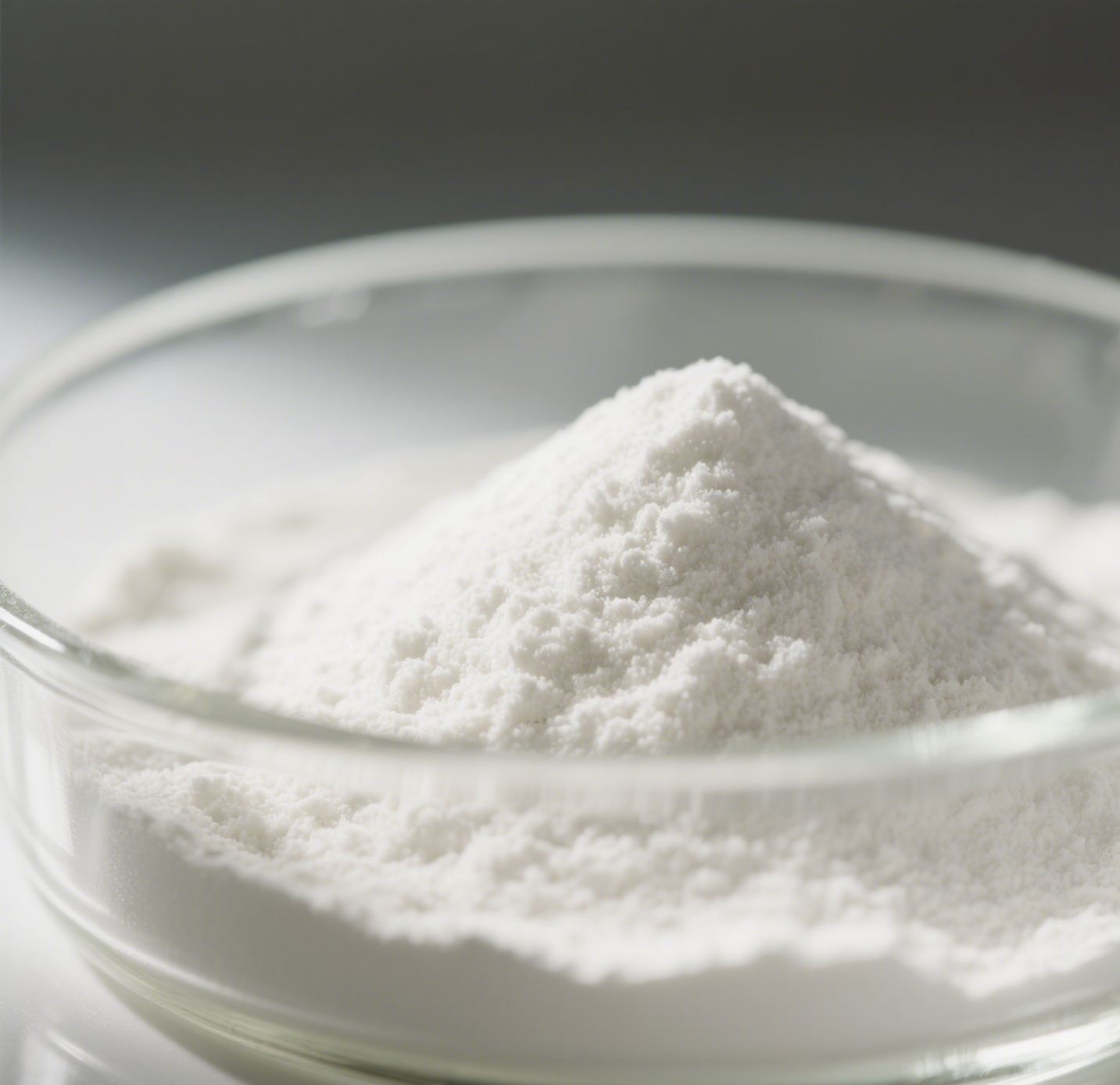
Dextrose anhydrous powder has become an essential ingredient in modern food manufacturing, transforming how bakers, confectionery makers, and beverage producers approach their craft. This crystalline sweetener offers unique properties that extend far beyond simple sweetening, providing functional benefits that can significantly improve product quality, texture, and shelf life. Understanding the versatile applications of this refined sugar derivative can help food manufacturers optimize their formulations and achieve superior results across various production processes.
Understanding Dextrose Anhydrous Powder Properties
Chemical Structure and Characteristics
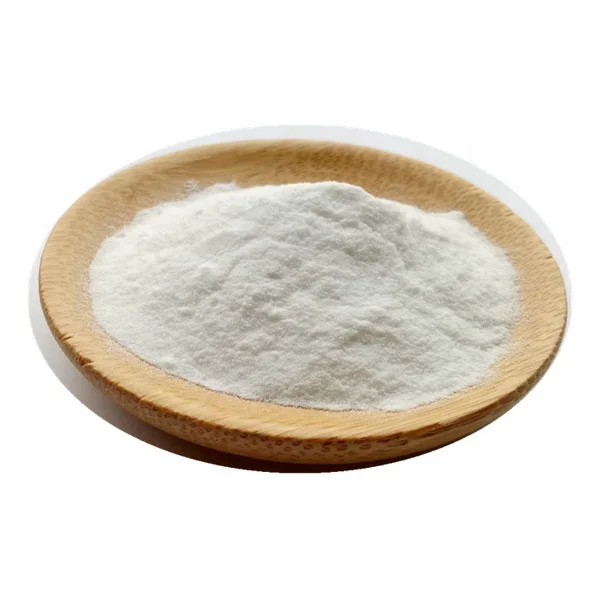
Dextrose anhydrous powder represents the purest form of glucose, containing less than 0.5% moisture content. This low moisture level distinguishes it from regular dextrose monohydrate, making it particularly valuable in applications where water activity control is crucial. The crystalline structure provides excellent flowability and dissolves readily in aqueous solutions, creating uniform distribution throughout food matrices.
The molecular composition allows for rapid fermentation by yeast and bacteria, making it an ideal substrate for various biochemical processes. Its high purity ensures consistent performance in sensitive applications where impurities could affect final product quality. The powder form facilitates easy handling, accurate measurement, and seamless integration into automated production systems.
Functional Benefits in Food Applications
Beyond sweetening capabilities, dextrose anhydrous powder serves multiple functional roles in food manufacturing. It acts as a humectant, helping retain moisture in baked goods while preventing excessive water migration. The compound also functions as a browning agent through Maillard reactions, contributing to desirable color development and flavor enhancement during heating processes.
The fermentable nature of this ingredient makes it valuable for controlling fermentation rates in yeast-based products. Its ability to crystallize under specific conditions allows manufacturers to control texture and mouthfeel in confectionery applications. Additionally, the powder can serve as a carrier for flavors, colors, and other functional ingredients, improving their stability and distribution.
Dextrose Applications in Baking Processes
Yeast Fermentation Enhancement
In bread and pastry production, dextrose anhydrous powder provides immediate nutrition for yeast cultures, accelerating fermentation processes and improving dough rise characteristics. Unlike complex sugars that require enzymatic breakdown, dextrose is readily consumed by yeast, leading to more predictable fermentation timing and enhanced gas production. This rapid utilization helps bakers achieve consistent results while reducing proofing times.
The controlled fermentation process enabled by dextrose contributes to improved crumb structure and enhanced flavor development. Bakers can adjust dextrose levels to fine-tune fermentation rates, accommodating different production schedules and environmental conditions. The ingredient also supports extended shelf life by promoting beneficial fermentation byproducts that act as natural preservatives.
Texture and Moisture Management
Moisture retention represents a critical challenge in commercial baking, where products must maintain freshness during distribution and storage. Dextrose anhydrous powder addresses this challenge through its hygroscopic properties, binding available water and preventing moisture loss from baked goods. This moisture management extends product shelf life while maintaining desirable texture characteristics.
The ingredient also influences gluten development and starch gelatinization processes, contributing to improved crumb structure and reduced staling. Its interaction with proteins and starches creates a more stable matrix that resists textural changes over time. Bakers can leverage these properties to create products with superior eating quality and extended commercial viability.
Confectionery Manufacturing Applications
Sugar Crystallization Control
Confectionery manufacturers rely on precise sugar crystallization to achieve desired textures in candies, chocolates, and other sweet products. Dextrose anhydrous powder serves as an effective crystallization modifier, influencing crystal size, structure, and stability. Its presence can prevent unwanted crystallization in smooth textures while promoting controlled crystallization in products requiring specific textural characteristics.
The compound's ability to form stable glass states makes it valuable in hard candy production, where clarity and shelf stability are paramount. Its lower sweetness intensity compared to sucrose allows formulators to achieve desired sweetness levels while incorporating higher concentrations for functional benefits. This flexibility enables the creation of products with unique textural profiles and extended stability.
Flavor Enhancement and Stability
In confectionery applications, dextrose anhydrous powder contributes to flavor development through both direct taste impact and interaction with other ingredients. Its mild sweetness complements complex flavor systems without overwhelming delicate notes, making it ideal for premium chocolate formulations and artisanal candy production. The ingredient also enhances flavor release characteristics, improving perceived intensity and duration.
The chemical stability of dextrose ensures flavor compounds remain intact during processing and storage. Its non-reactive nature with most flavoring agents prevents unwanted chemical interactions that could compromise product quality. Confectionery manufacturers can utilize this stability to create products with consistent flavor profiles throughout their intended shelf life.
Beverage Industry Utilization
Fermentation Media and Substrate
The beverage industry extensively utilizes dextrose anhydrous powder as a primary fermentation substrate in alcoholic beverage production. Its rapid metabolism by yeast strains enables controlled alcohol production with predictable outcomes. Brewers and winemakers appreciate the clean fermentation profile that dextrose provides, producing fewer unwanted congeners compared to complex sugar sources.
In probiotic beverage manufacturing, dextrose serves as an ideal growth medium for beneficial bacteria cultures. Its readily available energy source supports robust microbial growth while maintaining product consistency. The ingredient's purity ensures that fermentation processes proceed without interference from impurities that could affect final product characteristics or microbial health.
Sweetening and Energy Enhancement
Sports and energy beverages frequently incorporate dextrose anhydrous powder for its rapid absorption and immediate energy delivery characteristics. The ingredient provides quick glucose availability to support athletic performance and recovery processes. Its high glycemic index makes it particularly valuable in formulations designed for rapid energy replenishment.
The ingredient's excellent solubility ensures smooth beverage textures without grittiness or settling issues common with other sweetening agents. Its neutral flavor profile allows beverage formulators to achieve desired sweetness levels without introducing unwanted taste notes. This versatility supports the creation of diverse beverage products across multiple market segments.
Processing Considerations and Quality Control
Storage and Handling Requirements
Proper storage and handling of dextrose anhydrous powder are essential for maintaining its functional properties and preventing quality degradation. The ingredient requires protection from moisture absorption, which could compromise its anhydrous characteristics and lead to clumping or crystallization issues. Sealed containers and controlled humidity environments help preserve powder flowability and dissolution characteristics.
Temperature control during storage prevents unwanted chemical changes that could affect ingredient performance in food applications. Regular quality testing ensures that moisture content, purity, and microbiological standards are maintained throughout the storage period. These precautions help manufacturers achieve consistent results in their final products while minimizing production variability.
Integration into Production Systems
Successful integration of dextrose anhydrous powder into existing production systems requires careful consideration of mixing sequences, dissolution rates, and ingredient compatibility. The powder's excellent flowability facilitates automated handling systems, while its rapid dissolution supports continuous mixing processes. Manufacturers can optimize production efficiency by adjusting mixing parameters to accommodate dextrose incorporation.
Quality control protocols should include regular testing of dextrose solutions to ensure proper concentration and purity levels. Monitoring dissolution rates and checking for undissolved particles helps prevent quality issues in final products. These systematic approaches support consistent product quality while maximizing the functional benefits that dextrose anhydrous powder provides.
FAQ
What is the difference between dextrose anhydrous powder and regular dextrose?
Dextrose anhydrous powder contains less than 0.5% moisture, while regular dextrose monohydrate contains approximately 9% bound water. This lower moisture content makes the anhydrous form more stable and suitable for applications where water activity control is critical, such as in dry mixes and moisture-sensitive formulations.
How does dextrose anhydrous powder affect fermentation processes?
Dextrose anhydrous powder provides immediate nutrition for yeast and bacterial cultures, accelerating fermentation rates and improving process predictability. Its simple molecular structure requires no enzymatic breakdown, allowing microorganisms to metabolize it rapidly and efficiently, resulting in faster fermentation times and more consistent outcomes.
Can dextrose anhydrous powder replace other sweeteners in food formulations?
While dextrose anhydrous powder can substitute for other sweeteners, its lower sweetness intensity compared to sucrose means that higher quantities may be needed to achieve equivalent sweetness levels. However, its functional properties often provide additional benefits beyond sweetening, such as improved texture, moisture retention, and fermentation enhancement that may justify reformulation efforts.
What quality standards should be considered when selecting dextrose anhydrous powder?
Key quality parameters include moisture content (should be below 0.5%), purity level (typically 99% or higher), microbiological safety, heavy metal content, and particle size distribution. The ingredient should meet food-grade specifications and comply with relevant regulatory standards for intended applications. Regular testing and supplier certification help ensure consistent quality and performance in food manufacturing processes.
Table of Contents
- Understanding Dextrose Anhydrous Powder Properties
- Dextrose Applications in Baking Processes
- Confectionery Manufacturing Applications
- Beverage Industry Utilization
- Processing Considerations and Quality Control
-
FAQ
- What is the difference between dextrose anhydrous powder and regular dextrose?
- How does dextrose anhydrous powder affect fermentation processes?
- Can dextrose anhydrous powder replace other sweeteners in food formulations?
- What quality standards should be considered when selecting dextrose anhydrous powder?