 EN
EN


The beverage industry faces increasing demands for consistent texture, mouthfeel, and stability across diverse product lines. Modified starch serves as a critical ingredient that enables manufacturers to achieve these quality standards while maintaining cost-effectiveness and consumer appeal. Understanding the selection criteria for modified starch in beverage applications requires comprehensive knowledge of functional properties, processing conditions, and end-product requirements. Beverage formulators must evaluate multiple factors including viscosity control, freeze-thaw stability, and compatibility with other ingredients to ensure optimal performance throughout the product lifecycle.
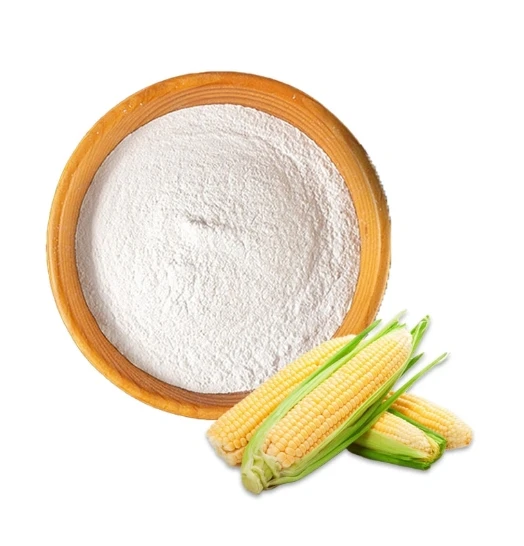
Understanding Modified Starch Functionality in Beverages
Basic Properties and Characteristics
Modified starch represents a diverse category of ingredients created through physical, chemical, or enzymatic treatments of native starches. These modifications enhance specific functional properties that make modified starch particularly valuable in beverage applications. The modification process alters the molecular structure, creating improved solubility, stability, and thickening capabilities compared to native starches. Beverage manufacturers rely on modified starch to achieve consistent viscosity profiles that remain stable across varying temperature conditions and storage periods.
The molecular weight distribution of modified starch directly influences its behavior in liquid systems. Lower molecular weight fractions contribute to rapid hydration and dissolution, while higher molecular weight components provide sustained thickening effects. This dual functionality allows beverage formulators to create products with immediate mouthfeel impact and long-term stability. Modified starch also demonstrates excellent clarity in solution, making it ideal for beverages where visual appearance is crucial to consumer acceptance.
Processing Advantages and Applications
Cold water soluble varieties of modified starch eliminate the need for high-temperature processing, reducing energy costs and preserving heat-sensitive ingredients. This characteristic is particularly beneficial for dairy-based beverages, fruit juices, and nutritional drinks containing vitamins or probiotics. The processing efficiency gained through modified starch utilization translates to improved production schedules and reduced manufacturing complexity. Quality control becomes more predictable when using standardized modified starch grades designed for specific beverage categories.
Modified starch performs exceptionally well in high-acid environments common in fruit beverages and carbonated drinks. The chemical modifications provide resistance to acid hydrolysis, maintaining viscosity and texture throughout the product shelf life. This stability is essential for beverages with pH levels below 4.0, where native starches would rapidly degrade and lose functionality. The consistent performance of modified starch across different pH ranges simplifies formulation development for diverse beverage portfolios.
Selection Criteria for Optimal Performance
Viscosity Requirements and Measurement
Viscosity represents the primary functional property driving modified starch selection in beverage applications. Different beverage categories require specific viscosity ranges to achieve desired mouthfeel characteristics and pouring properties. Sports drinks typically require lower viscosity profiles compared to smoothies or protein shakes, which demand higher viscosity for perceived richness and satiety. Understanding the relationship between modified starch concentration and resulting viscosity helps formulators optimize ingredient usage while maintaining cost efficiency.
Temperature stability of viscosity is crucial for beverages consumed at various temperatures or subjected to thermal processing. Modified starch varieties with enhanced thermal stability maintain consistent viscosity profiles from refrigerated storage temperatures to ambient consumption conditions. This stability prevents texture changes that could negatively impact consumer perception and product quality. Measuring viscosity across temperature ranges during product development ensures optimal modified starch selection for specific applications.
Compatibility with Other Ingredients
Beverage formulations typically contain multiple functional ingredients that must work synergistically with modified starch. Protein interactions present particular challenges, as some modified starch types may cause precipitation or texture defects when combined with whey, casein, or plant proteins. Evaluating compatibility through systematic testing prevents formulation failures and ensures consistent product quality. The ionic strength of the beverage system also influences modified starch performance, requiring careful consideration of salt and mineral content.
Emulsification properties of modified starch contribute to beverage stability, particularly in dairy alternatives and nutritional drinks containing oils or fats. Some modified starch varieties demonstrate excellent emulsifying capabilities, reducing the need for additional stabilizers and simplifying ingredient lists. This multifunctional approach appeals to consumers seeking clean label products while providing formulators with cost-effective solutions. Understanding the emulsification mechanisms helps optimize modified starch selection for complex beverage systems.
Processing Conditions and Performance Optimization
Hydration Methods and Equipment Requirements
Proper hydration techniques are essential for achieving optimal modified starch performance in beverage production. High-shear mixing equipment ensures complete dispersion and prevents lumping, which can create texture defects and inconsistent viscosity. The hydration process should be carefully controlled to achieve complete swelling without excessive shear that might degrade the modified starch structure. Understanding equipment capabilities and limitations helps establish standard operating procedures for consistent results.
Water quality significantly impacts modified starch hydration and final product characteristics. Hard water containing high mineral concentrations can interfere with modified starch swelling and reduce thickening efficiency. Water treatment or adjusted processing parameters may be necessary to achieve consistent performance across different production locations. Monitoring water quality parameters ensures reproducible modified starch functionality and prevents unexpected batch variations.
Storage and Stability Considerations
Modified starch stability during beverage storage depends on multiple environmental factors including temperature, pH, and preservative systems. Freeze-thaw stability becomes critical for frozen beverages or products exposed to temperature fluctuations during distribution. Some modified starch varieties demonstrate superior resistance to syneresis and texture breakdown under challenging storage conditions. Selecting modified starch based on anticipated storage and distribution requirements prevents quality issues and consumer complaints.
Microbial stability of modified starch requires consideration of preservative compatibility and potential nutrient availability for spoilage organisms. While modified starch itself has low water activity and limited microbial susceptibility, its interaction with other beverage components can influence overall product stability. Antimicrobial packaging or enhanced preservation systems may be necessary for beverages containing high concentrations of modified starch. Understanding these interactions supports comprehensive shelf-life extension strategies.
Quality Control and Testing Protocols
Analytical Methods for Performance Verification
Establishing robust quality control protocols ensures consistent modified starch performance across production batches. Viscosity measurements using standardized methods provide quantitative assessment of thickening properties under controlled conditions. Rheological testing reveals additional characteristics including shear-thinning behavior and temperature sensitivity that impact consumer perception. Regular testing of incoming modified starch materials prevents formulation drift and maintains product consistency.
Microscopic analysis can identify potential quality issues including incomplete modification or contamination that might affect beverage appearance or stability. Visual assessment of hydrated modified starch solutions reveals clarity, color, and particle dispersion characteristics. These qualitative evaluations complement quantitative measurements and provide early warning of potential processing or storage issues. Comprehensive testing protocols support proactive quality management and customer satisfaction.
Troubleshooting Common Issues
Viscosity loss during processing often indicates inadequate modified starch selection or processing conditions exceeding stability limits. Identifying root causes requires systematic evaluation of temperature exposure, shear levels, and chemical interactions within the beverage system. Alternative modified starch grades with enhanced stability characteristics may be necessary for challenging processing conditions. Understanding failure mechanisms enables targeted solutions rather than broad formulation changes.
Texture defects including grittiness or separation typically result from incomplete hydration or incompatible ingredient combinations. Modified starch selection must consider processing capabilities and ingredient interactions to prevent these quality issues. Reformulation strategies may involve changing hydration procedures, adjusting ingredient addition sequences, or selecting alternative modified starch varieties with improved compatibility. Systematic troubleshooting approaches minimize development time and ensure successful problem resolution.
Economic Considerations and Cost Optimization
Usage Level Optimization
Determining optimal modified starch usage levels requires balancing functional performance with ingredient costs. Higher usage levels generally provide enhanced stability and texture but increase formulation expenses and may affect other product attributes. Systematic dose-response studies identify minimum effective concentrations for specific applications, enabling cost optimization without compromising quality. Understanding the relationship between modified starch concentration and functional benefits supports economical formulation strategies.
Synergistic effects with other ingredients can reduce overall modified starch requirements while maintaining desired functionality. Combining modified starch with complementary hydrocolloids or proteins may provide enhanced performance at lower total ingredient costs. These synergistic approaches also contribute to clean label initiatives by reducing individual ingredient concentrations. Evaluating combination effects requires careful testing but can yield significant cost savings and improved functionality.
Supply Chain and Procurement Strategies
Modified starch sourcing requires consideration of supply reliability, quality consistency, and pricing stability. Establishing relationships with multiple suppliers provides flexibility and reduces supply chain risks. Quality specifications should clearly define performance requirements and acceptable variation ranges to ensure consistent product quality regardless of supplier. Long-term contracts may provide cost advantages while ensuring reliable modified starch availability for production planning.
Regional sourcing considerations include transportation costs, regulatory requirements, and local market preferences that may influence modified starch selection. Some markets demonstrate preferences for specific starch sources or modification methods that impact procurement strategies. Understanding regional variations in quality standards and consumer expectations supports appropriate modified starch selection for global beverage brands. Flexibility in sourcing approaches enables adaptation to changing market conditions while maintaining quality standards.
FAQ
What is the typical usage level of modified starch in beverages
Modified starch usage levels in beverages typically range from 0.1% to 2.0% by weight, depending on the desired viscosity and texture characteristics. Thin beverages like enhanced waters may require only 0.1-0.3% modified starch, while thick smoothies or protein shakes may need 1.0-2.0% for optimal mouthfeel. The specific grade and functionality of the modified starch also influences the required usage level, with high-performance varieties often requiring lower concentrations to achieve equivalent results.
How does pH affect modified starch performance in beverages
pH significantly impacts modified starch stability and functionality in beverage applications. Acid-resistant modified starch varieties maintain performance in low pH environments (3.0-4.0) common in fruit juices and carbonated beverages. Native starches and some modified starch types may experience viscosity loss or structural degradation under acidic conditions. Selecting appropriate modified starch grades for specific pH ranges ensures consistent performance throughout the product shelf life and prevents texture deterioration.
Can modified starch be used in clear beverages without affecting appearance
Many modified starch varieties provide excellent clarity in solution, making them suitable for clear beverage applications. Cold-water-soluble modified starch types typically offer superior clarity compared to cook-up varieties. However, usage levels and processing conditions affect final product appearance, requiring optimization for specific applications. Some modified starch products are specifically designed for clear applications and undergo additional processing to ensure minimal impact on beverage transparency and visual appeal.
What are the storage requirements for beverages containing modified starch
Beverages containing modified starch generally require standard refrigerated storage conditions to maintain optimal quality and stability. Temperature fluctuations should be minimized to prevent texture changes or syneresis. Some modified starch varieties offer enhanced freeze-thaw stability for products exposed to temperature variations during distribution. Shelf-life studies should evaluate modified starch performance under anticipated storage conditions to establish appropriate dating and storage recommendations for commercial products.