 EN
EN


The food industry is experiencing a revolutionary shift toward transparency and authenticity, with consumers increasingly demanding products that align with their health-conscious lifestyles. This transformation has positioned natural color solutions as the cornerstone of modern food manufacturing, fundamentally changing how brands approach product development and consumer engagement. Companies worldwide are recognizing that synthetic additives no longer meet the evolving expectations of today's informed consumers, who scrutinize ingredient lists with unprecedented attention to detail.
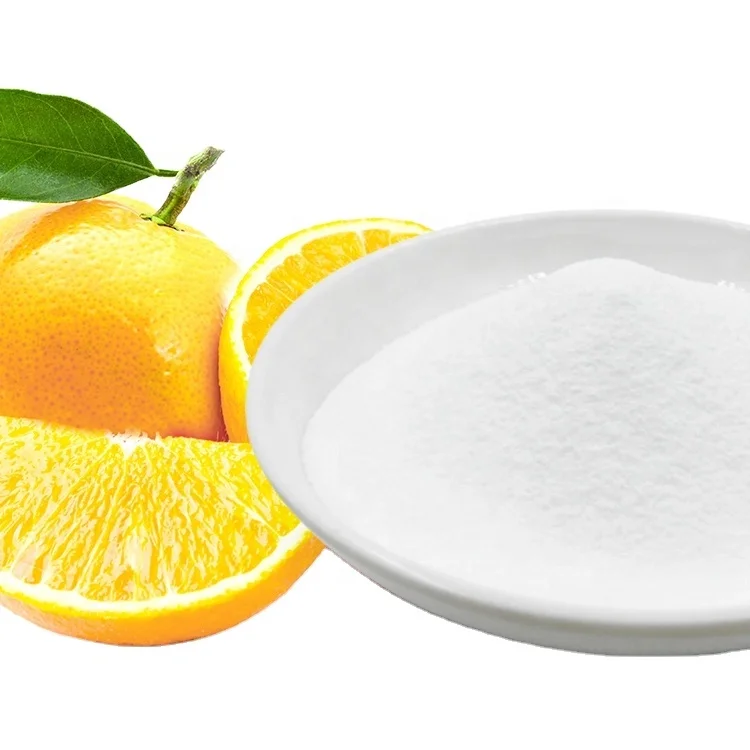
The clean-label movement has emerged as more than a trending preference; it represents a fundamental paradigm shift in consumer behavior and brand positioning. Food manufacturers are discovering that natural color solutions offer not only the visual appeal required for market success but also the authenticity that resonates with modern purchasing decisions. This comprehensive transformation extends beyond simple ingredient substitution, encompassing entire manufacturing processes, supply chain considerations, and brand communication strategies.
Understanding the Clean-Label Revolution
Consumer Awareness and Ingredient Transparency
Today's consumers possess unprecedented access to nutritional information and ingredient research, fundamentally altering their relationship with food products. This heightened awareness has created a market environment where brands must justify every component in their formulations, making natural color solutions an essential element of product development. The demand for recognizable ingredients has reached critical mass, with studies indicating that over 73% of consumers actively seek products with natural coloring agents over synthetic alternatives.
The transparency revolution has transformed ingredient lists from overlooked product details into primary purchasing criteria. Consumers now understand the connection between ingredient quality and health outcomes, driving manufacturers to reconsider traditional formulation approaches. Natural color solutions represent more than aesthetic choices; they symbolize a brand's commitment to consumer wellness and environmental responsibility, creating powerful differentiation opportunities in competitive markets.
Regulatory Landscape and Compliance Benefits
Regulatory environments across global markets are increasingly favoring natural ingredients, with many jurisdictions implementing stricter guidelines for synthetic additive usage. This regulatory shift creates substantial advantages for brands utilizing natural color solutions, positioning them ahead of potential compliance challenges and market restrictions. The European Union's progressive stance on artificial coloring agents exemplifies this trend, with numerous synthetic colors facing restrictions or requiring additional safety warnings.
The proactive adoption of natural color solutions enables manufacturers to navigate evolving regulatory landscapes with confidence, avoiding potential reformulation costs and market disruptions. Companies that embrace natural coloring technologies early gain competitive advantages through improved regulatory compliance, reduced regulatory risk, and enhanced market access across diverse international markets. This strategic positioning becomes particularly valuable as global harmonization of food safety standards continues to evolve.
Technical Advantages of Natural Color Solutions
Stability and Performance Characteristics
Modern natural color solutions have overcome traditional limitations through advanced extraction and stabilization technologies, delivering performance characteristics that rival or exceed synthetic alternatives. These technological improvements have addressed historical concerns about color stability, shelf life, and processing compatibility, making natural options viable for demanding applications. The development of microencapsulation techniques and protective matrices has significantly enhanced the stability of natural colorants under various processing conditions.
The performance profile of contemporary natural color solutions extends beyond basic coloring functionality to include antioxidant properties, nutritional benefits, and enhanced product stability. Many natural colorants provide dual functionality, serving as both coloring agents and beneficial nutritional components, creating additional value propositions for health-conscious consumers. This multifunctional capability represents a significant advancement over synthetic alternatives, which typically offer only coloring benefits without additional nutritional contributions.
Processing Compatibility and Application Versatility
The versatility of natural color solutions has expanded dramatically through technological innovations, enabling successful implementation across diverse food applications and processing conditions. From high-temperature baking processes to acidic beverage formulations, natural colorants now demonstrate exceptional compatibility with various manufacturing requirements. This enhanced versatility eliminates many technical barriers that previously limited natural color adoption in industrial food production.
Advanced formulation techniques have enabled natural color solutions to maintain consistent performance across extended storage periods and challenging environmental conditions. The development of pH-stable natural colorants and heat-resistant formulations has opened new application possibilities, allowing manufacturers to implement natural coloring systems in previously incompatible product categories. These technical improvements continue to expand the practical applications of natural color solutions across the food industry spectrum.
Economic Benefits and Market Positioning
Premium Pricing and Brand Differentiation
The adoption of natural color solutions creates substantial opportunities for premium positioning and enhanced profit margins, as consumers demonstrate willingness to pay higher prices for products featuring natural ingredients. This premium potential extends beyond immediate pricing benefits to include enhanced brand equity, improved customer loyalty, and increased market share in growing natural product segments. Research indicates that products featuring natural color solutions command average price premiums of 15-25% over conventional alternatives.
The strategic value of natural color solutions extends to brand positioning and market differentiation, enabling companies to establish clear competitive advantages in crowded product categories. This differentiation becomes particularly valuable in mature markets where traditional product features offer limited distinction opportunities. Natural coloring systems provide tangible differentiation points that resonate with target consumers while supporting premium pricing strategies and enhanced profitability.
Supply Chain Resilience and Cost Optimization
The diversification of color sources through natural alternatives enhances supply chain resilience and reduces dependence on synthetic chemical manufacturing, providing strategic advantages during market volatility. Natural color solutions often utilize agricultural sources that can be developed through sustainable farming partnerships, creating more stable and predictable supply relationships. This agricultural foundation offers greater flexibility and reduced exposure to petrochemical market fluctuations that affect synthetic color pricing.
Long-term cost considerations favor natural color solutions through reduced regulatory compliance expenses, enhanced brand value, and improved market positioning benefits. While initial implementation costs may exceed synthetic alternatives, the total cost of ownership often favors natural solutions when considering brand value enhancement, consumer loyalty improvement, and reduced regulatory risk factors. This comprehensive cost analysis demonstrates the strategic value of transitioning to natural coloring systems for forward-thinking food manufacturers.
Implementation Strategies and Best Practices
Gradual Transition and Product Portfolio Management
Successful implementation of natural color solutions requires strategic planning and phased transition approaches that minimize market disruption while maximizing consumer acceptance. Leading manufacturers have developed systematic methodologies for natural color integration, beginning with flagship products and expanding across entire product portfolios based on consumer response and technical feasibility. This methodical approach allows for optimization of formulations and processing parameters while building organizational expertise in natural coloring technologies.
The portfolio transition strategy should prioritize products with highest consumer visibility and greatest natural color compatibility, creating momentum for broader implementation across product lines. Companies that excel in natural color solutions adoption typically establish dedicated research and development resources focused on natural ingredient optimization and application development. This specialized expertise becomes a competitive advantage as the organization develops proprietary techniques and formulation knowledge that differentiate their products in the marketplace.
Consumer Communication and Marketing Integration
Effective communication of natural color solutions benefits requires comprehensive marketing strategies that educate consumers about ingredient advantages while highlighting product quality and safety characteristics. Successful brands develop clear messaging frameworks that explain natural coloring benefits in accessible language, avoiding technical jargon while conveying authentic commitment to ingredient quality. This communication approach builds consumer trust and supports premium positioning strategies essential for natural product success.
The integration of natural color solutions into broader sustainability and health messaging creates powerful brand narratives that resonate with target consumers across multiple touchpoints. Companies that achieve greatest success with natural colorants develop comprehensive storytelling approaches that connect ingredient choices with brand values and consumer benefits. This holistic communication strategy transforms natural color solutions from simple ingredient substitutions into meaningful brand differentiators that drive purchase decisions and customer loyalty.
Future Trends and Innovation Opportunities
Emerging Technologies and Application Development
The future of natural color solutions continues to evolve through breakthrough technologies in extraction, stabilization, and application delivery systems that expand functionality and improve performance characteristics. Innovative approaches including enzymatic modification, fermentation-based production, and nanotechnology applications are creating new possibilities for natural color development and implementation. These emerging technologies promise to address remaining technical challenges while opening new application opportunities across diverse food categories.
Advanced biotechnology applications are revolutionizing natural color solutions production through precision fermentation and engineered biological systems that produce consistent, high-quality colorants with improved sustainability profiles. These technological innovations enable large-scale production of natural colorants that previously required extensive agricultural resources or complex extraction processes. The convergence of biotechnology and natural ingredients represents a transformative opportunity for the food industry to achieve both sustainability goals and performance requirements.
Sustainability Integration and Environmental Benefits
The environmental advantages of natural color solutions align with growing corporate sustainability commitments and consumer environmental consciousness, creating additional value propositions beyond health and safety considerations. Many natural colorants offer improved environmental profiles through renewable sourcing, reduced processing energy requirements, and biodegradable characteristics that support circular economy principles. This environmental compatibility becomes increasingly important as companies establish comprehensive sustainability targets and reporting requirements.
Future developments in natural color solutions will likely emphasize closed-loop production systems, waste reduction technologies, and carbon footprint optimization that further enhance environmental benefits. The integration of sustainability metrics into natural color selection criteria represents an emerging trend that will influence future product development and sourcing decisions. Companies that proactively address these environmental considerations through natural color solutions will gain competitive advantages as sustainability requirements continue to intensify across global markets.
FAQ
What makes natural color solutions more appealing to clean-label consumers than synthetic alternatives
Natural color solutions appeal to clean-label consumers because they represent recognizable, plant-based ingredients that align with desires for transparency and minimal processing. Unlike synthetic colors derived from petroleum-based chemicals, natural colorants come from familiar sources like fruits, vegetables, and minerals, making ingredient lists more understandable and trustworthy. Additionally, many natural color solutions provide supplementary nutritional benefits such as antioxidants and vitamins, offering functional value beyond visual appeal that resonates with health-conscious purchasing decisions.
How do natural color solutions perform compared to synthetic colors in terms of stability and shelf life
Modern natural color solutions have achieved remarkable improvements in stability and shelf life through advanced extraction, purification, and stabilization technologies that rival synthetic alternatives in most applications. While some natural colorants may require specific storage conditions or protective formulations, technological innovations including microencapsulation and synergistic stabilizer systems have largely eliminated historical performance gaps. Many natural color solutions now demonstrate excellent stability under typical processing conditions, storage environments, and shelf life requirements demanded by commercial food production.
What are the main cost considerations when transitioning from synthetic to natural color solutions
The cost considerations for natural color solutions include higher raw material costs offset by premium pricing opportunities, potential reformulation expenses, and long-term benefits from enhanced brand positioning and regulatory compliance. While natural colorants typically command higher unit prices than synthetic alternatives, successful implementation often results in improved product margins through premium positioning and increased consumer willingness to pay for natural ingredients. Additionally, the total cost of ownership may favor natural solutions when considering reduced regulatory risk, enhanced brand equity, and improved market positioning benefits that contribute to long-term profitability.
Which food categories benefit most from implementing natural color solutions
Food categories that benefit most from natural color solutions include premium and organic products, children's foods, beverages, snack foods, and bakery items where visual appeal and clean-label positioning create significant competitive advantages. Products targeting health-conscious consumers, such as functional foods and nutritional supplements, also gain substantial benefits from natural coloring systems that support overall wellness positioning. Additionally, export-oriented products benefit from natural color solutions due to increasingly favorable regulatory environments and growing global preference for natural ingredients across diverse international markets.
Table of Contents
- Understanding the Clean-Label Revolution
- Technical Advantages of Natural Color Solutions
- Economic Benefits and Market Positioning
- Implementation Strategies and Best Practices
- Future Trends and Innovation Opportunities
-
FAQ
- What makes natural color solutions more appealing to clean-label consumers than synthetic alternatives
- How do natural color solutions perform compared to synthetic colors in terms of stability and shelf life
- What are the main cost considerations when transitioning from synthetic to natural color solutions
- Which food categories benefit most from implementing natural color solutions