 EN

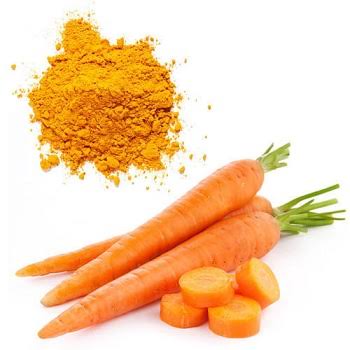
Natural color is increasingly becoming the preferred choice for food manufacturers seeking to meet consumer demand for clean labels and transparent ingredient lists. However, maintaining natural color stability throughout production, storage, and distribution presents significant technical challenges that can compromise product appeal and consumer perception. Understanding the factors that affect natural color stability is essential for food companies aiming to deliver consistent, visually appealing products while maintaining nutritional integrity and regulatory compliance across diverse market conditions.
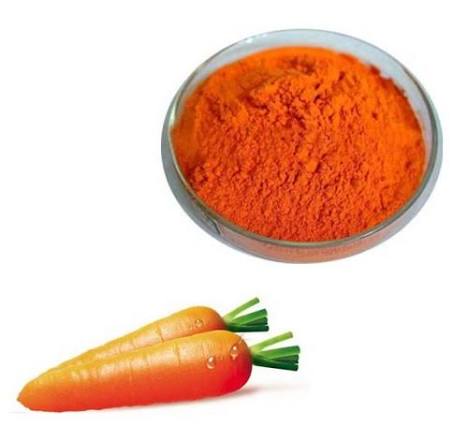
The stability of natural color in food products depends on multiple interconnected variables that work together to either preserve or degrade pigments over time. Light exposure, temperature fluctuations, pH levels, oxygen contact, and moisture content all play critical roles in determining how long natural color remains visually vibrant and commercially acceptable. By mastering these factors, food manufacturers can extend shelf life, reduce waste, and build consumer trust through products that maintain their visual appeal from production through final consumption.
Light Exposure and Oxidative Degradation
Understanding Photodegradation Mechanisms
Light exposure represents one of the most significant threats to natural color stability in food applications. Ultraviolet (UV) and visible light wavelengths trigger photochemical reactions that break down natural pigment molecules, particularly those found in plant-based colorants. When natural color compounds absorb light energy, they become excited to higher energy states and undergo structural changes that alter their molecular bonds. This photodegradation process accelerates dramatically under fluorescent or direct sunlight exposure, making packaging material selection crucial for protecting sensitive natural color formulations throughout the product lifecycle.
The rate of natural color fading depends on light intensity, wavelength, duration of exposure, and the specific pigment chemistry involved. Anthocyanins, carotenoids, and betalains commonly used to create natural color in beverages, confections, and dairy products show varying degrees of photosensitivity. Shorter wavelengths carry more energy and pose greater risks to natural color stability than longer wavelengths. Opaque, amber-tinted, or metallized packaging materials effectively shield natural color from harmful light exposure and should be prioritized when formulating products that rely on robust natural color retention.
Oxygen Interaction and Oxidative Stress
Oxidative degradation accelerates natural color fading when oxygen penetrates food packaging or remains dissolved in liquid food matrices. Atmospheric oxygen attacks the double bonds present in natural color pigment structures, initiating chain reactions that progressively degrade chromatic compounds. This oxidative stress becomes more pronounced in low-barrier packaging materials and during extended storage periods. The interaction between natural color and dissolved oxygen is particularly problematic in beverages, where oxygen permeability through container walls directly impacts how long natural color maintains its intended hue and intensity over months of shelf storage.
Vacuum packaging, nitrogen flushing, and antioxidant fortification can significantly improve natural color stability by reducing oxygen availability around sensitive pigments. Adding protective compounds like ascorbic acid or tocopherols helps neutralize free radicals that would otherwise attack and degrade natural color molecules. The synergistic effect of combining low-oxygen environments with chemical antioxidant protection extends natural color longevity far beyond what either approach achieves independently, making this dual strategy increasingly common in premium food formulations.
Temperature, pH, and Environmental Chemistry
Thermal Degradation Effects
Temperature directly influences the rate of chemical reactions that degrade natural color in food applications. Heat accelerates molecular motion, increases reaction rates, and can permanently alter the chemical structure of natural color pigments through irreversible thermal decomposition. Storage temperatures above room temperature cause rapid, visible fading of natural color, particularly in products containing heat-sensitive anthocyanins or carotenoids. For every 10-degree Celsius increase in storage temperature, natural color degradation rates typically double or triple, making refrigeration or cool storage environments essential for maintaining natural color intensity in susceptible products.
Processing temperatures during manufacturing also impact natural color stability significantly. Pasteurization, sterilization, and high-temperature processing steps can alter or destroy natural color compounds before the product ever reaches consumer hands. Manufacturers must carefully balance food safety requirements with natural color preservation goals by selecting processing technologies and parameters that minimize thermal exposure. Gentler processing methods such as high-pressure processing (HPP) or pulsed electric field (PEF) technology offer alternatives that preserve natural color better than traditional thermal processing while maintaining microbiological safety.
pH Dependency and Chemical Stability
The acidity or alkalinity of a food product profoundly influences how stable natural color remains over time. Different natural color pigments display optimal stability at different pH ranges, and deviations from these ideal ranges accelerate degradation. Anthocyanins, widely used to create red and purple natural color, are particularly pH-sensitive and shift toward undesirable brown hues in neutral or alkaline environments. Maintaining proper pH through careful acid selection and buffering strategies preserves natural color intensity and prevents unwanted hue shifts that compromise product aesthetics and consumer acceptance throughout shelf life.
Metal ions present in food matrices can catalyze natural color degradation through chelation and oxidation mechanisms. Iron and copper ions are particularly problematic, as they accelerate the breakdown of natural color compounds through Fenton-type reactions that generate reactive oxygen species. Sequestering agents such as ethylenediaminetetraacetic acid (EDTA) or citrates bind these metal ions, preventing them from attacking natural color molecules. Understanding and controlling metal ion concentrations through careful ingredient selection and processing water quality management becomes essential when formulating products that require long-term natural color stability.
Moisture Content and Microenvironmental Factors
Water Activity and Pigment Hydration
Water availability in food products influences natural color stability through multiple mechanisms operating simultaneously. In high-moisture systems like beverages and sauces, dissolved water molecules can participate in hydrolytic reactions that destabilize natural color pigment bonds. Conversely, in low-moisture products such as dry mixes and powders, the absence of water can shift natural color molecules into unfavorable crystal structures or aggregation states that alter visual appearance. Finding the optimal moisture content range for each specific natural color application requires rigorous testing and formulation development to balance water activity effects with microbial safety and texture requirements.
The relative humidity of storage environments also affects natural color stability in packaged foods. Fluctuating humidity levels cause moisture ingress into packaging materials, creating microenvironments where concentrated natural color compounds may crystallize or degrade through alternative chemical pathways. Maintaining stable, controlled humidity environments throughout the supply chain—particularly in warehouses and retail displays—helps preserve natural color integrity. Packaging materials with excellent moisture barrier properties protect natural color from humidity-driven degradation and extend the practical shelf life of products sensitive to water interactions.
Microbial Activity and Enzymatic Interaction
Microorganisms and their enzymatic systems can directly metabolize or degrade natural color compounds, particularly in minimally processed or probiotic-containing food formulations. Bacterial enzymes and fungal metabolites sometimes target the same chemical bonds that natural color molecules contain, leading to unexpected color changes or fading. Products formulated with natural color and designed to contain active probiotic cultures must account for how these living microorganisms might interact with pigment stability over extended storage periods. Regular microbial quality testing paired with accelerated shelf-life studies under realistic storage conditions helps manufacturers identify and mitigate enzymatic degradation risks specific to their natural color formulations.
The presence of other food components—fats, proteins, sugars, and organic acids—creates a complex chemical environment where unexpected interactions can affect natural color performance. Proteins and polysaccharides can form complexes with natural color pigments through non-covalent bonding, altering their visible hue or causing precipitation. Lipid oxidation generates secondary metabolites that compete with natural color for antioxidant resources or directly participate in degradation reactions. Comprehensive ingredient compatibility testing during formulation development identifies these interactions early, allowing manufacturers to adjust recipes or processing conditions to maintain natural color stability without compromising overall product quality or sensory characteristics.
FAQ
What packaging materials best protect natural color from degradation?
Opaque, amber-tinted, and metallized packaging materials provide the strongest protection for natural color by blocking UV and visible light wavelengths that trigger photodegradation. Glass containers with UV-blocking coatings, high-barrier flexible films with oxygen scavenging technology, and metal cans lined with protective coatings all effectively extend natural color stability. The choice depends on product format, distribution requirements, and cost considerations, but light-blocking capability consistently ranks as the most critical packaging feature for preserving natural color throughout shelf life in retail and home storage environments.
How do natural color formulations differ from synthetic alternatives in terms of stability?
Natural color pigments generally display lower inherent chemical stability compared to synthetic colorants, requiring more sophisticated protective strategies to achieve comparable shelf-life performance. Synthetic dyes undergo rigorous chemical stabilization during manufacturing, whereas natural color compounds retain reactive functional groups that make them susceptible to light, heat, and oxidation. However, strategic use of antioxidants, carefully controlled pH, optimized packaging, and gentle processing can enable natural color formulations to maintain acceptable visual performance throughout extended shelf storage, though reformulation efforts are typically more complex than with synthetic alternatives.
Can temperature fluctuations during shipping damage natural color stability?
Yes, temperature cycling during transportation significantly accelerates natural color degradation, even if individual storage temperatures remain moderate. Repeated heating and cooling cycles create thermal stress that amplifies oxidative reactions and increases oxygen permeability through packaging materials. Maintaining consistent, cool temperatures throughout the cold chain—from manufacturing through final delivery—is essential for products relying on robust natural color performance. Insulated shipping containers, temperature monitoring systems, and climate-controlled warehouses help minimize thermal fluctuation damage and protect the investment in formulations specifically designed to preserve natural color quality during extended product lifecycles across diverse geographical markets.