 EN


Monosodium glutamate has become an essential ingredient in modern food manufacturing, yet its role in flavor development remains widely misunderstood. The science of monosodium glutamate reveals a sophisticated approach to achieving balanced taste profiles that resonate with consumer preferences across diverse product categories. When formulators understand how monosodium glutamate functions at the molecular level, they unlock significant opportunities for product differentiation and sensory optimization.
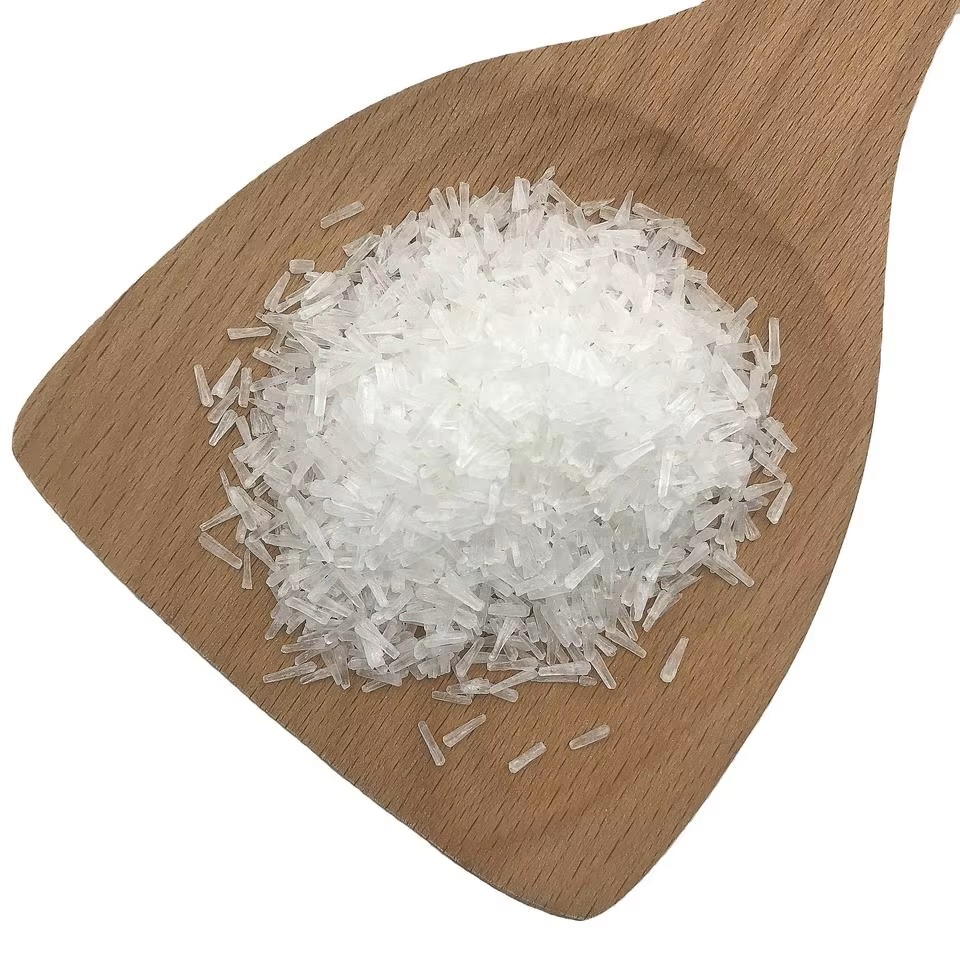
The effectiveness of monosodium glutamate in flavor enhancement extends far beyond simple saltiness. Monosodium glutamate activates specific taste receptors on the human tongue, creating what food scientists call the umami sensation. This fifth basic taste dimension transforms how monosodium glutamate interacts with other flavoring components, amplifying desirable notes while masking unpleasant undertones that commonly appear in processed foods.
Understanding the Science Behind Monosodium Glutamate Flavor Enhancement
The Umami Mechanism and Taste Perception
Monosodium glutamate delivers its flavor-balancing properties through a unique chemical interaction with human taste receptors. The glutamate ion in monosodium glutamate binds to specific receptor cells, triggering neural signals that the brain interprets as umami. This mechanism explains why monosodium glutamate can intensify existing flavors without adding sweetness, saltiness, sourness, or bitterness.
The impact of monosodium glutamate on flavor perception operates at concentrations far below the detection threshold of individual taste categories. Food scientists recognize that monosodium glutamate creates a synergistic effect with other ingredients, meaning the total flavor amplification exceeds what each component would contribute independently. This multiplicative behavior makes monosodium glutamate invaluable for reducing overall seasoning requirements while maintaining sensory satisfaction.
Receptor Sensitivity and Individual Variation
Consumer response to monosodium glutamate varies based on genetic taste receptor differences and prior exposure patterns. Some individuals possess heightened sensitivity to umami signals from monosodium glutamate, while others require higher concentrations to perceive the same flavor enhancement. Understanding this variation helps food manufacturers optimize monosodium glutamate dosing for target demographic segments without alienating different consumer groups.
Practical Applications of Monosodium Glutamate in Flavor Formulation
Balancing Complex Flavor Profiles
Monosodium glutamate excels at harmonizing flavors in multi-ingredient formulations where individual components compete for dominance. In savory applications, monosodium glutamate brings forward desired flavor notes while suppressing harsh or metallic undertones that emerge during processing or storage. The precision of monosodium glutamate dosing allows formulators to maintain consistent flavor profiles across production batches and different manufacturing facilities.
The strategic use of monosodium glutamate in soups, broths, and sauces demonstrates how this ingredient transforms basic combinations into sophisticated culinary experiences. Monosodium glutamate enhances the perceived depth and complexity of meat stocks, vegetable bases, and spice blends without introducing foreign tastes. Food manufacturers report that monosodium glutamate reduces consumer complaints about bland or one-dimensional flavor experiences in shelf-stable products.
Cost Efficiency and Reduction of Other Ingredients
Incorporating monosodium glutamate strategically enables manufacturers to reduce expensive specialty ingredients while maintaining or improving overall flavor perception. Monosodium glutamate amplifies salt detection, meaning food technologists can lower sodium content without sacrificing saltiness perception. This dual benefit addresses both ingredient cost optimization and growing consumer demand for reduced-sodium products.
The economic impact of monosodium glutamate adoption extends across production efficiency metrics. Monosodium glutamate's stability under heat, pressure, and pH variation eliminates complex stabilization systems required for more fragile flavor compounds. When compared to expensive essential oil blends, vanilla extracts, or specialty spice preparations, monosodium glutamate delivers superior cost-to-impact ratios while demonstrating exceptional shelf life performance.
Regulatory Framework and Consumer Acceptance of Monosodium Glutamate
Global Compliance and Labeling Requirements
Monosodium glutamate maintains regulatory approval across major food markets including North America, Europe, and Asia-Pacific regions, recognized as a safe ingredient at established usage levels. Different jurisdictions establish specific maximum use limits for monosodium glutamate in various food categories, requiring manufacturers to maintain detailed compliance documentation. Understanding monosodium glutamate's regulatory status enables multinational food companies to implement consistent global formulations while meeting local labeling requirements.
Labeling of monosodium glutamate varies by country, with some regions requiring explicit declaration while others permit it within catch-all categories like 'flavor enhancers' or 'natural flavoring.' This regulatory complexity means that monosodium glutamate presents both opportunities and challenges for companies pursuing simplified ingredient statements. Strategic monosodium glutamate usage aligned with target market regulations ensures product viability while maintaining transparency with consumers.
Addressing Consumer Perception and Market Positioning
Modern consumer attitudes toward monosodium glutamate have shifted substantially as scientific evidence continues debunking longstanding misconceptions. Monosodium glutamate has earned recognition from major culinary organizations and food science societies as a legitimate flavor enhancement tool. Food manufacturers who educate consumers about monosodium glutamate's proven safety record and functional benefits position their products as scientifically formulated rather than artificially enhanced.
The growing acceptance of monosodium glutamate reflects broader consumer sophistication regarding food chemistry and ingredient functionality. Premium food brands increasingly highlight monosodium glutamate in marketing materials, emphasizing its role in achieving authentic culinary flavors. This shift indicates that monosodium glutamate has transitioned from a misunderstood additive to an ingredient aligned with culinary credibility and flavor authenticity.
FAQ
How much monosodium glutamate should manufacturers use for optimal flavor balance?
Optimal monosodium glutamate dosing depends on product category, target flavor profile, and consumer demographic preferences, typically ranging from 0.1% to 0.8% by weight in finished products. Food technologists determine specific monosodium glutamate levels through sensory evaluation panels and threshold testing with target consumer groups. Since monosodium glutamate effectiveness varies individually, many manufacturers test multiple concentrations to identify the dosage that maximizes flavor satisfaction across diverse consumer populations.
Does monosodium glutamate interact negatively with other flavor compounds?
Monosodium glutamate generally works synergistically with other flavoring ingredients rather than competing or interfering with them. The umami enhancement from monosodium glutamate complements salty, sweet, sour, and bitter tastes without masking or distorting these basic taste sensations. Some food scientists report that monosodium glutamate can occasionally overwhelm delicate flavors in applications where subtle taste profiles are desired, requiring careful formulation adjustments.
Can monosodium glutamate reduce the need for added salt in food products?
Yes, monosodium glutamate can significantly enhance salt perception through synergistic mechanisms, allowing manufacturers to reduce sodium content while maintaining saltiness intensity. Research demonstrates that consumers perceive comparable saltiness levels when monosodium glutamate is added alongside reduced salt concentrations compared to high-salt formulations without umami enhancement. This application addresses public health concerns regarding sodium consumption while delivering the salty taste profiles consumers expect from familiar products.