 EN

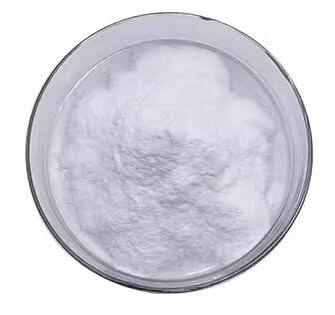
Creatine monohydrate has become a cornerstone ingredient in functional nutrition products across the global market. This naturally occurring compound, found in small quantities in animal proteins, offers measurable benefits for muscle energy production and athletic performance. For manufacturers and formulators developing functional nutrition solutions, understanding how creatine monohydrate supports product efficacy is essential for meeting consumer demand and delivering real nutritional value.
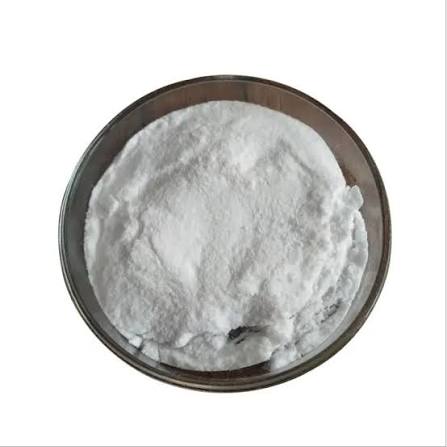
The functional nutrition industry continues to evolve, with creatine monohydrate standing at the forefront of ingredient innovation. Product developers recognize that creatine monohydrate delivers consistent, science-backed results that resonate with both fitness enthusiasts and health-conscious consumers. This article explores the critical role creatine monohydrate plays in functional nutrition product formulation and how it drives tangible consumer outcomes.
The Science Behind Creatine Monohydrate in Functional Nutrition
Energy Production and ATP Synthesis
Creatine monohydrate operates within cellular energy systems by replenishing adenosine triphosphate (ATP), the primary energy currency in muscle cells. During high-intensity exercise, ATP depletes rapidly, limiting performance capacity. Creatine monohydrate restores phosphocreatine stores, enabling faster ATP regeneration and sustained muscle contractions. This mechanism makes creatine monohydrate particularly effective in functional nutrition products targeting strength training, endurance activities, and high-performance sports applications.
The evidence supporting creatine monohydrate's energy role is extensive and reproducible. Research demonstrates that consistent creatine monohydrate supplementation increases muscle phosphocreatine concentrations by 20 to 40 percent over several weeks. For functional nutrition product manufacturers, this translates into measurable consumer benefits: improved workout capacity, faster recovery between sets, and enhanced overall athletic performance. The reliability of these outcomes has made creatine monohydrate a trusted ingredient across diverse functional nutrition categories.
Muscle Protein Synthesis and Growth Support
Beyond immediate energy provision, creatine monohydrate supports muscle adaptation and growth through multiple physiological pathways. Creatine monohydrate enhances the anabolic signaling cascade, promoting increased protein synthesis rates within muscle tissue. Additionally, creatine monohydrate improves cellular hydration status, creating an environment conducive to muscle hypertrophy and recovery. Functional nutrition products incorporating creatine monohydrate therefore address both acute performance enhancement and long-term muscle development goals.
The dual mechanism of creatine monohydrate—immediate energy support combined with growth promotion—makes it uniquely valuable for functional nutrition formulations. Athletes and active consumers using functional nutrition products with creatine monohydrate report accelerated strength gains and improved body composition over consistent supplementation periods. This comprehensive benefit profile justifies creatine monohydrate's prominent position in performance-oriented functional nutrition product lines.
Formulation Integration of Creatine Monohydrate
Dosage, Bioavailability, and Delivery Systems
Effective functional nutrition products containing creatine monohydrate typically include 3 to 5 grams per serving, consumed daily to achieve saturation in muscle tissue. The loading phase once recommended has fallen out of favor; consistent daily dosing of creatine monohydrate over 4 to 8 weeks produces equivalent results with better consumer compliance. Functional nutrition product developers must consider creatine monohydrate's water solubility and mixing characteristics, as formulation quality directly impacts consumer experience and ingredient stability.
Advanced functional nutrition products employ enhanced creatine monohydrate delivery systems, combining the ingredient with carbohydrates, amino acids, or electrolytes to improve absorption and cellular uptake. Creatine monohydrate paired with simple carbohydrates triggers an insulin response that facilitates faster nutrient transport into muscle cells. Functional nutrition formulators who optimize these synergies create products offering superior bioavailability and consumer-perceived efficacy, differentiating their offerings in competitive markets.
Stability, Shelf Life, and Quality Control
Creatine monohydrate exhibits excellent chemical stability under proper storage conditions, making it suitable for long-term shelf-stable functional nutrition products. Unlike some performance ingredients prone to degradation, creatine monohydrate maintains potency through standard manufacturing and packaging processes. Functional nutrition product manufacturers benefit from this stability, reducing quality control complexity and enabling straightforward product dating and rotation protocols.
Moisture and temperature represent the primary degradation factors for creatine monohydrate in functional nutrition formulations. Products using creatine monohydrate require moisture-controlled packaging and cool storage conditions to preserve ingredient integrity throughout distribution and consumer purchase cycles. Functional nutrition companies implementing rigorous quality assurance—including third-party testing and certificate-of-analysis documentation—strengthen consumer trust while protecting brand reputation.
Functional Nutrition Product Applications and Consumer Benefits
Performance and Athletic Applications
Functional nutrition products incorporating creatine monohydrate serve diverse athletic and performance contexts, from resistance training to combat sports and team athletics. Creatine monohydrate supports repeated high-intensity efforts, making it particularly valuable in sports requiring multiple explosive movements or sustained power output. Functional nutrition manufacturers targeting active consumers can confidently position creatine monohydrate-containing products as evidence-based performance solutions backed by decades of scientific validation.
Consumer demand for creatine monohydrate in functional nutrition products continues expanding beyond traditional bodybuilding demographics. Plant-based athletes, female fitness enthusiasts, and aging adults seeking maintained strength now represent significant market segments for functional nutrition products featuring creatine monohydrate. This broadening consumer base drives innovation in product formats, flavoring options, and marketing messaging that emphasizes creatine monohydrate's universal applicability across fitness levels and training styles.
Recovery, Resilience, and Long-Term Health Support
Emerging research highlights roles for creatine monohydrate in muscle recovery acceleration and preservation of lean mass during caloric deficit periods. Functional nutrition products with creatine monohydrate appeal to consumers managing body composition changes, undergoing rehabilitation, or seeking preservation of muscle during aging. The recovery-supporting properties of creatine monohydrate make it increasingly relevant in functional nutrition formulations addressing active aging, wellness maintenance, and sustainable fitness progression.
Beyond athletic contexts, creatine monohydrate appears in functional nutrition products targeting general wellness, cognitive support, and metabolic health. Research suggesting creatine monohydrate may support brain function and mental resilience has opened new functional nutrition market segments. Forward-thinking manufacturers recognize that creatine monohydrate's multifaceted benefits extend functional nutrition product appeal beyond performance-only positioning, attracting health-conscious consumers seeking comprehensive wellness support.
FAQ
Is creatine monohydrate safe for long-term use in functional nutrition products?
Yes, creatine monohydrate has demonstrated an excellent safety profile across extensive clinical research spanning multiple decades. Functional nutrition products containing creatine monohydrate have been consumed safely by millions of consumers worldwide. Long-term supplementation with creatine monohydrate does not negatively impact kidney or liver function in healthy individuals, though those with pre-existing renal conditions should consult healthcare providers before using functional nutrition products with creatine monohydrate.
How quickly do consumers experience benefits from creatine monohydrate in functional nutrition products?
Acute performance improvements may appear within the first one to two weeks of consistent creatine monohydrate consumption as cellular stores begin to saturate. Measurable strength and performance gains typically emerge within four to eight weeks of regular use of functional nutrition products containing creatine monohydrate. Individual variations occur based on baseline muscle mass, training intensity, and overall nutritional status, but functional nutrition formulators can confidently communicate realistic timelines to consumers.
Can creatine monohydrate in functional nutrition products replace other performance ingredients?
Creatine monohydrate functions optimally within comprehensive functional nutrition strategies rather than as a standalone solution. Functional nutrition products combining creatine monohydrate with complementary ingredients like beta-alanine, citrulline malate, or branched-chain amino acids create synergistic effects exceeding individual component benefits. Manufacturers should position creatine monohydrate as a foundational performance ingredient that enhances and amplifies benefits from a well-constructed functional nutrition formulation.