 EN

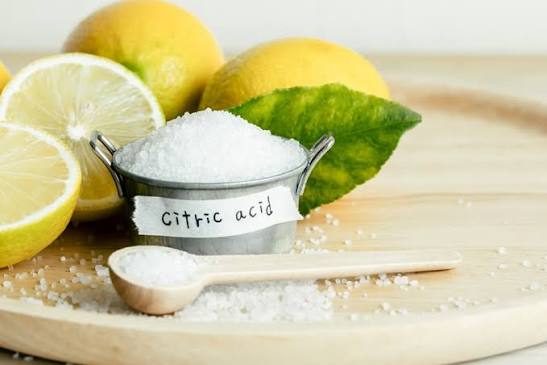
Citric acid is one of the most widely used ingredients in the beverage industry, playing a critical role in shaping both the sensory experience and shelf stability of drinks. Whether you're formulating a carbonated soft drink, energy drink, juice blend, or functional beverage, citric acid serves as a multifunctional ingredient that controls flavor perception, manages acidity levels, and preserves product quality. Understanding how citric acid works in beverages is essential for formulators, product developers, and beverage manufacturers who want to create products that meet consumer expectations for taste, safety, and consistency.
The functionality of citric acid extends beyond simple flavor enhancement. This organic acid provides tangible benefits across multiple dimensions of beverage production, from regulatory compliance to consumer satisfaction. By leveraging citric acid strategically, beverage makers can achieve balanced flavor profiles, optimize acidity targets, extend product shelf life, and meet global food safety standards. The science behind citric acid application requires precision, knowledge of sensory interaction, and understanding of how this ingredient influences beverage chemistry and stability.
How Citric Acid Controls Flavor Balance in Beverages
Enhancing Tartness and Perceived Freshness
Citric acid plays a dominant role in creating the sharp, refreshing taste that consumers associate with citrus-based and fruit-flavored beverages. The tartness from citric acid stimulates the sour taste receptors on the tongue, instantly signaling freshness and vitality to the drinker. This sensory signal is particularly important in sports drinks, energy beverages, and flavored water products, where perceived freshness directly influences purchase decisions and repeat consumption. The intensity of tartness can be precisely controlled by adjusting the concentration of citric acid, allowing formulators to match specific taste preferences across different market segments and regional palates.
Interacting with Sweetness and Other Flavors
Citric acid interacts synergistically with sweeteners, fruit extracts, and aromatic compounds to create well-rounded flavor profiles. When citric acid is combined with sugar or high-intensity sweeteners, it brightens the overall taste experience by preventing the drink from tasting flat or overly sweet. This balance is crucial in formulating beverages that appeal to health-conscious consumers who demand less sugar without sacrificing taste satisfaction. Citric acid also enhances the perception of fruit flavors by amplifying their natural brightness and depth, making berry, citrus, and tropical notes more distinctive and memorable on the palate.
Managing Acidity Levels and pH Control
Achieving Target pH for Beverage Stability
Beverage manufacturers must maintain precise pH levels to ensure product stability, prevent microbial growth, and comply with food safety regulations. Citric acid is highly effective at lowering the pH of beverages to acidic ranges, typically between 2.5 and 4.0 depending on the product type and preservation goals. By adjusting the concentration of citric acid, manufacturers can achieve the exact pH target required for their specific beverage category, whether that means creating a tart lemonade at pH 2.8 or a mildly acidic sports drink at pH 3.5. This precision is essential because even small pH variations can affect flavor perception, ingredient stability, and shelf life expectations.
Preserving Product Integrity Through Acidic Environment
The acidic environment created by citric acid inhibits the growth of pathogenic microorganisms and spoilage bacteria, naturally extending the shelf life of beverages without relying entirely on thermal processing or chemical preservatives. This preservation mechanism is particularly valuable in lightly processed or naturally formulated beverages where manufacturers aim to minimize synthetic additives. Citric acid works by lowering the pH to levels where bacteria, yeasts, and molds struggle to survive and reproduce, creating a hostile environment for contamination. This natural preservation approach resonates with modern consumers who increasingly prefer clean-label beverages formulated with recognizable ingredients.
Sensory and Functional Benefits of Citric Acid Application
Creating Perceived Complexity and Sophistication
Professional beverage formulators understand that citric acid does more than simply add sourness; it adds perceived complexity and sophistication to the drinking experience. The strategic use of citric acid can mask off-flavors from other ingredients, round out harsh notes in botanical or herbal drinks, and create a more refined taste profile that appeals to discerning consumers. In premium juice blends, functional beverages, and ready-to-drink teas, the right dose of citric acid elevates the overall sensory perception, making the product feel more carefully crafted and intentional. This complexity keeps consumers engaged with the product across multiple sips and consumption occasions.
Supporting Ingredient Synergy and Formulation Efficiency
Citric acid enables formulators to reduce the amount of other flavor compounds needed to achieve target taste profiles, improving both cost efficiency and ingredient transparency. Because citric acid amplifies and brightens other flavors, formulators can achieve satisfying taste sensations with lower concentrations of expensive extracts or aromatic compounds. This synergistic relationship makes citric acid a strategically important ingredient in beverage formulation, allowing manufacturers to balance sensory appeal with production economics. Additionally, citric acid serves as a chelating agent, binding with metal ions that might otherwise cause color fading or oxidation in beverages containing fruit juices or botanical ingredients.
FAQ
What concentration of citric acid is typical in commercial beverages?
Most commercial beverages contain between 0.05 and 0.15 percent citric acid by weight, though the exact concentration depends on the product type and target taste profile. Soft drinks and energy drinks typically use citric acid at the higher end of this range to achieve pronounced tartness, while juices and sports drinks often use lower concentrations to avoid overpowering natural fruit flavors. Manufacturers adjust citric acid levels based on consumer testing, regional flavor preferences, and the interaction with other acidulants or flavor ingredients used in the formulation.
Can citric acid replace other acidulants in beverage formulation?
Citric acid can replace or supplement other acidulants like malic acid or phosphoric acid in many beverage applications, though each acid brings distinct sensory and functional properties. Citric acid offers the advantage of clean-label recognition and synergy with fruit-based flavors, making it preferred in natural and premium beverage segments. However, some formulations benefit from blending multiple acidulants to achieve specific flavor notes or pH targets that citric acid alone cannot provide, so the choice depends on the overall beverage positioning and functional requirements.
Does citric acid content affect beverage shelf life significantly?
Yes, citric acid substantially extends shelf life by creating an acidic environment that inhibits microbial growth, but shelf life is determined by multiple factors including packaging type, storage conditions, and water activity. Beverages formulated with appropriate citric acid levels at target pH remain stable for months or longer when stored in appropriate conditions. However, citric acid alone cannot guarantee indefinite shelf life; manufacturers must also consider oxygen exposure, light penetration, and temperature stability as part of a comprehensive preservation strategy.