 EN

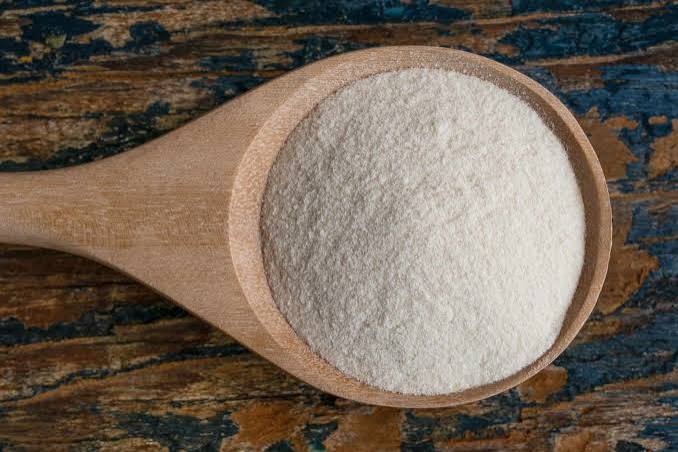
The food industry relies on precise texture and consistency to deliver products that meet consumer expectations and maintain shelf stability. Xanthan gum has become an essential ingredient for achieving these goals in sauces and liquid food products. As a natural polysaccharide derived from fermentation, xanthan gum offers manufacturers a reliable solution for thickening, stabilizing, and suspending ingredients without compromising product quality or taste. Understanding how xanthan gum functions in these applications enables food producers to formulate superior products that perform consistently across varying storage conditions and consumer use scenarios.
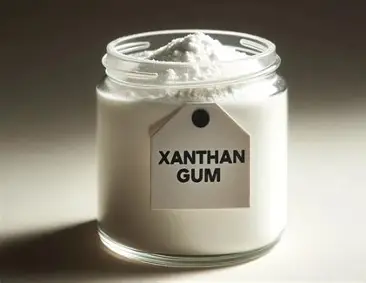
Xanthan gum delivers exceptional performance in both thin and thick liquid formulations, making it the preferred choice for processors seeking ingredient versatility. Whether you are developing salad dressings, gravies, marinades, or specialty sauces, xanthan gum provides the rheological control needed to create visually appealing products with desirable mouthfeel. The ingredient's effectiveness at low concentrations reduces formulation costs while delivering measurable benefits in stability, texture uniformity, and customer satisfaction.
Understanding Xanthan Gum in Sauce Formulation
How Xanthan Gum Creates Consistent Texture
Xanthan gum functions as a hydrocolloid that binds water molecules within the sauce matrix, creating a stable gel-like structure even at very low usage rates. Typically, food manufacturers add xanthan gum at concentrations between 0.1% and 0.8% by weight, depending on the desired viscosity and product type. This low usage rate makes xanthan gum economically efficient compared to alternative thickeners, while its molecular structure remains unaffected by temperature fluctuations or prolonged storage. The polysaccharide chains in xanthan gum align under shear stress, allowing products to flow smoothly during pouring or application, then return to their original viscosity at rest—a behavior known as pseudoplasticity that enhances user experience.
Stability Benefits Across Storage Conditions
One of the most valued properties of xanthan gum in sauces and liquid food products is its resistance to separation and settling over time. Without proper stabilization, sauces often develop layers of clear liquid on top and thickened sediment below, signaling product degradation to consumers. Xanthan gum prevents this separation by maintaining suspension of particles and oil droplets throughout the shelf life of the product. The ingredient performs reliably in acidic environments typical of vinegar-based dressings, tomato sauces, and citrus marinades, as well as in neutral and mildly alkaline formulations. Additionally, xanthan gum resists enzymatic degradation and remains effective through freeze-thaw cycles, making it ideal for products distributed across diverse climates and storage scenarios.
Applications of Xanthan Gum in Specific Food Categories
Salad Dressings and Emulsified Sauces
Salad dressings represent one of the largest market segments for xanthan gum applications. In oil-and-vinegar dressings, xanthan gum stabilizes the emulsion by forming a continuous phase that holds oil droplets in suspension, preventing separation that occurs with traditional dressings. Creamy dressings benefit from xanthan gum's ability to thicken without added fat or dairy ingredients, allowing manufacturers to develop lower-calorie formulations that maintain luxurious mouthfeel. Xanthan gum also reduces the amount of egg yolk or other protein-based emulsifiers needed in mayonnaise-style sauces, expanding formulation flexibility and improving allergen management. The ingredient's neutral flavor profile ensures that xanthan gum does not interfere with the intended taste profile, allowing the dressing's other components—vinegars, oils, herbs, and spices—to deliver the sensory experience consumers expect.
Gravies, Marinades, and Specialty Sauces
Gravies and pan sauces made from meat drippings often require immediate thickening without long cooking times that might degrade flavor or texture. Xanthan gum dissolves rapidly in warm liquids and produces the desired viscosity within minutes, making it ideal for restaurant operations and industrial-scale production. Marinades that use xanthan gum maintain their consistency while coating meat, poultry, and vegetables, ensuring even flavor distribution and attractive presentation. Specialty sauces used in ethnic cuisines—such as Asian condiments, Latin American moles, or Middle Eastern tahini-based preparations—benefit from xanthan gum's compatibility with diverse ingredients and its ability to function across a wide pH range. The ingredient allows sauce manufacturers to achieve restaurant-quality thickness and presentation in mass-produced retail products, narrowing the perceived gap between homemade and commercial offerings.
Technical Specifications and Manufacturing Considerations
Solubility and Hydration Properties of Xanthan Gum
Xanthan gum dissolves in both hot and cold water, a property that distinguishes it from many competing hydrocolloids. When manufacturers add xanthan gum to cold water or other liquids, complete hydration may require 10 to 15 minutes of gentle mixing or overnight swelling for maximum viscosity development. In heated applications, xanthan gum hydrates more rapidly, allowing faster production cycles and reduced processing time. The solubility of xanthan gum improves when the ingredient is pre-dispersed in sugar, salt, or other dry ingredients before liquid addition—a technique that prevents lump formation and ensures uniform distribution. This versatility simplifies integration into existing manufacturing processes and reduces the need for specialized equipment.
Compatibility with Other Ingredients and Systems
Xanthan gum shows excellent compatibility with proteins, fats, starches, and other hydrocolloids commonly used in sauce formulations. When combined with locust bean gum or guar gum, xanthan gum often produces synergistic thickening effects that reduce the total hydrocolloid loading while maintaining target viscosity—a strategy that improves cost efficiency and label appeal. The ingredient remains stable across a wide pH range from approximately 3 to 11, accommodating acidic fruit sauces, neutral gravies, and alkaline specialty applications. Xanthan gum also tolerates high salt concentrations, making it suitable for preserved products, fermented sauces, and recipes that rely on salt for both flavoring and preservation. Its non-ionic character means xanthan gum does not interact problematically with ionic ingredients, preservatives, or functional additives commonly included in commercial sauce formulations.
FAQ
What is the typical dosage of xanthan gum in sauces and liquid food products?
Most sauce applications use xanthan gum at 0.1% to 0.8% by weight of the finished product. Light sauces and marinades typically use 0.1% to 0.3%, while thicker gravies and creamy dressings may require 0.4% to 0.8%. The exact concentration depends on the desired mouthfeel, existing ingredients, and manufacturing process. Manufacturers should conduct viscosity testing during formulation to determine the optimal xanthan gum level for their specific product.
Can xanthan gum withstand high-temperature processing and pasteurization?
Yes, xanthan gum remains chemically stable at temperatures used in standard food processing and pasteurization protocols. The polysaccharide structure of xanthan gum does not break down at temperatures up to 212°F (100°C), making it suitable for hot-fill processes and retort sterilization. Extended exposure to very high temperatures or extreme pH conditions may gradually reduce its thickening effectiveness, but typical commercial processing conditions preserve the functional properties of xanthan gum throughout the product shelf life.
Is xanthan gum suitable for clean-label and natural food products?
Xanthan gum is derived from natural fermentation of glucose using bacteria, making it acceptable for many clean-label formulations and natural product categories. It appears on ingredient lists simply as 'xanthan gum' without complex chemical naming, contributing to consumer-friendly labeling. While xanthan gum is not organic-certified by default, certified organic xanthan gum is available from suppliers who maintain proper documentation. Manufacturers should verify the certification status of their xanthan gum source to ensure alignment with product claims and regulatory requirements in target markets.