 EN


Viscosity control is one of the most critical aspects of food formulation, and potato starch has emerged as a trusted solution across countless food manufacturing applications. Whether you're developing sauces, gravies, soups, dairy products, or bakery items, understanding how to harness the thickening power of potato starch can mean the difference between a product that meets consumer expectations and one that falls short. Potato starch offers manufacturers a cost-effective, reliable, and easily accessible way to achieve precise viscosity levels while maintaining clean label credentials and consistent product performance across production batches.
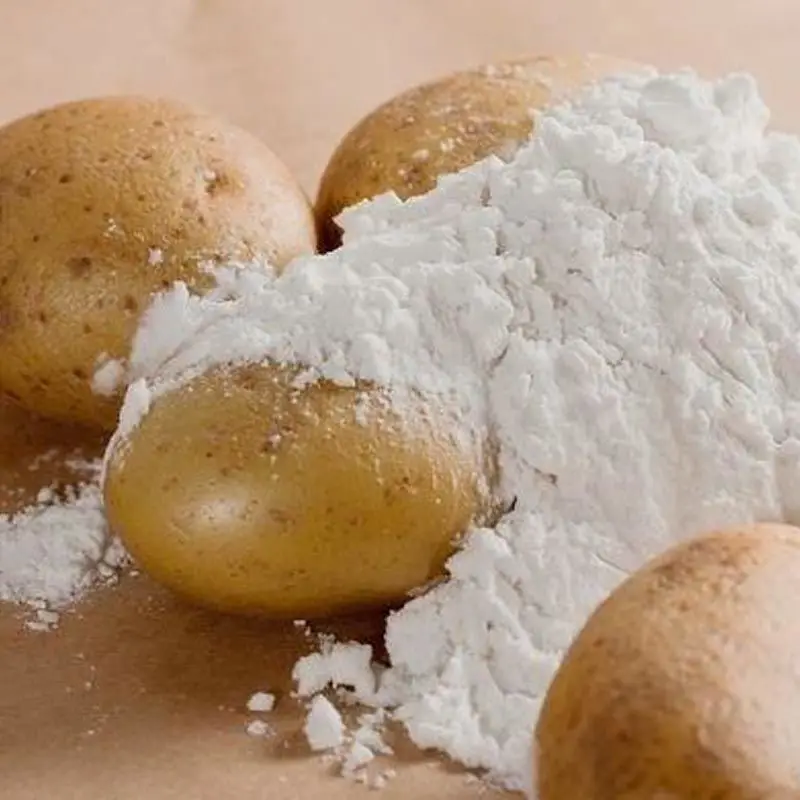
The reason potato starch has become so prevalent in modern food manufacturing is straightforward: it delivers measurable viscosity results without requiring complex chemistry or specialized equipment. When potato starch is introduced into a liquid medium and heated, its granules swell and absorb water, creating a thickened matrix that stabilizes emulsions, suspends solids, and improves mouthfeel. This natural thickening mechanism makes potato starch ideal for manufacturers seeking transparent ingredient lists and consumer-friendly formulations that align with growing clean label trends in the food industry.
Understanding Potato Starch and Viscosity Control Mechanisms
How Potato Starch Achieves Viscosity Control
Potato starch delivers viscosity control through a process called gelatinization, during which starch granules absorb water and swell to many times their original size. This expansion increases the overall volume of solids in the liquid phase, which directly raises viscosity. Unlike some synthetic thickeners, potato starch granules retain their integrity within specific temperature ranges, allowing formulators to predict and control final product viscosity with reasonable precision. The rate at which potato starch granules swell depends on temperature, with optimal gelatinization occurring between 65°C and 75°C for most potato starch applications in food systems.
Why Potato Starch Outperforms Other Thickeners
Potato starch offers several advantages over alternative thickening agents for viscosity control in food formulas. The granule size of potato starch is relatively large compared to other starches, meaning fewer particles are needed to achieve equivalent viscosity, which can improve texture and reduce grittiness. Additionally, potato starch remains neutral in flavor, does not mask delicate tastes in finished products, and blends seamlessly into both hot and cold formulations. When manufacturers compare the cost per unit of viscosity delivered, potato starch consistently demonstrates excellent value, making it the preferred choice for budget-conscious production environments that still demand quality viscosity control.
Practical Application of Potato Starch for Viscosity Control
Dosage Guidelines and Viscosity Targets
Achieving precise viscosity control with potato starch requires understanding typical dosage ranges for different product categories. For thin sauces and light soups, a typical addition rate is 1 to 3 percent by weight of potato starch, which yields mild viscosity increases suitable for products that should remain pourable. Medium-bodied applications like gravies and puddings generally require 3 to 6 percent potato starch to reach the desired coating consistency. Thicker applications, such as pie fillings or meat products, may call for 6 to 10 percent potato starch to achieve a firm, stable texture. These ranges are starting points; actual dosage must account for other formula components, final cooking temperature, shear forces during processing, and desired shelf-life stability of the viscosity.
Temperature Control and Heating Protocols
Proper heating is essential for activating potato starch's viscosity control capacity. Potato starch requires heat to initiate gelatinization; cold-water dispersions of potato starch remain relatively thin and do not exhibit full thickening power. Manufacturers typically disperse potato starch in cold water or compatible liquid before adding it to hot product, or they introduce the starch directly into heating product while maintaining gentle agitation. Once the mixture reaches approximately 65°C to 70°C, potato starch granules begin to swell rapidly, and viscosity control becomes apparent within minutes. Continuing to heat beyond 75°C may eventually cause starch granules to rupture and viscosity to decrease, so monitoring temperature profiles prevents over-cooking and loss of viscosity control in finished products.
Optimizing Viscosity Stability and Product Performance
Addressing Retrogradation and Long-Term Viscosity Stability
One consideration when using potato starch for viscosity control is retrogradation, a process where starch granules gradually reassociate and harden during storage, which can increase viscosity or create an undesired gel-like texture over time. To manage retrogradation and maintain consistent viscosity control throughout product shelf life, manufacturers often incorporate small amounts of other hydrocolloids such as guar gum or locust bean gum alongside potato starch. These synergistic combinations slow retrogradation and preserve the ideal viscosity that consumers expect. Additionally, controlling storage temperature and moisture levels in finished products helps minimize retrogradation effects, ensuring that potato starch continues to deliver predictable viscosity control from production day through the end of shelf life.
Shear Stability and Processing Compatibility
Products containing potato starch for viscosity control must be processed carefully to avoid mechanical breakdown of the thickened matrix. High-shear equipment such as homogenizers or microfluidizers can rupture swollen starch granules, causing viscosity loss and unwanted texture changes. Manufacturers designing production lines for products featuring potato starch viscosity control should use gentle mixing, pump equipment rated for shear-sensitive products, and processing parameters that maintain product integrity. Understanding the shear stress tolerance of your specific potato starch formulation allows operations teams to optimize line speeds, pump impeller designs, and heat exchanger configurations, ensuring that viscosity control is preserved from kettle to final package.
FAQ
What is the optimal dosage of potato starch for viscosity control in sauces?
The ideal dosage of potato starch for sauce viscosity control typically ranges from 2 to 4 percent by weight, depending on the desired final consistency and sauce type. Start with lower concentrations and adjust upward in test batches to find the sweet spot for your specific sauce formula. Factors like other ingredients, heat treatment, and storage conditions all influence how much potato starch you need to achieve and maintain target viscosity, so sample testing remains the most reliable approach.
Can potato starch be used in cold formulations for viscosity control?
Potato starch requires heat to gelatinize and deliver viscosity control, so cold formulations typically cannot rely on potato starch alone. However, you can pre-gelatinize potato starch through specialized processing, which allows it to hydrate and thicken in cold water. Pre-gelatinized potato starch products are available from suppliers but usually carry higher costs than standard potato starch. For cold applications, other hydrocolloids like xanthan gum or carrageenan may be more practical choices.
How long does viscosity control from potato starch remain stable in finished products?
Viscosity control from potato starch remains stable in most finished products for 6 to 12 months under standard storage conditions, though retrogradation can gradually increase viscosity over extended periods. Products stored in cool, dry environments experience slower retrogradation than those exposed to temperature fluctuations or high humidity. Adding complementary thickeners and optimizing storage protocols helps extend the duration of predictable viscosity control throughout the entire product shelf life.