 EN

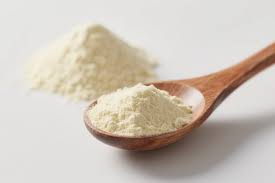
Plant-based food development has become one of the most dynamic sectors in the global food industry, driven by consumer demand for sustainable and nutritious alternatives to animal products. At the heart of this transformation lies soy protein, a versatile ingredient that enables manufacturers to create products with superior nutritional profiles, authentic taste, and desirable texture. Understanding how to leverage soy protein effectively is essential for food developers who want to create competitive plant-based offerings that meet both consumer expectations and regulatory standards.
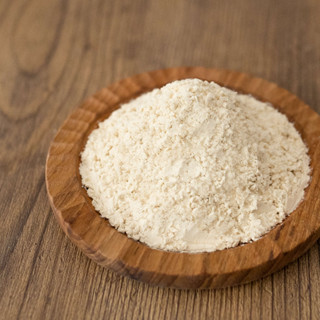
Soy protein serves as a foundational building block for plant-based food innovation because it delivers complete amino acid profiles, excellent functional properties, and proven consumer acceptance. Whether formulating meat alternatives, dairy substitutes, or nutritional beverages, food developers must understand how soy protein performs under different processing conditions, how it interacts with other ingredients, and what specific applications maximize its functional benefits. This guide explores the practical applications of soy protein in plant-based food development and provides actionable insights for manufacturers seeking to optimize their product formulations.
Soy Protein Functionality in Plant-Based Meat Alternatives
Texture and Binding Properties of Soy Protein
Plant-based meat alternatives require soy protein to provide structure, moisture retention, and bite-like texture that mimics conventional meat products. Soy protein isolates and concentrates exhibit superior water-binding capacity, allowing manufacturers to create products with improved juiciness and reduced cooking loss. When soy protein is combined with texturized vegetable proteins or fibrous materials, it forms a protein network that traps moisture and creates a meat-like texture profile. This functional property is critical because consumers evaluate plant-based meats primarily on sensory experience, and soy protein enables the fiber, chewiness, and succulence that drive repeat purchases.
Emulsification and Fat Stabilization
Soy protein contains natural emulsifying compounds that allow it to stabilize fat and oil dispersions in plant-based formulations. In burger patties, sausages, and ground meat alternatives, soy protein acts as an emulsifier that keeps plant-based fats evenly distributed throughout the product matrix, preventing oil separation and improving mouthfeel. This emulsification capability means that soy protein reduces the need for synthetic stabilizers and gums, allowing formulators to create cleaner labels while maintaining product stability during storage and cooking. The emulsifying efficiency of soy protein makes it particularly valuable in high-fat formulations where conventional plant-based proteins struggle to maintain texture consistency.
Soy Protein in Dairy Alternative Formulation
Milk and Yogurt Applications
Soy protein plays a central role in developing plant-based milk and yogurt products that deliver creamy texture and protein content comparable to conventional dairy. Soy protein isolates create the body and mouthfeel that consumers expect from milk alternatives, while soy protein concentrates add richness and improve foam stability in coffee applications. In yogurt formulation, soy protein works synergistically with hydrocolloids to create the thick, spoonable consistency that defines quality yogurt products. Food developers increasingly rely on soy protein because it provides better viscosity control and creaminess compared to other plant-based proteins, making soy protein the preferred choice for premium dairy alternatives targeting nutrition-conscious consumers.
Cheese and Protein Beverage Development
Plant-based cheese products require soy protein to achieve the melting behavior, stretchiness, and flavor-holding capacity that make them functional in cooking applications. Soy protein can be engineered through different processing methods to create products with varying gelling and thermal properties, enabling manufacturers to develop cheese alternatives that perform acceptably on pizza, in sandwiches, and in cooking scenarios. For protein beverages and ready-to-drink products, soy protein provides the nitrogen base needed for high-protein formulations while maintaining smooth texture and preventing sedimentation during extended shelf life. The versatility of soy protein in dairy alternatives means that developers can formulate products across the entire spectrum of dairy categories using a single, reliable protein source.
Nutritional Optimization and Clean Label Solutions with Soy Protein
Complete Amino Acid Profile and Bioavailability
One of the most compelling advantages of soy protein in plant-based food development is its complete amino acid composition, including all nine essential amino acids needed for human health. Unlike many plant-based proteins that require amino acid supplementation, soy protein provides a naturally balanced amino acid profile that supports muscle maintenance, recovery, and overall physiological function. Food developers can formulate plant-based products with soy protein that deliver complete protein nutrition without the need for artificial amino acid fortification, allowing marketing claims that emphasize natural formulation. The bioavailability of soy protein approaches that of animal proteins, making it the most efficient plant-based protein source for delivering functional nutritional benefits to consumers seeking plant-based alternatives without nutritional compromise.
Allergen Management and Label Transparency
While soy protein is an allergen that requires clear labeling, its use in plant-based food development allows formulators to maintain ingredient transparency and avoid the allergen complexity that arises when combining multiple obscure plant-based proteins. Soy protein is well-recognized, has established safety data, and allows consumers with soy allergies to identify and avoid products easily. Food developers working with soy protein can create simpler ingredient statements compared to complex protein blends, supporting clean label trends and consumer preference for recognizable ingredients. This transparency advantage means that soy protein remains the preferred choice for health-conscious brands seeking to build trust through ingredient honesty while delivering functional performance and complete nutrition.
FAQ
What is the optimal concentration of soy protein in plant-based meat formulations?
Most plant-based meat alternatives use soy protein concentrations between 8 and 15 percent by weight to achieve proper texture, binding, and moisture retention. The optimal level depends on the specific product category, processing method, and desired sensory attributes. Food developers should conduct trial formulations and texture analysis to determine the concentration of soy protein that delivers the best performance for their particular product. Higher concentrations may improve protein content but can result in less desirable mouthfeel, while lower concentrations may fail to provide adequate binding and texture structure.
How does soy protein perform under high-temperature processing conditions?
Soy protein remains stable under high-temperature cooking and extrusion processing, making it ideal for plant-based meat applications that require elevated processing temperatures. However, excessive heat can alter the functional properties of soy protein, particularly its emulsifying capacity and water-binding ability. Food developers should work with ingredient suppliers to understand the specific thermal stability profile of their soy protein product and design processing parameters that preserve functionality. Using soy protein with appropriate heat stability ratings ensures consistent product performance across batch production and different manufacturing equipment.
Can soy protein be combined with other plant-based proteins in formulations?
Yes, soy protein blends effectively with pea protein, wheat gluten, and other plant-based proteins to create complementary amino acid profiles and functional synergies. Combining soy protein with pea protein often improves the overall amino acid balance and can enhance texture compared to using either protein alone. Food developers frequently use soy protein as the primary protein base combined with specialty proteins to achieve specific functional properties or enhance marketing differentiation. Successful blending requires understanding how soy protein interacts with other proteins under the intended processing and storage conditions to ensure product stability and desired performance.