 EN

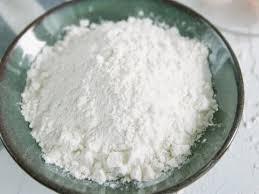
The food processing industry relies on precision ingredients to achieve consistent quality, extended shelf life, and optimal product texture. A blending phosphates series represents one of the most effective solutions for manufacturers seeking reliable performance improvements across multiple product categories. Whether you're producing cured meats, dairy applications, beverage systems, or baking formulations, understanding how blending phosphates series works can unlock significant operational and quality advantages for your facility.
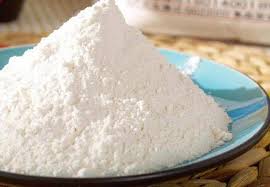
Modern food manufacturers face mounting pressure to deliver consistent products while managing costs and meeting regulatory requirements. The blending phosphates series provides a scientifically formulated approach to addressing these challenges by optimizing moisture retention, improving texture stability, and enhancing overall processing performance. By integrating blending phosphates series into your production workflow, you gain access to functional benefits that translate directly into measurable improvements in product quality and operational efficiency.
How Blending Phosphates Series Enhances Food Processing
Moisture Retention and Product Consistency
One of the primary advantages of using a blending phosphates series is its exceptional ability to retain moisture within processed food products. During thermal processing, heat naturally drives moisture loss, which can compromise product texture, yield, and consumer appeal. The blending phosphates series works by binding water molecules within the product matrix, preventing excessive moisture migration and evaporation. This moisture-locking mechanism is particularly valuable in meat processing, where water loss directly impacts product juiciness, tenderness, and marketability.
In dairy applications, the blending phosphates series stabilizes protein structures and maintains desired consistency throughout shelf life. The chemical properties of blending phosphates series allow it to interact with protein molecules in ways that prevent separation, curdling, or unwanted texture changes. Food manufacturers using blending phosphates series consistently report higher yields, reduced shrinkage, and products that maintain their sensory properties long after production.
pH Buffering and Shelf Life Extension
The blending phosphates series contains buffering compounds that stabilize pH levels throughout the processing and storage timeline. Maintaining optimal pH is critical for preventing microbial growth, preserving flavor profiles, and ensuring food safety compliance. The blending phosphates series helps prevent pH drift that can occur naturally as products age, which is especially important in products prone to oxidation or acid development. This pH stability directly contributes to extended shelf life without requiring additional preservatives.
By using blending phosphates series, manufacturers can achieve longer product viability in distribution channels, reduce waste from spoilage, and maintain consistent taste and quality across entire production runs. This stability is particularly beneficial for global supply chains where products may experience extended storage or temperature fluctuations during transport.
Optimizing Processing Performance with Blending Phosphates Series
Texture Improvement and Product Structure
The blending phosphates series fundamentally improves the textural properties of processed foods by enhancing protein functionality and emulsion stability. In emulsified products like sausages, processed meats, and dairy-based spreads, the blending phosphates series facilitates better binding between fat and water phases, preventing phase separation and maintaining smooth, uniform texture. The molecular structure of blending phosphates series allows it to interact with both lipid and aqueous components, creating stable systems that resist breakdown during cooking, cooling, or storage.
Food technologists value blending phosphates series for its ability to improve mouthfeel, reduce grittiness, and enhance overall sensory acceptance. When formulated correctly, blending phosphates series contributes to products that feel premium, maintain their intended texture through multiple freeze-thaw cycles, and deliver consistent eating experiences regardless of production batch variations.
Processing Efficiency and Equipment Performance
Beyond product quality benefits, the blending phosphates series improves processing efficiency by optimizing how ingredients interact during manufacturing. Products formulated with blending phosphates series typically require less mechanical agitation, reduced cooking times, and more predictable processing parameters. This improved processability means your equipment operates more efficiently, reducing energy consumption and allowing for higher throughput without compromising quality standards.
The blending phosphates series also reduces adhesion to processing equipment surfaces, which decreases cleaning time between production runs and minimizes product waste trapped in pipes or mixing chambers. These operational improvements accumulate across production schedules, delivering measurable cost savings and improved line efficiency for food manufacturing facilities of all sizes.
Application Benefits Across Food Categories
Meat and Poultry Processing Applications
In meat processing, the blending phosphates series is essential for achieving water-holding capacity, color retention, and texture consistency in cured, processed, and restructured meat products. The blending phosphates series prevents the formation of surface exudate, which improves package appearance and shelf presence. Manufacturers using blending phosphates series in bacon, ham, sausage, and deli meat formulations report improved slice cohesion, better slicing characteristics, and reduced product damage during portioning and packaging.
Dairy and Alternative Beverage Systems
Dairy processors depend on the blending phosphates series to maintain cream stability in coffee products, prevent settling in plant-based beverages, and improve mouthfeel in yogurt and cultured products. The blending phosphates series prevents protein aggregation under acidic conditions, which is critical for maintaining product uniformity and visual appeal throughout distribution. In cheese applications, blending phosphates series improves melting characteristics and slicing consistency.
FAQ
What specific role does blending phosphates series play in preventing product separation?
The blending phosphates series prevents separation by stabilizing emulsions through its interaction with protein and lipid molecules. Its molecular structure allows simultaneous bonding with both fat and water phases, creating a unified system that resists breakdown. This mechanism is especially effective in dairy-based products and meat emulsions where phase separation would compromise product quality and visual appeal.
How does using blending phosphates series impact manufacturing compliance and food safety?
The blending phosphates series is recognized as a safe food additive across major regulatory frameworks, including FDA and EU standards. By maintaining consistent pH levels and improving product stability, blending phosphates series actually supports food safety objectives by reducing conditions favorable to pathogenic microorganisms. Proper use of blending phosphates series helps manufacturers meet labeling requirements while delivering verifiable safety and shelf-life benefits.
Can blending phosphates series reduce the need for other additives in food formulations?
In many cases, the blending phosphates series can reduce the necessity for additional stabilizers, thickeners, or preservatives by performing multiple functions simultaneously. The multi-functional nature of blending phosphates series means formulators often achieve desired product characteristics with fewer total ingredients, which can simplify labeling and improve ingredient transparency while maintaining or enhancing product quality metrics.