 EN
EN

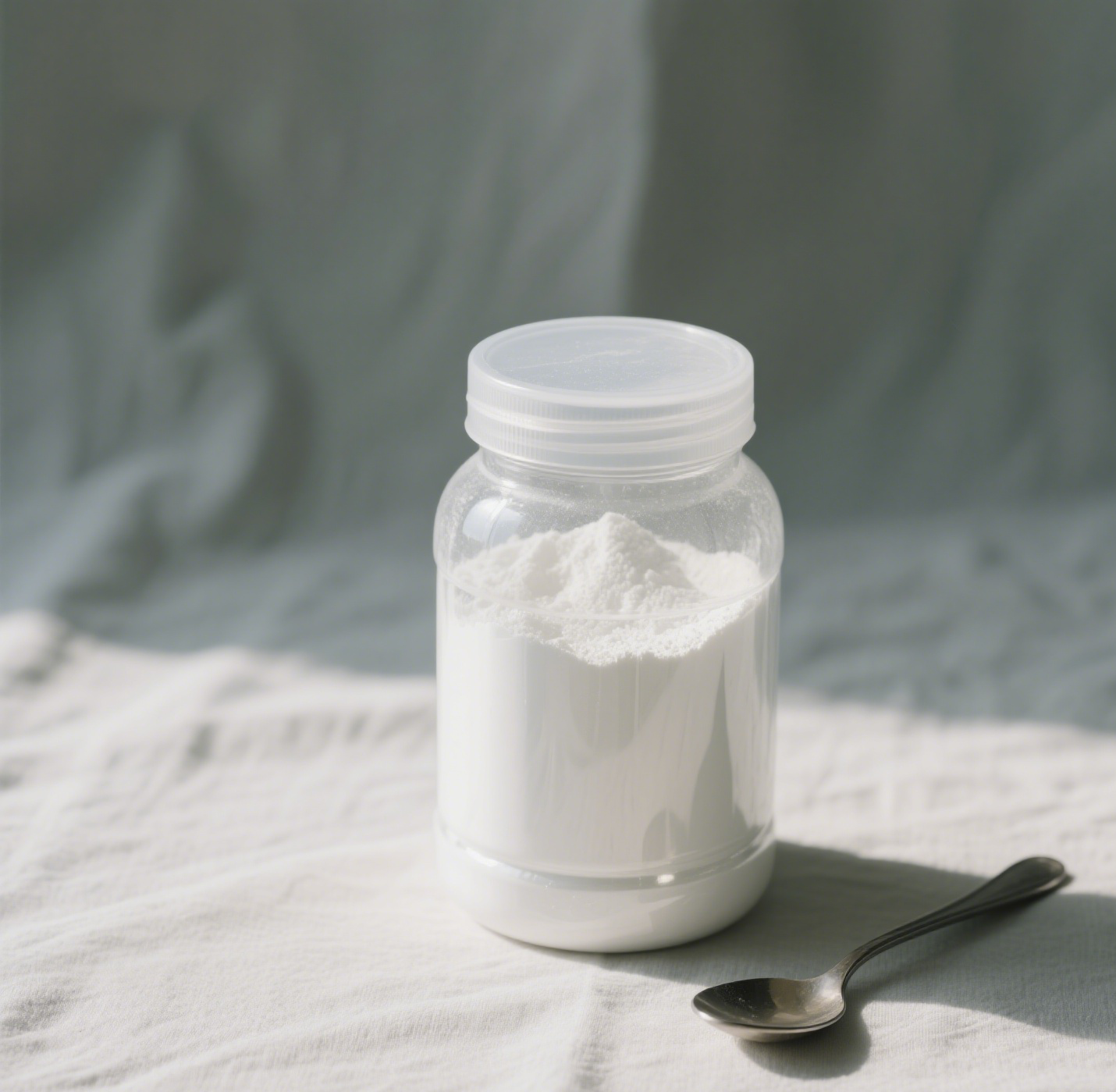
Wybierając odpowiedni środek zagęszczający do projektów piekarskich, zrozumienie podstawowych różnic między skrobią ziemniaczaną a skrobią kukurydzianą może znacząco wpłynąć na końcowy efekt. Oba rodzaje skrobi pełnią podobne funkcje w przepisach, jednak posiadają charakterystyczne cechy, które czynią je odpowiednimi do różnych zastosowań piekarskich. Zawodowi cukiernicy oraz amatorzy z równym zainteresowaniem zastanawiają się nad zaletami skrobi ziemniaczanej w porównaniu do częściej stosowanej skrobi kukurydzianej, szczególnie gdy dążą do osiągnięcia określonej konsystencji, utrzymania wilgoci lub spełnienia wymogów dietetycznych w wyrobach piekarskich.
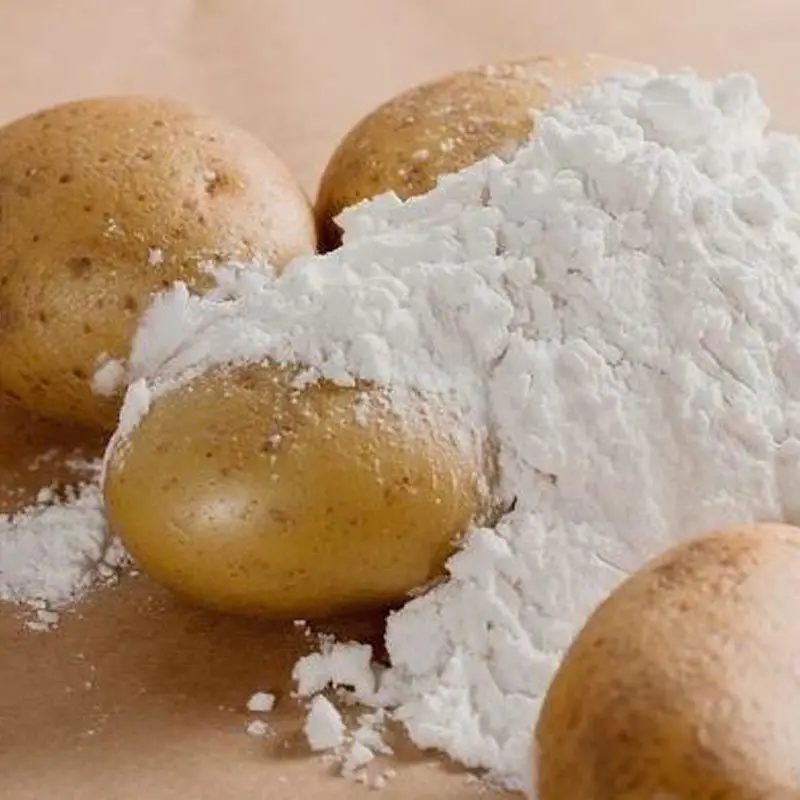
Porównanie tych dwóch skrobi wykracza poza ich podstawowe funkcje i obejmuje takie czynniki jak siła wiązania oraz odporność na temperaturę, smak neutralności oraz ich zachowania podczas różnych procesów pieczenia. Choć skrobia kukurydziana od dawna dominuje w piekarnictwie ze względu na jej powszechną dostępność, skrobia ziemniaczana oferuje unikalne zalety, dzięki którym staje się coraz bardziej popularnym wyborem wśród wytrawnych cukierników. Zrozumienie tych różnic umożliwia podejmowanie lepszych decyzji dotyczących doboru składników do konkretnych przepisów – niezależnie od tego, czy przygotowujesz delikatne ciastka, pyszne chleby, czy specjalne produkty bezglutenowe wymagające precyzyjnego działania skrobi.
Podstawowe właściwości i różnice w składzie
Struktura cząsteczkowa i zawartość skrobi
Różnice strukturalne między skrobią ziemniaczaną a skrobią kukurydzianą zaczynają się na poziomie cząsteczkowym, gdzie skrobia ziemniaczana zawiera większe ziarna o wyższej zawartości amylozy w porównaniu do skrobi kukurydzianej. Ta składowa cząsteczkowa ma bezpośredni wpływ na zachowanie się każdej ze skrobi podczas ogrzewania, mieszania z cieczami oraz dodawania do różnych zastosowań piekarskich. Ziarna skrobi ziemniaczanej mogą znacznie zwiększać swoją objętość pod wpływem ciepła, tworząc bardziej lepkie żele, które zapewniają doskonałe właściwości wiążące w wielu zastosowaniach piekarskich.
Krochmal kukurydziany, pozyskiwany z ziaren kukurydzy, składa się z mniejszych ziaren z innym stosunkiem amilozy do amylopektyny, co powoduje, że po ugotowaniu działa jako zagęszczacz nadający bardziej przeźroczysty wygląd. Zawartość białka w krochmalu ziemniaczanym jest praktycznie zaniedbywalna, co czyni go doskonałym wyborem w zastosowaniach, w których obecność białka mogłaby wpływać na teksturę lub wygląd produktu. Ta zaleta czystości staje się szczególnie ważna w delikatnych zastosowaniach cukierniczych, gdzie kluczowe są przejrzystość i neutralny profil smakowy.
Metody Przetwarzania i Poziomy Czystości
Proces ekstrakcji krochmalu ziemniaczanego obejmuje mielenie ziemniaków oraz oddzielenie krochmalu poprzez płukanie i wirowanie, co daje bardzo oczyszczony produkt z minimalną ilością chemicznych środków stosowanych w przetwarzaniu. Ta naturalna metoda ekstrakcji zachowuje wrodzone właściwości krochmalu, jednocześnie zapewniając jego skuteczność jako zagęszczacza i środka wiążącego. Uzyskany skrobia ziemniaczana zwykle zawiera mniej związków resztkowych w porównaniu do skrobi kukurydzianej, która podlega bardziej intensywnemu przetwarzaniu, w tym namaczaniu w roztworach dwutlenku siarki.
Produkcja skrobi kukurydzianej wymaga większego udziału środków chemicznych w celu oddzielenia skrobi od białek i olejów kukurydzianych, co czasem pozostawia śladowe ilości środków wspomagających proces w końcowym produkcie. Choć poziomy te pozostają w granicach bezpiecznych dla spożycia, dodatkowe etapy przetwarzania mogą czasem wprowadzać subtelne smaki lub zapachy, które mogą być wykrywalne w wrażliwych zastosowaniach piekarskich. Przewaga czystości skrobi ziemniaczanej czyni ją szczególnie wartościową w wysokiej klasy pieczeni, gdzie jakość składników ma bezpośredni wpływ na cechy końcowego produktu.
Charakterystyki użytkowe w zastosowaniach piekarskich
Moc zagęszczająca i wytrzymałość żelu
Przy ocenie skuteczności zagęszczania skrobia ziemniaczana wykazuje wyższą wytrzymałość żelu w porównaniu ze skrobą kukurydzianą, co oznacza, że do osiągnięcia równoważnego efektu zagęszczającego wymagane są mniejsze ilości. Ta wyższa wydajność wynika z większej struktury cząsteczkowej oraz większej zdolności ziaren skrobi ziemniaczanej do pochłaniania wody. W praktycznych zastosowaniach cukierniczych oznacza to, że w przepisach z użyciem skrobi ziemniaczanej często wystarcza o 25–30% mniej skrobi (w przeliczeniu na masę) niż w przypadku formuł opartych na skrobie kukurydzianej, aby uzyskać podobny stopień konsystencji.
Proces tworzenia żelu różni się również znacznie między tymi skrobiami: skrobia ziemniaczana tworzy żele zachowujące stabilność w szerszym zakresie temperatur. Ta cecha okazuje się szczególnie przydatna w zastosowaniach cukierniczych, w których fluktuacje temperatury występują podczas procesów pieczenia lub chłodzenia. Żele z skrobi kukurydzianej są bardziej wrażliwe na zmiany temperatury i mogą ulec synerезie – czyli oddzieleniu się wody – w niektórych warunkach, podczas gdy żele z skrobi ziemniaczanej pozostają nietknięte i stabilne.
Wytrzymałość na temperaturę i zachowanie podczas gotowania
Odpowiedź na temperaturę stanowi kolejny kluczowy czynnik różnicujący, ponieważ skrobia ziemniaczana zaczyna żelić się w niższych temperaturach niż skrobia kukurydziana — zwykle w zakresie 60–65 °C w porównaniu do punktu aktywacji skrobi kukurydzianej wynoszącego 82–85 °C. Niższa temperatura aktywacji pozwala skrobi ziemniaczanej na rozpoczęcie zagęszczania wcześniej w trakcie pieczenia, zapewniając bardziej stopniowy i kontrolowany rozwój tekstury w całym cyklu gotowania.
Stabilność termiczna skrobi ziemniaczanej przewyższa również stabilność skrobi kukurydzianej w zastosowaniach wysokotemperaturowych, zachowując swoje właściwości zagęszczające bez rozkładu czy utraty skuteczności. Ta odporność termiczna czyni skrobę ziemniaczaną szczególnie odpowiednią do zastosowań piekarskich wymagających długotrwałego gotowania lub bardzo wysokich temperatur pieczenia, przy których skrobia kukurydziana może stracić zdolność wiązania. Profesjonalni cukiernicy często preferują skrobę ziemniaczaną w przepisach wymagających spójnej wydajności w różnych warunkach termicznych.
Porównanie wpływu tekstury i smaku
Wkład tekstury i odczucia w ustach
Wkład tekstury skrobi ziemniaczanej w porównaniu ze skrobą kukurydzianą powoduje wyraźnie różne odczucia w ustach w gotowych wyrobach piekarniczych. Skrobia ziemniaczana nadaje gładkie, bardziej elastyczne tekstury z mniejszym nasyceniem po odczuciu mlecznym lub proszkowatym, które czasem występuje w produktach zagęszczanych skrobą kukurydzianą. Ten czynnik gładkości ma szczególne znaczenie w kremach, nadzieniach śmietanowych oraz delikatnych wyrobach cukierniczych, gdzie jakość tekstury ma bezpośredni wpływ na akceptację przez konsumentów.
Krochmal kukurydziany ma tendencję do tworzenia bardziej twardych żeli o nieco bardziej kruchym charakterze, co może być korzystne w niektórych zastosowaniach, ale w kontekstach premium związanych z pieczeniem może wywoływać wrażenie mniej luksusowe. Elastyczność zapewniana przez krochmal ziemniaczany przyczynia się również do poprawy stabilności podczas cykli zamrażania i odmrażania w wyrobach cukierniczych, czyniąc go doskonałym wyborem dla produktów przeznaczonych do przechowywania w temperaturze zamrażania lub dystrybucji w takich warunkach. Ta elastyczność pomaga zachować integralność produktu podczas cykli zmian temperatury, które mogłyby zagrozić formułom opartym na krochmalu kukurydzianym.
Neutralność smakowa i właściwości sensoryczne
Oba skrobie są ogólnie uznawane za obojętne pod względem smaku, ale istnieją subtelne różnice, które mogą wpływać na odczulone odbiór smakowy w zastosowaniach piekarskich wysokiej jakości. Skrobia ziemniaczana wykazuje praktycznie żaden wykrywalny smak ani zapach, nawet w wyższych stężeniach, co czyni ją idealną w zastosowaniach, w których smaki składników muszą pozostać nieprzytłoczone. Ta obojętność okazuje się szczególnie wartościowa w delikatnych profilach smakowych, gdzie jakiekolwiek zakłócenia pochodzące od skrobi byłyby natychmiast zauważalne.
Skrobia kukurydziana czasem posiada lekkie nuty pochodzenia kukurydzianego, które – choć minimalne – mogą być odczuwalne w produktach o subtelnych profilach smakowych lub przy zastosowaniu w większych ilościach. Profesjonalne zespoły degustacyjne czasem wykrywają te różnice w ocenach porównawczych, choć typowi konsumenci mogą nie zauważyć takich subtelnych odmienności. Pełna obojętność smakowa skrobi ziemniaczanej stanowi gwarancję braku jakichkolwiek zakłóceń smakowych w premium zastosowaniach piekarskich, gdzie czystość składników ma pierwszorzędne znaczenie.
Zastosowania i zalety specyficzne dla danej aplikacji
Zastosowania w pieczeniu bezglutenowym oraz w przypadku specjalnych diet
W zastosowaniach pieczenia bezglutenowego skrobia ziemniaczana oferuje istotne zalety w porównaniu ze skrobią kukurydzianą dzięki lepszym właściwościom wiążącym oraz zdolności naśladowania niektórych cech glutenu w pieczywie i wyrobach cukierniczych. Wyższa lepkość i elastyczność skrobi ziemniaczanej sprzyjają tworzeniu lepszej struktury w bezglutenowych mieszankach, zmniejszając kruszczący się charakter typowy dla wypieków z mąk alternatywnych. Poprawa struktury staje się szczególnie ważna w pieczonym drożdżowo pieczywie, gdzie zdolność do zatrzymywania gazów oraz wytrzymałość ciasta mają bezpośredni wpływ na jakość końcowego produktu.
Skrobia ziemniaczana zapewnia również lepsze utrzymywanie wilgoci w pieczeniu bezglutenowym, co przyczynia się do wydłużenia terminu przydatności do spożycia oraz dłuższego zachowywania świeżości produktu w porównaniu z alternatywami opartymi na skrobi kukurydzianej. Zdolność wiązania wody przez skrobę ziemniaczaną pomaga zapobiegać procesom stawania i wysychania, które często występują w piekarniczych produktach bezglutenowych, czyniąc ją preferowanym wyborem dla piekarni przemysłowych obsługujących rynki specjalistycznych diet. Dodatkowo skrobia ziemniaczana naturalnie nie zawiera żadnych powszechnych alergenów poza wrażliwością na rośliny z rodziny psiankowatych, co czyni ją odpowiednią do zastosowania w wielu dietach ograniczających.
Zastosowania profesjonalne w piekarnictwie i przemysłowe
W komercyjnych operacjach pieczeniowych skrobia ziemniaczana wykazuje zalety pod względem spójności procesu i standaryzacji produktów dzięki przewidywalnym właściwościom działania w różnych warunkach środowiskowych. Stabilność skrobi ziemniaczanej przy różnych poziomach wilgotności i temperatury pomaga utrzymać stałą jakość partii, co zmniejsza konieczność korekty przepisów w zależności od czynników sezonowych lub środowiskowych, które mogą wpływać na działanie skrobi kukurydzianej.
Zaleta wydajnościowa skrobi ziemniaczanej przekłada się również na korzyści kosztowe w operacjach na dużą skalę, ponieważ do osiągnięcia równoważnych efektów wymagane są mniejsze ilości w porównaniu ze skrobą kukurydzianą. Ten czynnik wydajnościowy w połączeniu z lepszymi właściwościami użytkowymi często uzasadnia zwykle wyższą cenę jednostkową skrobi ziemniaczanej w zastosowaniach komercyjnych, gdzie kluczowe znaczenie mają jakość i spójność produktu. Wielu zawodowych cukierników zgłasza poprawę satysfakcji klientów oraz zmniejszenie liczby zwrotów produktów po przejściu ze skrobi kukurydzianej na skrobę ziemniaczaną w kluczowych zastosowaniach.
Uwagi dotyczące kosztów i czynniki dostępności
Analiza ekonomiczna i wartość oferowana
Porównanie kosztów skrobi ziemniaczanej i skrobi kukurydzianej ujawnia złożoną propozycję wartości, która wykracza poza prostą cenę za funt. Choć skrobia ziemniaczana zwykle ma wyższą cenę niż skrobia kukurydziana, mniejsze ilości jej stosowania często zmniejszają lub całkowicie eliminują rzeczywistą różnicę w kosztach w wielu zastosowaniach. Doskonałe właściwości użytkowe skrobi ziemniaczanej mogą uzasadniać wyższe koszty surowca dzięki poprawie jakości produktu, ograniczeniu odpadów oraz lepszym wskaźnikom satysfakcji klientów.
Dla piekarzy działających w małej skali oraz entuzjastów pieczenia w domu kwestia kosztów może odgrywać ważniejszą rolę przy wyborze składników, szczególnie w przypadku codziennego pieczenia, gdzie wysokie parametry użytkowe nie są zazwyczaj niezbędne. Jednak w przypadku okazji świątecznych, zastosowań profesjonalnych lub sytuacji, w których właściwości składnika mają bezpośredni wpływ na sukces końcowego produktu, wartość dodana przez skrobię ziemniaczaną często przeważa nad początkowymi obawami dotyczącymi kosztów. Inwestycja w wysokiej jakości składniki skrobiowe przynosi zazwyczaj korzyści w postaci lepszych wyników i mniejszej liczby niepowodzeń przy realizacji przepisów.
Kwestie związane z łańcuchem dostaw i pozyskiwaniem
Różnice w dostępności skrobi ziemniaczanej i skrobi kukurydzianej mogą wpływać na decyzje dotyczące wyboru składników, szczególnie w regionach, gdzie dystrybucja skrobi ziemniaczanej może być ograniczona w porównaniu do powszechnej dostępności skrobi kukurydzianej w kanałach detalicznych. Piekarze przemysłowi często muszą nawiązać konkretne relacje dostawcze, aby zapewnić stałą dostępność skrobi ziemniaczanej, podczas gdy skrobia kukurydziana pozostaje łatwo dostępna poprzez wiele kanałów dystrybucyjnych i dostawców.
Sezonowy charakter zbiorów ziemniaków może czasem wpływać na cenę i dostępność skrobi ziemniaczanej, choć nowoczesne metody przetwarzania i przechowywania znacznie złagodziły te problemy. Ustalone firmy dostawcze zazwyczaj utrzymują odpowiednie zapasy buforowe, aby zapewnić stałą dostępność przez cały rok. Dla piekarzy, którzy postanowili stosować skrobę ziemniaczaną, nawiązanie relacji z wiarygodnymi dostawcami oraz utrzymanie odpowiednich poziomów zapasów pomaga zagwarantować nieprzerwaną dostępność tego wysokiej klasy składnika.
Często zadawane pytania
Czy mogę zastąpić skrobię ziemniaczaną skrobą kukurydzianą w dowolnym przepisie cukierniczym?
Chociaż skrobia ziemniaczana może zastąpić skrobę kukurydzianą w większości zastosowań cukierniczych, należy zwykle używać o około 25–30% mniej skrobi ziemniaczanej ze względu na jej wyższą zdolność zagęszczania. Zastąpienie to szczególnie dobrze sprawdza się w kremach, nadzieniach śmietanowych oraz sosach. Jednak w przepisach specjalnie opracowanych z uwzględnieniem charakterystycznych właściwości skrobi kukurydzianej mogą być zauważalne pewne różnice w teksturze, choć zazwyczaj są one korzystne.
Czy skrobia ziemniaczana działa lepiej niż skrobia kukurydziana w pieczeniu bezglutenowym?
Tak, skrobia ziemniaczana zazwyczaj działa lepiej niż skrobia kukurydziana w pieczeniu bezglutenowym dzięki swoim doskonałym właściwościom wiążącym oraz zdolności do zatrzymywania wilgoci. Pomaga ona uzyskać lepszą strukturę i teksturę chlebów i ciast bezglutenowych, a także wydłuża ich trwałość. Elastyczność zapewniana przez skrobię ziemniaczaną pomaga zrekompensować brak glutenu, co powoduje, że wypieki są mniej kruszynkowe i bardziej spójne.
Czy istnieje różnica smakowa między skrobią ziemniaczaną a skrobią kukurydzianą w wyrobach piekarniczych?
Skrobia ziemniaczana jest całkowicie bezsmakowa i bezwonna, nawet w wyższych stężeniach, podczas gdy skrobia kukurydziana czasem może wprowadzać bardzo subtelne nuty pochodzenia kukurydzianego, które zazwyczaj są niezauważalne dla większości konsumentów. W wrażliwych zastosowaniach lub przy użyciu większych ilości zawodowi cukiernicy czasem preferują skrobię ziemniaczaną ze względu na jej gwarantowaną obojętność smakową, choć obie skrobie uznawane są za praktycznie bezsmakowe przy normalnych poziomach stosowania.
Dlaczego skrobia ziemniaczana jest droższa niż skrobia kukurydziana?
Skrobia ziemniaczana jest droższa niż skrobia kukurydziana ze względu na bardziej złożone procesy ekstrakcji, mniejsze objętości produkcji oraz sezonowy charakter zbiorów ziemniaków w porównaniu do całorocznej dostępności kukurydzy. Jednak wyższa skuteczność skrobi ziemniaczanej oznacza, że do osiągnięcia tych samych efektów potrzeba mniejszej ilości, co często rekompensuje różnicę cenową. Lepsze właściwości użytkowe zapewniają również dodatkową wartość w zastosowaniach, w których kluczowe znaczenie ma jakość.
Spis treści
- Podstawowe właściwości i różnice w składzie
- Charakterystyki użytkowe w zastosowaniach piekarskich
- Porównanie wpływu tekstury i smaku
- Zastosowania i zalety specyficzne dla danej aplikacji
- Uwagi dotyczące kosztów i czynniki dostępności
-
Często zadawane pytania
- Czy mogę zastąpić skrobię ziemniaczaną skrobą kukurydzianą w dowolnym przepisie cukierniczym?
- Czy skrobia ziemniaczana działa lepiej niż skrobia kukurydziana w pieczeniu bezglutenowym?
- Czy istnieje różnica smakowa między skrobią ziemniaczaną a skrobią kukurydzianą w wyrobach piekarniczych?
- Dlaczego skrobia ziemniaczana jest droższa niż skrobia kukurydziana?