 EN
EN

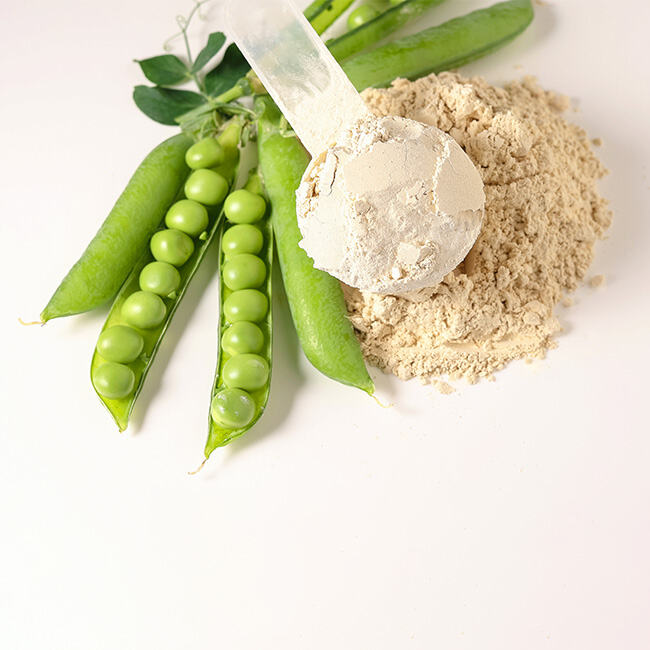
ပဲပရိုတင်းသည် ဂလူတန်ကင်းသော မုန့်များ ထုတ်လုပ်ရာတွင် မည်သို့အလုပ်လုပ်သည်ကို နားလည်ရန်အတွက် ဤအပင်မှ ရရှိသော ပစ္စည်း၏ ထူးခြားသော ဖွဲ့စည်းပုံဆိုင်ရာနှင့် လုပ်ဆောင်ခွင့်ရှိမှုဆိုင်ရာ ဂုဏ်သတ္တိများကို စုံစမ်းရန် လိုအပ်ပါသည်။ ဂလူတန်ကို မုန့်ထုတ်လုပ်မှု ပုံစံများမှ ဖယ်ရှားလိုက်သည့်အခါ ထုတ်လုပ်သူများသည် ဂလူတန်က သဘောတော်များစွာဖေးမပေးသည့် အရသာ၊ ဖွဲ့စည်းပုံနှင့် ကပ်စေသည့် လုပ်ဆောင်ခွင့်ရှိမှုများကို ထိန်းသိမ်းရန် အရေးကြီးသော အခက်အခဲများကို ရင်ဆိုင်ရပါသည်။ ပဲပရိုတင်းသည် ဂလူတန်၏ အရေးကြီးသော ဂုဏ်သတ္တိများကို နီးစပ်စွာ မှီငြိမ်းပေးနိုင်သည့် လုပ်ဆောင်ခွင့်ရှိမှုများကို ပေးစေသည့်အပ alongside ခေတ်မှီ စားသုံးသူများ၏ ကျန်းမာရေးနှင့် အပင်မှ ရရှိသော အစားအစာများအတွက် လိုအပ်ချက်များနှင့် ကိုက်ညီသည့် အပိုအာဟာရ အကျိုးကျေးဇူးများကို ပေးစေသည့် အင်အားကြီးသော ဖြေရှင်းနည်းတစ်ခုအဖြစ် ထွက်ပေါ်လာပါသည်။
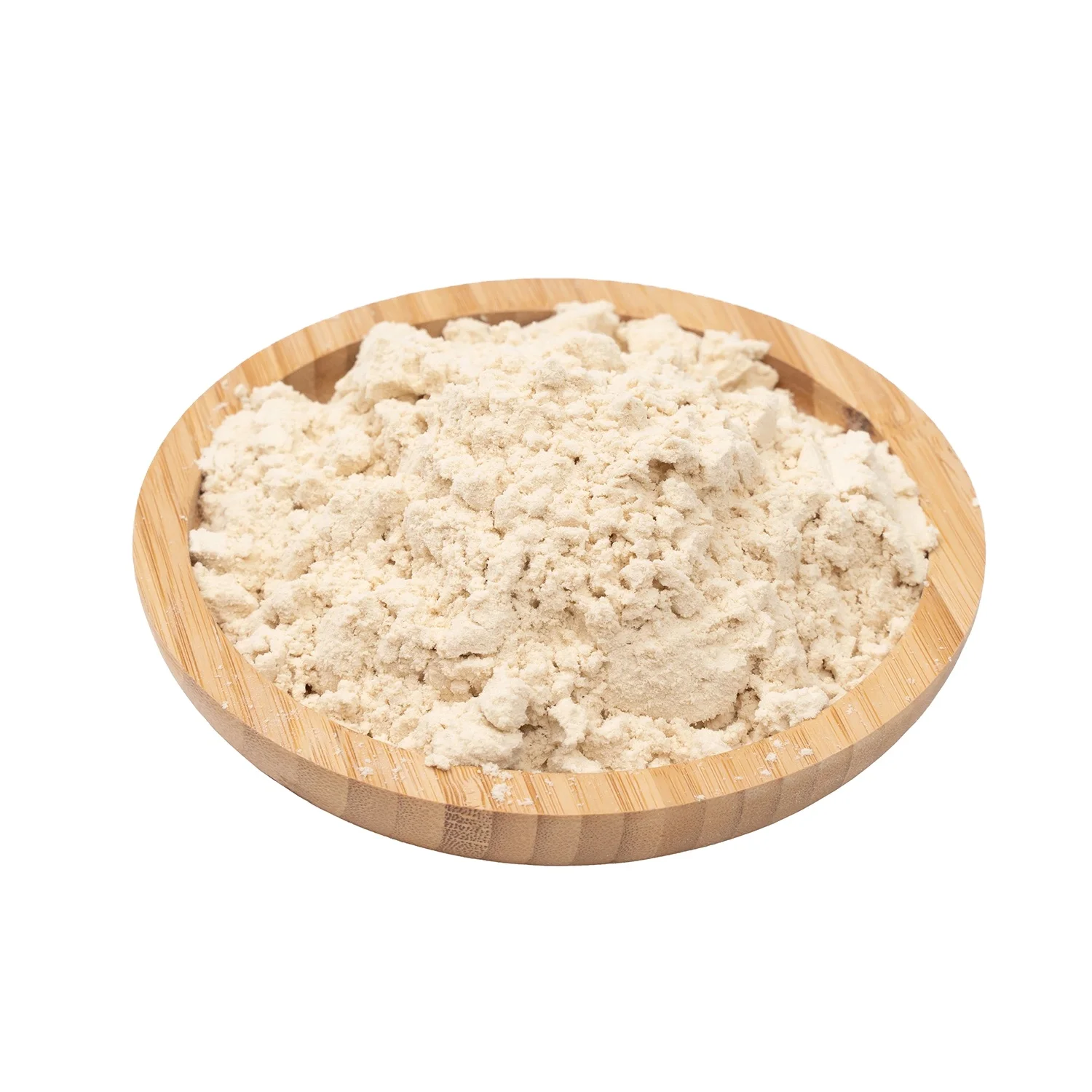
ပဲမှထုတ်လုပ်သည့်ပရိုတင်းသည် ဂလူတန်ကင်းသည့် မုန့်ဖုတ်ခြင်းတွင် အသုံးပြုသည့် အလုပ်လုပ်ပုံများသည် ရောစပ်ခြင်း၊ အက်ဆစ်ဖွဲ့ခြင်းနှင့် အပူဖော်ပြခြင်း စသည့် လုပ်ငန်းစဉ်များအတွင်း ရှုပ်ထွေးသည့် အဏုမေဗျူးလာ အပြန်အလှန်အကျေးဇူးပေးမှုများကို အခြေခံသည်။ ဒိုင်ဆောက်ဆိုဒ် ချိတ်ဆက်မှုများမှတစ်ဆင့် ပြောင်းလွဲနိုင်သည့် ကွန်ယက်များကို ဖွဲ့စည်းပေးသည့် ဂလူတန်ပရိုတင်းများနှင့် မတူဘဲ ပဲပရိုတင်းသည် ဟိုက်ဒရိုဂံ ချိတ်ဆက်မှုများ၊ ရေမံမှုန်းသည့် အပြန်အလှန်အကျေးဇူးပေးမှုများနှင့် ပရိုတင်း-မုန့်ဖုတ်ခြင်းအတွက် အသုံးပြုသည့် အာမိုးစ် အပြန်အလှန်အကျေးဇူးပေးမှုများ စသည့် အခြားသော လမ်းကြောင်းများမှတစ်ဆင့် ဖွဲ့စည်းမှုကို ဖန်တီးပေးသည်။ ချိတ်ဆက်မှုများတွင် အခြေခံကွဲပြားမှု ဤအချက်သည် ပဲပရိုတင်းသည် ဂလူတန်ကို တစ်ခုနှင့်တစ်ခု အစားထိုးပေးခြင်းမှုများသာမက ဂလူတန်ကင်းသည့် ထုတ်ကုန်များတွင် အကောင်းများဆုံး ရလေ့ရှိရန် အထူးသဖြင့် ဖွဲ့စည်းမှုအတွက် ပြောင်းလွဲမှုများကို သေချာစွာ ပြုလုပ်ရန် လိုအပ်သည့် အပေါင်းထည့်ပေးသည့် လုပ်ငန်းစဉ်များမှတစ်ဆင့် အလုပ်လုပ်သည်ကို ဆိုလိုသည်။
ဂလူတန်ကင်းသည့် စနစ်များတွင် ဖွဲ့စည်းမှုဖွဲ့စည်းမှု လုပ်ငန်းစဉ်များ
ရောစပ်ခြင်းအတွင်း ပရိုတင်းကွန်ယက်ဖွဲ့စည်းမှု
ပဲပရိုတင်းကို ဂလူတန်းအခြေမြေပါသော မုန့်မှုန်စနစ်များတွင် ထည့်သွင်းလျှင် ၎င်းသည် ရေစုပ်ယူမှုနှင့် ရောစပ်မှုဖော်စပ်မှုအတွင်း ဖွဲ့စည်းပုံဆိုင်ရာ ကွန်ရက်များ ဖွဲ့စည်းရန် စတင်ပါသည်။ ပဲပရိုတင်းရှိ ဂလိုဘျူလာပရိုတင်းများသည် ရေနှင့် ယန္တရားမှုအားဖြင့် အပိုင်းအစ ဖွင့်လေးမှုကို ခံရပြီး အထိုးထားသော ရေမုန်းသော ဒေသများကို ထုတ်ဖော်ပေးကာ အခြားပရိုတင်းများနှင့် စတားခ်အစိတ်အပိုင်းများနှင့် အပ်စ်ပ်ချိတ်ဆက်မှုများ ဖော်ပေးပါသည်။ ဤဖွင့်လေးမှုဖြစ်စဉ်သည် အလွန်အရေးကြီးပါသည်။ အဘယ်ကြောင့်ဆိုသော် ၎င်းသည် ပဲပရိုတင်းအား မုန့်အမျှင်အွန်လိုင်းကို တွေ့ဆုံစေရန် အသုံးပြုနိုင်သော အသုံးဝင်သော နေရာများကို ဖန်တီးပေးပြီး ဂလူတန်း၏ သဘောသော ပျော့ပေါ့မှုကို မရှိသော အခြေအနေကို ဖြည့်ဆည်းပေးနိုင်သောကြောင့်ဖြစ်သည်။
ရောစပ်ခြင်းလုပ်ငန်းစဉ်သည် ပဲပရိုတီန်၏ အီမัลဆီဖိက်ရှင် (အဆီနှင့်ရေကို ရောစပ်ပေးသည့်) ဂုဏ်သတ္တိများကိုလည်း လှုံ့ဆော်ပေးပါသည်။ ဤဂုဏ်သတ္တိများသည် အထူးသဖြင့် အသားအရေကောင်းမွန်စေရန်နှင့် နှုတ်ထောက်ခံမှုကို မြှင့်တင်ရန်အတွက် အဆီပိုများသည့် ဂလူတန်-အလွဲ (gluten-free) ဖော်မူလေးရှင်းများတွင် အထူးအရေးကြီးပါသည်။ ရောစပ်မှု ဆက်လက်လုပ်ဆောင်နေစဉ်တွင် ပဲပရိုတီန်အဏုကြီးများသည် ရေနှင့်အဆီအစိုဓာတ်တွင် အန္တရာယ်ဖြစ်စေသည့် နယ်နိမိတ်တွင် ကိုယ်ပိုင်အနေအထားကို ပြောင်းလဲပေးပါသည်။ ထိုသို့ဖြင့် အီမောလ်ရှင်းများကို တည်ငြိမ်စေပါသည်။ ထိုအီမောလ်ရှင်းများသည် နောက်ဆုံးအဖျော့မှု (baked product) ၏ အသားအရေနှင့် စိုထောင်းမှုကို မြှင့်တင်ပေးပါသည်။
အပိုင်းအစ ပရိုတီန် ပြောင်းလဲမှု
ဘဲချက်ရာမှာ ပဲပရိုတင်းဟာ နောက်ဆုံးထုတ်ကုန်ရဲ့ တည်ဆောက်မှုနဲ့ အသားအရေကို တိုက်ရိုက် သက်ရောက်စေတဲ့ သိသာတဲ့ အပူပိုင်း ပြောင်းလဲမှုတစ်ခု ကြုံရတာပါ။ အပူချိန်တွေ မြင့်တက်လာတာနဲ့အမျှ ကြက်သွန်ဖြူမော်လီကျူးတွေဟာ ၎င်းတို့ရဲ့ ဒေသခံ သုံးဖက်မြင် တည်ဆောက်မှု ဖြန့်ချိပြီး ဘေးချင်းဆိုင်တဲ့ ပရိုတင်းကွင်းဆက်တွေကြားမှာ အင်တာမော်လီကျူးအဆက်အသွယ်သစ်တွေ ပေါ်ပေါက်လာတဲ့ ဆွေးမြေ့မှုခံစားရတယ်။ ဒီအပူဓာတ်ဖြင့် အေးခဲမှုလုပ်ခြင်းဖြင့် အဆီမပါတဲ့ မုန့်ဖုတ်ပစ္စည်းတွေရဲ့ ပုံသဏ္ဌာန်နဲ့ တည်ဆောက်မှုကို ထိန်းသိမ်းဖို့ ကူညီတဲ့ အမာခံကြံ့ခိုင်တဲ့ ကွန်ရက်တစ်ခု ဖန်တီးပြီး အဆီမပါတဲ့ ထုတ်ကုန်တွေမှာ မကြာခဏ ဖြစ်ပေါ်တဲ့ ကျိုးပဲ့မှုကို ကာကွယ်ပေးပါတယ်။
အပူပိုင်း ပြောင်းလဲမှု ပြီးအင်ဆိန်း ၎င်းဟာ ရေကို ချိတ်ဆက်နိုင်စွမ်းကိုပါ သက်ရောက်စေပါတယ်၊ အကြောင်းက ဆန့်ကျင်ဘက် ပရိုတင်းတွေဟာ ၎င်းတို့ရဲ့ ဒေသခံ ပရိုတင်းတွေထက် ရေပိုထိန်းထားနိုင်လို့ပါ။ ဒီတိုးတက်တဲ့ ရေထိန်းသိမ်းနိုင်စွမ်းဟာ gluten-free baking မှာ မရှိမဖြစ်ဖြစ်ထိုက်ပါတယ်၊ အဲဒီမှာ ဘဲချက်တဲ့ လုပ်ငန်းစဉ်တစ်ခုလုံးအတွင်း စိုထိုင်းမှုအဆင့်ကို ထိန်းသိမ်းခြင်းက စားသုံးသူတွေက gluten-free ထုတ်ကုန်တွေနဲ့ မကြာခဏ ဆက်စပ်တဲ့ ခြောက်သွေ့၊ ပေါက်လွယ်တဲ့ အသားအရောင်ကို ကာကွယ်ဖို့ ကူညီ
ရေစီမံခန့်ခွဲမှုနှင့် ရေဓာတ်ပေးခြင်း ဂုဏ်သတ္တိများ
စိုထိုင်းမှုကို ထိန်းသိမ်းပေးသည့် အလုပ်ဖွင့်ဆောင်မှုများ
ဂလူတန်-အခြေပြုမှုများ မပါဝင်သော မုန့်များ ပုံဖော်ရာတွင် ပဲပရိုတီန်၏ အရေးအပါဆုံး လုပ်ဆောင်ချက်များထဲမှ တစ်ခုမှာ မုန့်များ ထုတ်လုပ်ခြင်းနှင့် သိုလှောင်ခြင်း အဆင့်များတွင် ရေကို ထိန်းသိမ်းပေးနိုင်မှုဖြစ်သည်။ ပဲပရိုတီန်တွင် ရေကို ဆွဲဆောင်သည့် အမိုင်နိုအက်စစ်ကြွင်းများနှင့် ရေကို မဆွဲဆောင်သည့် အမိုင်နိုအက်စစ်ကြွင်းများ နှစ်မျိုးလုံး ပါဝင်သည်။ ထို့ကြောင့် ပဲပရိုတီန်သည် ဟိုက်ဒရိုဂျင် အသုံးပြုမှု၊ အိုင်ယွန်နစ် အပ်ဒေ့တ်များနှင့် ပရိုတီန် ကွန်ရက်များအတွင်း ရေမောလီကျူးများကို ရုပ်ပိုင်းဆိုင်ရာ ဖမ်းမိခြင်း စသည့် အများပါးသော အလုပ်ဖွင့်ဆောင်မှုများဖြင့် ရေမောလီကျူးများနှင့် အပ်ဒေ့တ်များ ပြုလုပ်နိုင်သည်။ ထိုသို့သော အများပါးသော ရေကို ချိတ်ဆက်ထိန်းသိမ်းနိုင်မှုသည် သိုလှောင်ရာတွင် ကြာရှည်စွာ သိုလှောင်နိုင်ပြီး အရသာနှင့် စိုထိုင်းမှုကို ထိန်းသိမ်းပေးနိုင်သည့် ထုတ်ကုန်များ ဖန်တီးရာတွင် အထောက်အကူပေးသည်။
ပဲပရိုတင်း၏ရေစီမံခန့်ခွဲမှုဂုဏ်သတ္တိများသည် ထုတ်လုပ်မှုအတွင်း မုန့်မွှားကို ကိုင်တွယ်ခြင်းဆိုင်ရာ အရည်အသွေးများကိုလည်း အကျိုးသက်ရောက်မှုရှိပါသည်။ ပဲပရိုတင်းကို သင့်တော်စွာရေစိုစေခြင်းဖြင့် ပိုမိုစုစည်းမှုရှိသော မုန့်မွှားကို ဖန်တီးနိုင်ပါသည်။ ထိုသို့သော မုန့်မွှားကို ဂလူတင်းမပါသော အခြားအစားအစာများထက် ပုံစံဖန်တီးခြင်းနှင့် စက်မှုလုပ်ငန်းများတွင် ပိုမိုလွယ်ကူစွာ အသုံးပြုနိုင်ပါသည်။ ဤသို့သော ပိုမိုကောင်းမွန်သော အလုပ်လုပ်နိုင်မှုသည် ဂလူတင်းမပါသော ထုတ်လုပ်မှုတွင် မကြာခဏ ကြုံတွေ့ရသော ထုတ်လုပ်မှုအခက်အခဲများကို လျော့နည်းစေပါသည်။ ထိုသို့သော ထုတ်လုပ်မှုများတွင် မုန့်မွှားစနစ်များသည် ထုတ်လုပ်မှုကို ထိရောက်စွာ ဆောင်ရွက်ရန်အတွက် လိုအပ်သော ပြေလွင်မှုနှင့် ရှည်လျားမှုတို့ကို မှုန်းနေလေ့ရှိပါသည်။
ဆဲလူလို့ဇ်-ပရိုတင်း အပ်စ်က်ရှင်
ပဲပရိုတင်းသည် ဂလူတန်းအက်ဖရီးဖရီးဖော်မျူလေးရှင်းများတွင် အာဟာရဖော်မျူလေးရှင်းအရည်အသွေးကို မြင့်တင်ပေးသည့် ရှုပ်ထွေးသော အဏုမောလီကျူလာ အကျိုးသက်ရောက်မှုများမှတစ်ဆင့် စတားခ်အစိတ်အပိုင်းများနှင့် အတူတက်ကြွစွာ အလုပ်လုပ်ပါသည်။ ရေရှိသည့်အခါ နှင့် ရေစုပ်ယူမှုအခါတွင် ပဲပရိုတင်းအဏုမောလီကျူလာများသည် စတားခ်အစိတ်အပိုင်းများနှင့် ဟိုက်ဒရိုဂျင်အန်ဒ်ဘွန်းများ ဖွဲ့စည်းပေးပြီး အစိတ်အပိုင်းတစ်ခုချင်းစီသည် တစ်ကိုယ်တည်းဖော်မောလ်လုပ်နိုင်သည့် အရည်အသွေးထက် ပိုမိုကောင်းမွန်သော ဖွဲ့စည်းပုံအား ပေးစွမ်းနိုင်ပါသည်။ ပဲပရိုတင်းနှင့် စတားခ်အကျိုးသက်ရောက်မှုများသည် ဂဲလ်လီတိုင်ဇေးရှင်းအခါတွင် အထူးသဖြင့် ပိုမိုထင်ရှားလာပါသည်။ ထိုအခါတွင် စတားခ်မှုန်များသည် ပဲပရိုတင်းဖွဲ့စည်းပုံများနှင့် တွေ့ကုန်ပါသည်။ ထို့ကြောင့် အရသာနှင့် စားသုံးရန် အဆင်ပေးမှုများ ပိုမိုကောင်းမွန်လာပြီး အစားအစာများ ခြောက်သွေ့လာမှုနှင့် အရည်အသွေးကျဆင်းမှုများ လျော့နည်းလာပါသည်။
ဂလူတန်းအက်ဖရီးဖော်မျူလေးရှင်းများတွင် အသုံးများသော ပဲပရိုတင်းနှင့် ပြောင်းလဲထားသော စတားခ်များကြား အကျိုးသက်ရောက်မှုများသည် အပိုမိုသော လုပ်ဆောင်နိုင်မှုအကျိုးကျေးဇူးများကို ဖန်တီးပေးပါသည်။ အသုံးပြုမှုအတွက် ပိုမိုကောင်းမွန်သော အသုံးဝင်မှုများကို ပေးစွမ်းနိုင်သည့် ပြောင်းလဲထားသော စတားခ်များသည် ပဲပရိုတင်းနှင့် ပူးပေါင်း၍ ပိုမိုခိုင်မာသော ဂဲလ်ဖွဲ့စည်းပုံများကို ဖန်တီးပေးပါသည်။ ထို့အတူ ပဲပရိုတင်းသည် စတားခ်ဂဲလ်ဖွဲ့စည်းပုံများကို ရှေးရေးဂရေးဒေးရှင်း (retrogradation) မှ တားဆီးပေးပါသည်။ ရှေးရေးဂရေးဒေးရှင်းသည် ဂလူတန်းအက်ဖရီးထုတ်ကုန်များတွင် အစားအစာများ ခြောက်သွေ့လာမှုနှင့် အရည်အသွေးကျဆင်းမှုများ ဖြစ်ပေါ်စေသည့် အဓိကအကြောင်းရင်းဖြစ်ပါသည်။
အများအားဖြင့် ထုတ်ကုန်အများအပြားတွင် လုပ်ဆောင်ချက်ဆိုင်ရာ စွမ်းဆောင်ရည်
မုန့်နှင့် မုန့်လုံးများအတွက် အသုံးပြုမှုများ
ဂလူတန်-အလွဲမှုန်းသော မုန့်ထုတ်လုပ်မှုတွင် ပဲပရိုတီန်သည် ယီစ့်ဖြင့် အောက်စီဂျင်ထုတ်လုပ်သည့် ထုတ်ကုန်များနှင့် သက်ဆိုင်သည့် အထူးပြဿနာများကို ဖြေရှင်းပေးသည့် လုပ်ဆောင်ချက်များစွာကို ပေးစွမ်းနိုင်ပါသည်။ ပရိုတီန်သည် အောက်စီဂျင်ထုတ်လုပ်မှုအတွင်း ဖန်တီးထားသည့် ဓာတ်ငွေသုံး ဆဲလ်များကို ပုံစံပေးထားသည့် ပုံစံများကို ဖန်တီးနိုင်ပါသည်။ ထိုသို့သော ပုံစံများသည် ကာဗွန်ဒိုင်အောက်ဆိုဒ်ကို ထိန်းသိမ်းပေးပြီး မုန့်၏ အရှိန်အဟောင်းနှင့် အတွင်းပိုင်းဖွဲ့စည်းမှုကို မြှင့်တင်ပေးပါသည်။ ဂလူတန်-အလွဲမှုန်းသော မုန့်စနစ်များတွင် အောက်စီဂျင်ထုတ်လုပ်မှုများကို ထိရောက်စွာ ဖမ်းမိရန် ရှေးရိုးသော ဂလူတန် ကွန်ရက်များ မရှိသည့်အတွက် ထိုဓာတ်ငွေထိန်းသိမ်းမှု လုပ်ဆောင်ချက်သည် အလွန်အရေးကြီးပါသည်။
ပဲပရိုတီန်သည် မုန့်အပေါ်ပိုင်းအတွင်း အရောင်ဖော်ခြင်းနှင့် အရသ်ဖော်ခြင်းတွင် ပါဝင်သည့် မိလာ့ဒ် တုံ့ပြန်မှုများကို ဖန်တီးပေးခြင်းဖြင့် ဂလူတန်-အလွဲမှုန်းသော မုန့်များတွင် အပေါ်ပိုင်းဖွဲ့စည်းမှုကို အထောက်အကူပုံဖော်ပေးပါသည်။ ထိုတုံ့ပြန်မှုများသည် မုန့်ကို မှုန်းသော အရောင်အသောင်နှင့် ရှုပ်ထွေးသည့် အရသ်များကို ဖန်တီးပေးပြီး အရည်အသွေးမြင့် မုန့်ထုတ်ကုန်များတွင် စားသုံးသူများကို မျှော်လင့်ထားသည့် အရောင်အသောင်နှင့် အရသ်များကို ဖန်တီးပေးပါသည်။ ထို့အပေါ်အခြေခံ၍ ပရိုတီန်ကွန်ရက်များကို ဖန်တီးပေးခြင်းဖြင့် မုန့်အပေါ်ပိုင်းအတွင်း ဖွဲ့စည်းမှုအားကို ပေးစွမ်းပါသည်။
ကိတ်နှင့် မုန့်အများအပြားအတွက် စွမ်းဆောင်ရည်
ကိတ်မုန့်နှင့် ပေါင်မုန့်အသုံးအနှုန်းများတွင် ပဲပရိုတီန်သည် အဓိကအားဖြင့် ဖွဲ့စည်းပုံတည်ဆောက်ရာတွင် အသုံးပြုသည့် အေဂျင့်ဖြစ်ပြီး လက်ခံနိုင်သည့် ပုံစံနှင့် အရေးအကြီးကြီးမှုရှိသည့် နူးညံ့ပြီး စိုစွတ်သည့် ထုတ်ကုန်များကို ဖန်တီးရာတွင် အထောက်အကူပေးပါသည်။ ကိတ်မုန့်စနစ်များတွင် ရောယှက်မှုအချိန်တွင် လေကို ထည့်သွင်းခြင်းဖြင့် အရည်အသွေးမြင့်မုန့်များ၏ ထင်မှားမှုနှင့် လေပါဝင်သည့် ဖွဲ့စည်းပုံကို ဖန်တီးပေးနိုင်သည့် ပဲပရိုတီန်၏ လေထုတ်စွမ်းရည်များသည် အထူးအရေးကြီးပါသည်။ ပဲပရိုတီန်သည် လေပုံဝိုင်းများကို ပရိုတီန်ပုံစံဖြင့် အကာအကွယ်ပေးခြင်းဖြင့် ဤလေထုတ်ဖွဲ့စည်းပုံများကို တည်ငြိမ်စေပြီး ဖုန်းခေါ်မှုအချိန်တွင် ပျက်စီးခြင်းကို ကာကွယ်ပေးပါသည်။
ပဲပရိုတီန်၏ အီမัลရှင်ဖော်မော်ရှင် (အဆီ-ရေ ရောယှက်မှု) ဂုဏ်သတ္တိများသည် အဆီနှင့် အရည်အစိုများ အများအပြားပါဝင်သည့် ကိတ်မုန့်ဖွဲ့စည်းမှုများတွင်လည်း အထောက်အကူဖြစ်ပါသည်။ အဆီနှင့် ရေကို ရောယှက်မှုဖော်မော်ရှင်ဖော်ပေးခြင်းဖြင့် ပဲပရိုတီန်သည် အညီအမျှရှိသည့် မုန့်ရည်အောက်ခြေပုံစံကို ဖန်တီးပေးပြီး ရောယှက်မှုနှင့် ဖုန်းခေါ်မှုအချိန်တွင် ကွဲထွက်မှုကို ကာကွယ်ပေးပါသည်။ ထို့ကြောင့် အရေးအကြီးကြီးမှုရှိသည့် ဖွဲ့စည်းပုံနှင့် သက်တမ်းရှည်သည့် ထုတ်ကုန်များကို ရရှိစေပါသည်။
အများဆုံးထိရောက်မှုအတွက် ပိုမိုကောင်းမွန်ရေး ဗျူဟာများ
ရေဓာတ်ဖြည့်သွင်းခြင်းနှင့် စက်မှုလုပ်ဆောင်မှု ပါရာမီတာများ
ပဲပရိုတင်းကို ဂလူတန်ဖရီးဘေက်ကင်းတွင် အထိရောက်ဆုံးအဖြစ် အသုံးပြုရန်အတွက် ပရိုတင်း၏ လုပ်ဆောင်မှုစွမ်းရည်ကို သက်ရောက်စေသည့် ရေစုပ်ယူမှုအချိန်နှင့် လုပ်ဆောင်မှုအချက်များကို သေချာစွာ ဂရုစိုက်ရန် လိုအပ်ပါသည်။ ပဲပရိုတင်းအတွက် အကောင်းဆုံး ရေစုပ်ယူမှုအချိုးသည် ပရိုတင်းအလေးချိန်နှင့် ရေအလေးချိန်အတွင်း ၁:၃ မှ ၁:၄ အထိ ဖြစ်သော်လည်း ဤအချိုးသည် အသုံးပြုမည့် ထုတ်ကုန်အမျိုးအစားနှင့် ရှာဖွေနေသည့် အသွင်အပြင် အရည်အသွေးပေါ်တွင် မှီခိုပါသည်။ ပဲပရိုတင်းကို မုန့်မွှားစနစ်ထဲသို့ ထည့်သွင်းရန်မှီ ကြိုတင်ရေစုပ်ယူခြင်းသည် ပရိုတင်းအား အပြည့်အဝ ဖောင်းပေါက်စေခြင်းနှင့် အစိတ်အပိုင်းလျှင် ဒီနေတ်ရူရေးရှင်းဖြစ်စေခြင်းတို့ကို အချိန်ပေးပေးခြင်းဖြင့် လုပ်ဆောင်မှုစွမ်းရည်ကို မော်က်မ်မ်တိုးတက်စေပါသည်။
ရောစပ်ချိန်၊ အမြန်နှုန်းနှင့် အပူချိန်ကဲ့သို့သော လုပ်ဆောင်ခြင်းဆိုင်ရာ ကန့်သတ်ချက်များသည် ပဲပရိုတင်းသည် ဂလူတင်ကင်းစင်သောစနစ်များတွင် လုပ်ဆောင်နိုင်စွမ်းဂုဏ်သတ္တိများကို မည်မျှထိရောက်စွာ ဖွံ့ဖြိုးတိုးတက်စေသည်ကို သိသိသာသာ သက်ရောက်မှုရှိသည်။ ရောစပ်ချိန် ကြာမြင့်ခြင်းသည် ပရိုတင်းကွန်ရက် ဖွံ့ဖြိုးတိုးတက်မှုကို မြှင့်တင်ပေးခြင်းဖြင့် ပဲပရိုတင်းလုပ်ဆောင်နိုင်စွမ်းကို ယေဘုယျအားဖြင့် တိုးတက်ကောင်းမွန်စေသော်လည်း၊ အလွန်အကျွံရောစပ်ခြင်းသည် အလွန်အကျွံ ဖွံ့ဖြိုးတိုးတက်မှုကို ဖြစ်စေပြီး နောက်ဆုံးထုတ်ကုန်ဖွဲ့စည်းပုံကို ဆိုးကျိုးသက်ရောက်စေနိုင်သည်။
ပူးပေါင်းဆောင်ရွက်သော ပါဝင်ပစ္စည်း ပေါင်းစပ်မှုများ
ပဲပရိုတင်း၏ ဂလူတန်းအက်ဖရီးဖရီးမှုကင်းသော မုန့်မှုန်းခြင်းတွင် ထိရောက်မှုရှိခြင်းသည် လုပ်ဆောင်ချက်အများအပြားကို ဖြည့်စွက်ပေးနိုင်သည့် အရေးကြီးသော ပေါင်းစပ်မှုများဖြင့် ပိုမိုကောင်းမွန်လာပါသည်။ ဇန္သန် ဂမ်၊ ဂူအာ ဂမ် သို့မဟုတ် ပိစ်လီယမ် ဟပ်စ်ကဲ့သို့သော ဟိုက်ဒရိုကောလွိုက်များသည် ပဲပရိုတင်းနှင့် အတူ အားပေါင်းစပ်၍ ဂလူတန်း၏ လုပ်ဆောင်ချက်ကို ပိုမိုကောင်းမွန်စွာ အတုယူနိုင်သည့် ပိုမိုခိုင်မာပြီး ပိုမိုလျော့ပါးသော မုန့်မှုန်းစနစ်များကို ဖန်တီးပေးပါသည်။ ဤပေါင်းစပ်မှုများသည် ပုံမှန်အားဖြင့် သေချာစွာ ညှိပေးရန် လိုအပ်ပါသည်။ အကူအညီပေးသည့် ဟိုက်ဒရိုကောလွိုက်များကို အလွန်အကျွံ ထည့်သွင်းပါက ပဲပရိုတင်း၏ အကျေးဇူးများကို ဖျက်ဆီးပေးသည့် ဂမီ အသေးစား စားသုံးမှုအရသာများကို ဖန်တီးပေးနိုင်ပါသည်။
အင်ဇိုင်းစနစ်များသည် ပရိုတိန်းဖွဲ့စည်းပုံနှင့် လုပ်ဆောင်ချက်များကို သီးသန့်ပြုပြင်ခြင်းဖြင့် ပဲပရိုတိန်း၏ စွမ်းဆောင်ရည်ကို မြင့်တင်ပေးပါသည်။ ထရာန်စ်ဂလျူတမိုင်နိုက်စ် အင်ဇိုင်းများသည် ပဲပရိုတိန်းအဏုကြွယ်မ်များကြား စုံဖက်ချိတ်ဆက်မှုများကို ဖန်တီးပေးနိုင်ပြီး ပရိုတိန်းကွန်ရက်များကို အားကောင်းစေကာ အဆုံးသတ်ထုတ်ကုန်များတွင် စားသုံးမှုအရ အရသာနှင့် စားသုံးမှုအရ ခံစားမှုကို မြင့်တင်ပေးပါသည်။ ထိုနည်းတူပဲ ပရိုတိန်းကို ပြုပြင်သည့် အင်ဇိုင်းများသည် ပဲပရိုတိန်း၏ ရေကို စုပ်ယူနိုင်မှုနှင့် အီမัลရှင်းဖော်မှု ဂုဏ်သတ္တိများကို မြင့်တင်ပေးနိုင်ပြီး ဂလူတန်းအက်ဖရီ (gluten-free) ဖော်မူလေးများတွင် ပိုမိုကောင်းမွန်သော လုပ်ဆောင်ချက်များကို ဖန်တီးပေးပါသည်။
မေးလေ့ရှိသောမေးခွန်းများ
ဂလူတန်းအက်ဖရီ (gluten-free) မုန့်ဖုတ်ခြင်းဖော်မူလေးများတွင် ပဲပရိုတိန်းကို ဘယ်နှစ်ရှယ်ပာသာ (ရှယ်ပာသာ) အသုံးပြုသင့်ပါသည်။
ဂလူတင်းမပါသော မုန့်ဖုတ်ခြင်းတွင် ပဲပရိုတီန်၏ အကောင်းဆုံးရှိသော ရှိသော ရှိသော ရှိသော ရှိသော ရှိသော ရှိသော ရှိသော ရှိသော ရှိသော ရှိသော ရှိသော ရှိသော ရှိသော ရှိသော ရှိသော ရှိသော ရှိသော ရှိသော ရှိသော ရှိသော ရှိသော ရှိသော ရှိသော ရှိသော ရှိသော ရှိသော ရှိသော ရှိသော ရှိသော ရှိသော ရှိသော ရှိသော ရှိသော ရှိသော ရှိသော ရှိသော ရှိသော ရှိသော ရှိသော ရှိသော ရှိသော ရှိသော ရှိသော ရှိသော ရှိသော ရှိ......
ပဲပရိုတီန်ကို ဂလူတင်းမပါသော အချက်အလက်များတွင် အခြားသော ကြေးစေ့များအားလုံးကို လုံးဝအစားထိုးနိုင်ပါသလား။
ပဲပရိုတင်းသည် ဂလူတန်-အခြေမဟုတ်သော မုန့်ဖုတ်ခြင်းတွင် အရေးကြီးသော ချေပေးခြင်းနှင့် ဖွဲ့စည်းပုံဆိုင်ရာ အကျိုးကျေးဇူးများကို ပေးစေသော်လည်း အများအားဖြင့် အခြားသော ချေပေးသည့် အစွမ်းထက်မြက်သော ပစ္စည်းများအားလုံးကို လုံးဝအစားထိုး၍မရပါ။ ပဲပရိုတင်းသည် ဟိုက်ဒရောကောလွိုက်များ၊ ပြောင်းလဲပေးထားသော စတားခ်များနှင့် အခြားသော ပရိုတင်းများ ပါဝင်သည့် စနစ်တကျ အလုပ်လုပ်သည့် အစွမ်းထက်မြက်သော ပစ္စည်းများ၏ စနစ်တကျ ပေါင်းစပ်မှုတွင် အကောင်းဆုံး အလုပ်လုပ်ပါသည်။ ပေါင်းစပ်မှု ချဉ်းကပ်မှုသည် ပစ္စည်းတစ်များစီကို ၎င်း၏ အထူးသော အားသာချက်များကို ပေးစေပြီး အားနည်းချက်များကို ဖြည့်ဆည်းပေးခြင်းဖြင့် အလုပ်လုပ်သည့် အစွမ်းထက်မြက်သော ပစ္စည်းတစ်မျှင်းတည်းကို အားကိုးခြင်းထက် ပိုမိုကောင်းမွန်သော ထုတ်ကုန်အရည်အသွေးကို ရရှိစေပါသည်။
ပဲနီလေးပရိုတင်းသည် ဂလူတင်းကင်းသော မုန့်ဖုတ်ထားသည့်ပစ္စည်းများ၏ အရသာကို သက်ရောက်မှုရှိပါသလား။
အရည်အသွေးမြင့် ပဲပရိုတင်း အိုင်ဆိုလေးတ်များသည် ဂလူတန်-အခြေမဟုတ်သော မုန့်ဖုတ်ခြင်းအတွက် အက်ဒ်မှုန်းအတိုင်း အသုံးပြုပါက အရသာအပေါ် အနည်းငယ်သာ သက်ရောက်မှုရှိပါသည်။ သို့သော် အချို့သော ပဲပရိုတင်း ကွန်စင်ထရိတ်များသည် အနည်းငယ်သာ ပဲနှင့် မြေနှင့် ဆောင်ပါသည့် အရသာကို ပေးစေနိုင်ပါသည် အရသာ အထူးသဖြင့် အသုံးများသည့်အခါတွင် ပိုမိုထင်ရှားပါသည်။ ဤအရသာသက်ရောက်မှုကို အစားအစာဖွဲ့စည်းမှုများကို သေချာစွာရွေးချယ်ခြင်းဖြင့်၊ ပရိုတင်း အော်ဂနီက်စ် (concentrates) အစား ပရိုတင်း အိုင်ဆိုလေးစ် (isolates) ကို အသုံးပြုခြင်းဖြင့်နှင့် ဗနီလာ သို့မဟုတ် အခြားသေးငယ်သော သဘောတော်များကို အသုံးပြုခြင်းဖြင့် ကုန်ပစ္စည်းတွင် ကျန်ရှိနေသည့် ပရိုတင်းအရသာကို ဖုံးကွယ်ပေးနိုင်ပါသည်။
သိုလှောင်မှုသည် ဂလူတန်-အလ်ဖရီ (gluten-free) ထုတ်ကုန်များတွင် ပဲပရိုတင်း၏ လုပ်ဆောင်မှုကို မည်သို့အကျိုးသက်ရောက်မှုရှိပါသည်။
သိုလှောင်မှုအခြေအနေများသည် ထုတ်လုပ်မှုအတွင်း ပဲပရိုတင်း၏ လုပ်ဆောင်မှုနှင့် ပဲပရိုတင်းပါဝင်သည့် ဂလူတန်-အလ်ဖရီ (gluten-free) အဆုံးသတ်ထုတ်ကုန်များ၏ အရည်အသွေးကို အထူးသဖြင့် သက်ရောက်မှုရှိပါသည်။ ပရိုတင်းကို အအေးခံပြီး ခြောက်သွေ့သည့် နေရာတွင် သိုလှောင်ရန် လိုအပ်ပါသည်။ ထိုသို့မှုန်းခြင်းဖြင့် စိုထောင်းမှုနှင့် ပရိုတင်း ဒီနေတ်ရေးရှင် (denaturation) ကို ကာကွယ်ပေးနိုင်ပါသည်။ အဆုံးသတ်ထုတ်ကုန်များတွင် ပဲပရိုတင်း၏ ရေကို ချိတ်ဆက်ထားနိုင်သည့် ဂုဏ်သတ္တိများသည် စိုထောင်းမှုအဆင့်ကို ထိန်းသိမ်းပေးပြီး သက်တမ်းကို ရှည်လောက်စေပါသည်။ သို့သော် အရည်အသွေးကို အများဆုံးထိန်းသိမ်းနိုင်ရန်နှင့် အချိန်ကြာလေးမှု (staling) သို့မဟုတ် စိုထောင်းမှုဆုံးရှုံးမှုများကို ကာကွယ်ရန်အတွက် ထုတ်ကုန်များကို စံနှုန်းအတိုင်း မုန့်ဖုတ်ခြင်းလုပ်ငန်းများ၏ သိုလှောင်မှုနည်းလမ်းများအတိုင်း သိုလှောင်ရန် လိုအပ်ပါသည်။
အကြောင်းအရာများ
- ဂလူတန်ကင်းသည့် စနစ်များတွင် ဖွဲ့စည်းမှုဖွဲ့စည်းမှု လုပ်ငန်းစဉ်များ
- ရေစီမံခန့်ခွဲမှုနှင့် ရေဓာတ်ပေးခြင်း ဂုဏ်သတ္တိများ
- အများအားဖြင့် ထုတ်ကုန်အများအပြားတွင် လုပ်ဆောင်ချက်ဆိုင်ရာ စွမ်းဆောင်ရည်
- အများဆုံးထိရောက်မှုအတွက် ပိုမိုကောင်းမွန်ရေး ဗျူဟာများ
-
မေးလေ့ရှိသောမေးခွန်းများ
- ဂလူတန်းအက်ဖရီ (gluten-free) မုန့်ဖုတ်ခြင်းဖော်မူလေးများတွင် ပဲပရိုတိန်းကို ဘယ်နှစ်ရှယ်ပာသာ (ရှယ်ပာသာ) အသုံးပြုသင့်ပါသည်။
- ပဲပရိုတီန်ကို ဂလူတင်းမပါသော အချက်အလက်များတွင် အခြားသော ကြေးစေ့များအားလုံးကို လုံးဝအစားထိုးနိုင်ပါသလား။
- ပဲနီလေးပရိုတင်းသည် ဂလူတင်းကင်းသော မုန့်ဖုတ်ထားသည့်ပစ္စည်းများ၏ အရသာကို သက်ရောက်မှုရှိပါသလား။
- သိုလှောင်မှုသည် ဂလူတန်-အလ်ဖရီ (gluten-free) ထုတ်ကုန်များတွင် ပဲပရိုတင်း၏ လုပ်ဆောင်မှုကို မည်သို့အကျိုးသက်ရောက်မှုရှိပါသည်။