 EN
EN

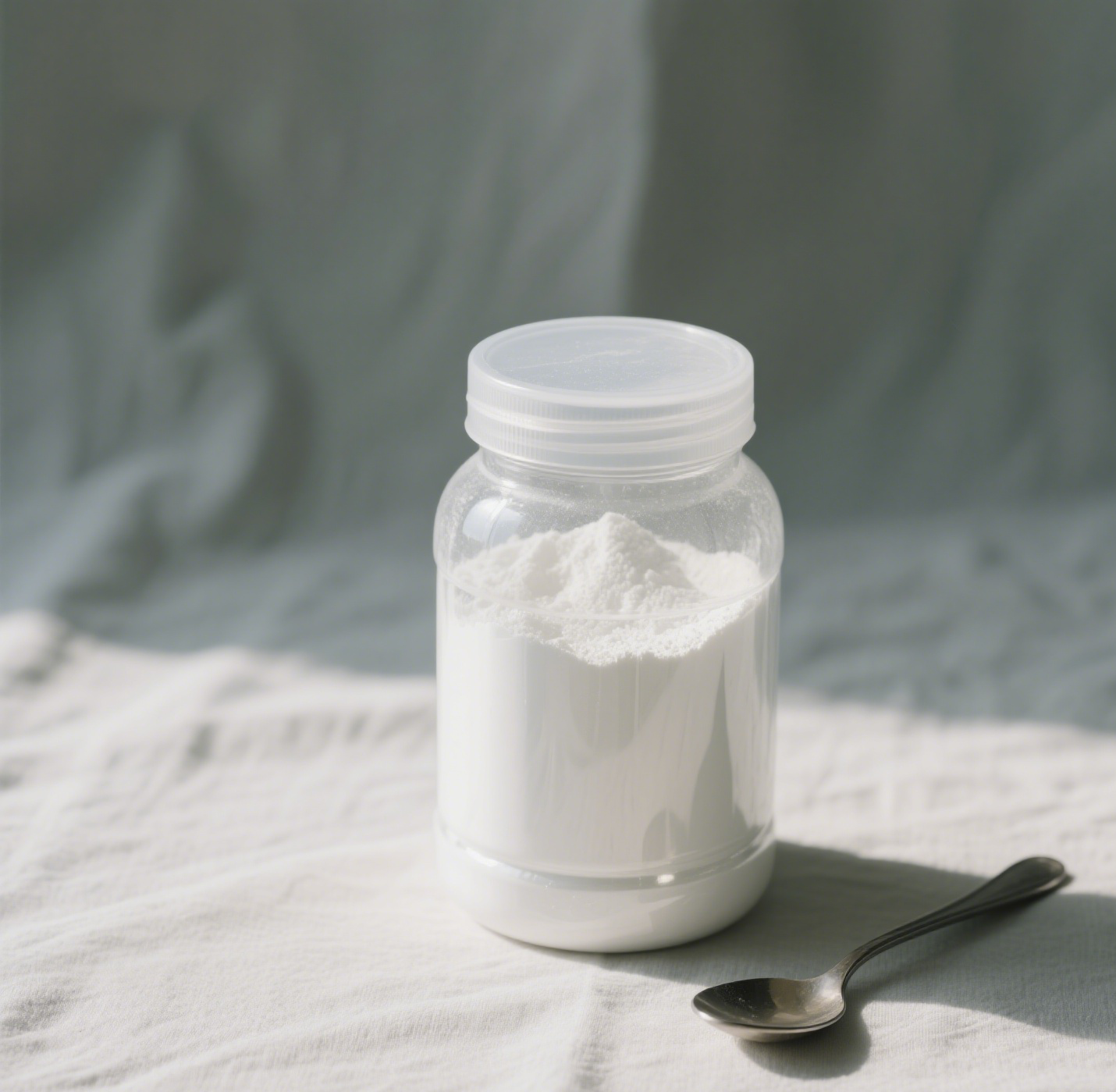
תלוש תפוח אדמה משמש כמרכיב טרנספורמטיבי ביישומי מאפייה וקונדיטוריה, ומציע תכונות פונקציונליות ייחודיות שיכולות לשפר משמעותית את איכות המוצר, את הטקסטורה שלו ואת תקופת המאגר שלו. תלוּש זה, שמקורו בטפוחי אדמה, מספק לייצרני מזון יכולת הדבקה משופרת, שמירה מעולה על לחות ויציבות מבנית משופרת במגוון מוצרים של מאפייה וקונדיטוריה. כדי להבין כיצד תלוש תפוח אדמה משפר מוצרים אלו, יש לבחון את מנגנוני הפעולה הספציפיים שלו ואת היישומים המעשיים שלו בייצור מזון מסחרי.
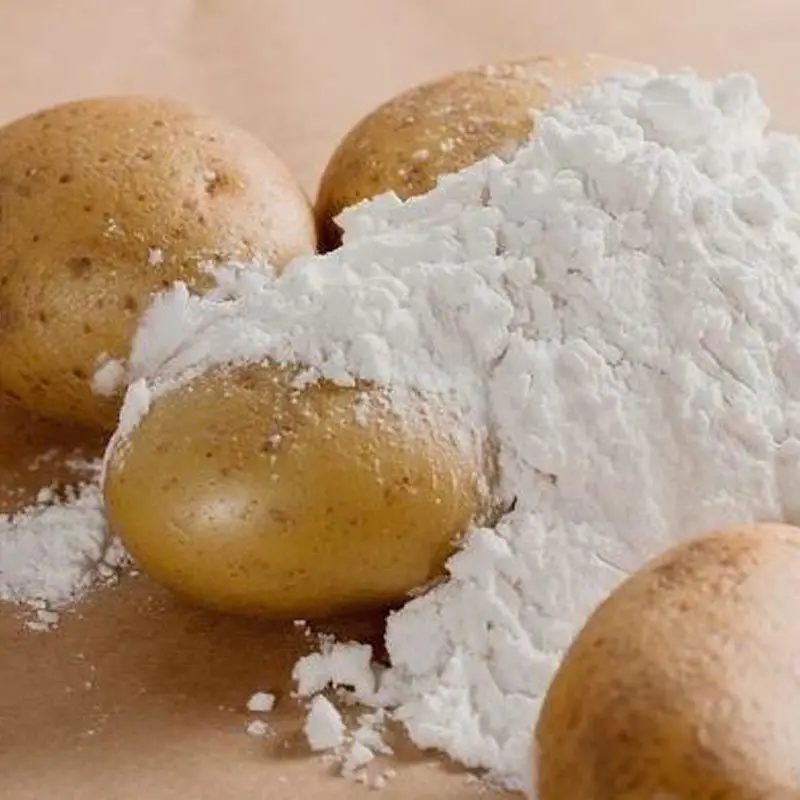
יכולות השיפור של עמילן תפוחי אדמה נובעות מהמבנה המולקולרי הייחודי שלו ומאפייניו הפונקציונליים המבדילים אותו מעמילנים אחרים הנפוצים בייצור מזון. כאשר הוא משולב כראוי בתכשירי מאפה וממתקים, עמילן תפוחי אדמה יוצר עקביות מוצר משופרת, אטרקטיביות משופרת לצרכן וכדאיות מוצר מורחבת בשווקים תחרותיים. טכנולוגי מזון מכירים יותר ויותר בעמילן תפוחי אדמה כפתרון רב-תכליתי להתמודדות עם אתגרי ייצור נפוצים תוך שמירה על דרישות תווית נקייה שדורשות צרכנים מודרניים.
המנגנונים הפונקציונליים של תבלית תפוחי אדמה באפייה מוצרים
ניהול ושמירה על רטיבות
תלוש תפוחי אדמה משפר מוצרי מאפה בעיקר בזכות יכולותיו המדהימות לניהול רטיבות, אשר משפיעות ישירות על טריות המוצר והסיפוק של הלקוחות. מולקולות התלוש יוצרות רשת מגנה שמאחזרת את הרטיביות בתוך מטריצת המוצר, ומניעה אובדן מהיר של רטיבות שגורם לקשיחות ולפירוק הטקסטורה. מנגנון השמירה על הרטיביות הזה מאפשר לאופים לייצר מוצרים עם תקופת מדף ארוכה יותר, תוך שמירה על טקסטורה רכה ונעימה שאותה צופים הצרכנים במוצרים טריים של מאפה.
הטבע ההיגרוסקופי של תחמורת תפוחי אדמה מאפשרת לה ספיגה ואגירה כמות משמעותית של מים בתהליכי הערבוב והאפייה. יכולת הקישור למים הזו יוצרת מבנה פנימי יציב יותר שמתנגד ליצירת גבישים קרח במהלך הקיפאון ומשמרת גמישות במהלך תנודות טמפרטורה. יצרני מאפים המשתמשים בתחמורת תפוחי אדמה בתוספותיהם צופים לעתים קרובות בירידה בהחזרות מוצרים עקב יובש ובהשפרת דירוגי שביעות הרצון של הלקוחות באיכות המרקם.
מאפיות מסחריות המטמיעות פתרונות של תחמורת תפוחי אדמה משיגות בדרך כלל שיפור באחוזי השימור של הלחות ב-15–20% בהשוואה לתוספות המשתמשות בתחמורת חיטה קונבנציונלית בלבד. שיפור זה מתורגם ישירות לחסכונות עלות באמצעות הפחתת בזבוז, הארכת חלונות ההתפלגות והשפרת עמדת המוצר בסביבות קמעונאיות תחרותיות, שבהן תחושת החידוש היא הגורם המכריע בהחלטות הקנייה.
שיפור מבני ויכולות קישור
התכונות הקושרות של תבלית תפוחי אדמה יוצרות רשתות גלוטן חזקות יותר במוצרים מבוססי חיטה, ובמקביל מספקות תמיכה מבנית במוצרים ללא גלוטן. במהלך תהליך העריסה, גרגרי התבלית מתנפחים ומשחררים מולקולות אמיילוז ואמיlopeקטין שמתערבבות עם מרכיבים אחרים ויוצרות מערכות בצק קוהרנטיות. פעולה קושרת זו מפחיתה את הפוריות ומייצרת מבנה פתי-לחם אחיד יותר, המשפר הן את המראה והן את איכות האכילה של המוצרים הסופיים.
במוצרים מגוררים בשמיר, אבקת תפוחי האדמה תורמת לשימור הגז בתהליך ההתחמצנות, מה שמביא להגבהה משופרת ולמבנה תא אחיד יותר בכל המוצר האפויה. התבלית יוצרת סרטים גמישים סביב пузыרי הגז, ומונעת את קריסתם במהלך האפייה, ויוצרת טקסטורה קלה ואוירית שצרכנים מקשרים למוצרי לחם ומאפים באיכות גבוהה. מנגנון זה מוכיח ערך מיוחד בסביבות ייצור אוטומטיות, שבהן תוצאות אחידות חיוניות לשמירה על مواדי המוצרים.
אופים מקצועיים מדווחים ששליבת תחמוצת תפוחי אדמה מפחיתה בעיות בהפעלת הבצק, כגון קריעות ודביקות, תוך שיפור היכולת לעבד אותו בתהליכי ייצור מסחריים. מאפייני הקישור המשופרים מאפשרים קווי ייצור יעילים יותר עם הפסקות קצרות יותר לניקוי ותחזוקת הציוד, מה שתרם לייעול הפעולה בסביבות ייצור נפוץ.
יישומים להגברה בייצור ממתקים
שינוי kếtש בפריטים גומיים וג'ל
תבלית תפוחי אדמה משנה את טקסטורת הממתקים על ידי סיפוק היצירת ג'ל מבוקרת וגמישות בממתקי גומי, בקינדרס פירות ובמוצרים דומים מבוססי ג'ל. התבלית יוצרת תחושת פה חלקה ואחדות תוך שמירה על האיכות החשופה שצפויה מהצרכנים מהקטגוריות של מוצרים אלו. בניגוד לסוכני ג'ל סינתטיים, תבלית תפוחי אדמה מספקת תפקוד טבעי שמתאים למשאלות של תוויות נקיות, ומספקת שליטה מمتازة בטקסטורה לאורך כל תהליך הייצור.
עוצמת הגל שנוצרת על ידי תמחיס תפוחי אדמה מאפשרת לייצרני ממתקים להשיג רמות קשיחות רצויות ללא פגיעה בגמישות או יצירת שבריריות לא רצויה. איזון זה הוא קריטי בתהליכי אריזה אוטומטיים, שבהם המוצרים חייבים לסבול מלחץ מכני תוך שמירה על הצורה והטקסטורה המיועדות שלהם. יצרנים המשתמשים בתמחיס תפוחי אדמה בתרכובות גומי-לIKE בדרך כלל צופים בשיעורי שבירה נמוכים יותר במהלך האריזה וההובלה, מה שמביא להגבהת ההצגה של המוצר ברמת הקמעונאי.
יציבות בטמפרטורה מהווה יתרון משמעותי נוסף של תמחיס תפוחי אדמה ביישומים בממתקים, כיוון שהתמחיס שומר על התכונות הפונקציונליות שלו בטווח הטמפרטורות הנפוץ בתהליכי הייצור, האחסון והצריכה. יציבות תרמית זו מבטיחה ביצוע עקבי של המוצר ללא תלות בשינויי טמפרטורה עונתיים או בתנאי האחסון בשווקים גאוגרפיים שונים.
יישומים לקישוט ולחיפוי
תבלית תירס משמשת כסוכך וסוכך אפקטיבי בייצור ממתקים, ומונעת הדבקות במהלך הייצור תוך כדי סיפוק מראה חלק על פריטים מצופי שוקולד, קראמלים ופריטים דומים. גודל החלקיקים הדק והפרופיל הנייטרלי טעם של תבלית תירס הופכים אותה לאידיאלית ליישומים שבהם הסוכך חייב להישאר בלתי נראה לצרכנים, תוך כדי סיפוק יתרונות פונקציונליים חיוניים בתהליכי הייצור והאריזה.
בפעולות עיטוף שוקולד, תרומת התפוח האדמה יוצרת שכבת מחסום שמונעת את מigrations הלחות בין המרכזים לקליפות, מה שמעלים את תקופת המגורים ומשמר את איכות המוצר לאורך ערוצי ההתפלגות. פונקציית המחסום הזו נמצאת בדרגת חשיבות מיוחדת באקלימים לחים או במהלך תנודות טמפרטורה עונתיות שיכולות לגרום לבעיות איכות במוצרים קונדיטוריה רגישים. יצרנים דיווחו על הפחתה משמעותית בפגמים במוצרים ובתלונות לקוחות כאשר הם משלבים תרומת תפוח אדמה במערכות הקליפה שלהם.
התכונות האנטי-אגרוגציה של תרומת התפוח האדמה מונעות הצטברות במהלך טיפול קבוצתי ואחרון, ומביאות להקפדה על גודל חלוקה אחיד ושיפור ההצגה בחבילות קמעונאיות. תפקוד זה מפחית את פסולת הייצור ומשפר את היעילות בשורות אריזה מהירות, שבהן עקביות זרימת המוצר משפיעה ישירות על קצב היצוא ותקני האיכות.
שיפור האיכות באמצעות אופטימיזציה של הנוסחה
טכניקות שינוי תחמוצת הקטניות ליישומים ספציפיים
גרסאות מושלבות של תחמוצת תפוחי אדמה מציעות פונקציונליות משופרת ליישומים מיוחדים בתחום האפייה והמתוקים, ונותנות ליצרנים שליטה מדויקת בתכונות מסוימות של המוצר. תחמוצת תפוחי אדמה מעובדת בקישור חוצה מספקת יציבות משופרת בתנאי עיבוד בטמפרטורות גבוהות, תוך שימור היתרונות הטבעיים של התחמוצת הלא מעובדת. שינויים אלו מאפשרים לטכנולוגים במזון להתמודד עם אתגרים ספציפיים כגון יציבות לקפיאה והפשרה במוצרי אפייה קפואים או דרישות עיבוד בטמפרטורות גבוהות ביישומים מסוימים בתחום המתוקים.
תבלית תפוחי אדמה אצטילציה מספקת שקיפות משופרת ויציבות בישומים קולקציוניים שקופים כגון ג'לים שקופים וציפויים. השינוי הזה שומר על היתרונות הפונקציונליים של תבלית התפוחי אדמה הלא מומגת, תוך הצעת שיפור במראה החיצוני של המוצרים בהם שקיפות וברק הם מאפייני איכות חשובים. יצרני קולקציות המשתמשים בתבלית תפוחי אדמה אצטילציה דיווחו על שיפור בדירוגי המראה של המוצר בבדיקות צרכניות, ועל שיפור בהצלחה בשוק במקומות מכירה תחרותיים.
תבלית תפוחי אדמה הידרוקסיפרופילציה מציעה יציבות משופרת למחזורים של הקפאה והפשרה, וכן טקסטורה משופרת במוצרי מאפה מקררים ומוקפאים. שינוי זה הוכח כבעל ערך מיוחד לייצרנים המייצרים מוצרים עם שרשרת הפצה ארוכה או דרישות לאחסון עונתי. מאפייני היציבות המשופרים מפחיתים את השינויים באיכות המוצר ותומכים בחוויית צרכן עקבית, ללא תלות בתנאי האחסון והטיפול לאורך שרשרת האספקה.
אפקטים סינרגיסטיים עם רכיבים אחרים
תמחית תפוחי אדמה מפגינה תאימות מעולה עם רכיבים פונקציונליים אחרים הנפוצים ביישומים של מאפיות וסוכריות, ויוצרת אפקטים סינרגיים שמשפרים את הביצוע הכולל של המוצר. בעת שילוב עם הידרוקרלואידים כגון גום קסנטן או גום גואר, תמחית תפוחי אדמה יוצרת מערכות טקסטורה משופרות המספקות יתרונות איכותיים גם מיידיים וגם מתמשכים. שילובים אלו מאפשרים למפתחי המתכונים להשיג יעדי טקסטורה ספציפיים תוך שמירה על התאמה לדרישות תוויות נקיות (clean label) ועל עמדת המרכיבים הטבעיים.
האינטראקציה בין תחמורת תפוחי אדמה ופרוטאины חלב יוצרת קישור משופר ושימור רטיבות במוצרים עם קרם וממתקים מבוססי חלב. סינרגיה זו משפרת את האינטגריות המבנית במהלך התהליך, תוך שמירה על טקסטורות חלקות וקרמיות שצרכנים מקשרים למוצרים באיכות פרימיום. יצרנים דיווחו על שיפור ביעילות הייצור ופחת בשינויים באיכות בעת אופטימיזציה של האינטראקציות בין הרכיבים הללו בתוספות שלהם.
יישומים להפחתת שומן נהנים במידה רבה מאינטגרציה של תחמורת תפוחי אדמה, כיוון שהתחמורת משפרת את תחושת הפה שמקללת על הפחתת תוכן השומן ללא פגיעה בקבלת הצרכן. תפקוד זה תומך בפיתוח מוצרים בריאותיים תוך שמירה על התכונות הנשיות שמעוררות ביקוש ממתקים ואפייה בשווקים תחרותיים.
יתרונות ייצור ושיפורים בתהליכים
שיפור יעילות ייצור
השילוב של תחמוצת תפוח אדמה משפר את יעילות היצור באמצעות שיפור מאפייני הטיפול בצמיג וצמצום השונות בייצור בפעולות אופניים מסחריות. היכולת המורחבת לעבוד עם צמיג שכולל תחמוצת תפוח אדמה מפחיתה את הסחיפה והדרישות לתיקונים של המכונות, ובמקביל מאפשרת מהירויות ייצור גבוהות יותר ללא פגיעה באיכות. יתרונות תפעוליים אלו מתורגמים ישירות לחסכונות בהוצאות ולשיפור הרווחיות לייצרנים בעלי נפח גבוה הפועלים בשוק תחרותי.
מאפייני הביצועים הקבועים של תחמוצת תפוחי אדמה מפחיתים את הצורך בהתאמות נוסחה עקב השינוייות ברכיבים, ותומכים בתהליכי ייצור סטנדרטיים במתקנים רבים לייצור. עקביות זו הופכת לערך מיוחד לייצרנים גדולים ששמורים על סטנדרטי איכות באזורים גאוגרפיים שונים ושינויים עונתיים בתכונות החומר הגלמי. מחלקות בקרת האיכות דיווחו על ירידה במספר הדחיות של מנות ועל הפחתה בדרישות לבדיקות כאשר תחמוצת תפוחי אדמה מוטמעת כראוי במערכות הייצור.
שיפורים בכفاءת האנרגיה נובעים לעתים קרובות משימוש בתחמוצת תפוחי אדמה, מאחר שהשימור המוגבר של לחות מקצר את זמני האפיה ומחזיר את דרישות הטמפרטורה ביישומים מסוימים. חסכונות אלו באנרגיה תורמים למטרות הקיימות, ובמקביל מפחיתים את עלויות הפעלה, ותומכים הן במטרות הסביבתיות והן ברווחיות העסקיים בסביבת ייצור מתחרה יותר ויותר.
יתרונות בשליטה באיכות ובתדירות
תלוש התפוח האדמה תורם לשליטה משופרת באיכות באמצעות היכולת המנתחת שלו והמאפיינים הקבועים של ביצועיו בתנאי ייצור משתנים. היציבות הטבעית של תלוש התפוח האדמה מפחיתה את ההשפעה של תנודות קטנות בטמפרטורה וברטיבות על איכות המוצר הסופי, ותומכת בתוצאות עקביות גם במהלך תקופות ייצור מאתגרות או מעברי מתקנים. צוותי הבטחת האיכות מדווחים על פגמים פחות בדרישות המפרטים ועל שיפור יכולות השליטה בתהליך כאשר תלוש התפוח האדמה מוטמע במערכות הנוסחה.
הטבות הסטנדרטיזציה מתרחבות לתכונות המוצר הסופי, כיוון שתפוח אדמה קשוח עוזר לשמור על עקביות בטקסטורה, במראה ובתקופת המגורים של המוצרים לאורך כל סדרות הייצור. עקביות זו תומכת במוניטין המותג ובהגמוניות הלקוחות, ובמקביל מפחיתה תלונות לקוחות והחזרות מוצרים שעשויות לפגוע ברווחיות והמיקום השוקי. שותפי הקמעונאות מעדיפים לעתים קרובות מוצרים עם מאפייני איכות עקביים, מה שמייצר יתרונות תחרותיים ליצרנים המשתמשים במערכות יעילות של קשוח תפוח אדמה.
הטבות הניתנות למערכת מעקב ודוקומנטציה נובעות מהשרשרת האספקה המוכרת היטב והתקנים האיכותיים המשויכים לייצור מסחרי של קשוח תפוח אדמה. יצרני מזון יכולים לקיים את דרישות התקנות ואת דרישות הלקוחות בקלות רבה יותר כאשר הם משתמשים ברכיבים שמתלווים לדוקומנטציה מקיפה ולרשומות בטיחות מוכחות, דבר התומך במטרות ההתאמה להוראות ובהישגים של ניהול הסיכונים בסביבות ייצור מזון נתונות לרגולציה.
שאלה נפוצה
מה הופך את תבלית התפוחים לייעילה יותר מאחרות התבליטות ביישומים אופניים?
תבלית התפוחים מציעה שימור מים מעולה, טעם נייטרלי ותכונות הדבקה משופרות בהשוואה לתבלית תירס או חיטה. גודל הגרגירים הגדול יותר של תבלית התפוחים והצמיגות המרבית הגבוהה שלה יוצרים טקסטורה טובה יותר ואריכת מועד פג תוקף במוצרי אפייה, תוך שמירה על פעילות טבעית שתומכת בדרישות תווית נקייה, אשר צובאות באופן גובר על ידי הצרכנים וסביבות הרגולציה.
איך תבלית התפוחים משפרת את מועד פג התוקף של מוצרי ממתקים?
תבלית התפוחים מאריכה את מועד פג תוקף של מוצרי ממתקים באמצעות ניהול רמת הרטיבות, מניעת היצירת גבישים ויצירת סרטים מגנים שמניעים דעיכה באיכות. התבלית שומרת על גמישות המוצר ומונעת קשיחות, ובמקביל מגנה מפני מиграציית לחות שיכולה לגרום לשינויים בטקסטורה ודeterיאציה באיכות במהלך האחסון וההפצה.
האם ניתן להחליף תבלית תפוחים בסוכני עיבוי אחרים ביישומים אופניים?
תלוש תפוחי אדמה יכול להחליף ביעילות את מרבית סוכני העיבוי המסורתיים תוך כדי שנותן יתרונות פונקציונליים נוספים, כגון שיפור יציבות הקפאה-הפשרה ושיפור האיכות החיצונית. עם זאת, הצלחת ההחלפה דורשת התאמת מתאימה של הנוסחה כדי לשקף את ההבדלים בבליעת המים, בהתפתחות הצמיגות ובאינטראקציה עם מרכיבים אחרים ביישומים מסוימים של המוצר.
מה הם רמות השימוש הסטנדרטיות לתלוש תפוחי אדמה בייצור מסחרי של מאפים וסוכריות?
רמות השימוש המסחריות נעות בדרך כלל בין 2% ל-8% ממשקל הקמח ביישומי מאפים ובין 5% ל-15% בנוסחאות סוכריות, בהתאם לפונקציונליות הרצויה ולדרישות הספציפיות של המוצר. הרמות האופטימליות משתנות בהתאם לסוג המוצר, תנאי העיבוד והיעדים האיכותיים, ולכן נדרשת בדיקת נוסחאות כדי לקבוע את רמות השימוש היעילות ביותר ליישומים הספציפיים.