 EN
EN

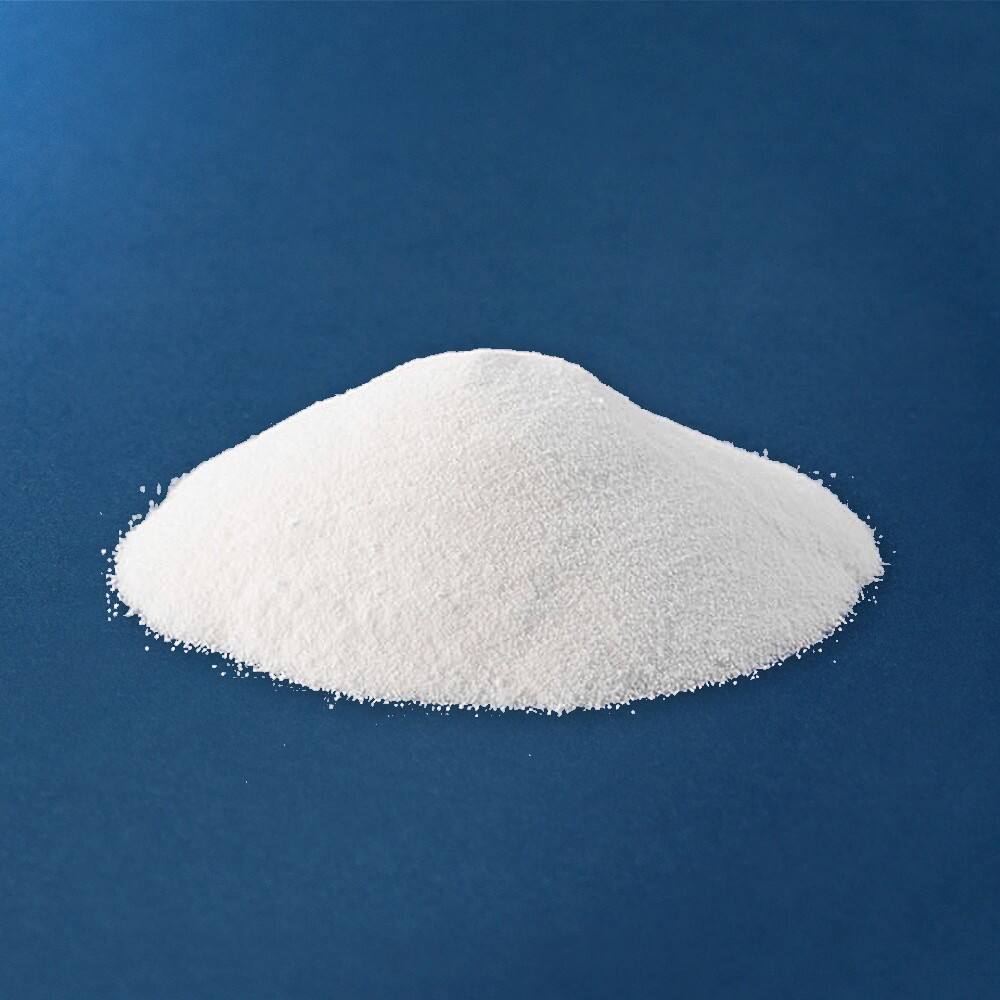
Determining the right timing for sodium tripolyphosphate application in meat processing requires understanding specific product conditions, processing stages, and desired outcomes. This phosphate compound serves as a critical additive when meat products need enhanced water retention, improved texture, and extended shelf life, but its effectiveness depends heavily on proper timing during the production cycle.

The decision to incorporate sodium tripolyphosphate into meat formulations hinges on several timing-related factors including meat pH levels, protein extraction requirements, moisture content objectives, and final product specifications. Understanding these temporal considerations ensures optimal functional performance while maintaining product quality and regulatory compliance throughout the manufacturing process.
Critical Processing Windows for Sodium Tripolyphosphate Application
Pre-Grinding Integration Phase
The most effective timing for sodium tripolyphosphate addition occurs during the initial stages of meat processing, specifically before mechanical breakdown begins. This early integration allows the phosphate to interact with muscle proteins while their structure remains relatively intact, maximizing protein extraction and water-binding capacity. During this phase, muscle fibers maintain their natural orientation, enabling sodium tripolyphosphate to penetrate uniformly throughout the meat matrix.
Fresh meat products benefit significantly from sodium tripolyphosphate application within the first 24 to 48 hours post-slaughter, when protein functionality remains at peak levels. The compound works most effectively when muscle pH levels range between 5.8 and 6.2, conditions typically present during this early processing window. Temperature control during this phase proves crucial, as sodium tripolyphosphate performs optimally when meat temperatures remain between 32°F and 40°F.
Processing facilities should introduce sodium tripolyphosphate before any significant mechanical manipulation occurs, allowing sufficient contact time for protein solubilization. This timing strategy prevents protein denaturation that could compromise the phosphate's functional benefits and ensures uniform distribution throughout the raw material.
Mixing and Blending Stage Considerations
During the mixing phase, sodium tripolyphosphate requires adequate time to dissolve completely and interact with meat proteins before additional ingredients enter the formulation. This dissolution period typically spans 3 to 5 minutes under proper mixing conditions, allowing the phosphate to begin its protein extraction process. Rushed mixing schedules often result in uneven distribution and reduced functional performance.
The sequence of ingredient addition becomes critical when sodium tripolyphosphate is involved, as certain compounds can interfere with its protein-binding mechanisms. Salt addition should occur simultaneously or immediately after sodium tripolyphosphate introduction, creating synergistic effects that enhance protein extraction. Other additives including spices, fillers, and secondary phosphates should be introduced only after the primary phosphate has established its protein matrix interactions.
Mixing intensity and duration require careful calibration when sodium tripolyphosphate is present, as excessive mechanical action can disrupt newly formed protein networks. The compound needs sufficient time to create stable protein gels while avoiding overmixing that could break down these beneficial structures.
Product-Specific Timing Requirements
Fresh Sausage and Ground Meat Applications
Fresh sausage production demands precise timing for sodium tripolyphosphate addition to achieve optimal texture and moisture retention. The compound should be introduced immediately after initial grinding but before final size reduction, allowing protein extraction to occur during subsequent processing steps. This timing ensures that extracted proteins can form effective binding matrices while maintaining the desired product texture.
Ground meat products benefit from sodium tripolyphosphate application during the coarse grinding stage, typically when meat pieces measure 1/2 inch or larger. This timing allows the phosphate to begin protein solubilization before final particle size reduction, creating stronger protein networks that improve product cohesion and reduce moisture loss during cooking.
The holding time between sodium tripolyphosphate addition and final processing should not exceed 4 to 6 hours for fresh products, as extended exposure can lead to excessive protein extraction and mushy textures. Temperature maintenance during this holding period becomes critical for both food safety and functional performance.
Cured and Processed Meat Timing
Cured meat products require coordinated timing between sodium tripolyphosphate addition and curing agent introduction to prevent chemical interactions that could compromise either function. The phosphate should be added first, allowing 10 to 15 minutes for initial protein interaction before introducing sodium nitrite or other curing compounds. This sequence prevents potential pH conflicts that could reduce the effectiveness of either additive.
Extended cure cycles benefit from sodium tripolyphosphate application early in the process, allowing the compound to work throughout the curing period while proteins undergo controlled denaturation. The phosphate helps maintain moisture levels during extended processing times while supporting the development of desired texture characteristics.
Ham and whole muscle products require injection timing that coordinates sodium tripolyphosphate distribution with tumbling or massaging schedules. The compound should be introduced through brine injection followed by immediate mechanical action to ensure uniform distribution and optimal protein extraction throughout the muscle structure.
Environmental and Storage Conditions Affecting Timing
Temperature-Dependent Application Windows
Temperature conditions significantly influence when sodium tripolyphosphate should be applied to meat products, as thermal effects directly impact protein solubility and phosphate activity. Cold processing environments between 28°F and 35°F provide optimal conditions for sodium tripolyphosphate function, allowing gradual protein extraction without excessive denaturation. Higher temperatures accelerate phosphate activity but may compromise protein quality through premature gelation.
Seasonal variations in processing plant temperatures require adjusted timing schedules for sodium tripolyphosphate application. Summer processing often demands earlier phosphate addition to account for accelerated reaction rates, while winter conditions may require extended contact times to achieve equivalent results. Processing equipment temperature control becomes crucial for maintaining consistent sodium tripolyphosphate performance regardless of ambient conditions.
Frozen meat applications require specific thaw timing to coordinate with sodium tripolyphosphate addition. The compound performs best when added to partially thawed meat that retains some ice crystal structure, typically when internal temperatures reach 26°F to 30°F. This timing allows gradual protein interaction as thawing continues while preventing excessive moisture loss.
pH Level Considerations for Timing
Meat pH levels fluctuate during post-mortem aging, creating specific windows when sodium tripolyphosphate achieves maximum effectiveness. Fresh meat with pH levels between 6.0 and 6.4 provides ideal conditions for phosphate activity, while lower pH levels may require pH adjustment before sodium tripolyphosphate addition. Monitoring pH trends helps determine optimal application timing for specific meat lots.
Dark, firm, dry (DFD) meat conditions with elevated pH levels above 6.0 often benefit from immediate sodium tripolyphosphate application, as the alkaline environment enhances protein extraction. Conversely, pale, soft, exudative (PSE) conditions with low pH levels may require delayed application until pH stabilization occurs.
pH adjustment timing must coordinate with sodium tripolyphosphate addition to prevent chemical conflicts. Alkaline phosphates used for pH adjustment should be added before sodium tripolyphosphate, allowing pH stabilization before the primary phosphate begins its protein extraction function.
Quality Control and Performance Monitoring
Real-Time Assessment Indicators
Effective sodium tripolyphosphate timing requires continuous monitoring of protein extraction indicators during processing. Visual assessment of protein gel formation typically begins 5 to 10 minutes after phosphate addition, with successful extraction evidenced by increased surface tackiness and improved bind characteristics. Processing personnel should monitor these changes to ensure optimal timing for subsequent processing steps.
Texture analysis during processing helps determine whether sodium tripolyphosphate timing achieved desired results. Properly timed applications produce measurable improvements in water-holding capacity within 15 to 20 minutes, while delayed or rushed applications may show minimal functional benefits. These real-time assessments guide immediate processing adjustments when timing proves suboptimal.
Moisture retention testing provides quantitative feedback on sodium tripolyphosphate timing effectiveness. Products processed with optimal timing typically show 2 to 4 percent improvement in cook yield compared to untreated controls, with measurements available within 30 minutes of processing. This rapid feedback enables timing adjustments for subsequent production batches.
Troubleshooting Timing-Related Issues
Common timing errors with sodium tripolyphosphate application include premature addition before adequate temperature control, delayed addition after protein denaturation, and insufficient contact time before subsequent processing. Each error produces distinct quality defects that help identify timing problems for future correction. Early recognition of these patterns enables proactive timing adjustments.
Corrective measures for timing mistakes depend on the specific error and processing stage when problems are identified. Late sodium tripolyphosphate addition may be partially compensated through extended mixing times or modified processing temperatures, though optimal results require proper initial timing. These corrections provide temporary solutions while processing schedules are adjusted for subsequent batches.
Documentation of timing variations and resulting product quality creates valuable databases for optimizing future applications. Processing facilities should track sodium tripolyphosphate addition times against final product characteristics to identify optimal timing windows for specific meat types and processing conditions.
FAQ
How long should you wait after adding sodium tripolyphosphate before continuing processing?
Wait 3 to 5 minutes after adding sodium tripolyphosphate to allow complete dissolution and initial protein interaction. This contact time ensures the phosphate begins protein extraction before additional processing steps that could disrupt the binding mechanism. Longer contact times may be beneficial for tough cuts or high-pH meat conditions.
Can you add sodium tripolyphosphate to frozen meat directly?
Sodium tripolyphosphate works best when added to partially thawed meat rather than completely frozen products. The ideal application point occurs when meat reaches 26°F to 30°F internal temperature, allowing gradual protein interaction as thawing continues. Completely frozen meat prevents proper phosphate distribution and protein extraction.
What happens if sodium tripolyphosphate is added too late in the process?
Late sodium tripolyphosphate addition results in reduced protein extraction, poor water retention, and inferior texture development. Once proteins have been mechanically damaged or denatured through processing, the phosphate cannot achieve its full functional benefits. Products may show minimal improvement compared to untreated controls when timing is significantly delayed.
Should sodium tripolyphosphate be added before or after salt in meat processing?
Sodium tripolyphosphate and salt should be added simultaneously or with salt following immediately after phosphate addition. This sequence creates synergistic effects that enhance protein extraction while preventing chemical conflicts. Adding salt first can interfere with phosphate solubility and reduce its effectiveness in protein binding applications.
Table of Contents
- Critical Processing Windows for Sodium Tripolyphosphate Application
- Product-Specific Timing Requirements
- Environmental and Storage Conditions Affecting Timing
- Quality Control and Performance Monitoring
-
FAQ
- How long should you wait after adding sodium tripolyphosphate before continuing processing?
- Can you add sodium tripolyphosphate to frozen meat directly?
- What happens if sodium tripolyphosphate is added too late in the process?
- Should sodium tripolyphosphate be added before or after salt in meat processing?