 EN

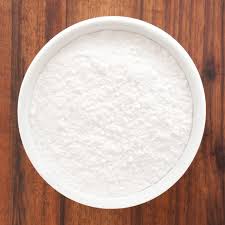
Titanium dioxide has long been the standard whitening and opacifying agent in food manufacturing, but the shift toward safer alternatives has accelerated dramatically over the past five years. Food manufacturers worldwide are now evaluating tio2 replacement solutions that deliver comparable visual performance without regulatory uncertainty or consumer hesitation. Understanding how these substitutes function is essential for maintaining product quality, shelf appeal, and market competitiveness in an increasingly scrutinized regulatory environment.
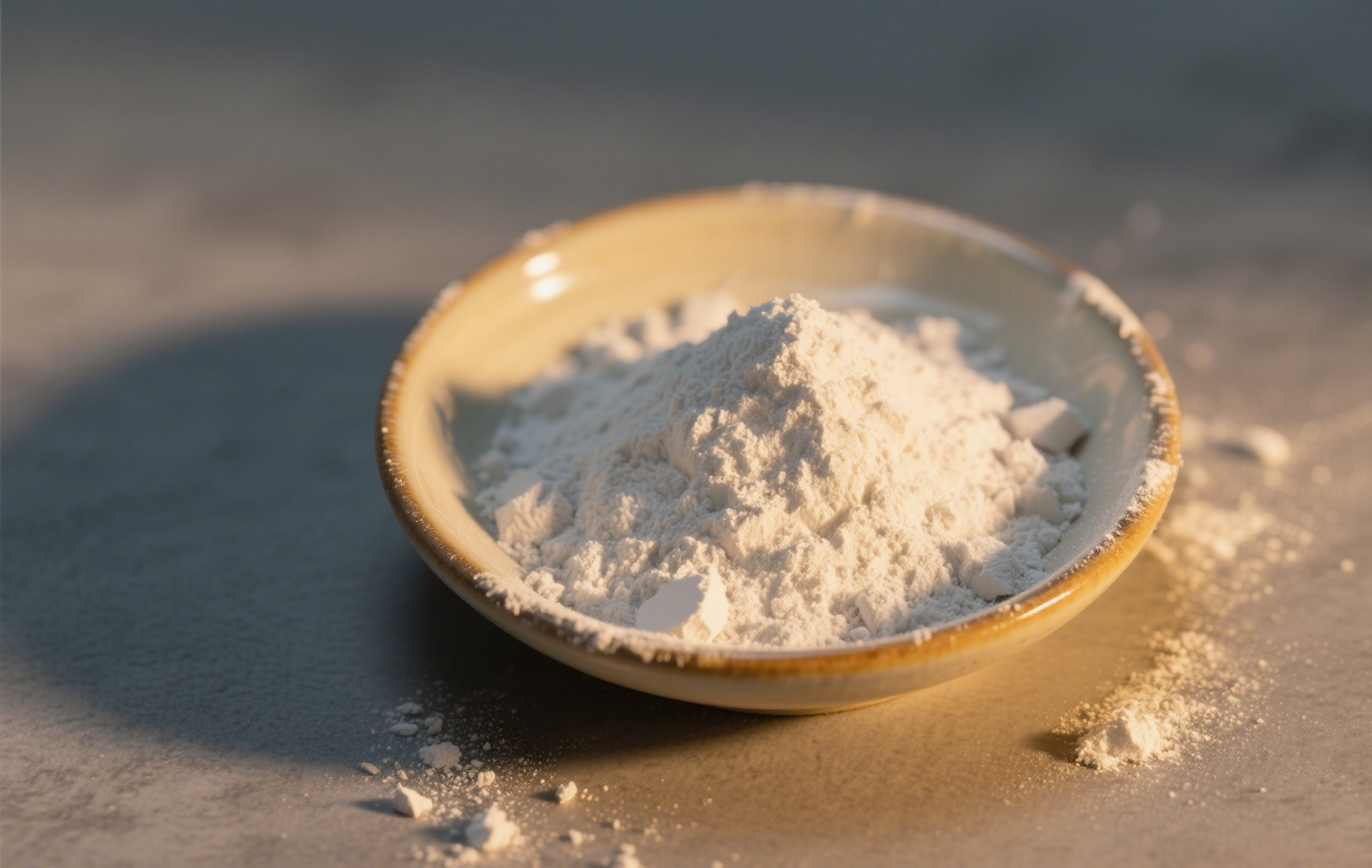
Modern tio2 replacement strategies combine multiple functional ingredients to replicate the optical and chemical behavior of traditional titanium dioxide. These formulations address not only visual brightness and opacity but also product stability during storage, processing, and transport. The right tio2 replacement approach ensures that food manufacturers can maintain consumer expectations while reducing regulatory risk and responding to clean-label demand.
Visual Performance and Brightness Enhancement
Achieving Opacity Without TiO2
The primary challenge in any tio2 replacement program is replicating opacity and whiteness without the mineral's unique light-scattering properties. Calcium carbonate and synthetic silica-based compounds serve as foundational replacements in many tio2 replacement formulations. These minerals scatter light effectively across visible wavelengths, though they often require higher concentrations than titanium dioxide to achieve equivalent brightness levels. Food technologists typically combine these base minerals with secondary opacifying agents to optimize tio2 replacement performance while minimizing raw material costs.
Particle size and distribution critically influence how well a tio2 replacement system performs in food applications. Engineered particles optimized for light scattering at 400–500 nanometers create superior whiteness perception compared to randomly sized mineral powders. The most effective tio2 replacement solutions employ proprietary milling and surface treatment technologies to ensure consistent visual results across production batches. This precision engineering distinguishes premium tio2 replacement products from commodity mineral fillers that may cause uneven coloration or poor stability.
Color Consistency and Application Stability
Maintaining consistent color and appearance across product shelf life requires tio2 replacement systems that resist interaction with other ingredients, processing conditions, and environmental factors. Coated mineral formulations provide better protection against chemical reactions during thermal processing or extended storage. A robust tio2 replacement solution prevents yellowing, browning, or separation that would compromise product appeal and consumer confidence. Industrial food producers report that optimized tio2 replacement ingredients maintain visual consistency even in challenging matrices such as acidic dairy products, high-fat confectionery, or pigment-rich formulations.
pH sensitivity poses a subtle but important consideration in tio2 replacement selection. Unlike titanium dioxide, many mineral-based replacements exhibit varying performance across the pH spectrum, particularly in acidic beverages or fermented foods. Experienced formulators choose tio2 replacement ingredients with documented stability across the full pH range of their intended applications. This careful ingredient selection prevents unexpected visual deterioration and ensures the tio2 replacement system performs as designed throughout product development and commercial production.
Functional Stability and Shelf Life Extension
Moisture Control and Texture Preservation
Beyond visual appeal, tio2 replacement systems must protect product stability by managing moisture content and preventing texture degradation. Hydrophobic-treated mineral surfaces in advanced tio2 replacement formulations reduce moisture migration and maintain product crumb structure in baked goods or texture integrity in powdered products. The surface chemistry of tio2 replacement ingredients directly impacts how they interact with fats, proteins, and carbohydrates within the food matrix. Properly designed tio2 replacement solutions act as functional stabilizers that preserve mouthfeel, texture consistency, and sensory quality throughout the product lifecycle.
Oxidation prevention represents another critical function of modern tio2 replacement systems. Traditional titanium dioxide offers some antioxidant properties that manufacturers often overlooked until switching to alternatives. Contemporary tio2 replacement formulations frequently incorporate secondary ingredients such as phosphates or silicates that provide oxidation resistance comparable to titanium dioxide. This multifunctional approach to tio2 replacement ensures that manufacturers do not inadvertently reduce product shelf life or nutritional stability when making ingredient transitions.
Microstructure and Particle Behavior
The microstructural behavior of tio2 replacement particles influences how they distribute, settle, and interact with surrounding food components during manufacturing and storage. Engineered tio2 replacement systems with optimized particle size distribution resist settling and separation that would create visual defects or inconsistent product quality. Advanced formulations employ silica coatings or other surface treatments to ensure tio2 replacement particles remain uniformly dispersed even in high-stress processing environments such as extrusion, high-pressure homogenization, or thermal sterilization.
Compatibility with processing equipment and sanitation protocols represents a practical but often underestimated factor in tio2 replacement success. Some mineral-based alternatives create buildup or adherence to processing surfaces, while others may compromise equipment seals or sensor accuracy. The most reliable tio2 replacement solutions integrate seamlessly into existing production workflows without requiring equipment modification or specialized cleaning procedures. Industrial adoption accelerates when tio2 replacement ingredients offer not only functional equivalence but also practical ease of use across diverse manufacturing environments.
Regulatory Compliance and Market Acceptance
Global Regulatory Landscape for TiO2 Replacement
Regulatory pressures have become the primary driver of tio2 replacement adoption across global food markets. The European Union restricted titanium dioxide use in 2022, accelerating tio2 replacement implementation among manufacturers serving European retailers and consumers. Regulatory bodies in North America, Asia-Pacific, and other regions continue evaluating titanium dioxide safety, creating urgency for manufacturers to establish robust tio2 replacement strategies. This evolving regulatory environment means that today's tio2 replacement decisions directly influence future market access and competitive positioning for food companies of all sizes.
Successful tio2 replacement programs require documentation of safety, performance data, and compatibility studies to support regulatory submissions and consumer communications. Manufacturers investing in scientifically validated tio2 replacement ingredients gain competitive advantage by demonstrating proactive risk management and commitment to evolving food safety standards. Clear labeling and transparent communication about tio2 replacement solutions also build consumer trust and differentiate brands in markets where clean-label products command premium positioning. The regulatory tailwind supporting tio2 replacement adoption creates opportunity for manufacturers who move decisively to implement these transitions.
Consumer Perception and Brand Positioning
Consumer awareness of titanium dioxide has shifted dramatically, with many shoppers now actively seeking products free from synthetic minerals and engineered additives. Effective tio2 replacement strategies allow manufacturers to market products as free from controversial ingredients while maintaining visual quality and sensory attributes that consumers expect. Brands that communicate transparently about their tio2 replacement choices and the functional equivalence of modern alternatives build loyalty and differentiate from competitors still using traditional approaches. Market research consistently shows that informed consumers view tio2 replacement adoption as evidence of manufacturer commitment to safety and innovation rather than as a compromise on product quality.
Private label retailers increasingly demand tio2 replacement alternatives across their food portfolios, creating supply chain pressure that benefits early-adopter manufacturers. Contract manufacturers and ingredient suppliers who master tio2 replacement formulation gain strategic advantage in tender processes and partnership negotiations with major retailers and foodservice operators. The combination of regulatory momentum, consumer preference, and retailer requirements means that tio2 replacement expertise is rapidly becoming a core competency for food manufacturers seeking to maintain market share and expand into new segments.
FAQ
What makes tio2 replacement effective in dairy and confectionery products?
Tio2 replacement solutions for dairy and confectionery applications must address the unique challenges of high-fat matrices and complex ingredient interactions. Specialized tio2 replacement formulations employ surface-modified minerals and functional additives that maintain opacity and brightness without interfering with fat crystallization, emulsion stability, or flavor development. The best tio2 replacement ingredients for these applications have been specifically tested in model systems that mimic the chemical and thermal conditions of industrial dairy and confectionery processing, ensuring consistent performance across diverse product types and manufacturing scales.
How does tio2 replacement affect processing temperatures and pH tolerances?
Different tio2 replacement systems exhibit varying tolerance to heat stress and pH extremes, which directly influences their suitability for specific food applications. Advanced tio2 replacement formulations maintain structural integrity and optical performance across processing temperatures from ambient to ultrahigh-temperature sterilization, while also resisting chemical interaction in both acidic and alkaline food matrices. Manufacturers evaluating tio2 replacement options should verify thermal stability and pH tolerance data within the specific processing conditions and pH ranges of their products to prevent unexpected performance degradation during commercial production.
Can tio2 replacement reduce overall formulation costs while maintaining quality?
Cost considerations drive many tio2 replacement evaluations, and the financial implications depend heavily on the specific formulation strategy and volume scale. While some tio2 replacement mineral alternatives cost less per unit weight than titanium dioxide, achieving equivalent opacity often requires higher usage rates that offset raw material savings. Comprehensive tio2 replacement economic analysis must include total cost of ownership, processing adjustments, regulatory compliance investments, and potential premiums from clean-label positioning and retailer preference. Strategic tio2 replacement adoption frequently improves overall profitability by reducing regulatory risk, enabling premium positioning, and securing long-term retailer partnerships despite potential short-term ingredient cost changes.