 EN

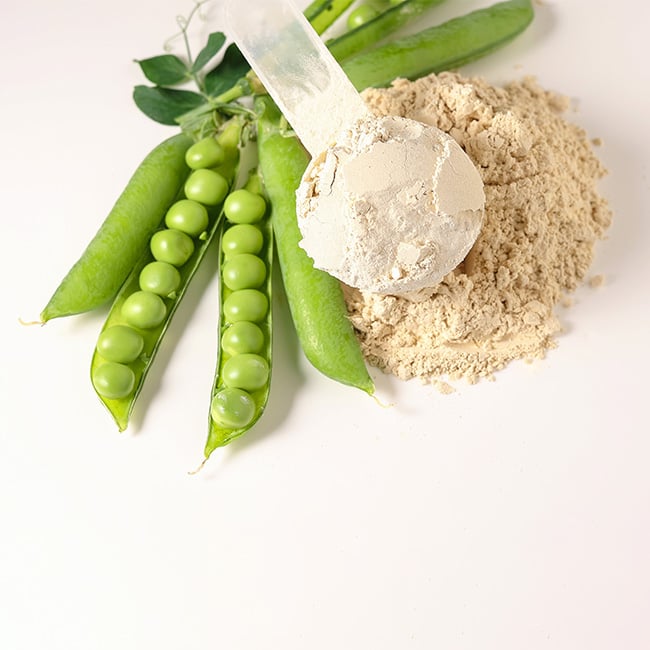
The global demand for high protein food products continues to surge as health-conscious consumers and athletes seek nutritional solutions that deliver performance, sustainability, and clean label credentials. Pea protein has emerged as a game-changing ingredient that enables food manufacturers to develop innovative high protein products without relying solely on animal-derived sources. Whether formulating protein bars, ready-to-drink beverages, plant-based meat alternatives, or fortified snacks, pea protein delivers the functional and nutritional foundation that modern product development requires.
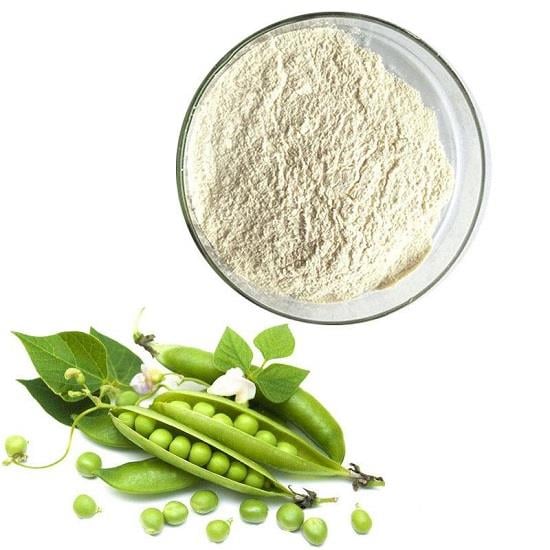
Understanding how pea protein supports high protein food product development is essential for food science teams, product developers, and ingredient specialists seeking to align formulation strategies with market trends. Pea protein provides multiple technical and commercial advantages that streamline development timelines while addressing consumer preferences for plant-based, allergen-friendly, and sustainably sourced ingredients.
Why Pea Protein Dominates High Protein Food Formulation
Amino Acid Profile and Protein Quality
Pea protein contains all nine essential amino acids, making it a complete protein source that supports muscle synthesis, recovery, and overall protein bioavailability. In high protein food product development, the amino acid composition directly influences product efficacy and consumer satisfaction. Pea protein delivers approximately 25 grams of protein per serving in isolated form, meeting the high protein positioning that modern consumers demand. The leucine content in pea protein is particularly valuable for sports nutrition and muscle-building applications, where branched-chain amino acid ratios influence formulation success.
Allergen-Friendly Formulation Advantages
Pea protein is naturally free from major allergens including milk, soy, tree nuts, and gluten, which expands market reach for high protein food products targeting consumers with dietary restrictions. For manufacturers developing high protein food solutions, this allergen profile eliminates cross-contamination risks and simplifies label declarations. Pea protein enables formulators to create products that appeal to broader demographic segments, including those avoiding soy or dairy-based proteins, thereby increasing addressable market size and competitive positioning.
Technical Advantages of Pea Protein in Product Development
Solubility, Texture, and Mouthfeel Control
Modern high protein food product development demands ingredients that deliver exceptional sensory performance and functional stability. Pea protein isolates exhibit excellent solubility in water and beverage systems, enabling manufacturers to formulate smooth, creamy textures in ready-to-drink protein shakes and smoothies. The neutral flavor profile of quality pea protein allows food developers to implement custom flavor systems without masking off-notes, enhancing consumer acceptance. For solid protein bar applications, pea protein contributes to appropriate texture binding and mouthfeel without introducing excessive dryness or grittiness commonly associated with inferior protein sources.
Shelf Stability and Processing Compatibility
Pea protein maintains structural integrity across pH ranges, temperature variations, and extended shelf life periods, which is critical for high protein food products destined for retail distribution. In high protein food product development workflows, pea protein ingredients demonstrate robust stability during high-temperature processing, extrusion, and thermal sterilization operations. This processing compatibility reduces product reformulation cycles and accelerates time-to-market for manufacturers launching high protein innovations, ultimately reducing development costs and competitive risk.
Market Applications and Strategic Positioning
Sports Nutrition and Performance Product Categories
The sports nutrition segment represents a critical market for high protein food products, and pea protein has become the preferred plant-based choice for manufacturers targeting performance-conscious athletes and fitness enthusiasts. Pea protein enables product developers to formulate high protein recovery drinks, pre-workout beverages, and muscle-building supplements that resonate with consumers prioritizing plant-based nutrition. The leucine content and complete amino acid profile of pea protein align with sports science research, providing developers with marketing-ready formulations supported by functional claims.
Mainstream Consumer and Convenience Segments
Beyond sports nutrition, high protein food product development increasingly targets mainstream consumers seeking convenient, protein-fortified snacking solutions. Pea protein supports the development of high protein breakfast cereals, protein-enhanced yogurt alternatives, fortified pasta products, and savory snacks that appeal to weight management and wellness-focused demographics. The clean label credentials of pea protein enable manufacturers to position high protein offerings as natural and sustainably sourced, addressing premium consumer segments willing to pay price premiums for aligned values.
Practical Implementation Considerations
Dosage Optimization and Taste Masking Strategies
Effective high protein food product development requires careful dosage calibration of pea protein to balance nutritional impact with sensory acceptance. At concentrations exceeding 25% by weight, pea protein can introduce subtle earthiness that requires strategic flavor masking through cocoa, vanilla, berry, or spice systems. Developers working with pea protein for high protein applications should conduct dose-response testing to identify optimal inclusion levels that maximize protein delivery without compromising palatability or mouthfeel. Combining pea protein with complementary proteins or functional ingredients often yields superior sensory profiles than single-protein formulations.
Regulatory Compliance and Clean Label Positioning
Pea protein simplifies regulatory navigation for high protein food product development across multiple jurisdictions, as it is recognized as a conventional food ingredient in North America, Europe, and major Asian markets. The clean label transparency of pea protein supports marketing claims around natural sourcing and plant-based credentials without requiring exemption statements or extensive safety documentation. Manufacturers can confidently position pea protein in high protein products marketed to health-conscious consumers, parents seeking nutritious options for children, and markets emphasizing sustainability and regenerative agriculture values.
FAQ
What makes pea protein an ideal choice for high protein food products compared to other plant proteins?
Pea protein combines complete amino acid profiles, superior allergen-friendly positioning, excellent solubility, and proven consumer acceptance that distinguish it from other plant-based proteins. Unlike some alternatives, pea protein delivers substantial leucine content critical for muscle synthesis and maintains neutral flavor profiles that simplify formulation. The functional stability and processing compatibility of pea protein significantly reduce development timelines and production complexity for high protein food manufacturers.
How should formulators balance pea protein dosage to optimize nutritional claims while maintaining product taste?
High protein food product developers should conduct sensory testing at incremental pea protein concentrations between 15% and 30% to identify the inflection point where protein delivery meets consumer palatability expectations. Strategic flavor systems incorporating complementary proteins, sweeteners, and masking ingredients help overcome subtle earthiness sometimes associated with higher pea protein concentrations. Testing pea protein combinations with other functional ingredients often yields superior mouthfeel and taste profiles than formulations using pea protein as a standalone protein source.
Are there regulatory restrictions on using pea protein in high protein food products?
Pea protein is approved as a food ingredient across major regulatory jurisdictions including the FDA, EFSA, and FSIS, making it accessible for high protein food product development without special exemptions or limited-use designations. Documentation requirements for pea protein are minimal compared to novel ingredients, allowing manufacturers to accelerate product registration and market entry timelines. Clean label positioning of pea protein in high protein applications supports straightforward ingredient declarations and reduces compliance complexity across global distribution channels.
Table of Contents
- Why Pea Protein Dominates High Protein Food Formulation
- Technical Advantages of Pea Protein in Product Development
- Market Applications and Strategic Positioning
- Practical Implementation Considerations
-
FAQ
- What makes pea protein an ideal choice for high protein food products compared to other plant proteins?
- How should formulators balance pea protein dosage to optimize nutritional claims while maintaining product taste?
- Are there regulatory restrictions on using pea protein in high protein food products?