 EN

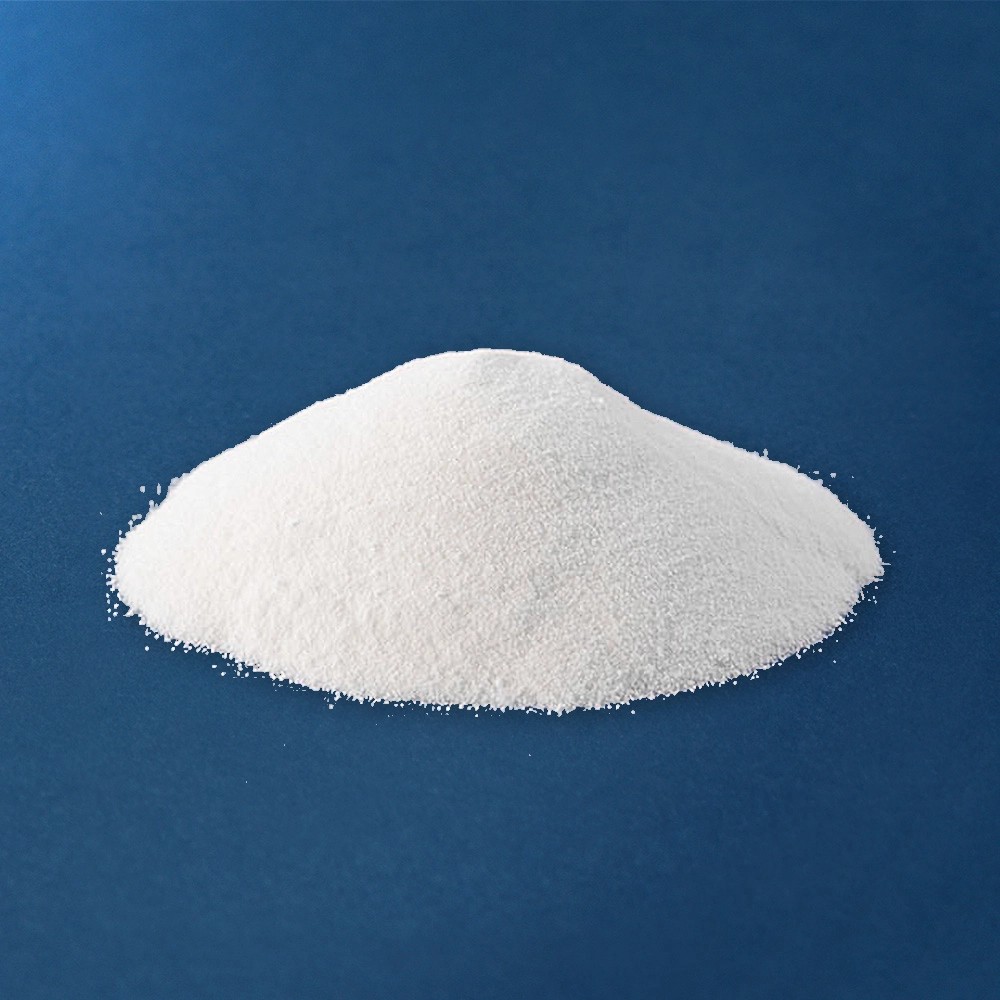
Maintaining consistent product quality in seafood processing requires precise control over multiple parameters, and sodium tripolyphosphate plays a critical role in achieving this objective. Modern seafood processors face ongoing pressure to deliver products that meet strict regulatory standards, consumer expectations, and shelf-life requirements. The addition of sodium tripolyphosphate directly addresses these challenges by stabilizing moisture content, improving texture consistency, and preventing quality degradation throughout the supply chain. Understanding how sodium tripolyphosphate enhances quality control is essential for processors seeking competitive advantage and operational efficiency.
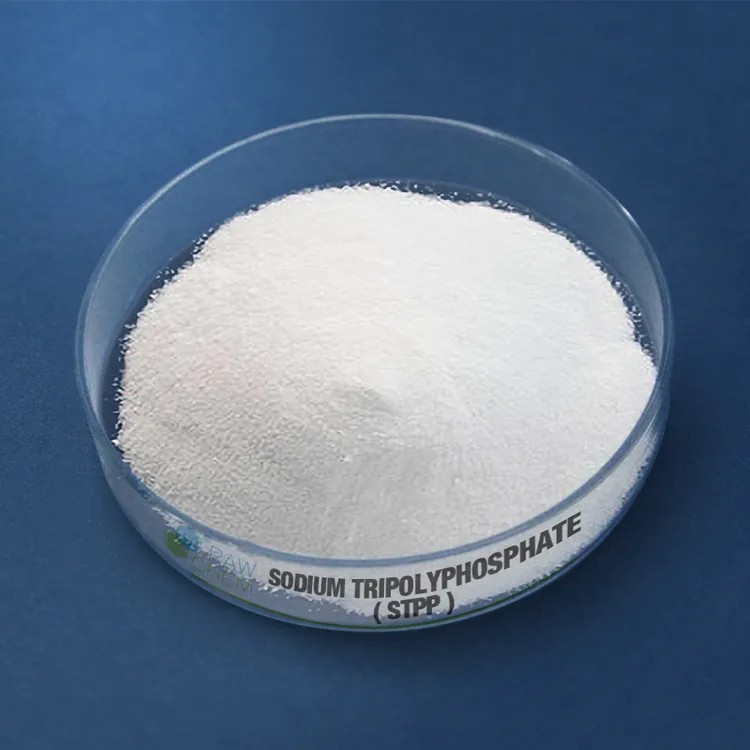
Quality control in seafood processing extends beyond basic hygiene compliance. Processors must ensure uniform product characteristics, prevent enzymatic degradation, maintain visual appeal, and preserve nutritional value during processing and storage. Sodium tripolyphosphate functions as a multifaceted tool that addresses moisture binding, protein stabilization, and microbial inhibition simultaneously. Its application throughout frozen and fresh seafood operations demonstrates the compound's versatility and its fundamental importance to modern quality assurance protocols in the seafood industry.
How Sodium Tripolyphosphate Stabilizes Moisture Content
Moisture Binding Mechanisms in Seafood
Seafood naturally loses moisture during processing, freezing, and storage, which directly impacts texture, appearance, and consumer satisfaction. Sodium tripolyphosphate works by binding water molecules within the muscle tissue structure, preventing excessive liquid loss and maintaining product firmness. When sodium tripolyphosphate is applied to shrimp, fish fillets, or other seafood products, it increases the pH of the product surface and creates an ionic environment that attracts and retains water molecules. This mechanism prevents the formation of ice crystals that typically cause texture degradation, ensuring that frozen seafood maintains its original quality through extended storage periods.
Impact on Product Yield and Economics
The moisture retention provided by sodium tripolyphosphate translates directly into improved product yield, as processors maintain heavier final products with superior eating quality. Producers using sodium tripolyphosphate experience reduced drip loss during thawing, meaning consumers receive more usable product and fewer complaints about water accumulation in packages. This yield improvement significantly affects production economics, as the same raw material input generates greater finished product output when sodium tripolyphosphate is properly applied. The investment in sodium tripolyphosphate for quality control quickly offsets its cost through improved yield metrics and reduced product rejection rates.
Texture Consistency and Sensory Quality Enhancement
Maintaining Firmness and Bite
Consumer perception of seafood quality centers heavily on texture—the firmness, resilience, and overall sensory experience when eating the product. Sodium tripolyphosphate preserves the natural muscle fiber structure by protecting proteins from denaturation during thermal processing and freezing cycles. When sodium tripolyphosphate stabilizes the protein matrix, the finished product maintains ideal firmness rather than becoming mushy or separated. This texture preservation is particularly critical for premium products marketed as fresh-tasting or superior quality, where texture defects directly reduce consumer satisfaction and repeat purchasing behavior.
Preventing Protein Degradation During Processing
Enzymatic activity and oxidative stress during seafood processing cause protein breakdown, resulting in texture loss and quality deterioration. Sodium tripolyphosphate inhibits enzymatic activity and reduces oxidative processes that degrade protein structure, effectively slowing the degradation pathway that compromises product quality. By adding sodium tripolyphosphate to processing protocols, producers extend the functional shelf life of their products and maintain consistent sensory characteristics across batches. This enzymatic inhibition is particularly valuable in extended storage scenarios, where untreated seafood experiences progressive quality loss while products treated with sodium tripolyphosphate maintain their original characteristics.
Food Safety and Regulatory Compliance Through Sodium Tripolyphosphate
Microbial Inhibition and Shelf-Life Extension
Beyond texture and moisture control, sodium tripolyphosphate creates an environment that inhibits pathogenic microorganism growth and extends the safe storage period for seafood products. The pH modification induced by sodium tripolyphosphate makes the product surface less hospitable to common seafood pathogens, reducing microbial load naturally without requiring additional chemical preservatives. This antimicrobial effect means processors using sodium tripolyphosphate can confidently extend shelf-life declarations, improve inventory turnover, and reduce waste from expired products. The regulatory acceptance of sodium tripolyphosphate in most major markets makes it an ideal solution for processors seeking natural-seeming preservation without controversial additive profiles.
Compliance with International Quality Standards
Global seafood processors must navigate regulatory frameworks in the European Union, United States, Canada, and other major markets, where approved additives and quality specifications vary significantly. Sodium tripolyphosphate appears on approved additive lists in virtually all major seafood-consuming regions, making it the standard choice for processors requiring multiple-market compliance. Quality control departments rely on sodium tripolyphosphate to demonstrate scientific rigor and regulatory awareness, as its application directly supports compliance with microbiological standards, moisture content limits, and sensory quality specifications. Processors implementing sodium tripolyphosphate in their quality protocols strengthen their regulatory position and reduce the risk of market rejection due to quality defects.
FAQ
What is the typical application rate for sodium tripolyphosphate in seafood processing?
The typical application rate for sodium tripolyphosphate in seafood processing ranges from 0.3% to 0.8% by weight of the finished product, depending on the specific seafood type, desired quality outcome, and regulatory market. Shrimp typically receives higher sodium tripolyphosphate concentrations to maximize moisture retention, while fish fillets may use lower rates focused on texture preservation. Processors should validate specific application rates through quality testing and consumer trials to ensure optimal results within their regulatory environment and production methodology.
Does sodium tripolyphosphate require special handling or storage conditions?
Sodium tripolyphosphate should be stored in a cool, dry environment protected from moisture contamination, as it is hygroscopic and can form clumps if exposed to humidity. Proper handling procedures ensure that sodium tripolyphosphate maintains its functional properties and dissolves uniformly during application. Most processors dissolve sodium tripolyphosphate in process water before application to seafood, ensuring even distribution and optimal performance throughout the production batch.
How does sodium tripolyphosphate compare to other phosphate-based quality control additives?
While several phosphate compounds exist for seafood processing applications, sodium tripolyphosphate offers superior moisture binding capacity, stronger enzymatic inhibition, and broader regulatory acceptance compared to alternatives like sodium hexametaphosphate. Sodium tripolyphosphate has extensive safety history and regulatory approval, making it the industry standard for producers seeking reliable, cost-effective quality control solutions that deliver consistent results across diverse seafood applications and processing methodologies.