 EN

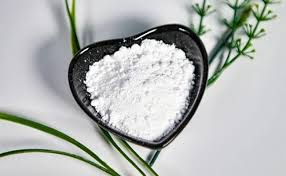
Food manufacturers face constant pressure to maintain product quality while extending shelf life without relying on synthetic chemicals or excessive processing. One solution that has gained significant traction across the food industry is the use of nisin, a naturally derived preservative that effectively inhibits microbial growth and spoilage. Understanding how nisin works and why it has become essential for modern food production requires examining its chemical properties, mechanisms of action, and practical applications across diverse product categories. The science behind nisin demonstrates that this bacteriocin offers manufacturers a powerful tool to protect their products while meeting consumer demands for clean-label ingredients.
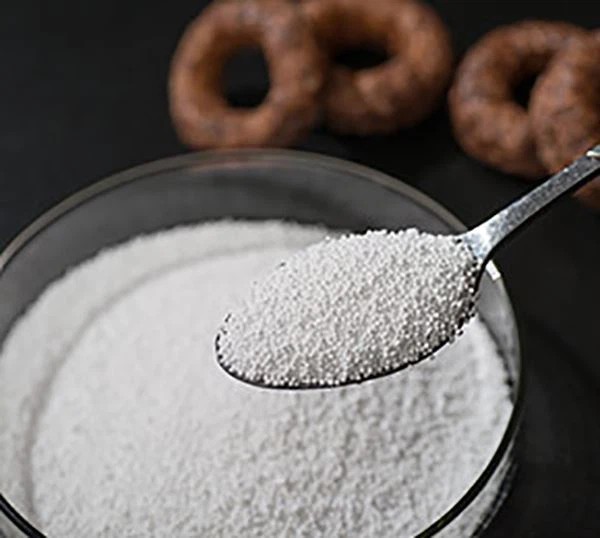
Nisin functions as a natural antimicrobial agent produced through fermentation by specific bacterial strains. When incorporated into food formulations, nisin works at the cellular level to prevent unwanted microorganisms from multiplying and causing deterioration. This article explores the comprehensive role of nisin in food preservation, detailing how manufacturers can leverage this ingredient to achieve longer shelf life, maintain sensory quality, and comply with food safety regulations while appealing to consumers seeking natural preservation methods.
Understanding Nisin as a Food Preservative
The Source and Production of Nisin
Nisin originates from the bacterium Lactococcus lactis, which naturally produces this peptide as part of its defense mechanism. Commercial nisin is manufactured through carefully controlled fermentation processes that maximize yield while maintaining purity and safety standards. The production of nisin involves culturing the bacterial strain in nutrient-rich media, allowing the microorganism to synthesize the bacteriocin, and then extracting and purifying the compound to food-grade specifications. This fermentation-based approach means nisin qualifies as a natural ingredient, making it attractive for food manufacturers targeting clean-label certifications and consumer preferences for minimally processed preservatives.
Chemical Properties and Regulatory Status of Nisin
Nisin is a peptide antimicrobial compound consisting of 34 amino acids linked in a specific sequence that creates its preservative properties. Regulatory agencies worldwide, including the FDA in the United States and EFSA in Europe, have approved nisin for use in food applications based on extensive safety data and historical use. The regulatory acceptance of nisin reflects decades of research demonstrating its efficacy and safety profile. Manufacturers using nisin can confidently incorporate this preservative into products intended for various consumer groups, including children and pregnant women, with proper dosage compliance, making nisin an exceptionally safe choice compared to many synthetic alternatives.
Mechanisms of Action and Preservation Benefits
How Nisin Prevents Microbial Spoilage
The antimicrobial effectiveness of nisin operates through multiple biological pathways that target pathogenic and spoilage-causing organisms. When nisin contacts bacterial cells, it binds to lipid II molecules in the cell membrane, disrupting cellular integrity and preventing nutrient transport, which ultimately leads to cell death. This mechanism of action makes nisin particularly effective against Gram-positive bacteria, including Listeria monocytogenes, Clostridium botulinum, and various lactic acid bacteria responsible for spoilage. The potency of nisin means food manufacturers can employ lower concentration levels compared to alternative preservatives, reducing overall additive content while maintaining superior antimicrobial protection and shelf stability.
Shelf Life Extension Across Product Categories
Different food categories benefit distinctly from nisin incorporation based on their composition and spoilage mechanisms. Dairy products, including yogurts, cheeses, and milk-based beverages, experience extended shelf life when nisin prevents post-pasteurization contamination and delays mold growth. Meat and seafood products treated with nisin show significantly reduced bacterial loads and slower deterioration of sensory attributes, enabling distribution across wider geographic territories without refrigeration compromise. Processed foods, preserved vegetables, and canned goods benefit from nisin's synergistic interaction with existing preservation methods such as heat treatment and pH control, creating multi-layered protection systems that ensure product stability beyond conventional timelines.
Implementation and Industry Applications
Practical Integration of Nisin in Food Manufacturing
Food manufacturers implementing nisin preservation strategies must consider several technical factors to maximize effectiveness while maintaining product characteristics. The optimal nisin concentration varies depending on product pH, water activity, storage temperature, and target pathogens, requiring careful formulation adjustments for each application. Nisin demonstrates enhanced preservative activity in acidic environments and shows synergistic effects when combined with other antimicrobial barriers such as salt reduction, modified atmosphere packaging, or heat treatment, allowing formulators to create balanced preservation systems. Proper documentation and labeling of nisin comply with regulatory requirements, with manufacturers clearly listing nisin on ingredient declarations to maintain transparency with consumers and regulatory authorities.
Real-World Benefits and Consumer Advantages
The integration of nisin into food formulations delivers tangible benefits extending beyond simple shelf life extension. Products preserved with nisin maintain superior organoleptic qualities because the mechanism of action prevents microbial degradation of flavor compounds, texture, and nutritional content more effectively than heat-based processing alone. Consumers increasingly recognize nisin as a clean-label ingredient derived from natural fermentation, addressing growing preferences for products free from artificial synthetic preservatives like benzoates or sorbates. Manufacturers utilizing nisin can market products with confidence, communicating extended freshness and reduced food waste, which resonates strongly with environmentally conscious consumers and supports corporate sustainability initiatives while improving profitability through extended distribution windows.
Advanced Considerations and Future Trends
Maximizing Nisin Effectiveness Through Formulation Synergy
Advanced food preservation strategies recognize that nisin performs optimally when combined with complementary preservation techniques and environmental factors. The interaction between nisin and sodium lactate creates particularly powerful antimicrobial effects, allowing manufacturers to reduce overall additive levels while maintaining or exceeding preservation efficacy. Temperature control, storage duration, and packaging materials all influence nisin stability and performance, requiring manufacturers to optimize these variables for specific product applications. Research continues demonstrating that nisin combined with moderate heat treatment, controlled pH levels, and reduced water activity creates comprehensive preservation platforms that protect products against multiple microbial threats simultaneously while preserving nutritional integrity and sensory quality.
Emerging Applications and Market Expansion
As consumer demand for natural preservation solutions intensifies, new applications for nisin continue emerging across previously underserved food categories. Plant-based beverages, alternative protein products, and ready-to-eat meals represent growing opportunities where nisin preservation aligns with clean-label requirements and extended shelf life demands. Regulatory approval expansion in additional countries and regions broadens market opportunities for manufacturers seeking to export products preserved with nisin, supporting global food security and reducing spoilage-related waste. The scientific understanding of nisin mechanisms continues advancing, revealing potential applications beyond traditional food preservation that may enhance food safety and nutritional preservation in ways currently being researched and validated.
FAQ
Is nisin safe for all consumer populations?
Yes, nisin has been approved by major regulatory agencies including the FDA and EFSA, with extensive research confirming its safety profile across all consumer populations, including children and pregnant women, when used at approved concentrations. Nisin is a naturally occurring bacteriocin that the human digestive system breaks down into amino acids, similar to protein digestion, making it exceptionally safe compared to many synthetic preservatives.
How much nisin must be added to effectively preserve food products?
The effective concentration of nisin varies based on product type, pH, water activity, and target microorganisms, typically ranging from 500 to 5,000 IU per gram of product. Manufacturers should conduct challenge studies and work with preservation specialists to determine optimal nisin levels for specific applications, ensuring regulatory compliance and maximum effectiveness without exceeding necessary amounts.
Can nisin be combined with other preservation methods?
Absolutely, nisin works synergistically with other preservation techniques such as heat treatment, modified atmosphere packaging, salt reduction, and pH control, creating robust multi-barrier preservation systems. This combination approach allows manufacturers to reduce reliance on any single preservation method while achieving superior stability and maintaining clean-label credentials.