 EN

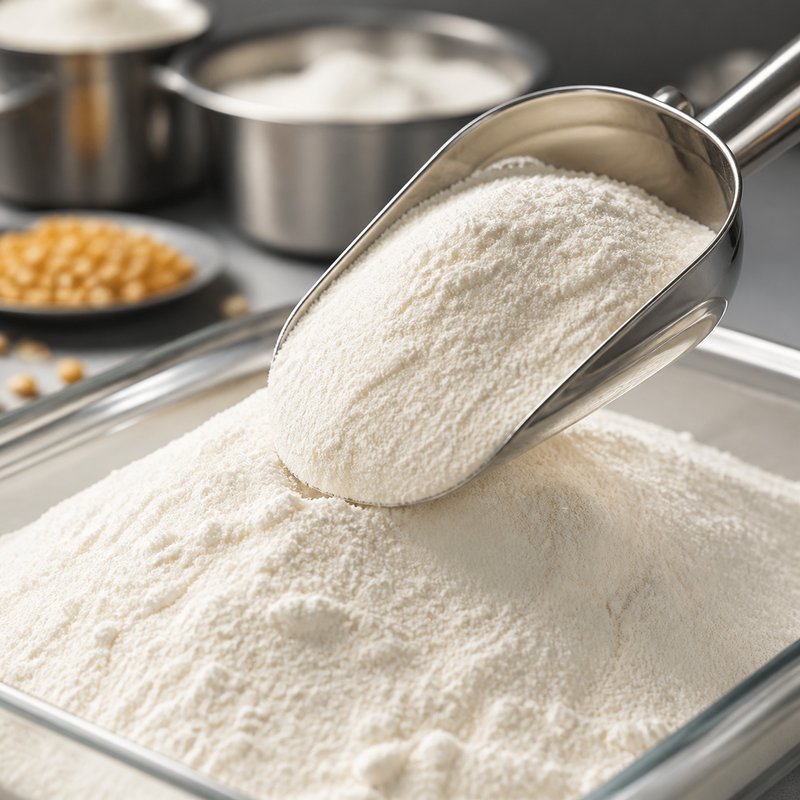
Maltodextrin has become an indispensable ingredient in modern beverage powder processing, offering manufacturers a reliable solution for creating stable, consistent, and palatable drink products. This polysaccharide derived from starch provides unique functional benefits that directly address the technical challenges faced by beverage formulators. Understanding how maltodextrin supports the production process helps industry professionals make informed ingredient decisions that improve both product quality and manufacturing efficiency.
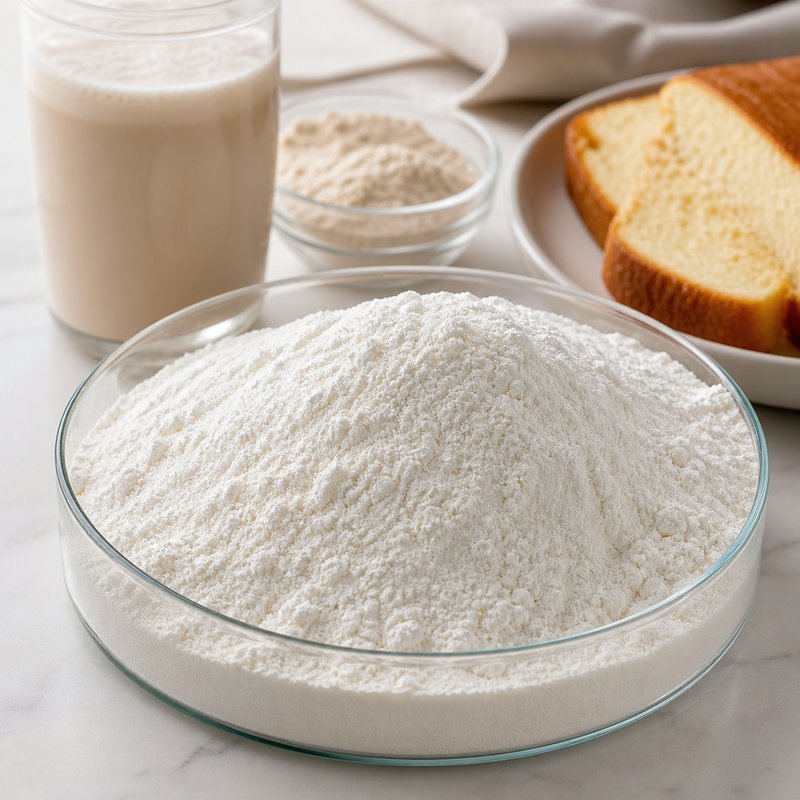
The role of maltodextrin extends beyond simple sweetening. This ingredient functions as a carrier, texture modifier, and stability enhancer across the entire beverage powder processing workflow. Manufacturers leverage maltodextrin to achieve faster dissolution rates, improve mouthfeel, and maintain consistent product performance from production through storage and consumer use. The growing demand for functional beverages and nutritional drink powders has further solidified maltodextrin's position as a core processing ingredient.
Why Maltodextrin Matters in Beverage Powder Processing
Solubility and Dissolution Enhancement
One of the primary reasons manufacturers choose maltodextrin for beverage powder processing is its exceptional solubility profile. When consumers prepare a drink powder, rapid and complete dissolution directly impacts their satisfaction and product perception. Maltodextrin dissolves quickly in cold and hot water, preventing the gritty texture or cloudiness that can result from poorly soluble ingredients. This fast-dissolving characteristic makes maltodextrin an ideal component of instant beverage powders, sports drinks, and meal replacement formulations.
The dissolution behavior of maltodextrin also affects how other active ingredients distribute throughout the final beverage. Proteins, vitamins, minerals, and flavor compounds integrate more uniformly when mixed with maltodextrin, creating a more consistent taste and nutritional profile across every serving. This uniform distribution is critical for functional beverages where efficacy depends on precise ingredient ratios.
Texture and Mouthfeel Development
Beverage powder processing requires careful attention to how the final drink feels on the palate. Maltodextrin contributes a smooth, pleasant mouthfeel that enhances consumer acceptance. Unlike certain sweeteners or thickeners that can leave an undesirable aftertaste or grittiness, maltodextrin creates a refined texture that makes the beverage more enjoyable to consume. The ingredient's neutral flavor profile allows it to complement rather than interfere with the primary taste notes of the drink.
Manufacturers also use maltodextrin to achieve the desired viscosity in beverage powder processing applications. By adjusting maltodextrin concentration, formulators can control body and thickness without relying on artificial gums or stabilizers that might trigger consumer concern. This clean-label advantage has driven increased adoption of maltodextrin in premium and health-focused beverage segments.
Technical Processing Advantages of Maltodextrin
Moisture Control and Stability During Manufacturing
During beverage powder processing, managing moisture content is essential for product shelf life and performance. Maltodextrin has a lower hygroscopicity compared to some alternative carbohydrates, meaning it absorbs less moisture from ambient air. This property helps stabilize the final powder, reducing caking and clumping that can occur in humid storage environments. The improved stability extends product shelf life and reduces customer complaints related to powder texture degradation over time.
The moisture management benefit of maltodextrin becomes particularly valuable in high-humidity climates or for products stored in non-climate-controlled environments. Beverage powder processors can formulate products with greater confidence that the powder will remain free-flowing and easy to mix throughout its intended shelf life.
Compatibility with Active Ingredients and Additives
Beverage powder processing often involves combining maltodextrin with vitamins, minerals, amino acids, probiotics, and other bioactive compounds. Maltodextrin's neutral nature and lack of reactive functional groups make it an excellent carrier that does not interact negatively with these sensitive ingredients. The stable matrix created by maltodextrin protects these additives from degradation during storage and processing.
Furthermore, maltodextrin participates in encapsulation strategies where sensitive ingredients are physically or chemically protected within or alongside the maltodextrin matrix. This approach is particularly useful for preserving the efficacy of heat-sensitive vitamins or bitter-tasting compounds that require masking. The versatility of maltodextrin in beverage powder processing makes it invaluable for complex formulations targeting sports performance, wellness, or medical nutrition markets.
Industry Applications and Market Trends
Sports and Performance Beverage Development
The sports nutrition segment has emerged as a major driver of maltodextrin demand in beverage powder processing. Athletes and fitness enthusiasts require rapid carbohydrate delivery during and after exercise, and maltodextrin's quick absorption characteristics make it ideal for this application. Sports drink powders formulated with maltodextrin provide efficient energy replenishment without gastrointestinal discomfort that slower-digesting carbohydrates might cause.
Additionally, the appeal of high-performance beverage powders continues to grow as consumers increasingly seek convenient, portable nutrition solutions. Maltodextrin enables manufacturers to create products that deliver measurable performance benefits while maintaining excellent taste and mixability. The ingredient supports the clean-label movement by serving as a functional carbohydrate source derived from natural starch sources.
Functional and Nutritional Beverage Formulation
Beyond sports applications, maltodextrin plays a central role in developing functional beverages targeting general wellness, immunity support, and weight management. In beverage powder processing for these categories, maltodextrin serves as a delivery vehicle for probiotics, collagen peptides, herbal extracts, and other premium ingredients. The ingredient's ability to maintain product homogeneity ensures consistent dosing of these functional components across the product shelf life.
Manufacturers formulating meal replacement shakes and nutritional supplements rely on maltodextrin to create smooth, appealing products that consumers will use consistently. The ingredient contributes to product efficacy by ensuring rapid absorption of nutrients and supporting a pleasant consumption experience that encourages compliance.
FAQ
What makes maltodextrin different from regular sugar in beverage powder processing?
Maltodextrin differs from table sugar in several ways that matter for beverage powder processing. While both are carbohydrates, maltodextrin has a lower sweetness profile and dissolves more completely in water, creating a smoother texture without crystallization. Maltodextrin also has a lower hygroscopic nature, meaning it resists moisture absorption better than sugar, leading to improved shelf stability in beverage powders. Additionally, maltodextrin's rapid absorption characteristics make it particularly suited for performance beverages where quick energy delivery is desired.
Can maltodextrin be used in all types of beverage powder formulations?
Maltodextrin is highly versatile and compatible with most beverage powder processing applications, including instant drinks, sports nutrition powders, meal replacements, and functional beverages. However, its use should align with label claims and dietary specifications; for instance, beverages targeting low-carb or keto consumers may not be ideal candidates for maltodextrin since it is carbohydrate-based. The ingredient works best when formulators leverage its solubility and stability properties as core benefits rather than treating it as a secondary filler.
How does maltodextrin affect the shelf life of beverage powders?
Maltodextrin positively impacts shelf life by resisting moisture absorption and creating a stable matrix that protects active ingredients from degradation. When used appropriately in beverage powder processing, maltodextrin helps prevent caking, clumping, and flavor changes during storage. The ingredient's stability also supports longer shelf lives for products containing sensitive components like vitamins or probiotics, making it an economically smart choice for manufacturers aiming to reduce waste and improve inventory turnover.