 EN
EN

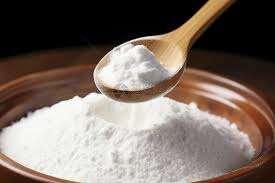
Blending phosphates series represent a sophisticated approach to food quality enhancement, where multiple phosphate compounds work synergistically to deliver superior functional properties compared to single phosphate applications. These carefully formulated combinations leverage the unique characteristics of different phosphate types to optimize moisture retention, protein binding, texture development, and shelf stability across diverse food applications. The strategic blending of various phosphate compounds creates a powerful tool for food manufacturers seeking to achieve consistent quality improvements while maintaining regulatory compliance and consumer appeal.
The science behind blending phosphates series lies in their ability to address multiple quality challenges simultaneously through complementary mechanisms of action. When different phosphate compounds are combined in precise ratios, they create enhanced functionality that exceeds the sum of their individual contributions. This synergistic effect occurs because each phosphate type contributes specific properties such as water binding capacity, protein solubilization, pH buffering, and mineral chelation, resulting in comprehensive food quality improvements that would be difficult to achieve with single-component systems.
Mechanisms of Quality Enhancement Through Blending Phosphates Series
Protein Functionality and Water Binding Enhancement
Blending phosphates series significantly improve protein functionality by creating optimal ionic environments that promote protein extraction, solubilization, and gel formation. The combination of different phosphate types establishes multiple interaction pathways with protein molecules, leading to enhanced water-holding capacity and improved texture development. This enhanced protein functionality is particularly evident in processed meat products, where blending phosphates series facilitate better binding between muscle fibers and increased moisture retention during cooking processes.
The water binding enhancement achieved through blending phosphates series occurs through several complementary mechanisms including osmotic effects, protein conformation changes, and ionic strength optimization. Different phosphate compounds contribute varying degrees of ionic strength and pH modification, creating a balanced environment that maximizes water retention while maintaining protein structure integrity. This comprehensive approach to water binding results in improved yield, reduced cooking losses, and enhanced sensory properties in the final food product.
pH Buffering and Stability Optimization
The pH buffering capacity of blending phosphates series provides crucial stability benefits that extend beyond simple acidity control. These formulated combinations create robust buffering systems that maintain optimal pH ranges throughout processing, storage, and consumption phases. The multi-component nature of blending phosphates series ensures that pH stability is maintained even under varying temperature conditions and in the presence of other food ingredients that might otherwise disrupt pH balance.
Quality optimization through pH control involves maintaining enzymatic activity at desired levels, preventing protein denaturation, and ensuring optimal conditions for other functional ingredients. Blending phosphates series achieve this through carefully balanced combinations of acidic and basic phosphate compounds that work together to establish and maintain target pH ranges. This stability optimization is particularly important in dairy applications, baked goods, and processed seafood where pH fluctuations can significantly impact texture, flavor, and shelf life.
Texture Development and Structural Improvement
Enhanced Gel Formation and Firmness
Blending phosphates series contribute to superior gel formation through their ability to modify protein-protein interactions and create stronger three-dimensional network structures. The synergistic effects of multiple phosphate compounds result in gels with improved firmness, elasticity, and water retention compared to single phosphate systems. This enhanced gel formation is achieved through optimized ionic conditions that promote proper protein unfolding, cross-linking, and network development during thermal processing.
The structural improvement provided by blending phosphates series extends to various food matrices including emulsified meat products, dairy gels, and plant-based protein systems. These improvements manifest as increased bite resistance, improved slice-ability, reduced syneresis, and enhanced overall textural quality. The multi-phosphate approach allows for fine-tuning of textural properties to meet specific product requirements while maintaining processing efficiency and ingredient functionality.
Emulsification and Fat Distribution
The emulsification properties of blending phosphates series contribute significantly to fat distribution uniformity and stability in processed foods. Multiple phosphate compounds work together to optimize the interfacial properties between fat and water phases, resulting in more stable emulsions with improved texture and mouthfeel characteristics. This enhanced emulsification occurs through improved protein extraction and modification, which creates better emulsifying agents from the food's natural protein components.
Fat distribution improvements achieved through blending phosphates series result in more uniform product appearance, reduced fat separation during storage, and improved cooking performance. The combination of different phosphate types ensures that emulsion stability is maintained across various processing conditions including thermal treatment, mechanical handling, and extended storage periods. These benefits are particularly valuable in processed meat products, dairy applications, and bakery items where fat distribution directly impacts quality perception.
Preservation and Shelf Life Extension Benefits
Antimicrobial Effects and Safety Enhancement
Blending phosphates series contribute to food safety through multiple antimicrobial mechanisms that work synergistically to inhibit pathogenic and spoilage microorganisms. The combination of different phosphate compounds creates environments that are hostile to microbial growth through pH modification, water activity reduction, and metal ion chelation. These effects are particularly pronounced when blending phosphates series are used in combination with other preservation technologies, creating multiple barriers to microbial proliferation.
The safety enhancement provided by blending phosphates series extends beyond simple antimicrobial effects to include antioxidant properties that prevent lipid oxidation and off-flavor development. The metal-chelating properties of various phosphate compounds help prevent catalytic oxidation reactions that can lead to rancidity and nutritional degradation. This comprehensive preservation approach results in products with extended shelf life and maintained sensory quality throughout the distribution chain.
Texture Retention During Storage
The ability of blending phosphates series to maintain texture quality during extended storage represents a crucial advantage for food manufacturers and consumers. These formulated combinations provide sustained moisture retention, prevent protein aggregation, and maintain structural integrity even under challenging storage conditions. The multi-component approach ensures that texture degradation mechanisms are addressed through multiple pathways, resulting in products that retain desirable eating qualities throughout their intended shelf life.
Texture retention benefits from blending phosphates series are particularly evident in frozen and refrigerated products where freeze-thaw cycles and temperature fluctuations can cause significant quality deterioration. The protective effects of these phosphate combinations help maintain cellular structure, prevent ice crystal formation damage, and preserve the original texture characteristics upon thawing and consumption. This storage stability enhancement is crucial for maintaining consumer satisfaction and reducing food waste throughout the supply chain.
Application-Specific Quality Improvements
Processed Meat Product Enhancement
In processed meat applications, blending phosphates series deliver comprehensive quality improvements that address the unique challenges of muscle protein manipulation and preservation. These formulated combinations enhance protein extraction from muscle fibers, improve binding between meat particles, and optimize water retention during thermal processing. The result is processed meat products with superior texture, improved yield, and enhanced eating quality that meets both manufacturer efficiency requirements and consumer expectations.
The specific benefits of blending phosphates series in meat processing include reduced purge loss, improved slice integrity, enhanced color stability, and extended shelf life. These improvements are achieved through the synergistic effects of multiple phosphate compounds that work together to optimize muscle protein functionality while providing preservation benefits. The enhanced quality characteristics make processed meat products more competitive in the marketplace while providing manufacturers with improved processing efficiency and yield optimization.
Dairy and Plant-Based Applications
Blending phosphates series provide significant quality improvements in dairy and plant-based protein applications through their ability to optimize protein solubility, gel formation, and thermal stability. These benefits are particularly important in applications such as processed cheese, dairy beverages, and plant-based meat alternatives where protein functionality directly impacts product quality and consumer acceptance. The multi-phosphate approach allows for precise control of protein interactions and texture development in these challenging applications.
The quality enhancements achieved through blending phosphates series in dairy and plant-based systems include improved mouthfeel, enhanced thermal stability, reduced syneresis, and better flavor release characteristics. These improvements result from the optimized ionic environments created by carefully balanced phosphate combinations that promote desired protein behaviors while preventing undesirable aggregation or precipitation. The versatility of blending phosphates series makes them valuable tools for developing innovative products that meet evolving consumer preferences for both traditional dairy and alternative protein options.
FAQ
How do blending phosphates series differ from single phosphate ingredients in terms of food quality improvement?
Blending phosphates series offer superior performance compared to single phosphate ingredients through synergistic effects that enhance multiple quality parameters simultaneously. While single phosphates provide specific benefits such as water binding or pH adjustment, blending phosphates series combine different phosphate types to address comprehensive quality challenges including protein functionality, texture development, preservation, and stability. This multi-component approach results in more consistent and predictable quality improvements across diverse food applications.
What types of food products benefit most from blending phosphates series applications?
Processed meat products, dairy items, seafood preparations, and plant-based protein alternatives benefit most significantly from blending phosphates series applications. These products typically require multiple functional improvements including enhanced protein binding, improved water retention, texture optimization, and extended shelf life. The comprehensive functionality of blending phosphates series makes them particularly valuable in applications where single-ingredient solutions cannot adequately address all quality requirements.
Are there any regulatory considerations when using blending phosphates series in food production?
Blending phosphates series must comply with food additive regulations in each market where products are sold, including maximum usage levels, labeling requirements, and approved application categories. Manufacturers should verify that all component phosphates in the blend are approved for their intended use and that total phosphate levels remain within regulatory limits. Proper documentation and traceability of blending phosphates series usage is essential for regulatory compliance and quality assurance programs.
How should blending phosphates series be incorporated into existing food formulations for optimal results?
Successful incorporation of blending phosphates series requires careful consideration of existing formulation ingredients, processing conditions, and target quality objectives. These phosphate combinations should be added at appropriate stages during processing to maximize their functional benefits, typically during protein extraction or mixing phases. Dosage optimization through controlled testing helps determine the minimum effective levels needed to achieve desired quality improvements while maintaining cost efficiency and regulatory compliance.
Table of Contents
- Mechanisms of Quality Enhancement Through Blending Phosphates Series
- Texture Development and Structural Improvement
- Preservation and Shelf Life Extension Benefits
- Application-Specific Quality Improvements
-
FAQ
- How do blending phosphates series differ from single phosphate ingredients in terms of food quality improvement?
- What types of food products benefit most from blending phosphates series applications?
- Are there any regulatory considerations when using blending phosphates series in food production?
- How should blending phosphates series be incorporated into existing food formulations for optimal results?