
Get a Free Quote

Our representative will contact you soon.
Email
Name
Company Name
products
Mobile
Message
0/1000

How does sodium tripolyphosphate work in food processing?

2026-03-16 15:27:00
How does sodium tripolyphosphate work in food processing?

Sodium tripolyphosphate functions as a multifaceted food additive that transforms the physical and chemical properties of processed foods through several distinct mechanisms. This phosphate compound works by binding water molecules, chelating metal ions, and modifying protein structures to achieve desired textures, preservation effects, and processing characteristics. Understanding how sodium tripolyphosphate operates at the molecular level helps food manufacturers optimize their formulations and achieve consistent product quality across various applications.

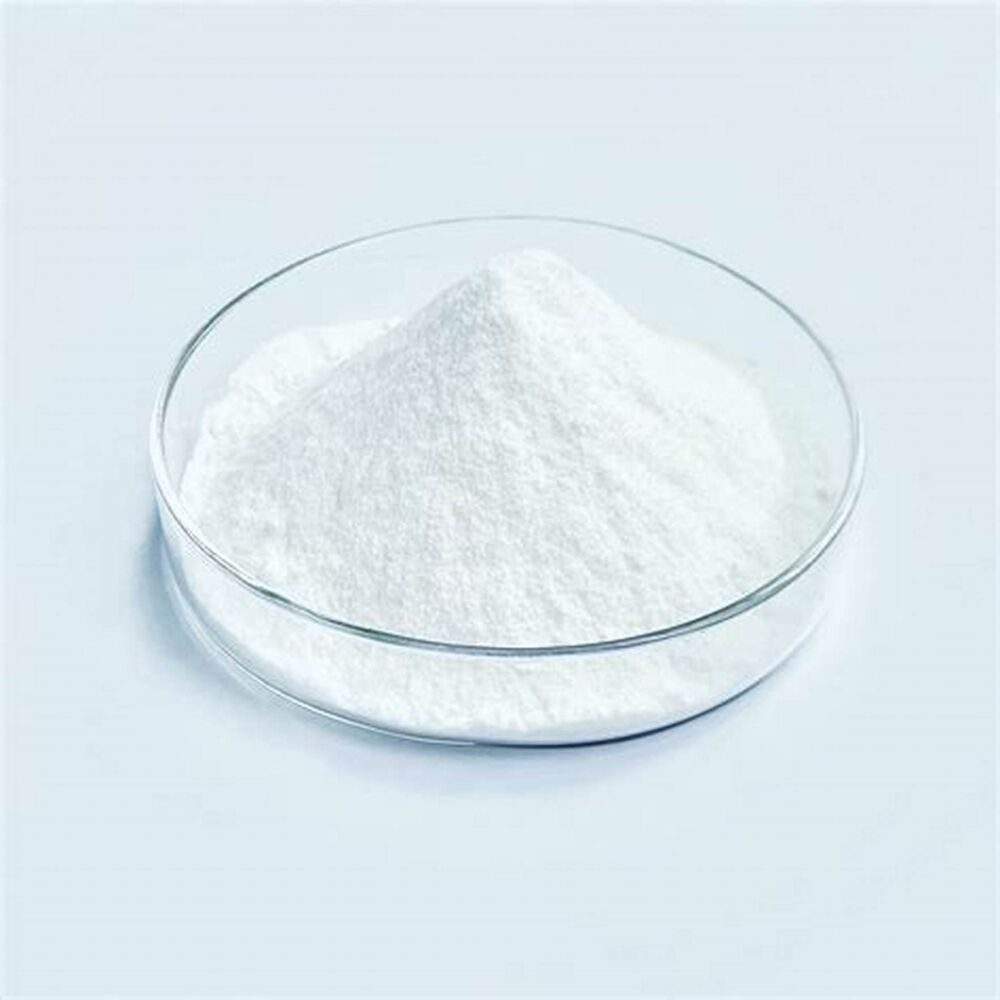
sodium tripolyphosphate

The working mechanism of sodium tripolyphosphate in food processing involves complex interactions between phosphate groups and food components, particularly proteins and water molecules. When introduced into food systems, sodium tripolyphosphate dissociates into phosphate ions that immediately begin interacting with available binding sites on proteins and other molecules. These interactions fundamentally alter the food matrix, creating changes in texture, moisture retention, and shelf stability that are essential for modern food production processes.

Chemical Mechanisms of Sodium Tripolyphosphate in Food Systems

Phosphate Ion Dissociation and Hydration

When sodium tripolyphosphate dissolves in the aqueous environment of food systems, it undergoes immediate dissociation into sodium ions and polyphosphate chains. These polyphosphate molecules carry multiple negative charges that create strong electrostatic interactions with water molecules, forming extensive hydration shells. This hydration process is fundamental to how sodium tripolyphosphate enhances water-holding capacity in processed foods, as the phosphate groups effectively trap water molecules within the food matrix.

The degree of dissociation depends on pH conditions, temperature, and ionic strength of the food system. In typical food processing environments, sodium tripolyphosphate maintains optimal dissociation levels that maximize its functional benefits. The polyphosphate chains remain sufficiently intact to provide structural benefits while releasing enough individual phosphate groups to interact with proteins and other food components.

This dissociation mechanism also influences the rate at which sodium tripolyphosphate exerts its effects during processing. Rapid dissolution and dissociation allow for immediate functional benefits, while controlled release of phosphate groups provides sustained effects throughout processing and storage periods.

Metal Ion Chelation Properties

Sodium tripolyphosphate demonstrates powerful chelation capabilities that significantly impact food quality and stability. The polyphosphate structure contains multiple binding sites that can sequester metal ions such as calcium, magnesium, iron, and copper that naturally occur in food ingredients. By removing these metal ions from solution, sodium tripolyphosphate prevents them from catalyzing oxidation reactions and other degradative processes that compromise food quality.

This chelation mechanism works through coordinate bonding between phosphate oxygen atoms and metal ion electron orbitals. The resulting chelate complexes are stable under normal food processing conditions, effectively removing problematic metal ions from reactive participation in the food system. This action helps maintain color stability, prevents rancidity development, and preserves nutritional quality during processing and storage.

The selectivity of sodium tripolyphosphate for different metal ions varies based on ion size, charge density, and coordination preferences. This selectivity allows food processors to target specific problematic metals while leaving beneficial minerals largely unaffected, maintaining nutritional value while improving stability.

Protein Modification and Texture Enhancement

Protein Swelling and Water Binding

The interaction between sodium tripolyphosphate and food proteins creates dramatic changes in protein structure that directly translate to improved texture characteristics. When sodium tripolyphosphate contacts protein molecules, the phosphate groups interact with positively charged amino acid residues, causing protein unfolding and swelling. This swelling opens up the protein structure, exposing additional water-binding sites and creating a more hydrated, tender texture.

The extent of protein swelling depends on several factors including pH, ionic strength, protein type, and sodium tripolyphosphate concentration. In meat systems, this swelling mechanism is particularly effective with myosin and actin proteins, creating the characteristic tender, juicy texture associated with phosphate-treated products. The swollen proteins form a gel-like matrix that traps water and fat, preventing moisture loss during cooking and storage.

This protein modification mechanism also affects the binding properties of processed foods. Swollen proteins have enhanced ability to form cohesive structures, improving the binding of meat pieces in reformed products and creating more uniform textures in processed foods. The increased surface area of swollen proteins also enhances their interaction with other food components, improving overall product cohesion.

Actomyosin Complex Formation

In meat processing applications, sodium tripolyphosphate facilitates the formation of actomyosin complexes that are crucial for creating desired texture properties. The phosphate groups interact with the contractile proteins actin and myosin, promoting their association into functional complexes that contribute to gel strength and water-holding capacity. This mechanism is particularly important in the production of processed meats where texture uniformity and moisture retention are critical quality factors.

The formation of these protein complexes occurs through a combination of electrostatic interactions and conformational changes induced by sodium tripolyphosphate. The phosphate groups help neutralize some of the electrostatic repulsion between protein molecules, allowing them to come closer together and form stable associations. Simultaneously, the ionic environment created by sodium tripolyphosphate promotes optimal protein conformation for complex formation.

These actomyosin complexes create a three-dimensional network within the food matrix that provides structural integrity and resilience. This network effectively traps water and fat molecules, preventing their migration during processing and storage. The result is improved yield, enhanced texture, and better eating quality in the finished product.

Water Management and Moisture Retention

Hydration Shell Formation

The water management properties of sodium tripolyphosphate stem from its ability to form extensive hydration shells around phosphate groups and modified protein structures. These hydration shells consist of multiple layers of water molecules that are held in place through hydrogen bonding and electrostatic interactions. The formation of these structures effectively immobilizes water within the food matrix, preventing moisture migration and improving product yield.

The stability of these hydration shells depends on the balance between attractive forces holding water molecules and disruptive forces from thermal energy and mechanical processing. Sodium tripolyphosphate creates particularly stable hydration structures because of its multiple phosphate groups and their optimal spacing, which allows for efficient water coordination without excessive crowding or repulsion effects.

This hydration mechanism continues to function throughout processing and storage, providing long-term moisture retention benefits. Even under challenging conditions such as freezing and thawing cycles, the hydration shells formed by sodium tripolyphosphate help maintain product integrity and prevent excessive moisture loss.

Osmotic Pressure Regulation

Sodium tripolyphosphate influences osmotic pressure within food cells and processing systems, creating conditions that favor water retention and texture improvement. The dissociated ions from sodium tripolyphosphate contribute to the ionic strength of the food system, affecting the osmotic gradient across cell membranes and protein structures. This osmotic effect helps draw water into protein structures and maintains cellular integrity during processing.

The osmotic mechanism works in conjunction with other sodium tripolyphosphate functions to create synergistic effects on water retention. As proteins swell and bind more water due to direct phosphate interactions, the osmotic environment created by sodium tripolyphosphate helps maintain this enhanced hydration state. This dual mechanism provides more robust water retention than either mechanism alone could achieve.

Proper osmotic balance also helps prevent excessive water uptake that could lead to mushy textures or structural breakdown. Sodium tripolyphosphate creates an optimal osmotic environment that maximizes water retention while maintaining desirable texture characteristics, allowing processors to achieve the ideal balance between juiciness and firmness in their products.

Processing Parameter Optimization

pH and Temperature Interactions

The effectiveness of sodium tripolyphosphate in food processing is highly dependent on pH and temperature conditions, which influence both its chemical stability and functional performance. At optimal pH ranges, typically between 8 and 10, sodium tripolyphosphate maintains its polyphosphate structure while maximizing protein interactions. Temperature affects the rate of dissociation and the kinetics of protein modification, with moderate temperatures generally providing the best balance between reaction rate and product quality.

Processing temperature must be carefully controlled to prevent hydrolysis of sodium tripolyphosphate, which would reduce its effectiveness and potentially create off-flavors. The compound shows good stability at typical food processing temperatures, but excessive heat can break down the polyphosphate chains into less functional orthophosphate units. Understanding these temperature limitations helps processors optimize their thermal treatments for maximum sodium tripolyphosphate effectiveness.

pH control is equally critical, as extreme pH values can either reduce sodium tripolyphosphate solubility or promote unwanted side reactions. Most food processing applications maintain pH levels that favor sodium tripolyphosphate functionality while remaining within acceptable ranges for food safety and palatability. The buffering capacity of sodium tripolyphosphate itself can help stabilize pH during processing, providing additional processing benefits.

Concentration and Application Timing

The concentration of sodium tripolyphosphate and the timing of its application significantly affect the extent and nature of its functional benefits in food processing. Higher concentrations generally provide more pronounced effects on protein modification and water retention, but excessive levels can create undesirable flavors or textures. Optimal concentration levels vary depending on the specific food application, processing conditions, and desired end-product characteristics.

Application timing is crucial for maximizing sodium tripolyphosphate effectiveness, as the compound needs sufficient contact time to interact with proteins and other food components. Early addition during processing allows for maximum protein modification and water binding, while later addition may be used for specific functional purposes such as surface treatments or final texture adjustments. The processing sequence must be designed to provide adequate mixing and contact time for sodium tripolyphosphate to exert its full functional benefits.

Distribution uniformity is another critical factor, as uneven sodium tripolyphosphate distribution can create texture variations and inconsistent product quality. Proper mixing equipment and procedures ensure uniform distribution throughout the food matrix, providing consistent functional benefits and product quality. The physical form of sodium tripolyphosphate, whether powder or solution, also affects distribution efficiency and application convenience.

Industrial Applications and Performance Benefits

Meat and Poultry Processing

In meat and poultry processing, sodium tripolyphosphate delivers multiple functional benefits that improve both processing efficiency and product quality. The compound enhances water-holding capacity, reduces cook loss, improves texture uniformity, and extends shelf life through its various mechanisms of action. These benefits translate to improved product yield, better eating quality, and enhanced economic performance for meat processors.

The protein modification effects of sodium tripolyphosphate are particularly valuable in reformed meat products, where binding between meat pieces is critical for product integrity. The enhanced protein functionality created by sodium tripolyphosphate allows for better binding with reduced mechanical processing, maintaining meat quality while achieving desired product forms. This application demonstrates how understanding the working mechanism of sodium tripolyphosphate enables processors to optimize their formulations and procedures.

Sodium tripolyphosphate also provides benefits in whole muscle applications, where water retention and tenderness are primary quality objectives. The compound's ability to modify protein structure and enhance water binding creates more tender, juicy products with improved cooking tolerance. These effects are particularly valuable in products that undergo multiple thermal treatments or extended storage periods.

Seafood Processing Applications

Seafood processing represents another major application area where sodium tripolyphosphate provides unique functional benefits through its specific mechanisms of action. Fish proteins respond particularly well to phosphate treatment, showing dramatic improvements in water retention, texture, and freeze-thaw stability. The compound's ability to chelate metal ions is especially valuable in seafood applications, where iron and other metals can catalyze oxidation reactions that create off-flavors and quality deterioration.

The mechanism by which sodium tripolyphosphate improves freeze-thaw stability in seafood involves both protein modification and water management effects. Modified proteins maintain better structural integrity during freezing, while enhanced water binding reduces ice crystal formation that can damage cellular structures. This combination of effects allows seafood processors to maintain product quality through extended frozen storage and distribution.

Processing yield improvements in seafood applications often exceed those seen in other protein systems, reflecting the particular responsiveness of fish proteins to phosphate treatment. Understanding how sodium tripolyphosphate works in these systems allows processors to maximize these yield benefits while maintaining optimal product quality and regulatory compliance.

FAQ

How quickly does sodium tripolyphosphate take effect in food processing?

Sodium tripolyphosphate begins working immediately upon dissolution in food systems, with initial protein interactions occurring within minutes of application. The compound rapidly dissociates and begins binding to protein sites, but full functional benefits typically develop over 30-60 minutes of contact time. Temperature, pH, and mixing intensity affect the rate of action, with optimal conditions accelerating the development of functional benefits.

What factors can reduce the effectiveness of sodium tripolyphosphate in food processing?

Several factors can diminish sodium tripolyphosphate effectiveness, including extreme pH levels below 6 or above 12, excessive temperatures that promote hydrolysis, high calcium or magnesium levels that compete for binding sites, and insufficient contact time for protein interactions. Poor mixing that creates uneven distribution also reduces effectiveness, as does the presence of organic acids that can complex with phosphate groups and reduce their availability for functional interactions.

Can sodium tripolyphosphate work effectively in low-sodium food formulations?

Yes, sodium tripolyphosphate can function effectively in low-sodium formulations because its functional mechanisms depend primarily on phosphate group interactions rather than overall sodium content. The compound provides water retention and protein modification benefits even at reduced sodium levels, though some adjustment of processing parameters may be necessary to optimize performance. Alternative phosphate salts can also be used to reduce sodium content while maintaining functional benefits.

How does sodium tripolyphosphate interact with other food additives during processing?

Sodium tripolyphosphate generally works synergistically with most other food additives, though specific interactions depend on the chemical nature of the additives involved. It complements salt and other phosphates by providing additional protein modification and water retention effects. However, it can interact with calcium-based additives by sequestering calcium ions, potentially reducing the effectiveness of calcium-dependent ingredients. Proper formulation balancing ensures optimal performance of all additives in the system.