 EN
EN

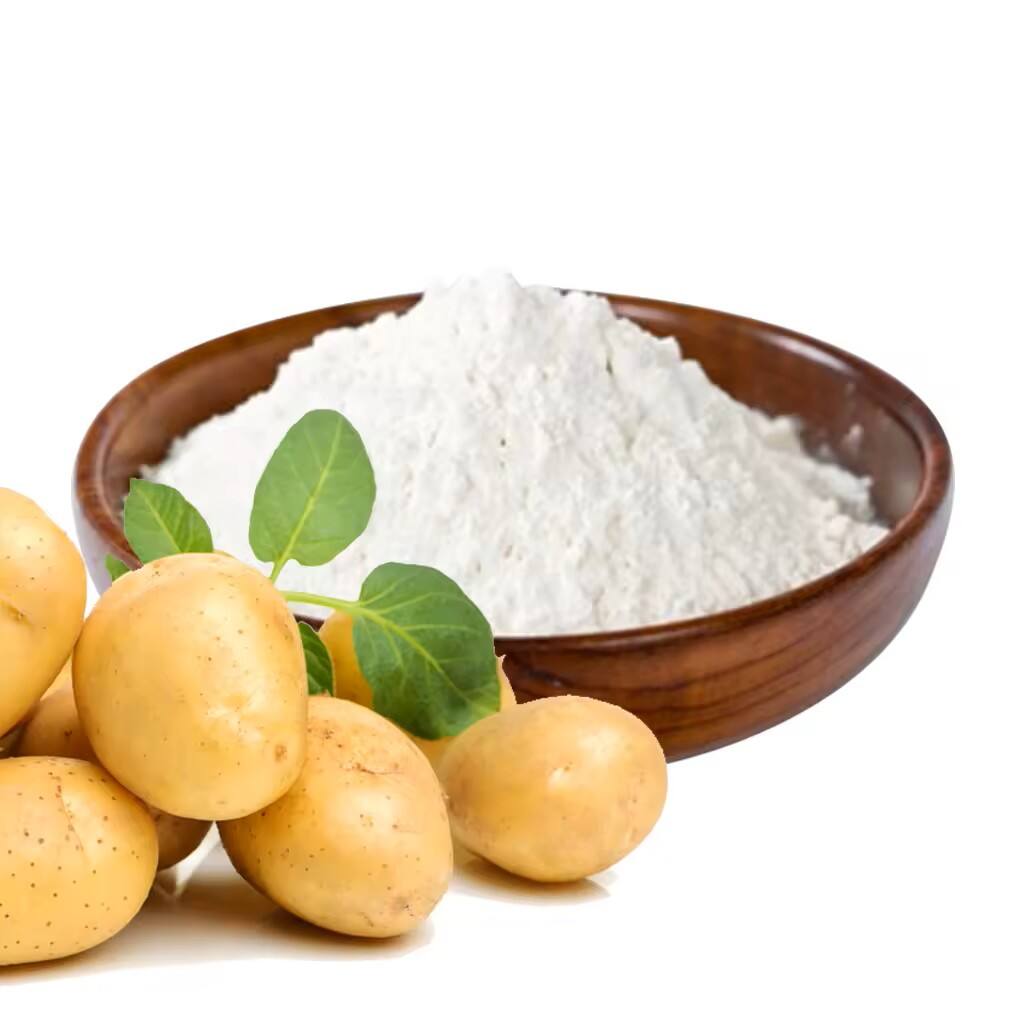
Sourcing high-quality potato starch in 2026 requires navigating an evolved marketplace where traditional distribution channels have merged with digital procurement platforms, creating new opportunities for industrial buyers seeking reliable supply chains. The global potato starch market has transformed significantly, with enhanced quality standards, stricter regulatory compliance requirements, and improved traceability systems that make identifying legitimate suppliers more straightforward than ever before.
Today's procurement landscape offers multiple pathways to acquire premium potato starch, from established industrial chemical distributors to specialized agricultural processing companies and emerging online B2B marketplaces. Understanding where to source this essential ingredient depends on your specific application requirements, volume needs, quality specifications, and logistical considerations that have become increasingly sophisticated in recent years.
Industrial Chemical Distribution Networks
Traditional Chemical Supply Companies
Industrial chemical distributors remain the primary avenue for purchasing high-quality potato starch in bulk quantities, offering established supply chains with comprehensive quality documentation and regulatory compliance support. These distributors typically maintain extensive inventory networks across multiple geographic regions, ensuring consistent availability of potato starch even during seasonal fluctuations or supply chain disruptions that occasionally affect agricultural processing industries.
Major chemical distribution companies provide value-added services including technical support, application guidance, and customized packaging solutions that make them particularly attractive for manufacturers requiring specialized potato starch grades. Their procurement teams work directly with certified processing facilities to ensure consistent quality standards, while their logistics networks offer flexible delivery schedules and inventory management programs tailored to industrial production requirements.
Working with established distributors also provides access to comprehensive safety data sheets, regulatory compliance documentation, and quality certificates that satisfy increasingly stringent audit requirements in food processing, pharmaceutical manufacturing, and industrial applications where potato starch serves critical functional roles.
Specialized Starch Distributors
Companies focusing exclusively on starch products offer deep expertise in potato starch applications, providing technical consultation services that help buyers select optimal grades for specific manufacturing processes. These specialized distributors maintain close relationships with processing facilities, ensuring access to premium potato starch varieties with enhanced functional properties developed for targeted industrial applications.
Specialized distributors often provide custom modification services, allowing buyers to obtain potato starch with tailored characteristics such as modified viscosity profiles, enhanced binding properties, or improved stability under specific processing conditions. Their technical teams understand the nuanced differences between various potato starch grades and can recommend specific products based on end-use requirements and processing parameters.
Digital B2B Procurement Platforms
Online Industrial Marketplaces
Modern B2B e-commerce platforms have revolutionized potato starch procurement by providing transparent pricing, detailed product specifications, and streamlined ordering processes that eliminate traditional negotiation complexities. These digital marketplaces aggregate suppliers from multiple regions, allowing buyers to compare potato starch offerings based on quality grades, pricing structures, delivery timeframes, and supplier credentials through standardized evaluation metrics.
Advanced filtering systems on these platforms enable precise searches for potato starch meeting specific criteria such as moisture content, particle size distribution, viscosity characteristics, and regulatory certifications. Many platforms provide integrated communication tools that facilitate technical discussions with suppliers, enabling detailed specification reviews and quality assurance verification before purchase commitments.
Digital procurement platforms often feature supplier verification systems, customer review mechanisms, and transaction protection services that reduce sourcing risks while providing access to a broader range of potato starch suppliers than traditional distribution channels typically offer.
Direct Manufacturer Connections
Some digital platforms facilitate direct connections between buyers and potato starch manufacturers, eliminating intermediary markups while providing access to technical expertise and customization capabilities typically unavailable through traditional distribution channels. These direct relationships enable collaborative product development, specification optimization, and supply chain integration that benefits both manufacturers and end users.
Direct manufacturer relationships through digital platforms provide transparency into production processes, quality control procedures, and raw material sourcing practices that support comprehensive supplier evaluation and risk assessment. This visibility becomes particularly valuable for companies requiring detailed supply chain documentation for regulatory compliance or corporate sustainability reporting requirements.
Agricultural Processing Companies
Integrated Food Processors
Large agricultural processing companies that manufacture potato starch as part of broader product portfolios often sell directly to industrial customers, providing vertically integrated supply chains with enhanced quality control and traceability capabilities. These processors typically offer competitive pricing for potato starch due to operational efficiencies and direct access to raw materials through established agricultural networks.
Integrated processors provide detailed documentation regarding potato sourcing practices, processing conditions, and quality assurance protocols that support comprehensive supplier qualification processes. Their technical teams understand both agricultural variables affecting potato quality and industrial requirements for downstream applications, enabling consultative selling approaches that optimize potato starch selection for specific use cases.
Working directly with agricultural processors also provides opportunities for custom processing arrangements, seasonal contracting strategies, and supply chain collaboration that can reduce costs while improving supply security for high-volume potato starch applications.
Regional Processing Cooperatives
Agricultural cooperatives in potato-producing regions often operate processing facilities that manufacture high-quality potato starch for both regional and export markets. These cooperatives provide unique advantages including direct farmer relationships, local market knowledge, and flexible business arrangements that can accommodate specialized requirements or volume fluctuations.
Regional cooperatives frequently offer premium potato starch grades processed from locally adapted potato varieties with superior functional characteristics for specific applications. Their processing facilities often employ traditional methods combined with modern quality control systems, producing potato starch with distinct performance profiles valued by specialty manufacturers and traditional food processors.
Quality Verification and Supplier Evaluation
Certification and Testing Standards
Identifying high-quality potato starch suppliers requires understanding current certification standards and testing protocols that verify product quality, safety, and consistency. Reputable suppliers provide comprehensive documentation including certificate of analysis reports, regulatory compliance attestations, and third-party quality audits that demonstrate adherence to industry standards and customer specifications.
Modern potato starch quality verification involves multiple testing parameters including moisture content analysis, protein level determination, ash content measurement, viscosity profiling, and microbiological safety assessments. Suppliers committed to quality maintain detailed records of these testing results and provide batch-specific documentation that enables traceability and quality assurance verification throughout the supply chain.
Advanced testing capabilities such as particle size distribution analysis, rheological characterization, and functional performance evaluation help differentiate premium potato starch suppliers from commodity providers, ensuring buyers receive products optimized for their specific application requirements.
Supplier Qualification Processes
Establishing relationships with reliable potato starch suppliers requires systematic evaluation processes that assess technical capabilities, quality systems, regulatory compliance, and business stability. Comprehensive supplier audits examine processing facilities, quality control procedures, supply chain management practices, and customer service capabilities that impact long-term partnership success.
Modern supplier qualification includes evaluation of sustainability practices, environmental compliance, social responsibility initiatives, and supply chain transparency that increasingly influence purchasing decisions in industrial markets. Suppliers demonstrating commitment to these broader business practices often provide more stable partnerships and better align with corporate procurement policies.
Ongoing supplier performance monitoring through key performance indicators, quality trend analysis, and customer satisfaction metrics ensures continued alignment between supplier capabilities and buyer requirements as market conditions and business needs evolve over time.
FAQ
What factors determine potato starch pricing in current markets?
Potato starch pricing reflects multiple variables including raw potato costs, processing facility capacity utilization, transportation expenses, quality specifications, and market demand fluctuations. Premium grades commanding higher prices typically offer enhanced functional properties, superior consistency, or specialized characteristics developed for specific industrial applications.
How can I verify the quality of potato starch before making large volume purchases?
Quality verification requires requesting samples for independent testing, reviewing supplier certificates of analysis, conducting facility audits when possible, and evaluating supplier quality management systems. Establishing testing protocols aligned with your application requirements helps ensure potato starch meets performance expectations before committing to significant purchase volumes.
What minimum order quantities should I expect when buying high-quality potato starch?
Minimum order quantities vary significantly based on supplier type and distribution channel, ranging from single pallets for specialty applications to full truckloads for industrial processing operations. Direct manufacturer relationships often require larger minimum orders but provide better pricing, while distributors typically offer more flexible quantities with corresponding price adjustments.
Are there seasonal availability considerations for potato starch procurement?
Potato starch availability can experience seasonal variations tied to harvest cycles and processing schedules, though most established suppliers maintain inventory management systems that minimize supply disruptions. Planning procurement timing around harvest seasons and maintaining strategic inventory buffers helps ensure consistent potato starch availability for continuous production operations.